
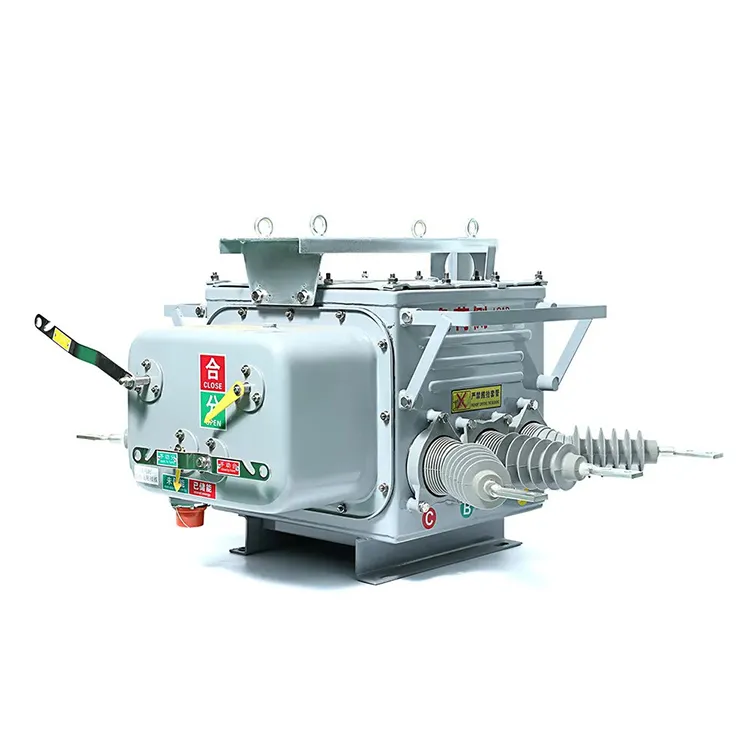


Illustrative scenario: When a commissioning engineer in Birmingham closed a new medium-voltage feeder panel, the breaker would not reach the expected position and the interlock stayed open. The team suspected a defective breaker. A dimensional check reversed the diagnosis: the project had specified a drawout arrangement for a fixed-mount cubicle. The failure was a selection problem, not a bad interrupter.
Ringkasan: A fixed version vacuum circuit breaker is bolted or otherwise secured in its switchgear position rather than rolled between service, test and disconnected positions. That choice affects ratings, primary connections, shutters, earthing, interlocks, maintenance access and the panel footprint. We recommend confirming the duty and insulation requirements against IEC 62271-100 or the applicable IEEE C37.04/C37.09 basis, then freezing the mechanical interface with the switchgear builder before procurement. A fixed VCB can reduce moving mechanisms, but it does not remove the need for a defined isolation procedure or safe working clearance. For a related technical topic, see Pemutus Sirkuit Vakum Dalam Ruangan.
What “fixed version” means in a switchgear specification
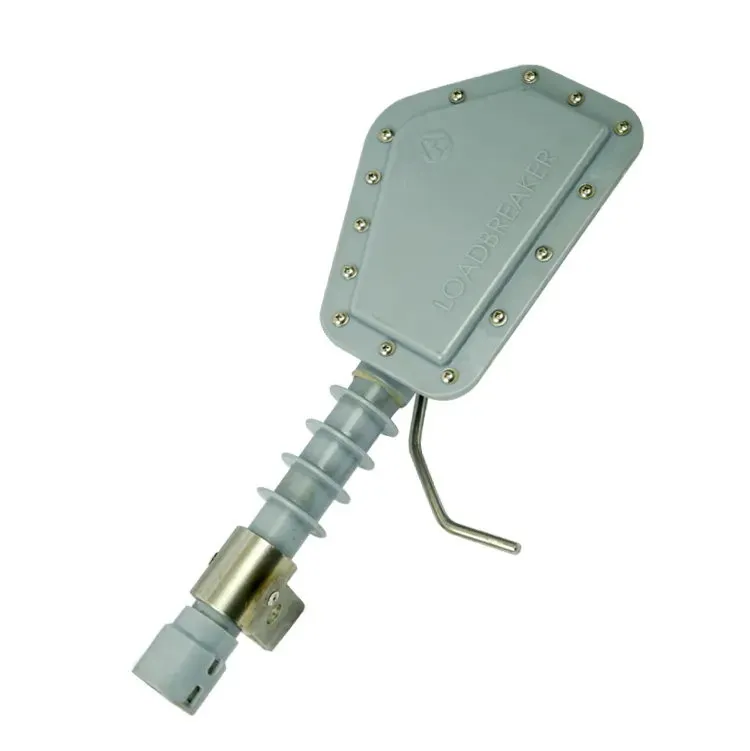
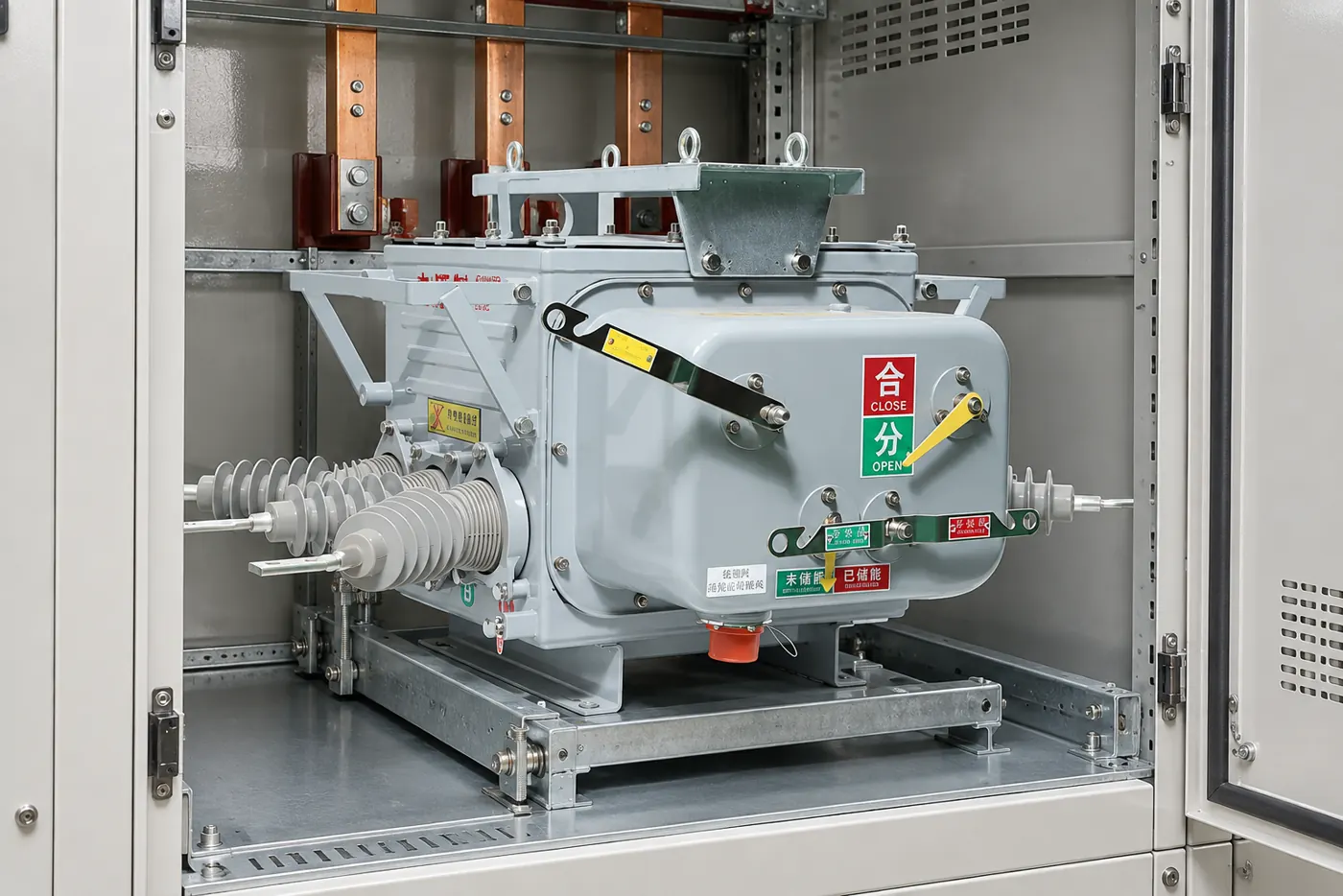
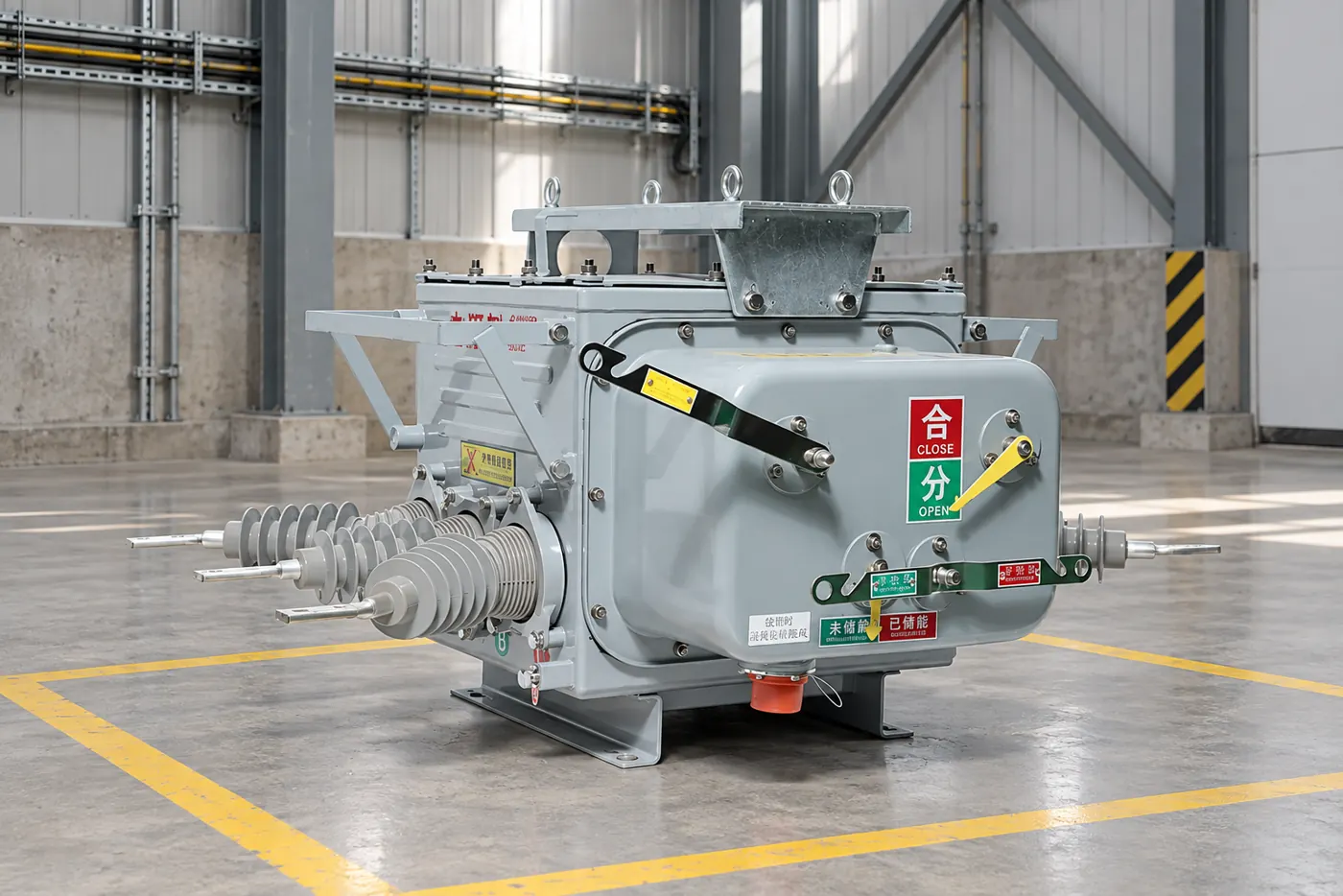
In a fixed arrangement, the vacuum interrupter assembly and operating mechanism remain in a designated cubicle position. Cable or busbar connections, secondary wiring and earthing are made for that position. The breaker is not intended to be withdrawn by an operator as part of the normal switching sequence. This is different from a drawout breaker, where a truck or chassis provides repeatable service, test and disconnected positions.
The distinction is mechanical, but it changes maintenance. A fixed unit needs an isolating device, visible isolation point or approved work method before personnel enter the compartment. An open breaker is not an isolated circuit. Drawings should show how the circuit is made dead, stored energy discharged and the work area earthed.
Start with electrical duty, not the mounting label. Voltage, normal current, short-circuit current, frequency, operating sequence, insulation coordination and environment determine the rating schedule. The guidance on Rating pemutus sirkuit vakum helps translate a network study into procurement values; never substitute nominal catalog current for verified duty.
Should the project use a fixed or drawout VCB?
For a fixed VCB, the rating plate is only one part of the interface. Confirm rated voltage, insulation level, power-frequency withstand, lightning impulse withstand, continuous current, short-circuit breaking current, making current, short-time withstand and the required operating duty. IEC 62271-100 addresses high-voltage AC circuit-breakers and their type-test framework; IEEE C37.04 and C37.09 provide the corresponding ANSI/IEEE rating and test basis. The project specification should state which family governs, because values and terminology are not interchangeable by assumption.
Freeze mechanical data at the same time: phase spacing, busbar elevation, terminal orientation, cable space, clearances, control voltage, coils, auxiliary contacts and earthing points. Check the operating envelope with doors and barriers installed.
Panel integration includes interlocking logic. A fixed breaker may rely on key interlocks, door switches, earthing-switch interlocks or a protection-relay permissive. Test them as safety functions during commissioning. The fixed version vacuum circuit breaker mounting and retrofit guide can help structure that review.
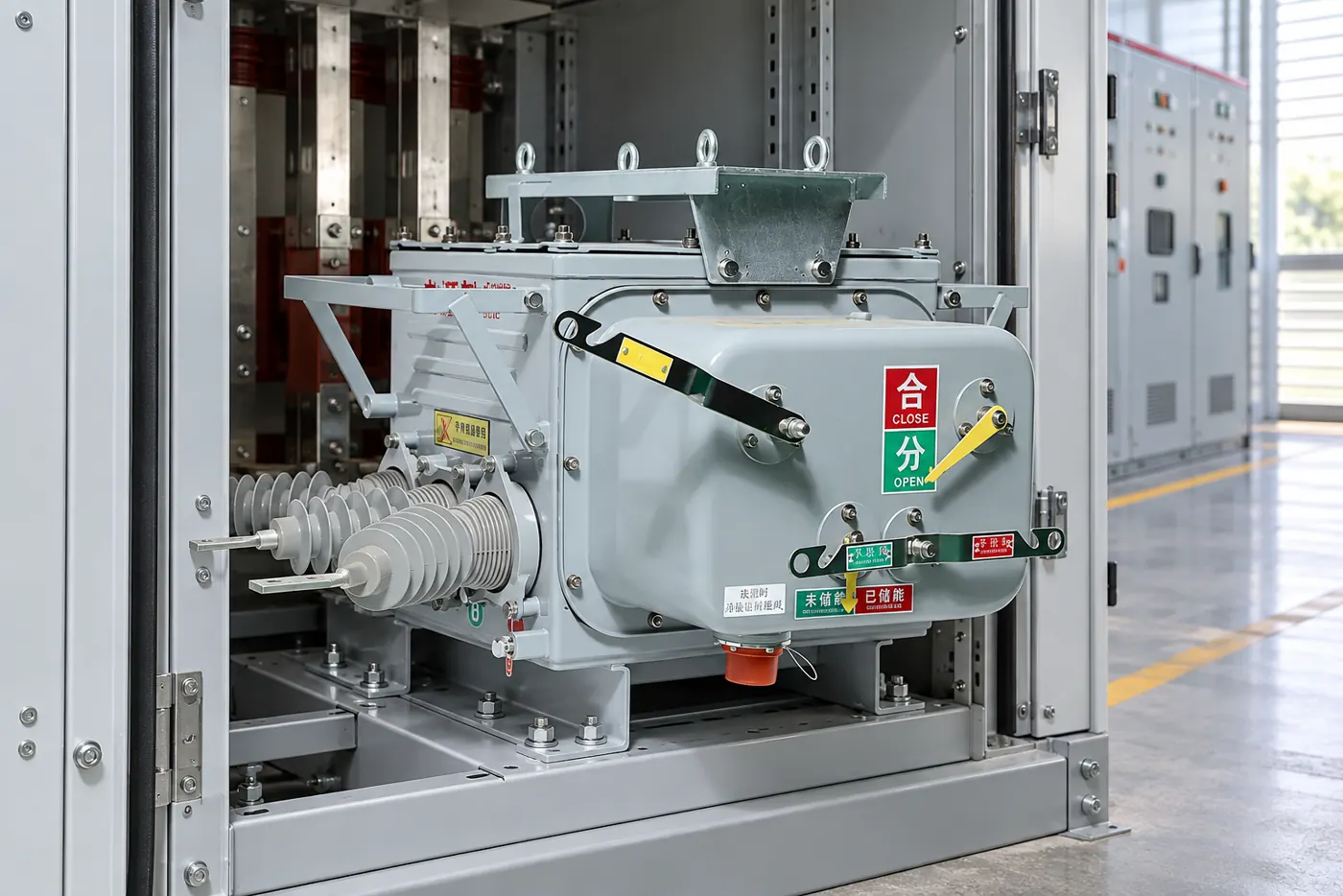
How do fixed and drawout VCBs compare?
| Dimensi keputusan | Fixed version | Drawout version |
|---|---|---|
| Primary connection | Bolted or permanently arranged for one cubicle position | Plug-in or rolling contacts designed for repeatable positions |
| Isolation workflow | Requires a separate isolating point or approved work procedure | Truck position and shutters can provide a defined disconnected state, subject to design and interlock verification |
| Footprint and mechanism | Fewer withdrawal components; fixed access and lifting provisions still matter | More space and hardware for truck travel, rails, shutters and position indication |
| Maintenance approach | Plan outage, proving dead, isolation and access at the installed cubicle | Possible workshop removal, but truck, contact and interlock maintenance is added |
| Retrofit risk | High if new dimensions or terminals do not match the existing panel | High if the replacement truck, racking and contact system are not an exact interface match |
| Total cost tendency | Can be economical where outages are planned and the panel is dedicated | Can justify its hardware where frequent testing, swapping or rapid restoration is required |
Neither configuration is universally safer or cheaper. The choice follows the operating philosophy: switching frequency, spare strategy, restoration time and safe-access provisions.
What does a safe fixed-VCB service plan require?
Isolation for a fixed VCB is a sequence, not a single lever. The responsible person should open the breaker, open and secure the designated isolator, prove absence of voltage with an approved tester, discharge stored energy, apply earths where required, and release the equipment under the site’s permit-to-work rules. Exact steps depend on the switchgear design and local regulations. The breaker manufacturer’s instructions and the site’s switching schedule take precedence over a generic checklist.
Before energization, commissioning should verify mechanical travel, contact timing, trip and close operation, control-voltage behavior, indication, interlocks, insulation condition and protection-trip circuits. Type tests under IEC 62271-100 or IEEE C37.09 do not replace site acceptance checks. The field plan should define measurements and handover evidence. See the related pemutus sirkuit vakum testing overview.
Maintenance covers the complete assembly: interrupter condition, mechanism wear, terminals, secondary connections, interlocks, earthing and cleanliness. Sealed vacuum bottles do not make the surrounding mechanism maintenance-free. Follow the manufacturer’s model-specific intervals and guidance.
When is a fixed VCB the better fit?
| Application pattern | Why fixed may fit | Boundary to confirm |
|---|---|---|
| Dedicated industrial feeder with planned outages | Stable panel geometry and a predictable maintenance window | Provide an accessible isolator and lifting/access plan |
| Compact indoor switchboard | Removes withdrawal travel from the cubicle layout | Check front/rear working clearance and heat or cable effects |
| Utility or process plant with a spare cubicle | Repeatable, purpose-built installation can simplify documentation | Confirm protection settings, interlocks and network duty |
| Retrofit in an existing lineup | Useful when the original chassis is unavailable or unsuitable | Survey dimensions, busbars, terminals, control voltage and fault duty before committing |
Retrofit feasibility is a document-and-survey exercise. Compare drawings, inspect the panel, verify the short-circuit study and assign responsibility for modifications and tests. Converting a drawout panel may require barriers, supports or cable work that changes the assembly basis.
Which standards define fixed-VCB compliance evidence?
- IEC 62271-100: high-voltage AC circuit-breaker requirements and type-test framework. It supports product verification; it is not by itself a blanket installation certificate.
- IEC 62271-200: AC metal-enclosed switchgear and controlgear, including enclosure and internal-arc-related classifications used in applicable designs. Confirm the edition and declared classification for the complete assembly.
- IEEE C37.04 and C37.09: ANSI/IEEE rating structure and test procedures for AC high-voltage circuit breakers. Use the project-selected standard family consistently in studies, drawings and acceptance records.
Local rules and utility requirements can add obligations for labeling, work permits, earthing and documentation. Claims such as “maintenance-free,” “arc-proof” or “drop-in replacement” require evidence for the exact assembly.
What should buyers require before ordering a fixed VCB?
- Issue a single data sheet covering electrical duty, insulation coordination, control supply, operating sequence and environmental conditions.
- Attach certified dimensional, terminal, wiring and interlock drawings to the purchase specification.
- Define isolation, commissioning tests, witness points, records and responsibility for site modifications.
- For a retrofit, complete a physical survey and compare the existing short-circuit study with the proposed breaker duty.
- Request a spare-parts and maintenance plan that names the actual mechanism and panel interfaces.
Fuerte presents medium-voltage vacuum circuit breakers and related electrical equipment for engineering and procurement review. Buyers should ask for the model-specific rating schedule, interface drawings, applicable test evidence and installation guidance rather than relying on a generic “fixed” designation.
Pertanyaan yang sering diajukan
What is a fixed version vacuum circuit breaker?
It is a vacuum circuit breaker secured in one switchgear position, with primary and secondary connections arranged for that cubicle. It is not normally withdrawn on a truck between service and test positions. Safe isolation therefore depends on the complete panel design and operating procedure.
How does a fixed VCB differ from a drawout breaker?
A drawout breaker uses a truck or chassis to create defined connected, test and disconnected positions. A fixed VCB stays installed, so the panel needs a separate isolating method and maintenance access plan. The better choice depends on outage practice, footprint, interchangeability and interface requirements.
What are the advantages of fixed-mount VCB installation?
Fixed-mount installation can reduce withdrawal hardware and simplify a dedicated cubicle layout. It may suit equipment with planned outages and stable feeder assignments. Those benefits disappear if access, isolation, lifting or future replacement has not been designed in.
Can a fixed VCB be retrofitted into existing switchgear?
Sometimes, but it is not automatically a drop-in replacement. Verify dimensions, busbar and cable terminations, insulation clearances, control voltage, interlocks, enclosure classification and fault duty against the existing assembly. A documented survey and engineering review should precede any purchase.
How is a fixed VCB isolated for maintenance?
The approved sequence normally includes opening the breaker, isolating the primary circuit, locking or tagging the isolator, proving dead, discharging stored energy and applying earths where required. The exact sequence belongs to the switchgear drawings, manufacturer’s instructions and local permit-to-work rules.
Which applications are best for fixed vacuum breakers?
They are often considered for dedicated industrial feeders, compact indoor panels and installations where outages and access are planned. They can also be considered in retrofits when the existing lineup can be safely modified. Frequent breaker exchange or limited isolation access may favor a drawout design instead.
Referensi
- IEC 62271-100, High-voltage switchgear and controlgear — Part 100: Alternating-current circuit-breakers.
- IEC 62271-200, AC metal-enclosed switchgear and controlgear for rated voltages above 1 kV and up to 52 kV.
- IEEE C37.04, IEEE Standard Rating Structure for AC High-Voltage Circuit Breakers.
- IEEE C37.09, IEEE Standard Test Procedures for AC High-Voltage Circuit Breakers.
The durable rule is simple: choose the mounting arrangement together with the isolation method, interfaces and duty—not after them. For a project-specific fixed VCB review, contact Fuerte with the single-line diagram, panel drawings and required ratings, and request a documented fit-and-test discussion through the medium-voltage vacuum circuit breaker product category.