
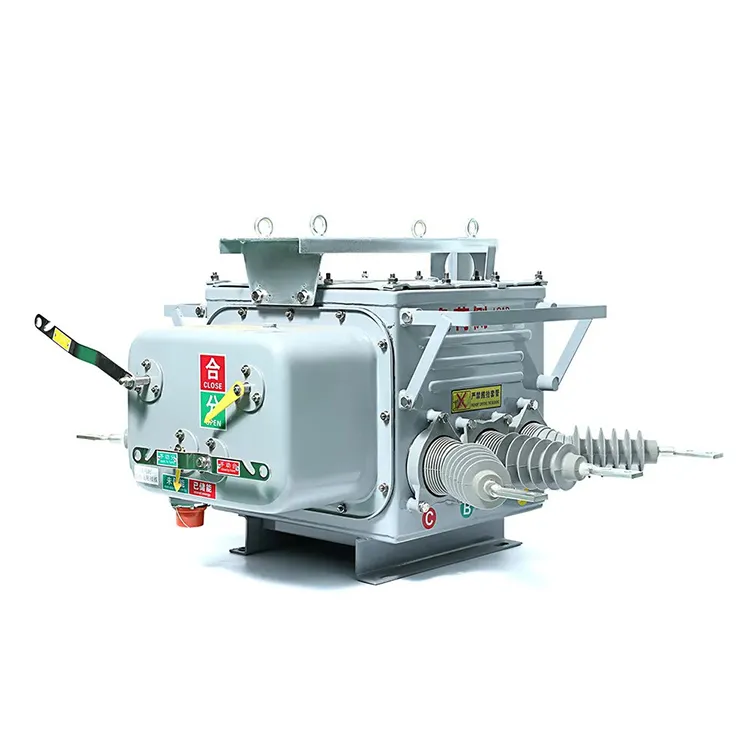
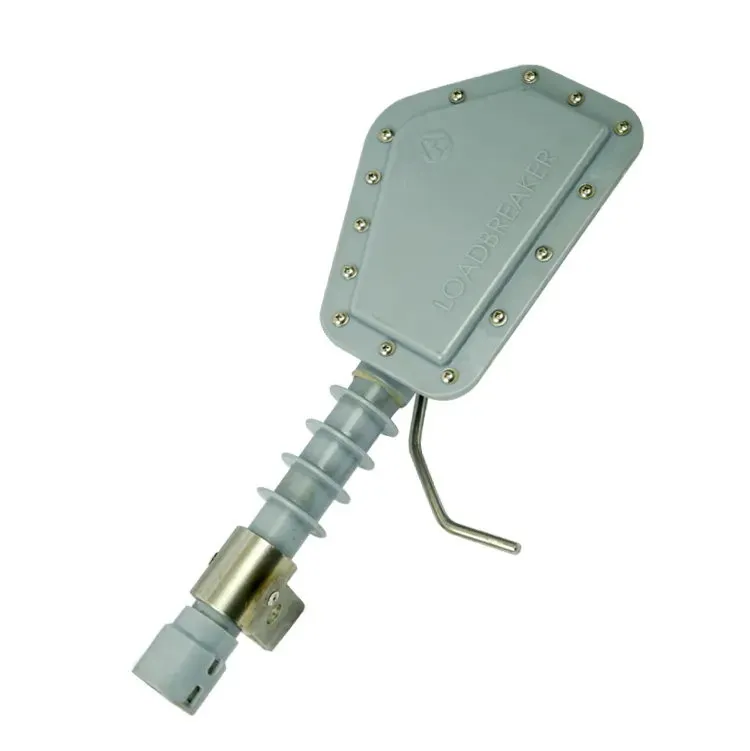


An industrial distribution project can satisfy its load schedule yet still specify a lineup that does not match the available fault current, room, cable routes, maintenance method, or local rules. If discovered after civil work and feeder interfaces are fixed, correction affects schedule and installed cost. Selection must therefore translate the system study and operating plan into verifiable assembly requirements.
Quick Answer: Choose the voltage class from the system and insulation study, then choose AIS or GIS and metal-clad or metal-enclosed construction from fault duty, continuity, environment, footprint, and service access. Confirm breaker interrupting rating separately from assembly short-time withstand current. Use the applicable IEC, ANSI/IEEE, utility, and local rules, because no single voltage cutoff or enclosure label establishes suitability.
Which Electrical Requirements Must Be Fixed Before You Choose the Switchgear?
Start with the one-line diagram, system voltage, frequency, grounding, continuous current, load profile, prospective short-circuit current, clearing time, insulation coordination, and expansion plan. These define electrical duty; they do not decide whether equipment should be air-insulated, gas-insulated, metal-clad, or another metal-enclosed arrangement.
Although buyers search for “switchgears” or “switch gears,” switchgear is normally a collective noun. Low voltage switchgear, medium-voltage equipment, and high voltage switchgear describe voltage classes under a chosen practice; AIS/GIS describe insulation, while metal-clad/metal-enclosed terms describe construction. Mixing these categories invites non-equivalent bids.
List the required switchgear components and interfaces: bus, breakers or switches, relays, instrument transformers or sensors, metering, control power, interlocks, earthing, cable terminations, and communications. Coordinate every item with the assembly rating and protection philosophy.
When Is AIS More Practical Than GIS for an Industrial Site?
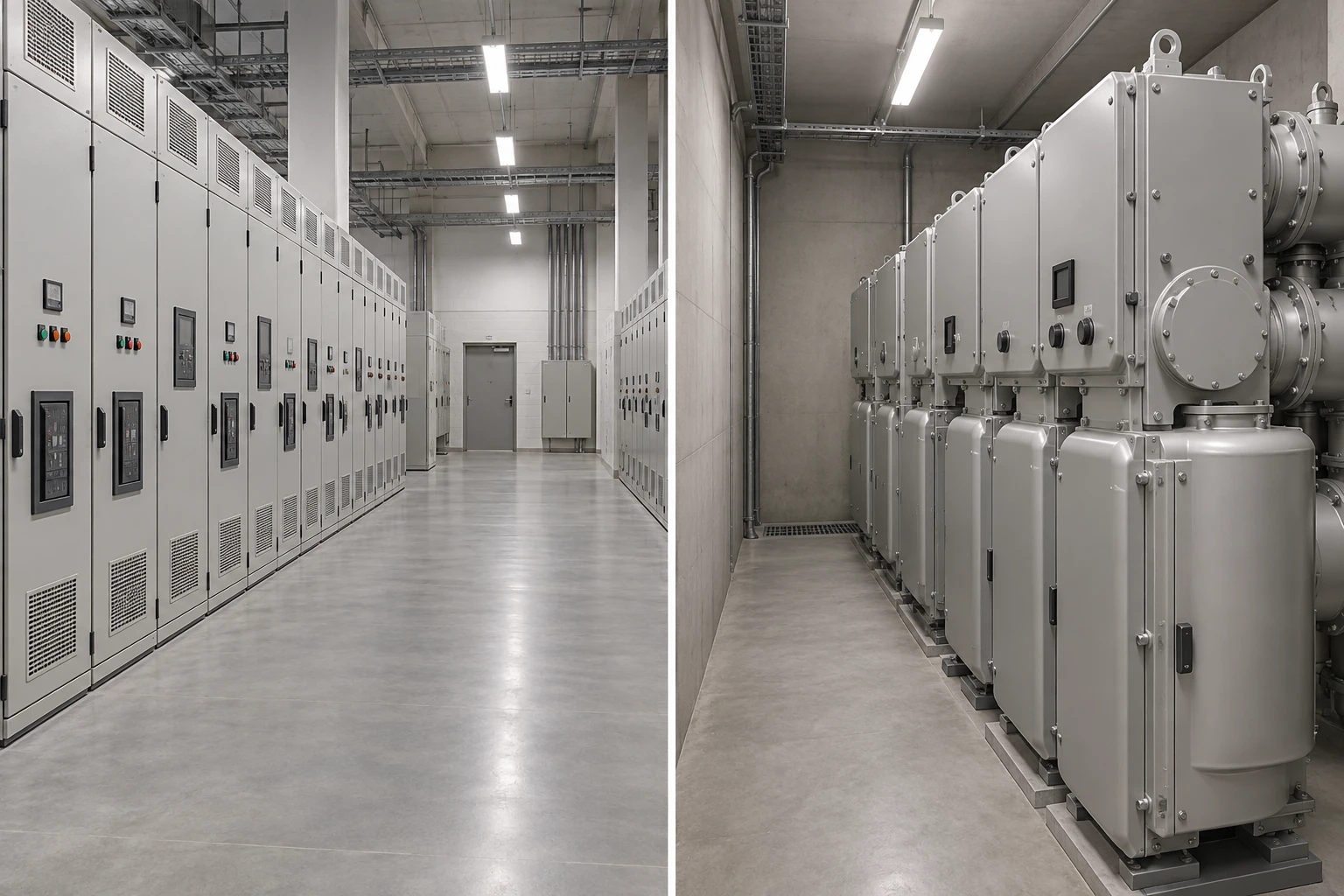
Air insulated switchgear is often practical where room is available, technicians need familiar service access, and the site controls dust, moisture, pollution, and ventilation. Larger clearances can aid inspection and modification but increase the room and cable-interface envelope. The offered design and site conditions still govern.
Gas insulated switchgear encloses primary conductors in a controlled insulating medium and can reduce footprint. GIS switchgear may suit restricted rooms or contaminated industrial and offshore locations. Procurement must identify the gas or mixture, monitoring, leakage response, recovery requirements, environmental rules, and service capability. “GIS” alone proves neither environmental suitability nor maintenance convenience.
| Decision factor | AIS tendency | GIS tendency | Evidence to request |
|---|---|---|---|
| Footprint | More clearance and room area are commonly needed | Compact primary insulation arrangement | Approved general-arrangement drawing |
| Site environment | Room cleanliness and air-insulation condition matter | Primary parts are less exposed to room contaminants | Service-condition declaration and enclosure details |
| Inspection and modification | Access may be more direct | Sealed primary systems may require specialized procedures | Maintenance manual, tools, and training scope |
| Lifecycle obligations | Cleaning, insulation inspection, and clearance control | Gas monitoring, handling, recovery, and end-of-life plan where applicable | Maintenance plan and local regulatory review |
| Cost tendency | Often economical when room space is available | May justify higher equipment complexity where space or environment dominates | Installed cost, outages, spares, and service support |
How Do Interrupting Rating and Short-Time Withstand Current Affect Selection?
A breaker’s interrupting rating is its verified ability, under a named standard and stated conditions, to interrupt a defined short-circuit current. Coordinate it with calculated fault duty, including voltage, current components, duty cycle, and system conditions. This low voltage switchgear rating principle is broader: never compare a catalogue value with a study result until their definitions match.
Short-time withstand current states what an assembly can withstand for a defined duration; it is not a breaker interrupting rating. The bus, earthing circuit, and relevant devices must survive prospective current for the protection clearing interval. A breaker able to interrupt a fault does not prove that the bus can withstand it until clearing.
Review peak withstand or making duty where applicable, because RMS current alone does not capture electrodynamic stress. Confirm every series element: the lowest verified rating can constrain the lineup, while slower relay clearing can change the withstand requirement.
What Space, Clearance and Service Access Must the Switchgear Layout Provide?
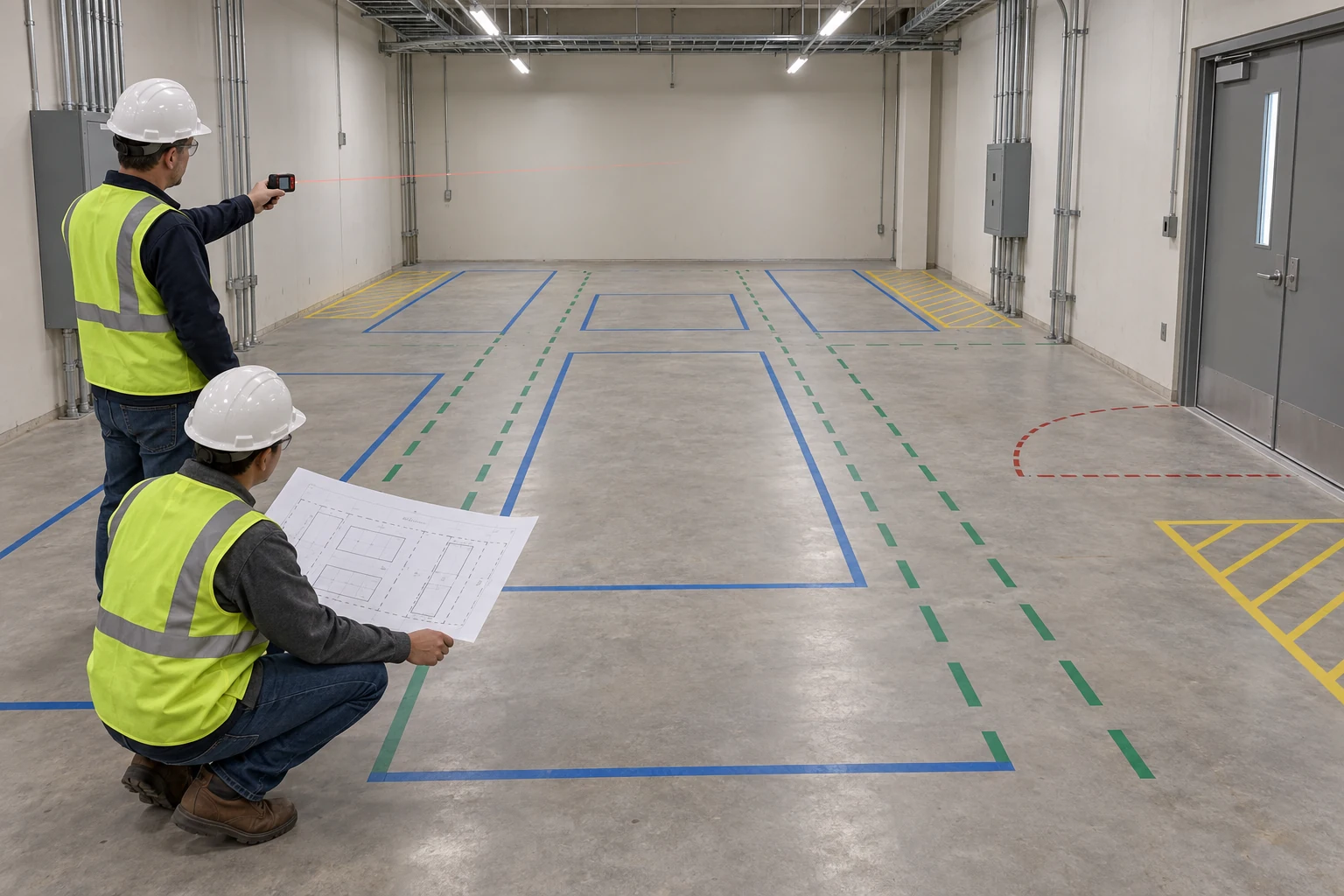
Use the manufacturer’s certified layout and adopted electrical, building, fire, and workplace rules—not a generic aisle dimension. Check working space, doors, breaker withdrawal, lifting, cable bends, bus joints, ventilation, pressure relief, ceiling obstructions, transport, egress, and future extension.
Accessibility is an operating requirement, not empty floor area. Define which compartments may be opened, whether adjacent sections remain energized, how isolation is verified, and where grounds are applied. metal clad switchgear can provide defined compartmentation under an applicable standard, but the term proves neither internal-arc classification nor safe energized maintenance.
How Should the Switchgear Construction Match the Site and Continuity Needs?
The following matrix is a screening tool, not a substitute for the system study or the manufacturer’s verified design.
| Project condition | Initial direction to evaluate | Critical verification |
|---|---|---|
| Generous indoor space and routine site access | AIS lineup | Air clearances, room environment, inspection access, and expansion space |
| Severely restricted footprint or contaminated location | GIS or compact screened design | Actual insulating medium, service conditions, gas handling, and local rules |
| Continuity requires localized maintenance | Compartmented or withdrawable arrangement | Service-continuity classification, shutters, interlocks, and safe work procedure |
| Planned total shutdowns are acceptable | Fixed equipment may be suitable | Isolation points, replacement method, spares, and outage duration |
| High prospective fault current or long clearing time | Revisit assembly and protection design | Interrupting, making, peak, and short-time ratings on the same standard basis |
| Harsh industrial or offshore service | Compare AIS conditioning with enclosed primary insulation | Temperature, humidity, altitude, contamination, corrosion, pressure relief, and maintenance logistics |
Metal-enclosed is broad; metal clad switchgear is more specific under standards defining compartmentation and barriers. Neither sets voltage class. Gas insulated switchgear can be metal-enclosed without matching every metal-clad design. Require the exact standard, classification, and arrangement.
Which Standards and Test Records Should the Specification Require?
- IEC 62271-200:2021 covers AC metal-enclosed switchgear and controlgear above 1 kV and through 52 kV. Its construction and test classifications do not automatically certify every offered configuration.
- IEC 61439 series is commonly specified for low-voltage assemblies in IEC markets. State the applicable part, edition, characteristics, and verification instead of requesting generic “IEC compliance.”
- ANSI/IEEE, utility, and local practice may use different voltage boundaries, construction definitions, ratings, and tests. Do not translate an IEC rating without an engineering equivalence review.
- OSHA electrical requirements and NFPA 70E address U.S. workplace hazards and safe-work practices. They do not select equipment; employer programs, assessments, training, procedures, and instructions remain essential.
Ask for configuration-specific drawings, nameplate schedules, applicable verification evidence, routine test records, interlock logic, instructions, and limitations. Confirm that substitutions remain within the verified design. Unsupported compliance language creates bid ambiguity, delay, rework, and unpriced responsibility.
A Buyer’s Checklist for Comparing Switchgear Offers
- Freeze the system study, protection philosophy, insulation coordination, load duty, service conditions, and destination rules.
- Separate voltage class, insulation technology, construction classification, and accessibility.
- Compare matched rating definitions and test standards; record deviations.
- Approve room and equipment together for operation, isolation, replacement, lifting, cabling, and expansion.
- Evaluate spares, manuals, training, outages, tools, applicable gas handling, and end-of-life obligations.
Fuerte is a China-based B2B manufacturer of medium-voltage distribution protection equipment. It can review breaker duty, mounting interfaces, documentation, and sourcing requirements; the EPC, system engineer, operator, and authority having jurisdiction remain responsible for the installation.
Frequently Asked Questions
What are the three types of switchgear?
There is no universal list because switchgear can be classified by voltage, insulation, construction, location, or interrupting device. A common insulation-based grouping is air-insulated, gas-insulated, and solid-insulated or screened-solid equipment. State the basis before comparing types.
What is the difference between air-insulated and gas-insulated switchgear?
AIS uses air clearance around primary parts; GIS encloses conductors in a controlled insulating gas or mixture. GIS is generally more compact, while AIS may allow more direct inspection. Choose from verified service conditions, space, resources, regulations, and lifecycle plans.
How do you select a switchgear rating?
Match voltage, insulation level, frequency, continuous current, interrupting duty, peak or making duty, and short-time withstand to the study and standard. Apply required changes for altitude, temperature, ventilation, harmonics, or other service conditions.
What are the main components of gas-insulated switchgear?
Typical GIS includes bus, switching and interrupting devices, disconnecting and earthing functions, sensors or instrument transformers, interfaces, insulating enclosures, monitoring, controls, and interlocks. Design varies, so approved drawings and manuals govern maintenance and spares.
What is air-insulated switchgear?
Air-insulated switchgear uses air as primary external insulation between energized conductors and earth. Clearances, enclosure arrangement, and environmental limits depend on voltage, insulation coordination, construction, and the governing standard.
What is the difference between metal-clad and metal-enclosed switchgear?
Metal-enclosed broadly means equipment within a grounded metal enclosure. Metal-clad is a specific class with defined compartmentation and barriers. Criteria differ between IEC and ANSI/IEEE practice, so name the standard instead of relying on the label.
References
- IEC 62271-200:2021, AC metal-enclosed switchgear and controlgear for rated voltages above 1 kV and up to and including 52 kV.
- U.S. Occupational Safety and Health Administration, Electrical Safety.
- NFPA 70E, Standard for Electrical Safety in the Workplace.
Conclusion
Reliable switchgear selection begins with system duty and operating reality, not a preferred enclosure name. Establish the voltage and insulation basis, fault current, clearing time, load duty, service conditions, continuity objective, and governing standard; then compare AIS, GIS, metal-clad, and other metal-enclosed arrangements on verified evidence. Treat breaker interrupting rating and assembly short-time withstand as separate checks, and approve the equipment footprint only after operation, maintenance, cable, lifting, pressure-relief, and egress paths are demonstrated. Finally, compare lifecycle obligations as carefully as purchase price, including spares, outage procedures, specialist service, and end-of-life handling. For a project-specific review of medium-voltage protection equipment and documentation, contact Fuerte with the one-line diagram, fault-study basis, site conditions, and required standards.