


A maintenance request for an automatic fuse can describe several different devices. One person may mean a circuit breaker with a reset handle; another may mean a polymer device that becomes highly resistive when it heats. Neither description is enough to order a replacement. A conventional fuse, a breaker and a resettable PTC device respond differently, and they do not share the same replacement or restoration procedure. The practical question is therefore what the installed device actually is. Its manufacturer, part number, markings and equipment documentation provide a firmer answer than a translated catalogue name or the appearance of a reset button.
Treat automatic fuse as an ambiguous commercial term until the device has been identified. A conventional fuse opens through operation of its fusible element and does not reset itself. A circuit breaker interrupts through contacts and may be reclosed after the cause and condition have been assessed. A resettable PTC device instead increases its resistance and can recover under its specified conditions; it need not provide a fully open circuit. In applicable US workplaces, 29 CFR 1910.334(b)(2) prohibits repetitive manual reclosing or reenergizing through replaced fuses without the required determination that the circuit can be safely energized.
What are the three devices most often confused?
The useful comparison is the interruption mechanism, not whether the device acts automatically. A conventional fuse operates without an external command too, but that does not make it resettable. Likewise, a device described as self-resetting may only reduce current rather than create an isolating gap.
| Device | Response to an overcurrent condition | What restoration involves |
|---|---|---|
| Conventional fuse | A fusible element melts; its design interrupts the resulting arc | Correct replacement after the fault and assembly are assessed |
| Circuit breaker | Contacts open through a trip mechanism or protection system | Assessment, any required maintenance and the approved resetting procedure |
| Resettable PTC device | Resistance rises and limits current as temperature increases | Removal of the relevant condition and recovery under the device instructions |
The resettable-fuse overview describes the remaining current in a tripped polymer PTC device and its temperature-dependent recovery. That is a significant distinction where the equipment requires actual disconnection. A PTC’s hold-current and trip-current specifications also should not be treated as equivalent to a conventional fuse’s current marking.
Which markings identify the installed device?
Look for the manufacturer and complete part number first, followed by the device type, voltage and current markings, interrupting rating where applicable, and the referenced product standard. Match these to the manufacturer’s documentation. A handle or button is a clue, not a complete classification: it might operate a switch, reset a trip mechanism or release a carrier.
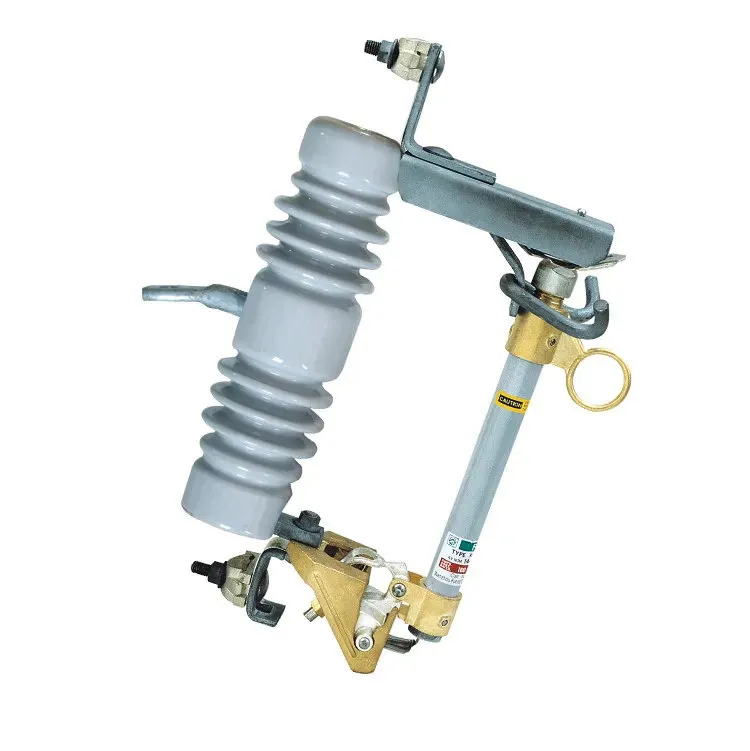
Record the actual protective function as well. A breaker may use an integral trip unit or depend on separate protection and control equipment. A conventional fuse link belongs to a specified fuse system. Neither can be replaced solely by choosing another item with the same current rating. For overhead distribution, the selection of an expulsion fuse link includes its operating characteristic and assembly compatibility.
What changes when the device is a medium-voltage breaker?
The device becomes part of an equipment-and-protection arrangement that must be assessed as a system. Its interrupting duty, operating mechanism, control supply, protection functions and maintenance instructions matter. The exterior of a vacuum breaker identifies a class of primary equipment, but it does not reveal the installed trip settings or prove that automatic reclosing is configured.
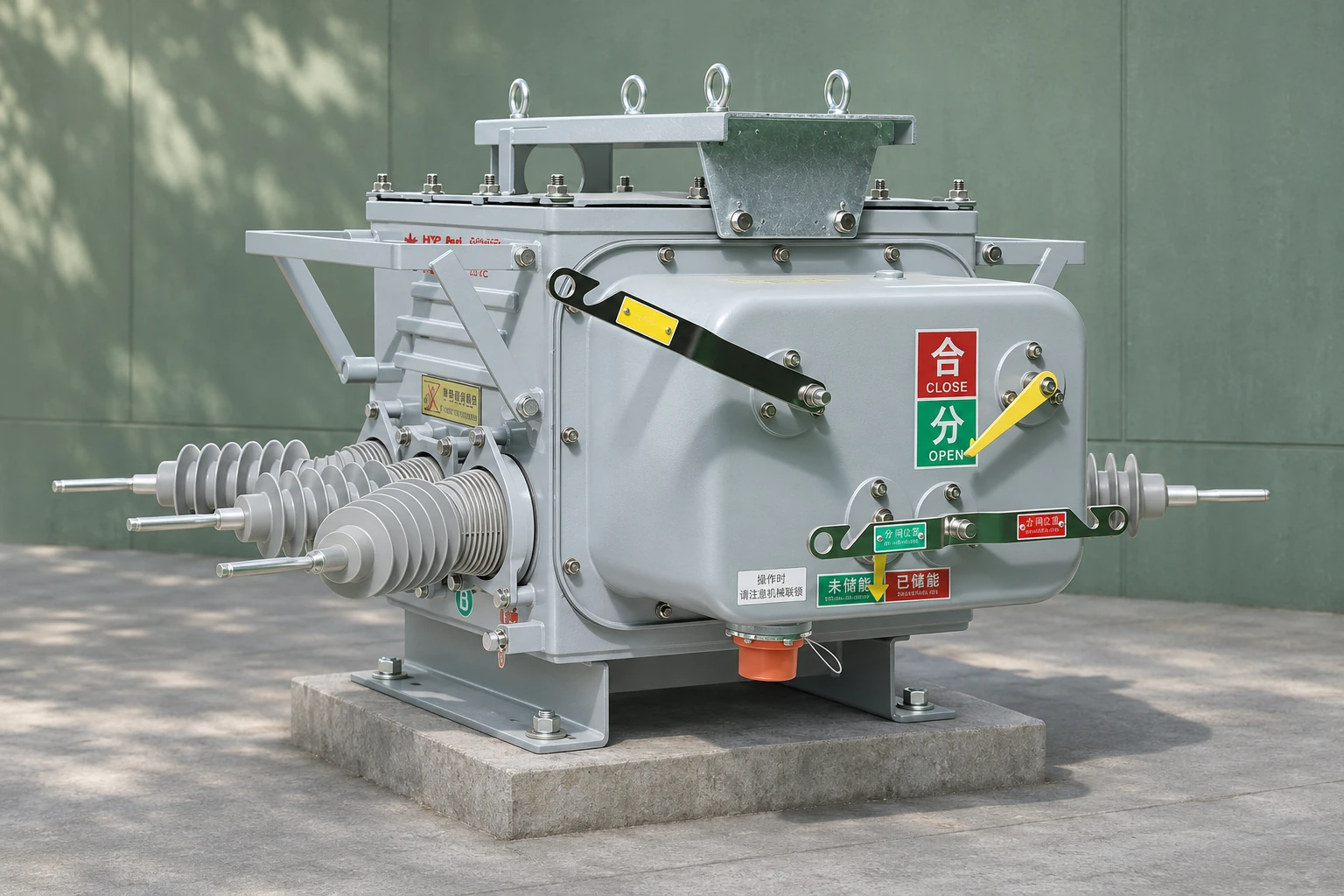
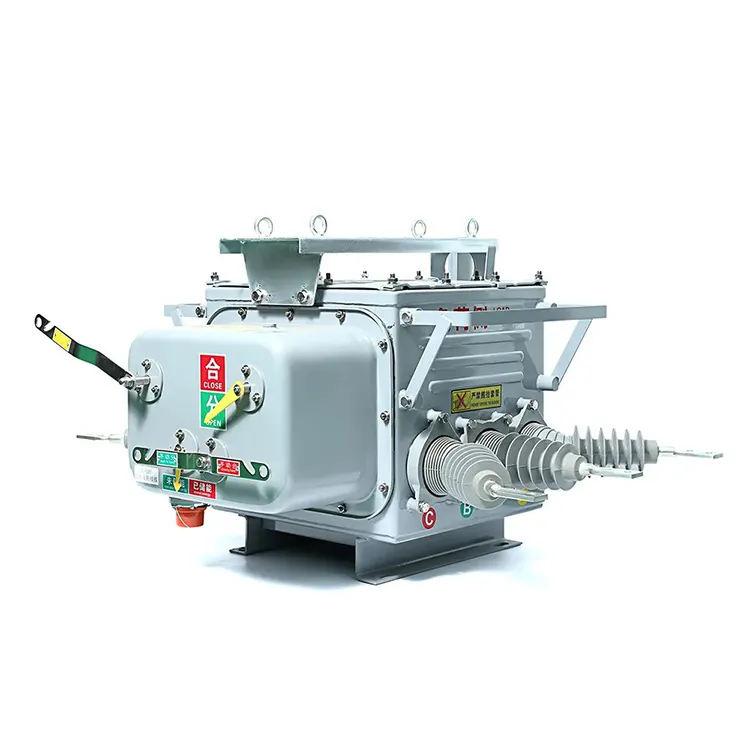
The pictured product is a medium-voltage vacuum circuit breaker, not a miniature resettable fuse. Reclosing functions should be established from the actual control scheme. The difference between a recloser and a circuit breaker explains why a breaker photograph or the word automatic cannot establish the operating sequence.
What should be checked before a tripped device is reset?
Determine what operated and why. A known overload, a short circuit, an earth fault and a control-related trip are different conditions. Review the indication and available event information under the equipment’s safe work procedure. Evidence of overheating, mechanical damage or an unresolved fault calls for assessment before restoration, not a series of trial resets.
For a PTC device, cooling and recovery depend on its design and application. Removing only the apparent load fault may not immediately return it to its normal state. For a breaker, a handle that can be reset does not certify that the contacts, mechanism or connected circuit remain fit for service after a fault. The manufacturer’s post-trip and maintenance requirements remain relevant.
| Information missing | Why replacement or resetting remains uncertain | Useful next evidence |
|---|---|---|
| Exact device identity | The interruption mechanism is unknown | Readable marking and manufacturer datasheet |
| Cause of operation | The original fault may remain | Inspection, load information and available event records |
| Electrical duty | A similar-size device may not interrupt the fault | Voltage, current type and prospective fault duty |
| Protection arrangement | The response may depend on settings or external devices | Approved protection scheme and settings record |
These checks are especially useful when several device types are grouped under one purchasing description. Dividing the stock record into fuse, breaker and PTC categories makes the remaining selection work visible instead of concealing it behind a shared name.
Which records should accompany a replacement enquiry?
Include the complete model, equipment drawing, operating voltage and AC/DC duty, current requirement, interrupting duty where relevant, and the intended protection function. Identify the existing holder or mounting interfaces. For a breaker, include the actual protection and control requirements rather than asking only for a unit with the same external dimensions.
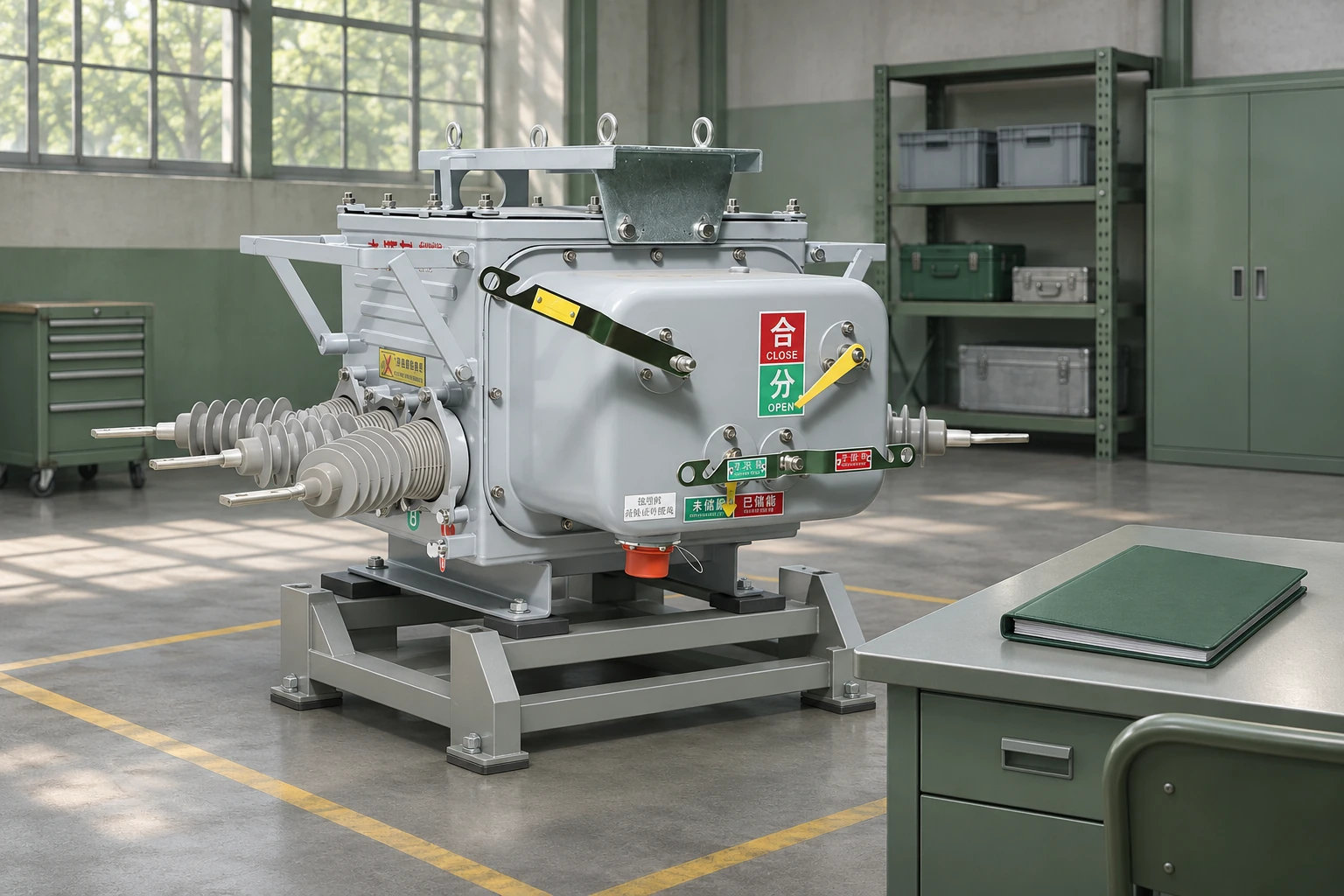
The replacement response should state what has been matched and what still requires engineering confirmation. Keep that decision with the resettable protection device record. A confirmed device type is the beginning of selection, not proof that any other member of that type is interchangeable.
Frequently asked questions
What does the term automatic fuse usually refer to?
It is an imprecise commercial expression that may refer to a circuit breaker or another resettable protection device. Identify the actual manufacturer, model and operating mechanism before interpreting it.
How can a resettable device be distinguished from a fuse?
Use the part number and manufacturer documentation to establish whether it has a replaceable fusible element, mechanically opening contacts or a temperature-dependent resistance mechanism. Appearance alone is insufficient.
Does a conventional fuse reset after operation?
No. Once its fusible element has operated, a conventional fuse needs the correct replacement element or complete fuse as its design permits. It must not be bridged or improvised.
Which markings identify the protection device type?
The manufacturer, model, device designation, electrical ratings and referenced standard are the main clues. Confirm them against the datasheet and the equipment’s approved parts information.
How does a circuit breaker differ from a fuse link?
A circuit breaker opens contacts through its trip and operating arrangement. A fuse link operates by melting its element and interrupting current within its specified fuse system. Their restoration and coordination requirements differ.
What should be checked before resetting a tripped device?
Identify the cause, establish that the circuit can be safely reenergized, and inspect or maintain the device as its instructions require. Repeated trial resetting is not a substitute for diagnosis.
Why is a commercial product name insufficient for replacement?
Names can group devices with different mechanisms, ratings and application limits. A replacement must match the actual protection function and installation requirements, not merely the seller’s label.
Which ratings must match when choosing a replacement device?
Check voltage and AC/DC duty, current, fault-interruption capability where applicable, operating characteristic, environment and physical interfaces. Breakers may additionally require matching protection, control and setting information.
References
Sources checked on 16 November 2026.
- Wikipedia — Circuit breaker: interruption and resetting
- Wikipedia — Resettable fuse: PTC operation and limitations
- Wikipedia — Fuse (electrical): construction, ratings and standards
- 29 CFR 1910.334 — Use of equipment (Cornell LII)
Summary
The name automatic fuse does not establish how a device interrupts current or how it should be restored. Identify the actual mechanism first: a conventional fusible element, a breaker with opening contacts, or a PTC device whose resistance changes. Then check the circuit duty, protection function and manufacturer’s restoration instructions. A successful reset is not evidence that the original fault has disappeared, and a matching current number is not enough for substitution. For medium-voltage projects, Fuerte’s ZW20 vacuum circuit breaker information can help identify the proposed primary assembly; the project’s protection scheme, control requirements and operating conditions must still be confirmed separately.