
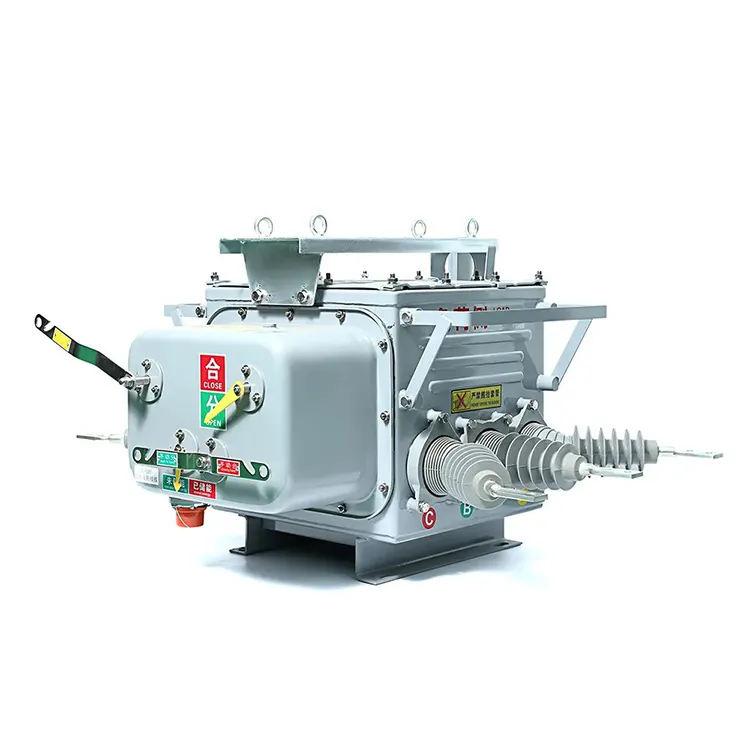
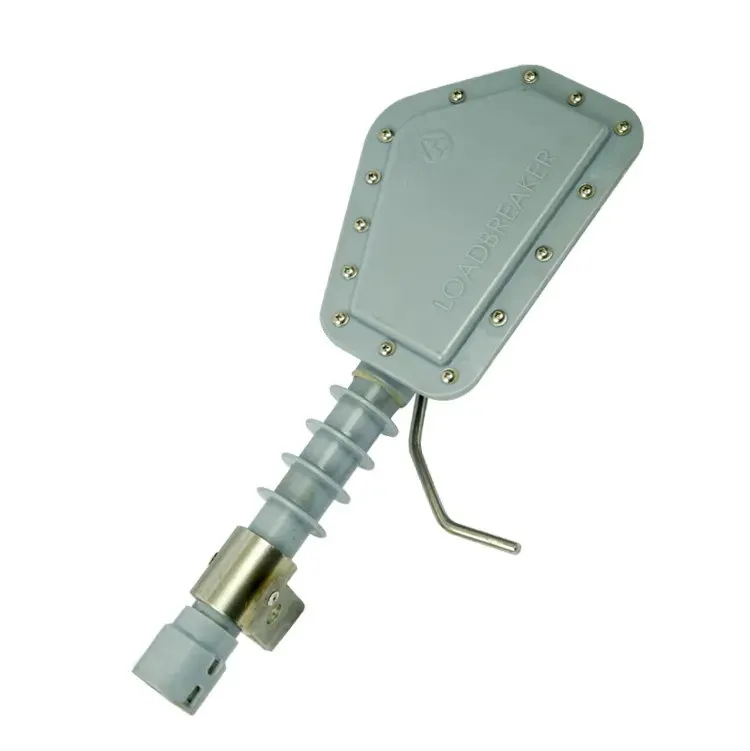


A replacement fuse can slide into a holder without being suitable for the circuit. The body may fit while the voltage rating, interrupting capacity or operating characteristic differs from the approved part. The same problem applies when replacing a block: matching its fixing holes does not confirm its terminal, thermal or electrical suitability. These mistakes are easy to overlook when a damaged component must be replaced quickly and the original part is unavailable. This guide separates the checks for the fuse, its holder and the surrounding panel, then explains what information a buyer should obtain before accepting a substitute.
A fuse block holds and connects one or more fuses; a fuse panel usually brings several protected circuits into a larger arrangement. The precise terminology varies by application. Selection must cover the complete assembly: fuse dimensions and class, circuit voltage and AC/DC duty, current and heating limits, connections, mounting and service conditions. 29 CFR 1910.303 addresses equipment suitability, interrupting ratings and electrical connections in applicable US installations. A holder’s maximum current marking is not permission to increase a circuit’s fuse rating. The protected conductors, load and coordination requirements still determine the appropriate protection.
How does a fuse block differ from a fuse panel?
A single holder supports a fuse and provides its electrical connection. A block may group several holders, while a panel can include incoming distribution, outgoing circuits, enclosures, covers and identification. Automotive, electronic and industrial equipment use these terms differently, so an enquiry should include a photograph and assembly drawing rather than relying on the product name alone.
| Item | What is being selected | Additional information needed |
|---|---|---|
| Individual fuse | Protective element in its specified package | Current, voltage, interruption duty and operating characteristic |
| Holder or block | Support, contacts and connection arrangement | Accepted fuse form, terminal limits and mounting details |
| Multi-circuit panel | Combined circuit distribution arrangement | Supply capacity, circuit loading, enclosure and assembly documentation |
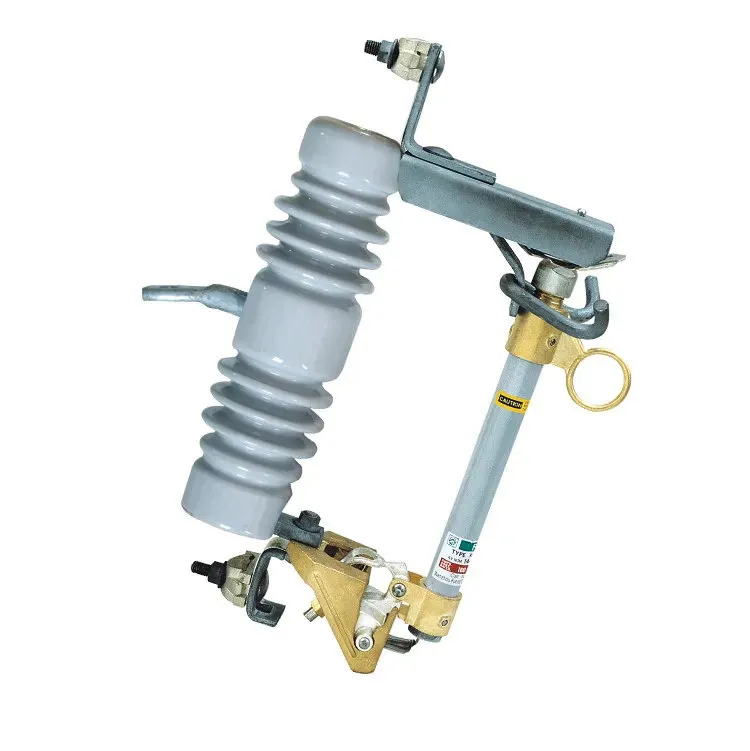
| Outdoor cutout | Fuse carrier with insulating support and operating features | System-specific link, carrier and handling requirements |
The last row is a different equipment category, included to clarify scope. An overhead cutout should not be specified using a low-voltage panel’s selection checklist alone. Conversely, its assembly rating does not describe a small blade-fuse panel.
Which ratings must agree before a replacement is accepted?
Check the fuse’s current rating, voltage rating for the actual current type, interrupting rating and time-current characteristic. Then check the block’s accepted fuse class or family, current and voltage limitations, contact arrangement and the applicable assembly requirements. Two fuses may share dimensions yet differ in fault interruption or protection response. Mechanical rejection features, where provided, must not be defeated to make another fuse fit.
A fuse panel also needs an assembly-level assessment. Adding the individual circuit ratings does not by itself establish the panel’s allowable continuous load, and a high-rated fuse does not upgrade a terminal or supply conductor. Temperature, enclosure conditions and the manufacturer’s loading instructions affect the selection. The difference between HRC fuses and fuse links is another reason to identify the protective system before comparing part numbers.
What can an outdoor cutout teach about holder compatibility?
A cutout makes the assembly issue easy to see: the replaceable protective link works with a carrier, contacts and insulating support. The complete device has functions and limitations that cannot be read from the link’s current marking alone. The same reasoning applies to a low-voltage holder, although the parts and operating procedures differ.
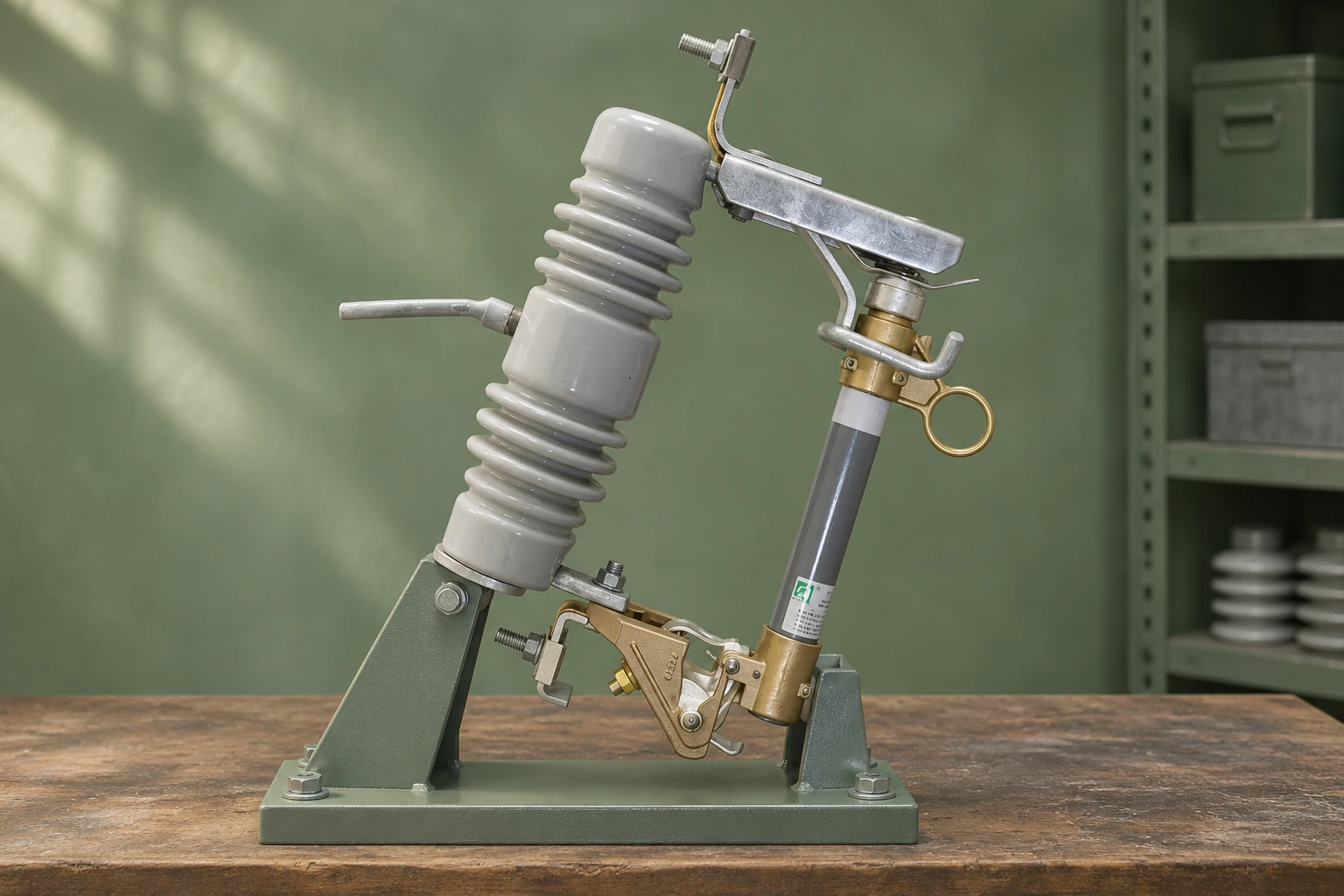
For an outdoor project, confirm the actual link-and-carrier combination and the supplier’s scope of delivery. Fuerte’s published FSC-1-2 information separates the cutout assembly from the fuse-link supply, illustrating why a quotation must state which parts are included. A purchase order for a holder or cutout should not silently assume that it includes a correctly selected protective link.
Why do loose or unsuitable terminals overheat?
A connection with excessive resistance generates heat as current flows. Loose clamping, damaged contact surfaces, incompatible conductors or incorrect preparation can all contribute, but discoloration alone cannot identify the cause. Qualified personnel should investigate the circuit and connection under the applicable safe work procedure. Replacing a fuse while leaving a damaged clip or termination in service may leave the original heating mechanism untouched.
The connection provisions of 29 CFR 1910.303 require suitable terminals and address conductor material and connection practices within their scope. Use the equipment’s specified conductor range, preparation and tightening requirements; there is no universal torque value for fuse blocks. Do not use a generic torque chart to overrule the actual terminal instructions.
| Service condition | Potential selection issue | What to confirm |
|---|---|---|
| High enclosure temperature | Different heating conditions from an open bench | Manufacturer loading and temperature limitations |
| Moisture or conductive contamination | Contact deterioration or insulation problems | Enclosure and environmental suitability |
| Vibration | Retention and connection integrity | Approved mounting and terminal arrangement |
| Different conductor material or size | Unsuitable clamp or termination | Terminal marking and preparation instructions |
A replacement should address the actual cause of damage. If a panel has repeatedly suffered hot terminals, obtain the loading history, conductor details and inspection findings before choosing a visually similar block. The absence of nuisance fuse operation is not proof that its connections are healthy.
Which contact and mounting details belong in a replacement request?
Record the original part number, accepted fuse designation, pole count, mounting dimensions, terminal orientation and conductor requirements. Include the enclosure and operating environment. For a cutout, the fuse-link matching information belongs alongside the carrier and support details, not in a separate unconnected purchasing note.
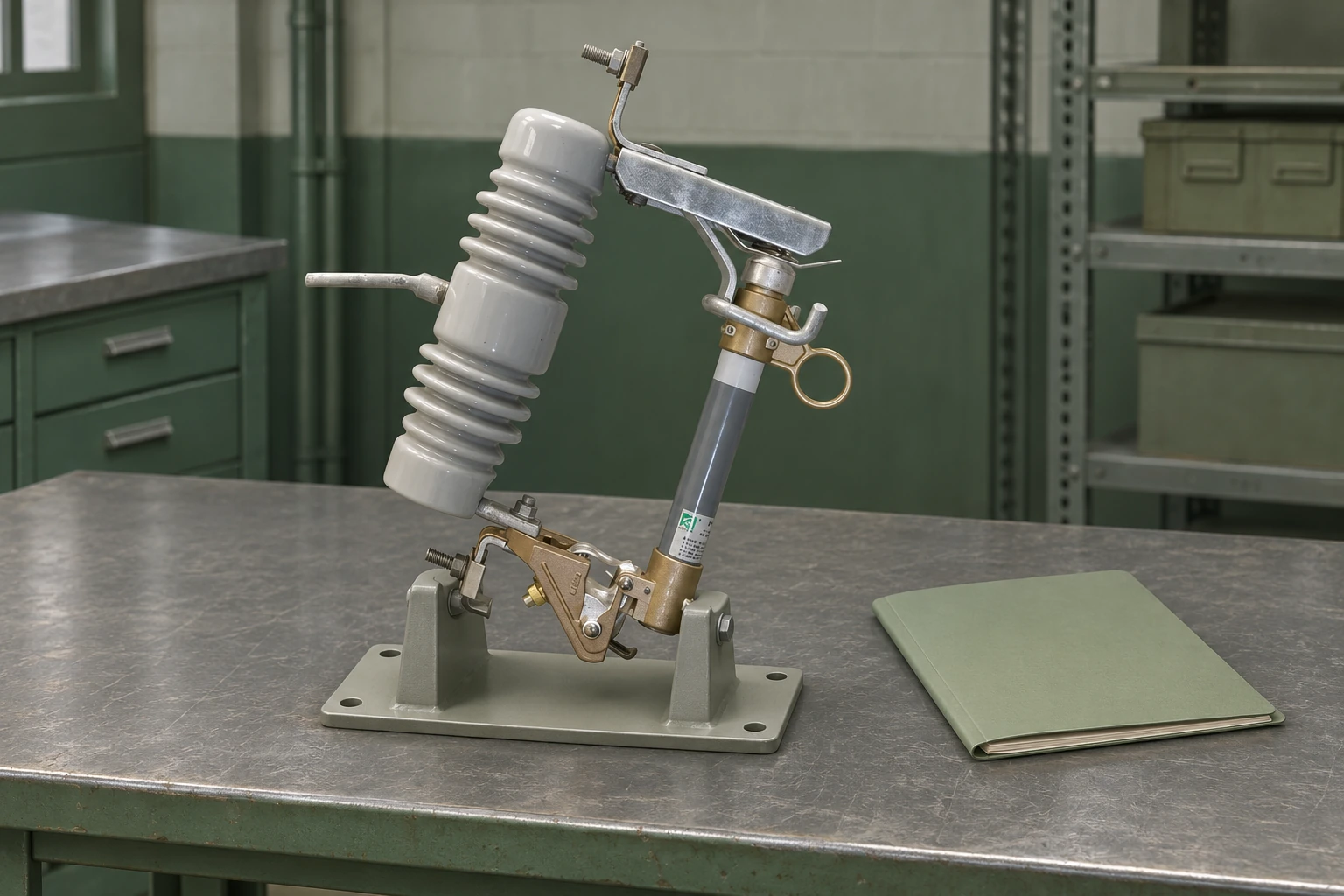
Ask the proposed supplier to identify every departure from the original design. A useful replacement review distinguishes direct dimensional agreement from electrical or thermal suitability that still needs confirmation. Keep the approved replacement fuse ratings in the maintenance record so a later change does not substitute a higher-current fuse simply because the new block accepts it.
Frequently asked questions
What is a fuse block?
A fuse block supports and electrically connects one or more fuses. Its accepted fuse forms, ratings, terminals and mounting arrangement must suit the application.
How does a fuse panel differ from a single fuse holder?
A panel generally combines several protected circuits and their distribution arrangement. A single holder supports one fuse. Because terminology varies, check the assembly drawing and scope of supply.
Which fuse dimensions must match the block?
Check the body length and diameter or width, contact form, blade or ferrule dimensions, any rejection features and the required insertion or removal clearance.
What voltage and current ratings should be checked?
Check both fuse and holder limits, including the applicable AC or DC voltage, current, interrupting duty and assembly conditions. The fuse must also protect the actual circuit correctly.
Why can a loose terminal cause heating?
A poor connection can increase contact resistance, producing local heating under load. The cause may involve clamping, conductor compatibility or damaged surfaces and should be investigated under the proper safe work procedure.
How do environmental conditions affect fuse panel selection?
Temperature, moisture, contamination and vibration can affect heating, insulation, retention and contacts. Select the enclosure and assembly using documented service conditions rather than appearance alone.
What should be checked when replacing a fuse block?
Check the original part and fuse family, electrical ratings, mounting, terminals, conductor requirements, environment and the reason for failure. Record any differences in the proposed substitute.
Can a higher-rated fuse be fitted just because the holder accepts it?
No. Physical acceptance does not establish protection suitability. Increasing the rating can leave conductors or equipment inadequately protected and requires an appropriate engineering assessment.
References
Sources checked on 16 November 2026.
- 29 CFR 1910.303 — Electrical installation requirements (Cornell LII)
- 29 CFR 1910.333 — Selection and use of work practices (Cornell LII)
- Wikipedia — Fuse (electrical): construction, ratings and standards
Summary
A successful replacement matches the circuit, the fuse and the assembly that holds it. Begin with the approved fuse designation and electrical duty, then check the holder’s contacts, conductor limits and mounting arrangement. Review the enclosure and service conditions before accepting an apparently interchangeable block. If there is heat damage, investigate the connection and loading instead of assuming that a fresh fuse will solve it. The same assembly-level discipline applies to outdoor distribution equipment, although its operating procedures are different. Fuerte’s outdoor fuse cutouts can be reviewed with the required link, carrier, accessories and service conditions stated together, so the quotation identifies a complete and clearly defined supply.