
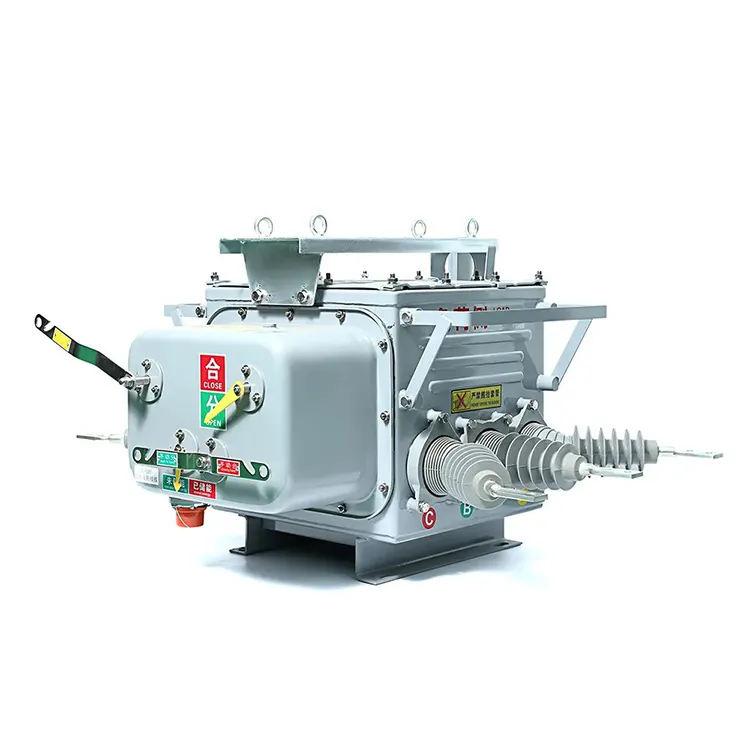
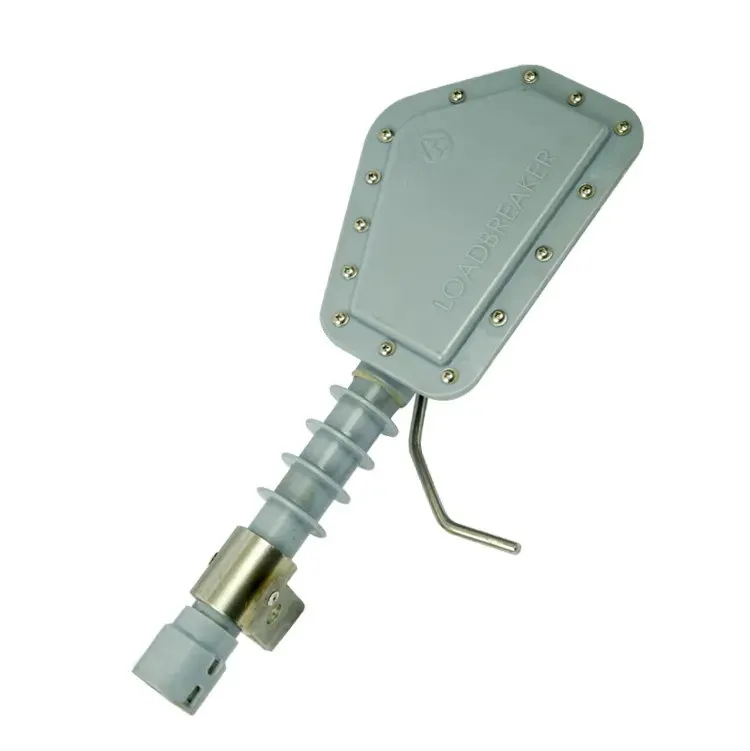


A mobile substation can reach a site before the site is ready to receive it. An unsuitable access route, an unresolved cable termination or missing protection information can delay temporary supply just as effectively as late equipment delivery. That is why deployment planning must begin at both ends: the transportable equipment and the receiving installation. The useful question is not simply how quickly a unit can be dispatched. It is whether its ratings, connections and operating requirements match a prepared site, with the necessary studies, work arrangements and checks completed before energization. Temporary duty still needs a complete electrical specification.
A mobile substation packages the required substation functions into transportable equipment, sometimes across more than one unit. It can provide temporary capacity during an outage, planned work or other supply need where the design suits the application. The substation reference describes trailer-mounted arrangements and transport constraints. Mobility changes deployment and physical interfaces; it does not remove requirements for adequate ratings, grounding, protection or controlled commissioning. Confirm the receiving site’s system conditions and connection details before treating an available mobile unit as a suitable replacement for permanent equipment.
When is a mobile substation useful?
A mobile substation may support restoration, planned maintenance or an interim capacity requirement. The duty should be defined in terms of the circuits and loads to be served, the expected duration and the operating configurations. An emergency need makes early preparation more valuable, not less necessary.
| Use case | Main planning question | Preparation that matters |
|---|---|---|
| Unplanned equipment outage | Which loads and interfaces must be restored? | Known site data and an approved connection approach |
| Planned maintenance | What service must remain available during the work? | Outage sequence and protection arrangements |
| Interim capacity | What demand and duration must be supported? | Loading, cooling and operational responsibilities |
| Relocatable deployment | Which features vary between receiving sites? | Site-specific interface and transport reviews |
The required functions still follow the role of a substation in the network. A transportable transformer alone may not include all switching, auxiliary and protection functions needed for a particular installation.
Which site interfaces can delay deployment?
Check connection voltages, available fault conditions, conductor or cable arrangements, termination details, mounting provisions and control supplies. The drawings should identify what is supplied with the mobile package and what the receiving site must provide. A connector that looks similar is not an approved interface.
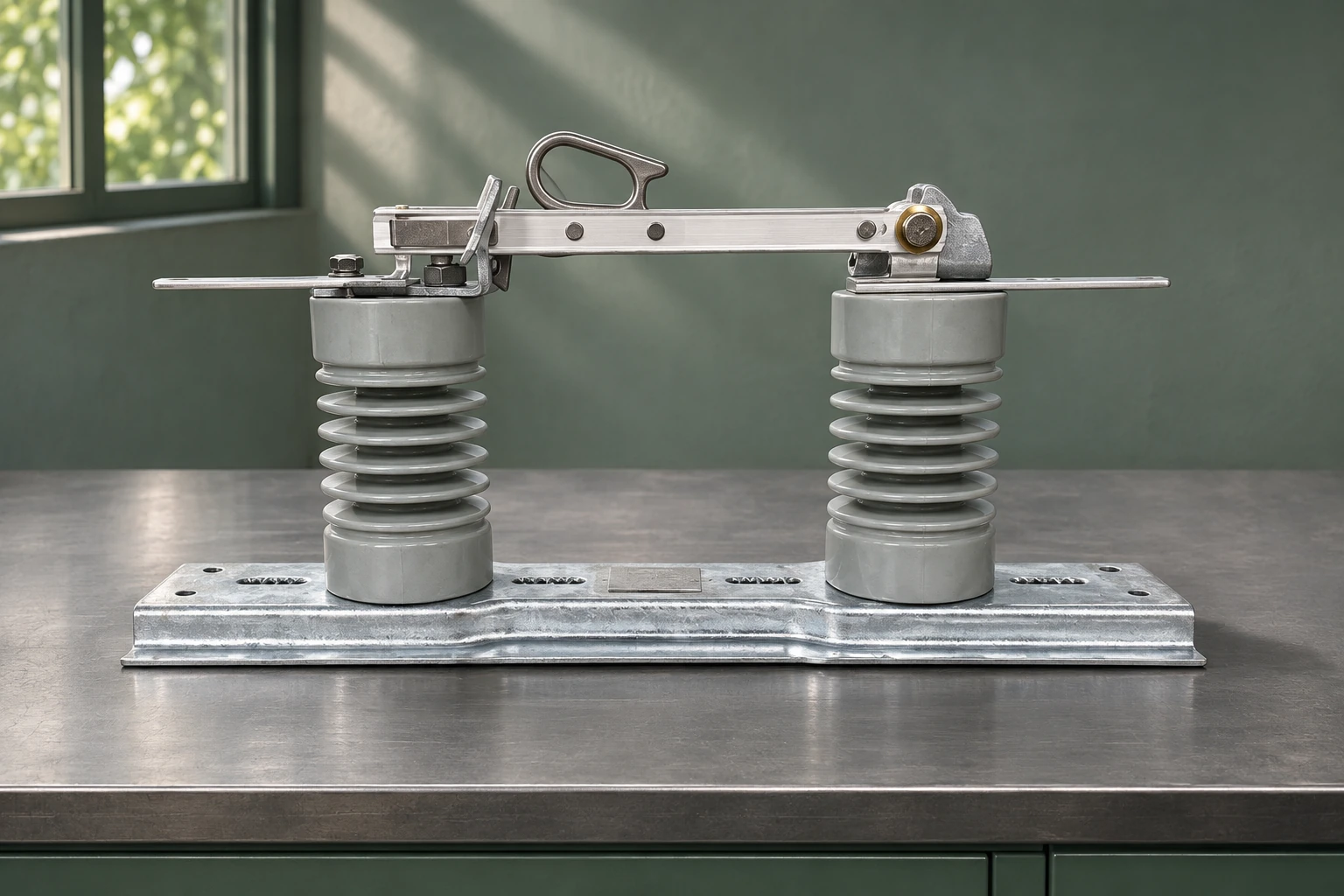
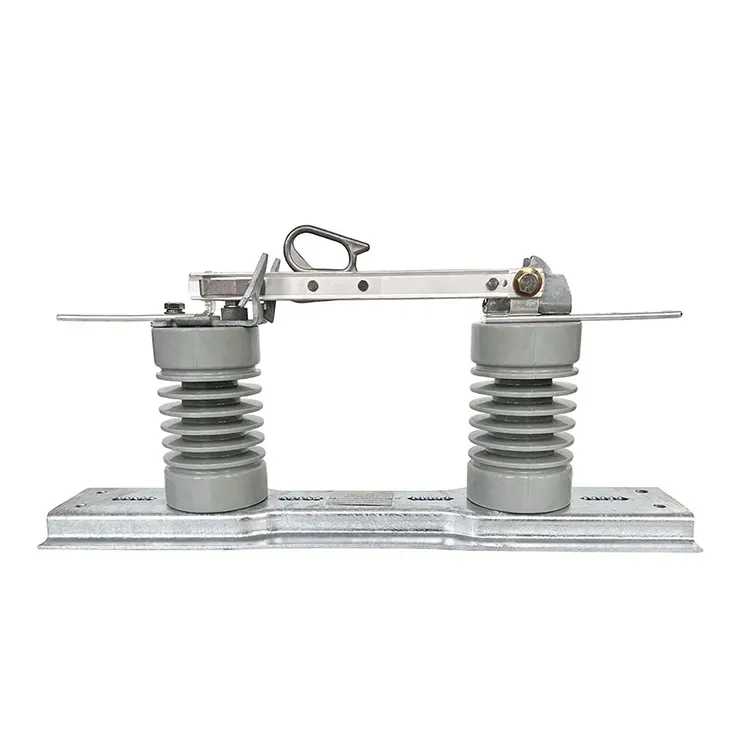
The illustrated disconnector is an equipment-interface example, not a complete mobile station. Its visible terminals and support explain why actual equipment drawings matter. A disconnector specification should state the required isolation and any documented switching duties; the term ‘temporary’ does not change those boundaries.
What transport and installation limits need checking?
Review the transport dimensions and mass with the route, permits, road and bridge restrictions, site entrance and handling arrangements. Confirm the delivered configuration rather than using an outline from a different unit. Where equipment travels in separate modules, identify the assembly work and supporting facilities required at the destination.
The receiving area also needs suitable support, drainage and access for the intended deployment. A route suitable for delivery does not necessarily provide a maintenance or removal route after cables and temporary works have been installed. Capture both requirements in the site preparation plan.
How should grounding and protection be addressed?
The temporary installation needs an engineered grounding and bonding arrangement appropriate to its fault conditions and site. It should interface with the receiving installation as designed. Grounding is not established by attaching an unspecified earth lead to a convenient metal structure.
29 CFR 1910.269 provides the US electric-power-work context for qualified personnel and applicable work controls. 29 CFR 1910.303 addresses installation suitability and ratings. Their application depends on jurisdiction and scope; the actual project also needs its utility requirements and approved procedures.
| Readiness item | Evidence to establish | Responsible interface |
|---|---|---|
| Electrical match | Approved ratings and system-study inputs | Equipment owner and system designer |
| Connections | Approved termination and physical interface details | Supplier and receiving-site team |
| Grounding and bonding | Site-specific design and installation checks | Responsible engineer and installation team |
| Protection and control | Settings, supplies, signals and functional requirements | Protection and operations teams |
| Work and commissioning | Approved sequence, records and acceptance requirements | Site authority and commissioning team |
What must be ready before energization?
Reconcile the as-installed equipment and connections with the approved documents. Complete the required inspection, testing and functional checks, and resolve deviations through the responsible team. The energization decision should follow the site’s approved process, not an assumption that factory testing covers every site interface.
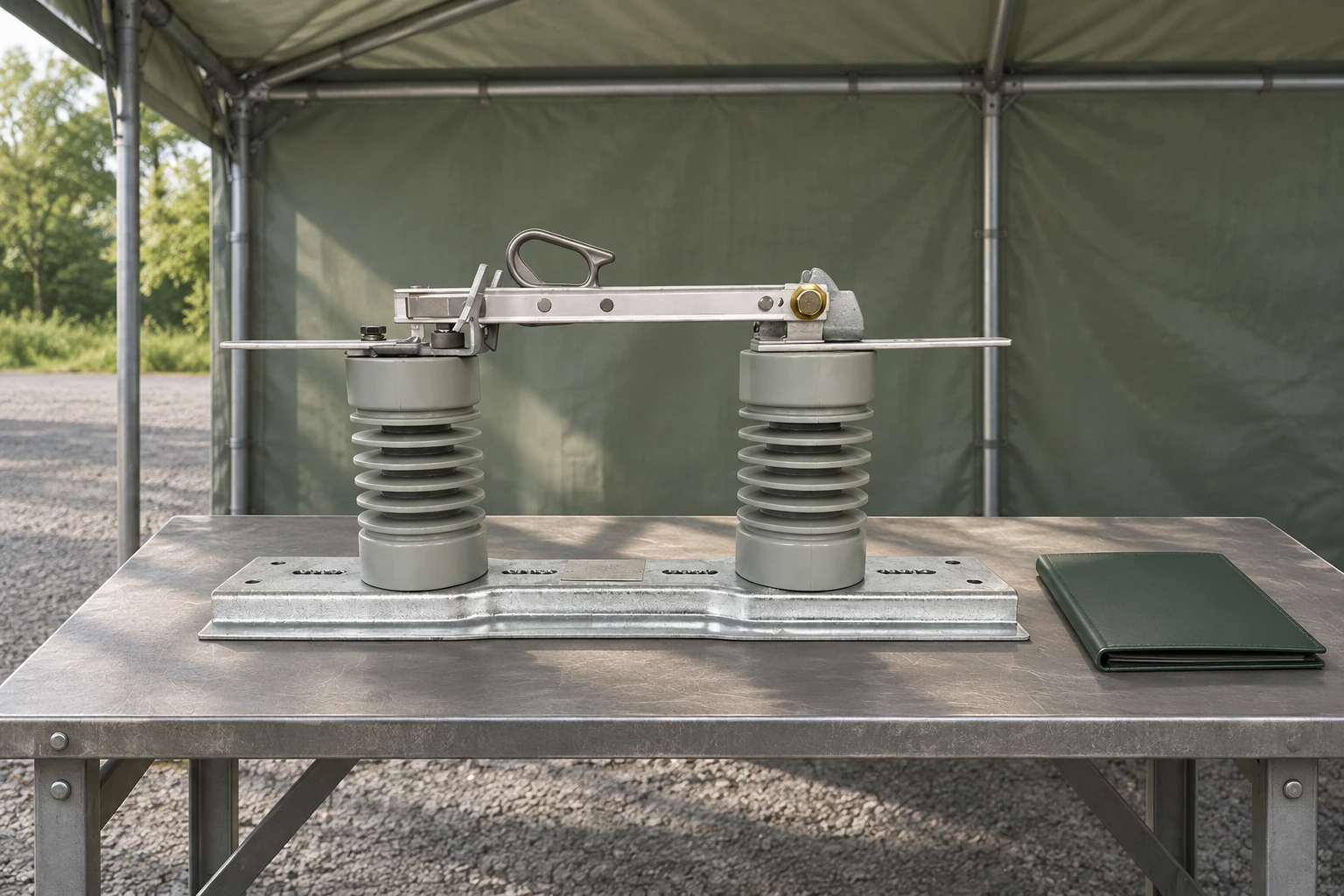
equipment document control is particularly useful when a unit moves between sites. Keep the permanent equipment information separate from the current site’s connections and settings so that a previous deployment’s configuration is not mistaken for the new one.
Frequently asked questions
What is a mobile substation?
It is a transportable arrangement providing the substation functions needed for its intended duty. Equipment may be supplied on a trailer or in multiple transportable units, depending on the design.
When is a mobile substation used?
Typical uses include outage restoration, planned maintenance support and interim capacity needs. Suitability depends on the receiving site’s electrical and physical requirements.
How does temporary duty affect equipment selection?
The duration and operating pattern affect planning, but temporary equipment still needs adequate electrical, mechanical and environmental duties. Do not waive required protection or installation checks because the deployment is short.
What transport limits need to be checked?
Check actual dimensions and mass, route restrictions, permits, entrances, handling arrangements and delivery configuration. Confirm the receiving site’s access and removal routes as well.
Which cable and bus interfaces must match the site?
Confirm voltage, current and fault duties together with termination geometry, conductor details and the approved connection arrangement. Identify which components belong to the mobile package and which the site supplies.
How is grounding arranged for a temporary installation?
It must follow a site-specific engineered arrangement considering the system and fault conditions. Installation and verification should be performed under the applicable procedures by the responsible personnel.
What preparation is needed before energization?
Complete the approved site preparation, interface checks, protection configuration and required inspection and testing. Resolve deviations and obtain energization authority through the site’s established process.
How does a mobile substation differ from a permanent installation?
A mobile installation is designed around transport and repeated or temporary deployment. Its receiving-site interfaces require explicit review, while core requirements for ratings, protection and safe operation still apply.
References
Sources checked on 9 November 2026.
- Wikipedia — Electrical substation: functions and design
- 29 CFR 1910.269 — Electric power generation, transmission and distribution (Cornell LII)
- 29 CFR 1910.303 — Electrical installation requirements (Cornell LII)
Summary
A mobile substation provides useful flexibility only when the receiving installation is prepared for it. Start with the load and system conditions, then confirm transport, site support and actual connection interfaces. Establish the grounding and protection arrangements and carry the approved configuration through commissioning. Delivery speed cannot compensate for an unresolved terminal, missing setting or unsuitable access route. Keep each deployment’s records separate from assumptions carried over from the previous site. Fuerte’s isolating switches may be evaluated where a defined external isolation function is required, with the actual model and mounting information reviewed by the project team. They are individual components, not an offer of a complete mobile substation.