
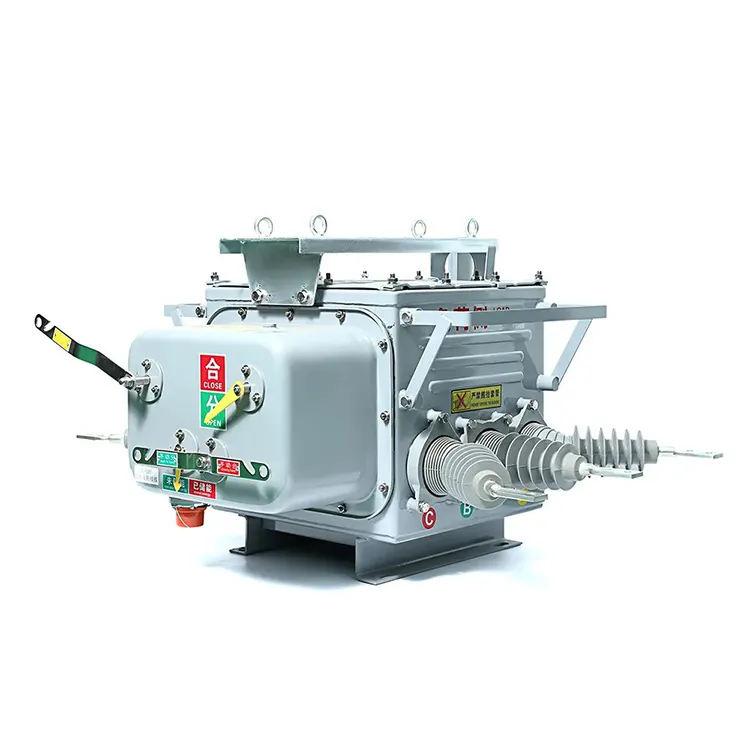
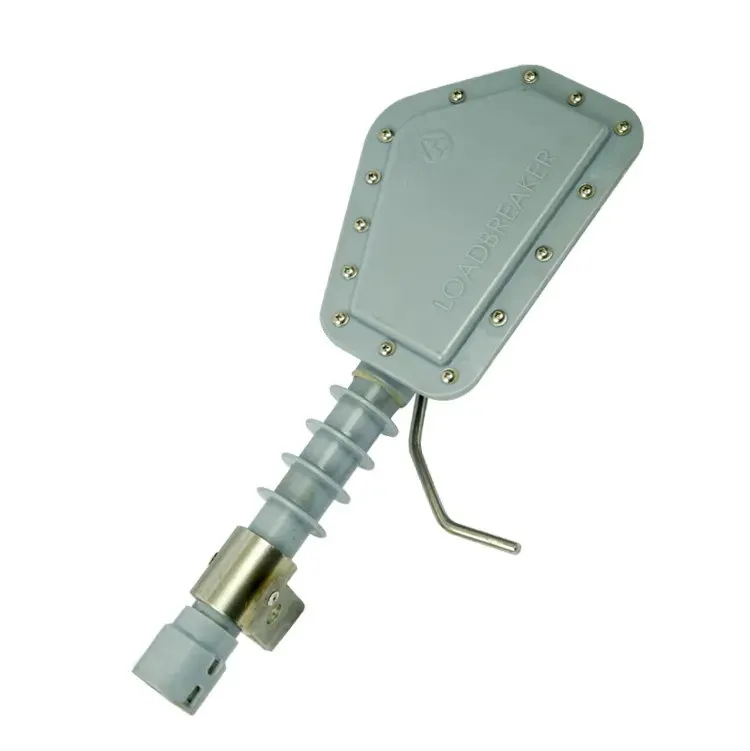


A fenced compound containing electrical equipment is often called a substation, but its purpose cannot be inferred from the fence or the largest visible item. Some stations change voltage; others mainly connect and switch circuits. Confusing these functions can produce an equipment enquiry that includes a transformer without defining the network duty, or a switching arrangement without the protection needed for the connected circuits. The first question is what the station must do for the power system. From that answer follow its voltage levels, incoming and outgoing circuits, switching duties and the equipment required to keep those functions coordinated.
An electrical substation is a point in a power system where circuits are connected, switched, protected and often transformed between voltage levels. A transformer is therefore common, but not mandatory in every station. The US Energy Information Administration describes substations and transformers as part of the network that delivers electricity from generation to consumers. A distribution substation supplies downstream distribution circuits; a transmission station may connect bulk-power lines or transform between network levels. Before specifying one, establish the electrical function and network data rather than starting with a generic equipment list.
Why does the grid need substations?
Power networks must connect generation and demand across different distances and operating conditions. EIA’s explanation of electricity delivery describes voltage being increased for efficient long-distance transmission and reduced as electricity moves toward consumers. Substations provide locations for those transformations and for switching and protection.
A power substation also creates defined points at which circuits can be controlled and monitored. The arrangement determines what can remain in service when equipment is unavailable. Those decisions concern the connected network and operating policy, not only the rating of a transformer.
Does every electrical substation have a transformer?
No. A switching station may connect circuits at the same voltage without a power transformer. The electrical substation overview distinguishes switching functions from voltage transformation. Instrument transformers used for measurement are not the same as power transformers transferring substantial power between voltage levels.
| Station function | Main purpose | What must be established |
|---|---|---|
| Voltage transformation | Connect network sections operating at different voltage levels | Voltage ratio, power requirement and system conditions |
| Switching | Connect, disconnect or rearrange circuits | Permitted operating arrangements and switching duties |
| Protection | Detect faults and initiate their interruption | Fault levels, measurement inputs and protection coordination |
| Distribution supply | Feed downstream circuits serving loads | Feeder demand, network arrangement and continuity requirements |
Which equipment switches and protects a circuit?
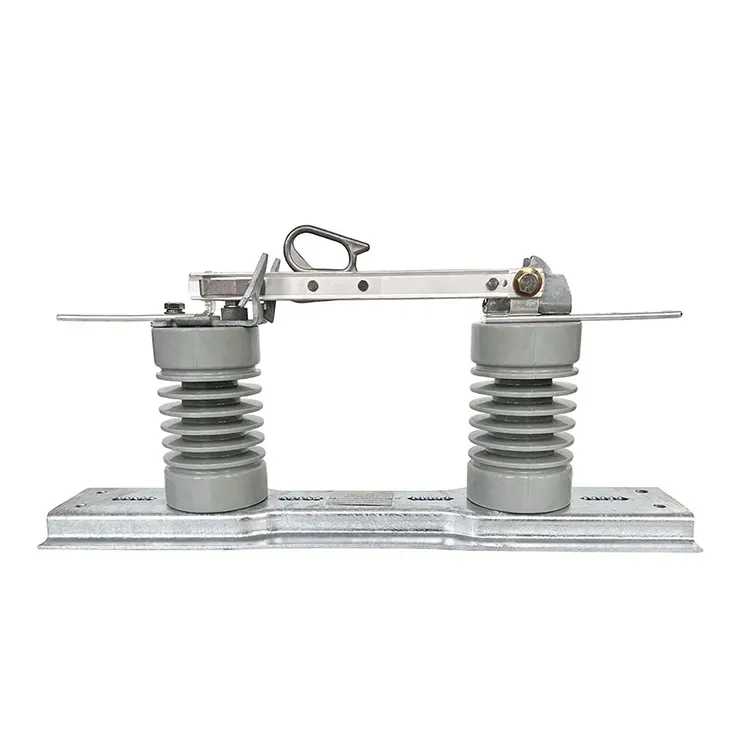
A circuit breaker performs switching and, within its specified capability, interrupts fault current. A protection system decides when tripping is required using the relevant measurement inputs. A disconnector provides an isolation function within its declared duties; it must not be assumed to interrupt fault or load current like a breaker. The distinction is explained in the guide to disconnectors and isolators.
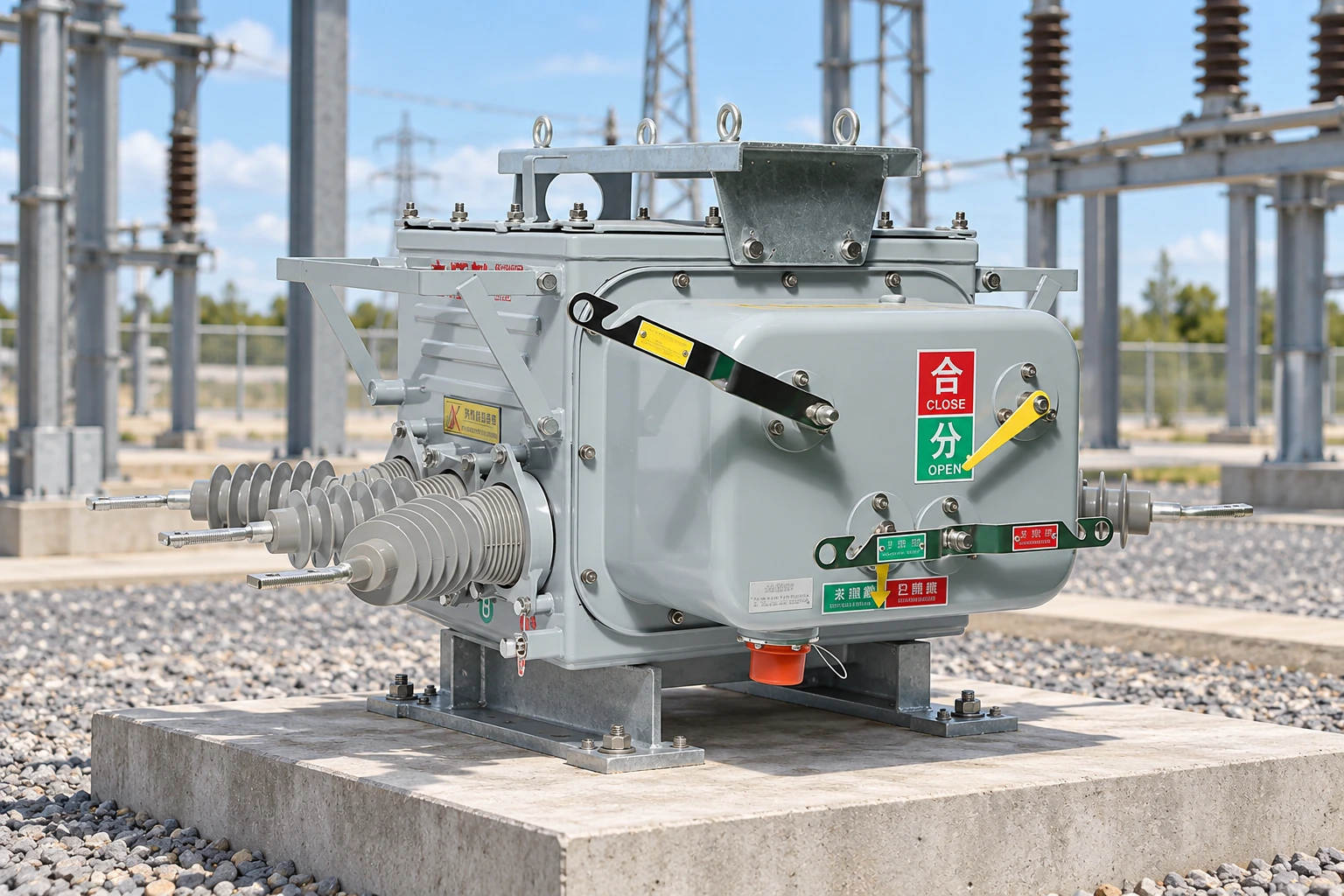
The pictured medium-voltage vacuum circuit breaker represents one equipment category. It is not a complete substation, and its presence in an illustration does not make it suitable for every transmission or distribution duty. Equipment selection needs the actual system conditions and the manufacturer’s applicable data.
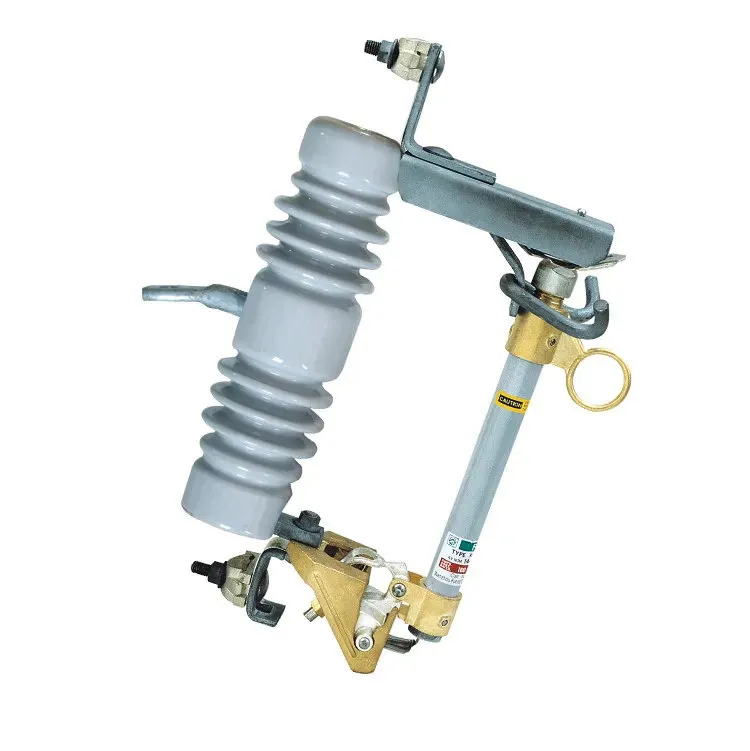
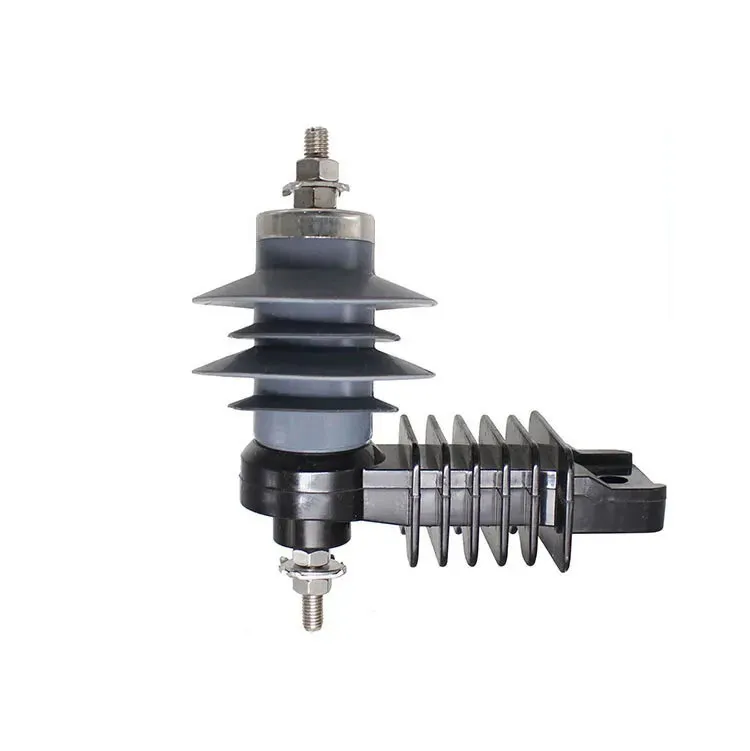
Other equipment has different responsibilities. Busbars connect circuits; instrument transformers supply measurement signals; surge arresters limit specified overvoltages. An arrester does not replace fault interruption or protection coordination. For that boundary, see substation surge-protection scope.
Where does a distribution substation fit in the network?
A distribution substation supplies the network that serves downstream loads. It may reduce voltage from an upstream network and divide supply among feeders. Further transformation can occur closer to consumers. The exact naming, voltage classes and ownership boundary depend on the utility and jurisdiction; there is no single worldwide voltage that makes a station ‘distribution’.
The US Department of Energy’s explanation of interconnections places individual stations within larger connected systems. A station’s decisions can therefore depend on conditions beyond its fence, including upstream fault contribution, downstream load and the utility’s operating requirements.
What information is needed before specifying a substation?
An equipment list should follow an agreed design basis. At minimum, define the station’s network function, voltage levels, expected demand, available fault current, reliability requirements and site conditions. A single-line diagram then establishes the electrical arrangement; layout and equipment documents develop its physical implementation.
| Input | Question it answers | Typical consequence |
|---|---|---|
| Network connection and voltage | What must the station connect? | Equipment class and transformation needs |
| Load and future demand | How much power must it serve? | Capacity and expansion planning |
| Fault-current study | What fault duty can occur? | Interrupting and withstand requirements |
| Operating and maintenance policy | What may be taken out of service? | Circuit arrangement and isolation provisions |
| Site and environmental data | What physical conditions must be accommodated? | Equipment suitability, access and civil requirements |
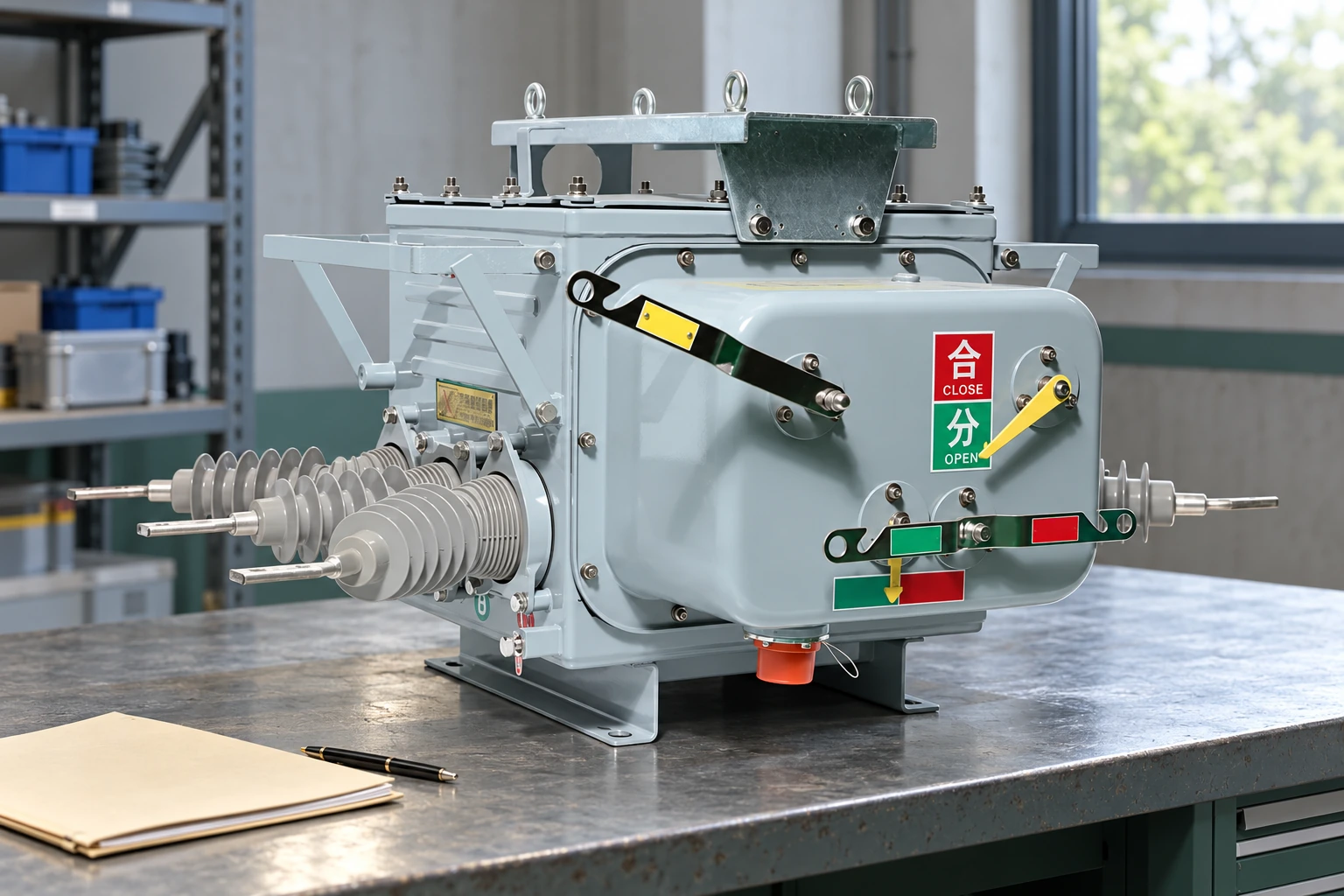
For breaker enquiries, a medium-voltage circuit breaker selection review should follow those system inputs. A product’s voltage class or visible shape alone does not establish its suitability.
In US workplace applications, 29 CFR 1910.303 includes requirements concerning sufficient interrupting rating and access to equipment. It is one regulatory context, not a complete substation design standard or proof of product certification. The responsible designer must identify the applicable utility, product and installation requirements for the project.
Frequently asked questions
What is an electrical substation?
It is a power-system facility used to connect, switch, protect and often transform electrical circuits. Its exact equipment depends on the network function it must perform.
Why are substations needed in a power system?
They provide controlled connection points, voltage transformation where needed, and facilities for circuit protection and operation. This allows different parts of the network to serve their intended transmission or distribution roles.
Does every substation contain a power transformer?
No. A switching station can connect circuits at the same voltage without a power transformer. Measurement equipment called an instrument transformer serves a different purpose.
How is a substation different from a switchyard?
A switchyard usually describes the area containing switching equipment, busbars and associated circuits. It can form part of a substation, while a substation may also include transformers, control facilities and other equipment.
What are the main types of substations?
Common descriptions include transmission, distribution, switching and converter substations. These names describe different functions and can overlap; the actual network duty is more informative than the label alone.
What equipment switches and protects substation circuits?
Circuit breakers carry out specified switching and interruption duties, while protection relays and measurement systems identify conditions requiring a trip. Disconnectors provide a different isolation function and are not general substitutes for breakers.
Where does a distribution substation fit in the grid?
It connects the upstream supply to downstream distribution circuits. Additional transformers may reduce voltage again closer to consumers, depending on the network arrangement.
What information is needed before specifying a new substation?
Start with network function, voltage levels, load, fault-current data, operating requirements and site conditions. These inputs support the single-line diagram and subsequent equipment specifications.
References
Sources checked on 2 November 2026.
- US Energy Information Administration — Delivery of electricity to consumers
- US Department of Energy — Learn More About Interconnections
- Wikipedia — Electrical substation: functions and design
- 29 CFR 1910.303 — Electrical installation requirements (Cornell LII)
Summary
A substation is defined by its job in the network, not by a standard collection of equipment. Establish whether it must transform voltage, switch circuits, supply feeders or combine those functions. Next confirm the system data and the intended operating arrangement, then select equipment with the required duties and interfaces. A breaker, disconnector, instrument transformer and surge arrester each solve a different problem; none should be selected as a substitute for another. Project requirements and the applicable regulations still govern the complete installation. Fuerte’s vacuum circuit breaker range addresses one part of a medium-voltage equipment enquiry. Provide the system and protection requirements when requesting a model-specific proposal.