


A steel bracket and a copper conductor both conduct electricity, but they are usually selected for different jobs. Replacing one metal with another on the basis of strength, price or appearance can change resistance and heating even when the dimensions remain the same. The reverse mistake is to choose every metallic part for maximum conductivity when some parts mainly provide mechanical support. The decision depends on the intended current path, the joint design and the operating conditions. Comparing bulk material properties is a useful first step; checking how the complete connection behaves is what makes that comparison useful in equipment selection.
Copper is a good electrical conductor because its resistivity is relatively low. Iron and steel also conduct, but representative values in OpenStax are higher than copper’s. For the same length and cross-sectional area, higher resistivity means higher resistance; at the same current, that increases resistive heating. Steel is not one fixed composition, so a generic steel value is an example rather than a procurement specification. Material choice should therefore begin with the current-carrying or structural function, then account for dimensions, temperature, mechanical duty and the terminal system approved for the connection.
How much better does copper conduct than iron or steel?
OpenStax’s resistivity table lists the following representative values at 20°C. They compare bulk materials, not assembled switch contacts, plated parts or a supplier’s particular alloy.
| Material | Representative resistivity at 20°C | Meaning for equal length and area |
|---|---|---|
| Copper | 1.68 × 10⁻⁸ Ω·m | Lowest resistance of these three examples |
| Iron | 9.71 × 10⁻⁸ Ω·m | About 5.8 times the copper example |
| Steel | 20.00 × 10⁻⁸ Ω·m | About 11.9 times the copper example; actual alloys vary |
The ratios are calculated from that table and apply only to the stated comparison. They are not temperature-rise predictions. For an explanation of units and the reciprocal relationship between the quantities, see conductivity and resistivity.
How does resistance turn into heat?
For a uniform conductor, R = ρL/A: resistance increases with length and resistivity and decreases with cross-sectional area. Resistive power loss is P = I²R. A connection with greater resistance therefore dissipates more heat at the same current. That does not tell the final operating temperature, which also depends on heat transfer, ambient conditions, enclosure and duty.
As an illustrative calculation, a 0.5 m length with a 100 mm² cross section has a resistance of about 84 micro-ohms using the table’s copper value. At 100 A, its calculated resistive loss is 0.84 W. Using the representative steel value gives 1,000 micro-ohms and 10 W. These calculations exclude joints, temperature change and AC effects; they do not establish an acceptable current rating.
Why does the whole connection matter more than a metal name?
A current path includes interfaces as well as bulk metal. Contact pressure, surface condition, terminal geometry and assembly instructions can affect connection resistance. A visually substantial metal part is not necessarily the principal conductor, and a silver-coloured surface does not identify its underlying alloy.
US OSHA’s electrical installation requirements in 29 CFR 1910.303 address terminals suitable for their conductor materials and restrict mixing dissimilar metals unless the connectors are identified for that use. This is a US workplace rule, not a universal product approval. Its practical lesson is applicable to procurement: a proposed metal substitution must include terminal compatibility, not just a conductivity table.
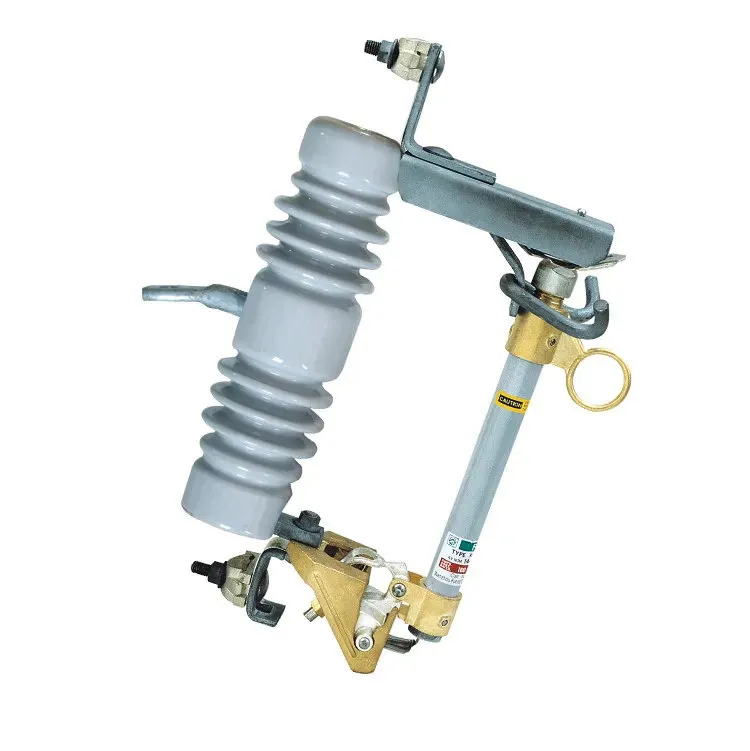
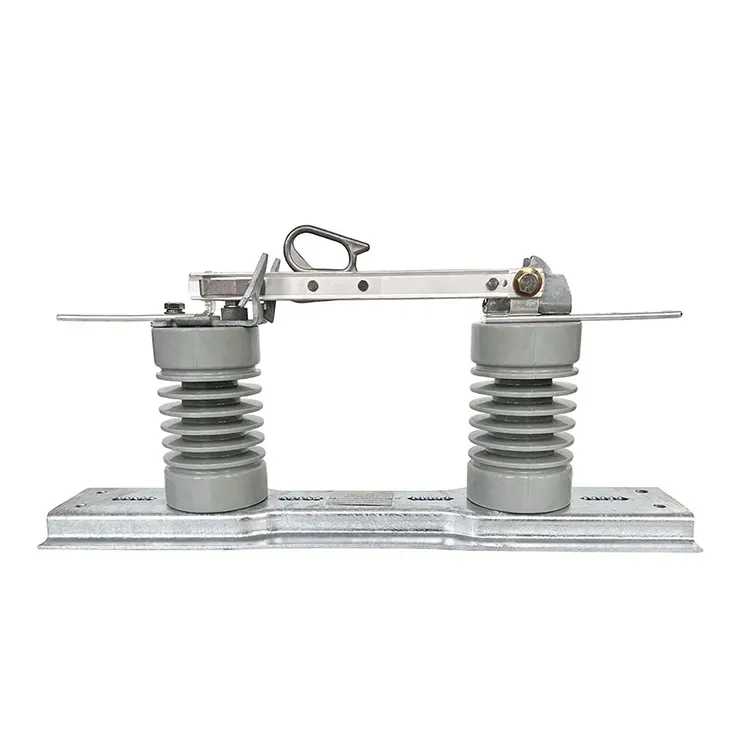
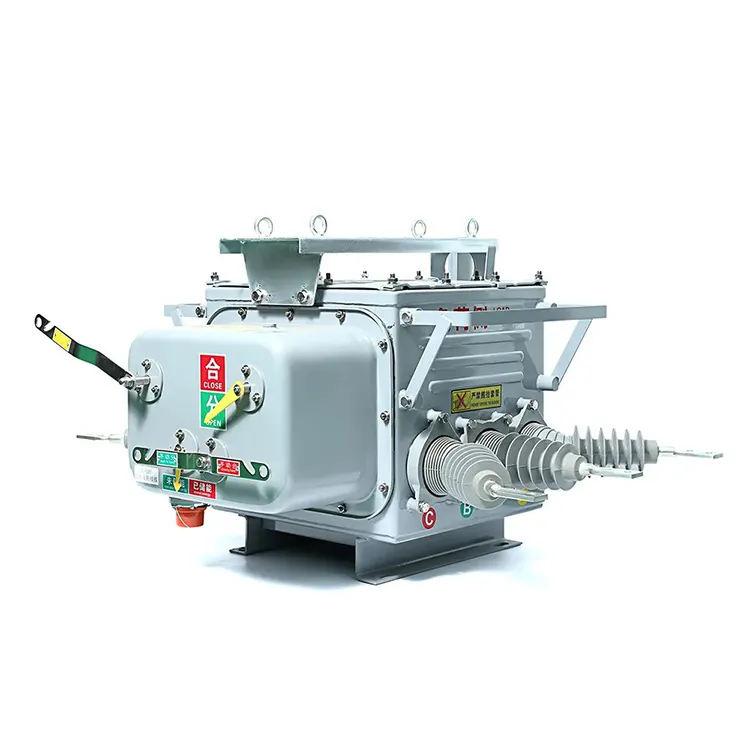
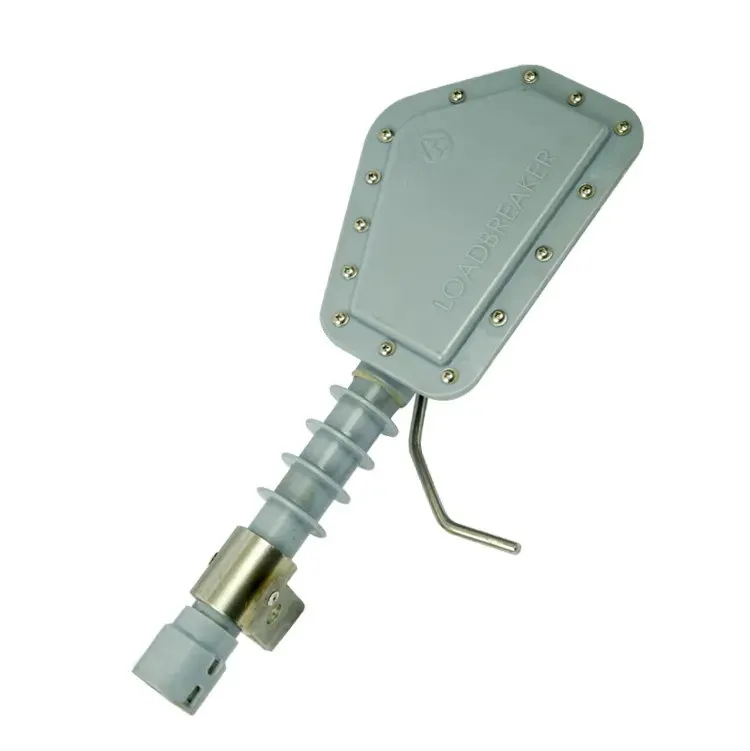
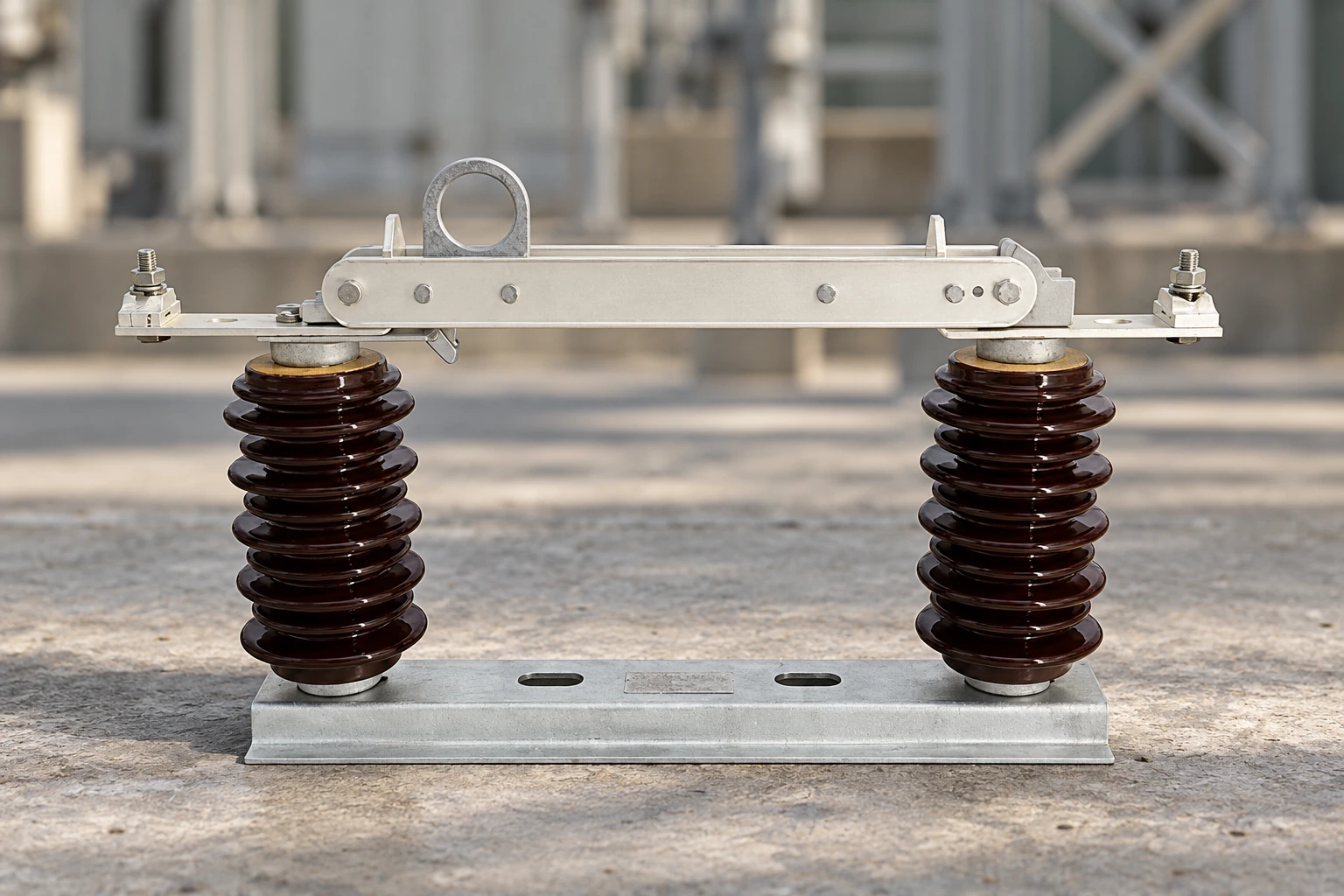
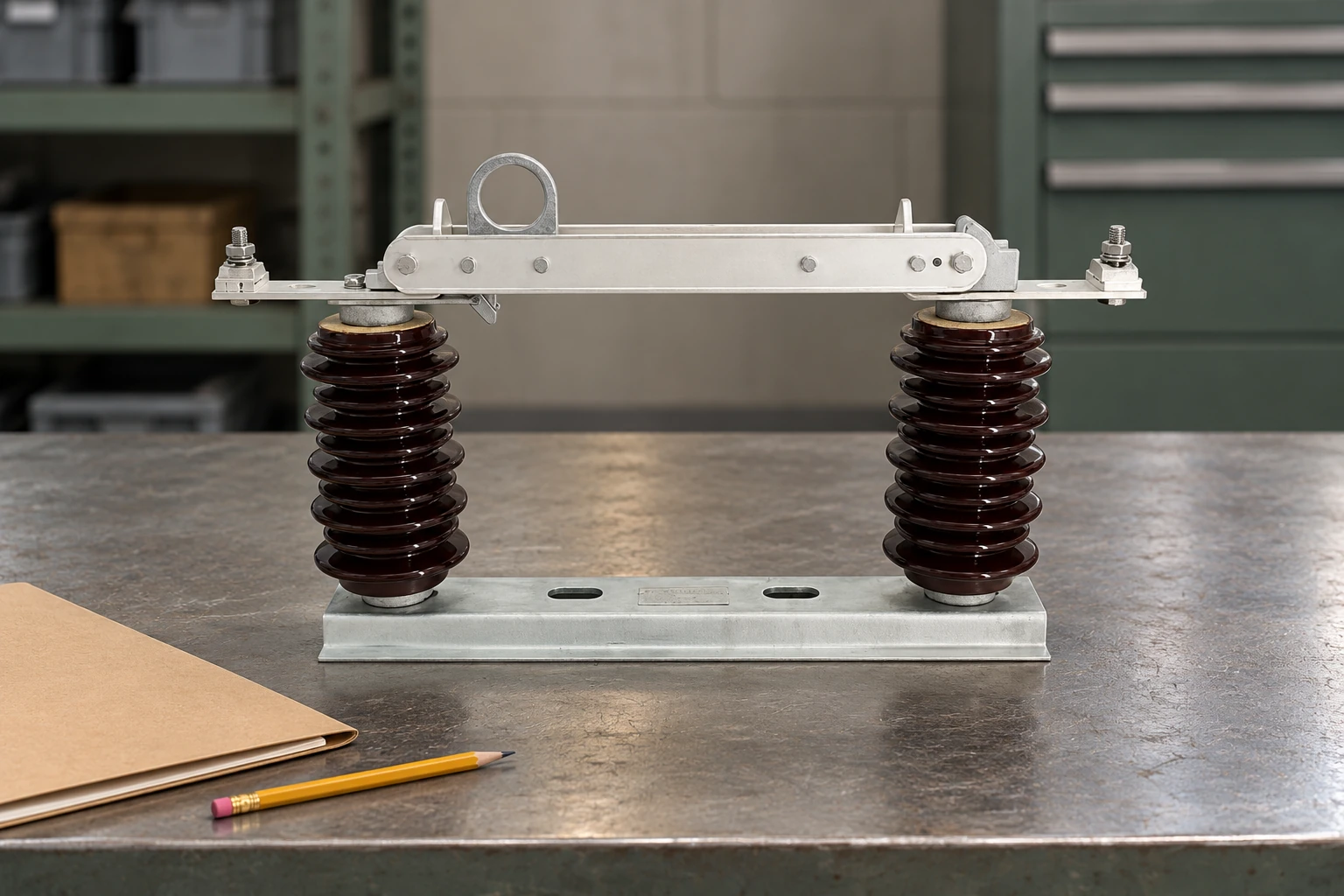
The isolating switch is a useful assembly example. Its metallic contacts, supporting frame and insulated supports have different functions. The product photograph illustrates their arrangement; it does not prove the metal grade or the current rating of any visible part.
When can mechanical strength matter more than conductivity?
Strength can justify using a less conductive material for a structural part or an engineered composite arrangement. It does not justify placing that material into a current path without checking its electrical and thermal duty. The design must identify which elements carry normal current, which may carry fault current and which primarily support the assembly.
| Part or decision | Primary question | Evidence needed |
|---|---|---|
| Main current-carrying section | Will resistance and temperature rise suit the duty? | Material grade, geometry and relevant assembly test data |
| Structural bracket | Will it carry the specified mechanical load? | Mechanical design and environmental suitability |
| Terminal connection | Are the metals and assembly method compatible? | Approved connector data and installation instructions |
| Replacement part | Does it preserve the original equipment’s declared duty? | Manufacturer confirmation, not visual similarity alone |
Corrosion can alter surfaces and connections. The relevant question is whether the specified material combination, protection and maintenance conditions remain suitable. Simply naming a metal ‘corrosion resistant’ says little about a joint exposed to moisture or an incompatible adjoining material.
What should be confirmed before changing a conductor or terminal?
Ask for the exact material specification, current path, approved conductor range, connection method and tightening instructions. Confirm whether a quoted resistance belongs to a bulk sample, a single joint or a complete assembly. For a replacement, obtain approval for the intended equipment and duty before making a dimensional or material substitution.
A basic explanation of conductors and insulators helps separate electrical function from appearance. Product-specific selection still requires documentation for the complete equipment.
Frequently asked questions
Is copper a good conductor of electricity?
Yes. Copper has relatively low resistivity, making it useful for many current-carrying applications. Its suitability still depends on conductor dimensions, temperature and the complete connection.
Do steel and iron conduct electricity?
Yes. Both are conductive, although representative resistivity values are higher than copper’s. Steel properties vary with alloy composition and condition, so an unspecified steel value should not be used as a product specification.
Why is copper used for conductors more often than steel?
Copper can provide lower resistance for a given length and area. Steel may be preferred for structural duties, but using it in a current path requires an electrical and thermal design rather than a strength comparison alone.
How does metal resistance affect heating?
At a given current, resistive loss follows I²R. A higher-resistance section or connection releases more heat, while its final temperature also depends on the surrounding environment and ability to dissipate that heat.
Can mechanical strength justify choosing a less conductive metal?
Yes, where the part’s mechanical role requires it and the electrical design remains suitable. That is different from substituting a stronger metal into an existing conductor without checking ratings and connections.
How do joints affect the resistance of a conductor assembly?
Joints add interfaces whose resistance depends on the connector design, surface condition and assembly. Correct tightening and approved material combinations matter; bulk-metal resistivity alone does not describe a finished joint.
Does corrosion change electrical connection performance?
It can. Changes to contact surfaces or the adjoining materials can affect the connection. Assessment should follow the equipment’s inspection and maintenance instructions rather than relying only on appearance.
Which conditions must match when comparing metal conductivity data?
Match temperature, material grade, physical condition and units. Also distinguish DC material data from an AC assembly application, and do not compare a joint measurement directly with a bulk resistivity figure.
References
Sources checked on 2 November 2026.
- OpenStax, University Physics Volume 2, §9.3 — Resistivity and Resistance
- OpenStax, University Physics Volume 2, §5.2 — Conductors and Insulators
- 29 CFR 1910.303 — Electrical installation requirements (Cornell LII)
Summary
Copper, iron and steel all conduct electricity, but their names do not answer the same design question. Copper’s lower resistivity helps explain its use in current-carrying parts, while steel’s mechanical properties can make it useful elsewhere in an assembly. Start by identifying the intended current path, then compare material grade and dimensions under equivalent conditions. Check the joints separately because terminal compatibility and assembly can change the result. A replacement that fits physically is not automatically an electrically equivalent part. Fuerte’s isolating switch range provides a relevant equipment context for these decisions. When requesting a suitable assembly, supply the conductor details and intended duty rather than selecting by metal colour or a generic conductivity value.