
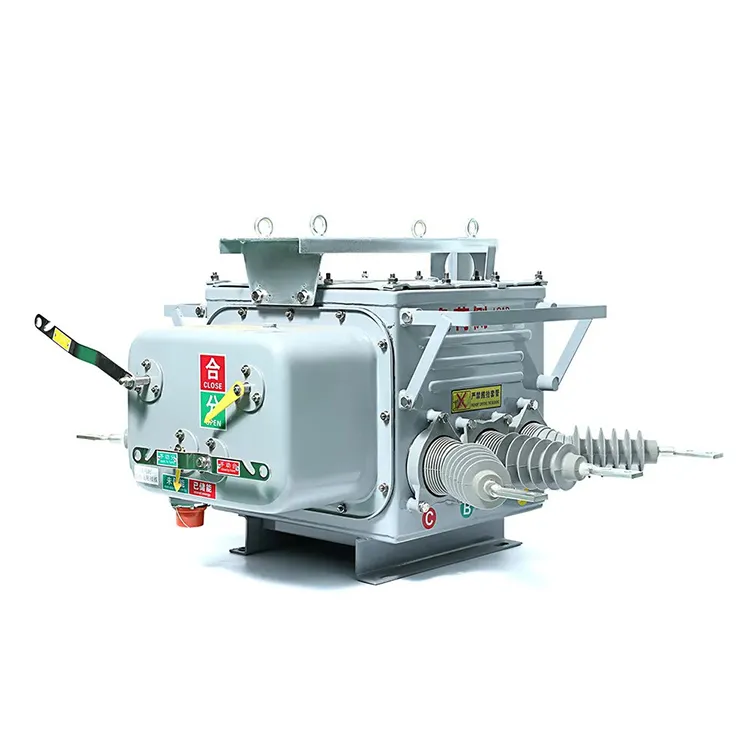
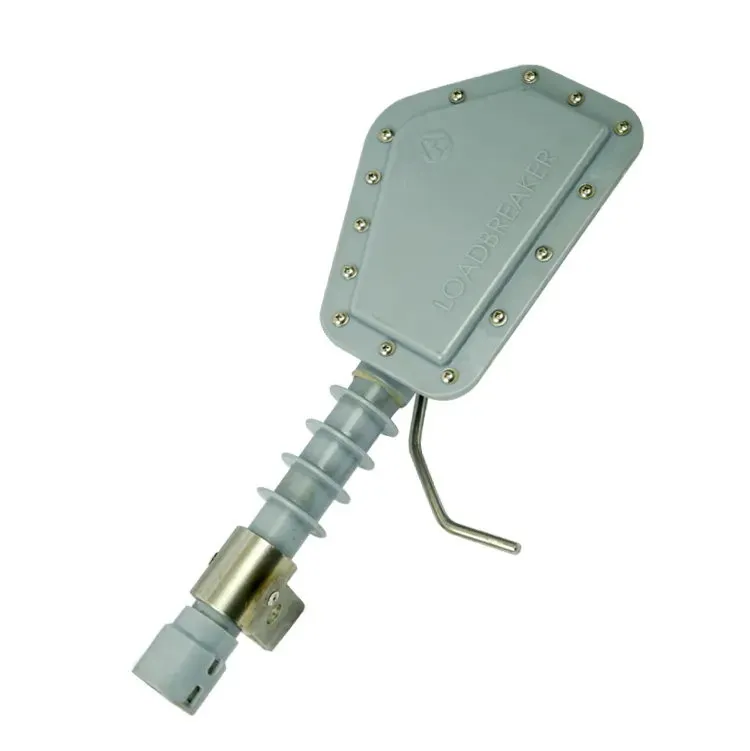


When a maintenance planner asks for a single interval for a vacuum circuit breaker, the honest answer is that calendar time is only one input. A lightly loaded indoor breaker and an outdoor feeder with frequent faults, dust and humidity do not age at the same rate. A generic “annual service” can miss mechanism wear, while unnecessary strip-downs add outage and handling risk. This guide combines duty, environment, condition and test results into a practical preventive-maintenance plan.
Summary: Maintain a VCB according to operation count, fault duty, environment, manufacturer limits and condition trends. A useful program combines visual inspection, mechanism checks, insulation and vacuum integrity tests, contact resistance, timing and control-circuit verification. IEC 62271 and the equipment manual define the applicable test framework; no universal contact-resistance range or time interval applies to every model. Set a baseline at commissioning, trend changes and shorten the interval after abnormal operations.
How often should a vacuum circuit breaker be inspected?
Use a tiered interval. Perform a visual and functional check during routine switchgear rounds; schedule a detailed inspection at the utility’s planned outage interval; and inspect sooner after a fault interruption, abnormal sound, failed operation, water ingress or a protection event. Operation count and fault current can be more meaningful than elapsed months.
Indoor, clean and lightly operated breakers may support a longer interval than outdoor or heavily cycled units, but the manufacturer’s manual remains the controlling document. Record the environment, operation counter, last test and any defect found. The 12 kV VCB operation and maintenance guide can help structure site rounds.
Which tasks belong in a VCB inspection checklist?
Start with a safe isolation and discharge procedure. Inspect enclosure condition, shutters, barriers, labels, earthing, terminals, wiring, auxiliary contacts, spring-charge motor, latches, linkage, lubrication and signs of overheating or contamination. Operate the breaker locally and remotely where the approved procedure permits, checking indication against actual position.
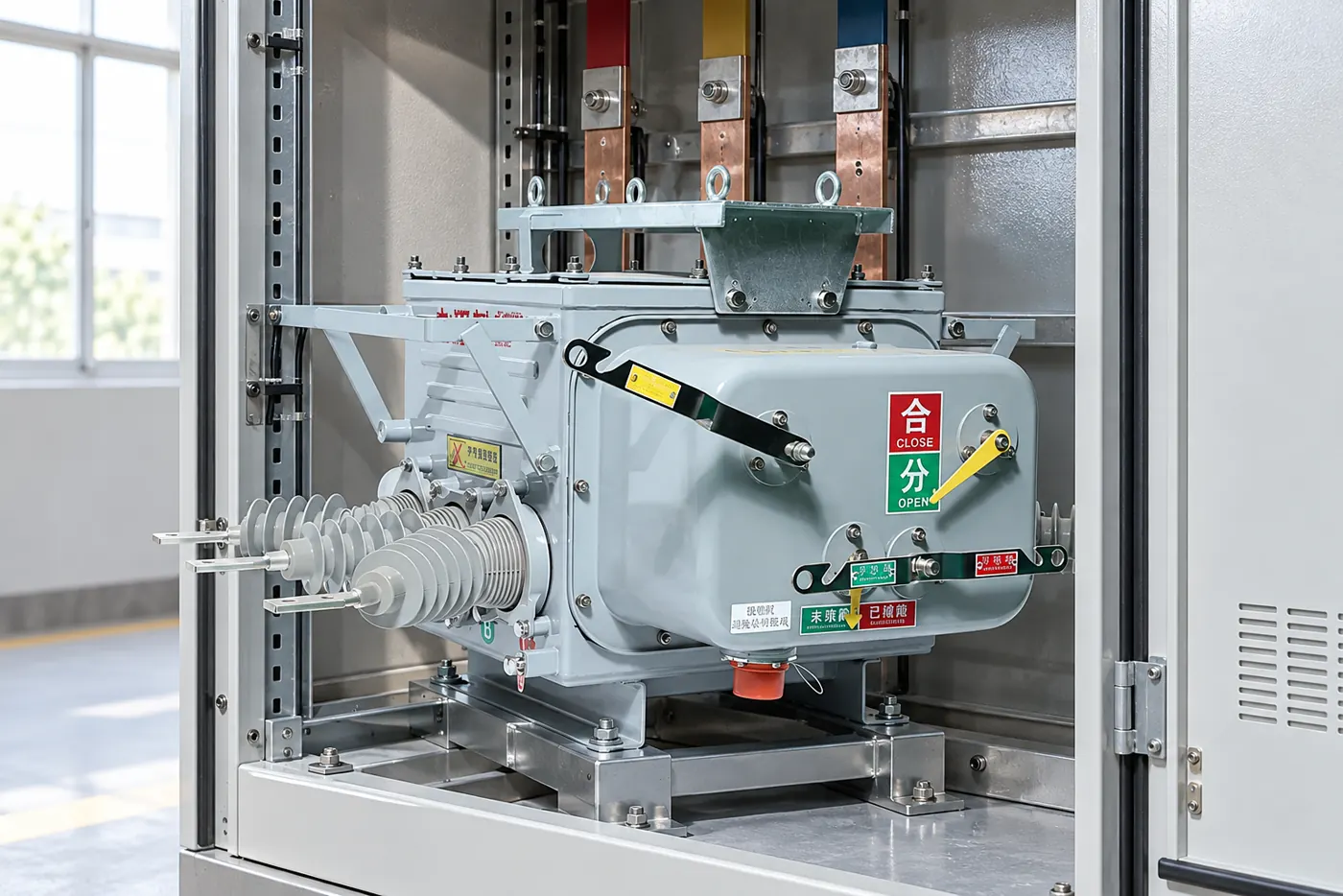
Record the operation counter and compare spring-charge time, close time and trip time with the commissioning baseline. Check that anti-pumping, trip-free, local/remote selection and interlocks still perform their intended functions. The checklist should identify instrument, acceptance criteria, technician and as-left status; a tick mark without values is difficult to trend.
What tests are performed on a vacuum circuit breaker?
Common tests include insulation resistance or dielectric checks, vacuum-bottle integrity, main-circuit contact resistance, opening and closing timing, travel and control-circuit verification. The required set depends on the model, voltage, maintenance standard and reason for the outage. A vacuum test checks the bottle; it does not prove low resistance or correct mechanism timing.
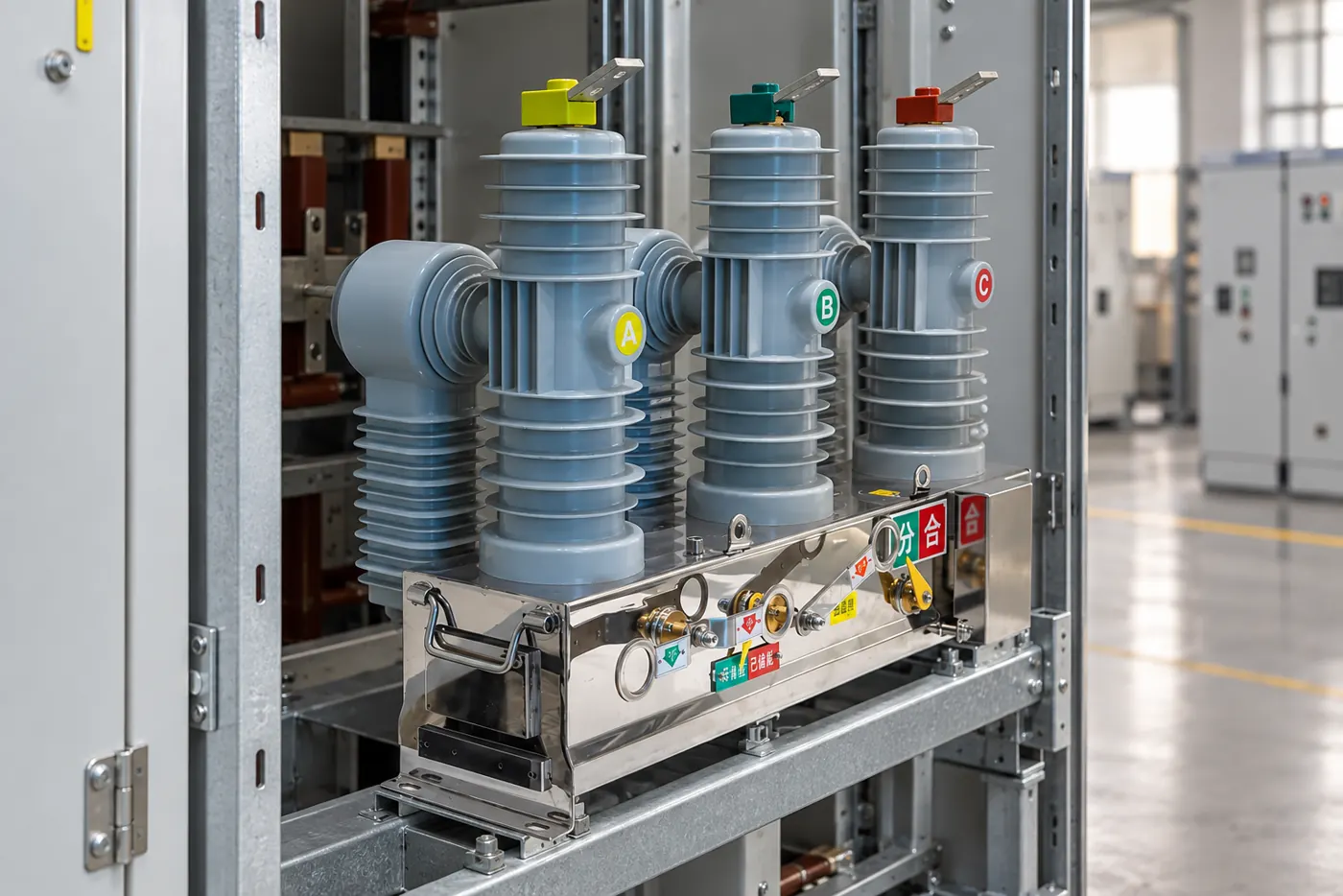
Use calibrated equipment and the voltage, duration and connection method specified by the manufacturer. Discharge after high-voltage tests and return the breaker to a known mechanical state. The VCB testing guide can be used to organize the test order and record fields.
What is the normal contact-resistance range for a vacuum circuit breaker?
There is no universal normal range. Resistance depends on breaker design, current path, contact material, temperature and test current. The manufacturer’s factory or commissioning value is the proper reference, with phase-to-phase balance and trend considered together.
A sudden increase, a growing phase spread or an unstable reading can indicate loose joints, contact wear, contamination or a damaged conductor. Clean and torque only under the approved procedure, then repeat the test. Do not reduce an acceptance decision to a number copied from another breaker model.
What does a VCB time-interval test measure?
A timing test measures the interval between the command and each pole’s contact movement, as well as pole simultaneity, bounce and sometimes travel and velocity. The result shows whether the mechanism and control circuit deliver the designed motion. It can reveal weak coils, sticky latches, worn linkages or incorrect adjustment before a fault occurs.
Compare opening and closing results with the baseline at the same control voltage and instrument setup. If contact resistance or timing drifts, investigate the mechanism and control supply rather than simply resetting the test. After repair, record the as-left measurement and the reason for the change.
How should maintenance intervals reflect duty, environment and condition?
| Condition | Maintenance response | Evidence to trend |
|---|---|---|
| Clean indoor service, low operation count | Routine visual checks plus planned electrical and mechanical tests | Counter, timing, resistance and insulation baseline |
| Frequent switching or motor duty | Use operation count and mechanism wear limits to shorten review | Operations, coil current, travel and contact wear |
| Outdoor, dusty, humid or corrosive site | Increase inspection of seals, terminals, insulation and enclosure | Contamination, moisture, leakage and temperature evidence |
| Fault interruption or failed operation | Trigger an event inspection before re-energization | Fault record, visual damage, integrity, timing and resistance |
Which test result should trigger further action?
| Finding | Possible cause | Next action |
|---|---|---|
| Rising contact resistance | Loose joint, wear or contamination | Inspect and retest against baseline |
| Slower opening or closing | Coil, latch, spring or lubrication issue | Check control voltage and mechanism |
| Failed vacuum integrity | Interrupter seal or envelope damage | Remove from service and follow replacement procedure |
| Insulation deterioration | Moisture, pollution, tracking or damage | Clean, investigate environment and repeat approved test |
| Interlock mismatch | Misadjustment or wiring change | Stop operation and correct the unsafe sequence |
How should results be recorded and trended?
Use one asset record with the breaker serial number, location, duty, settings, test instrument IDs, ambient conditions, measured values and acceptance criteria. Graph timing and resistance over successive outages, and annotate repairs or abnormal interruptions. A trend is meaningful only when the test current, control voltage, method and temperature are comparable.
Keep the approved drawings and maintenance history accessible to operations staff. If a breaker is retrofitted, update the record with the new interrupter, mechanism, control voltage and interface. The vacuum circuit breaker product page is a reference point, but the model manual and project standard govern acceptance.
Which standards support a preventive-maintenance program?
IEC 62271 series standards define high-voltage switchgear ratings and relevant type and routine tests. IEEE C37 standards may apply to projects using North American specifications. Confirm the exact edition through the IEC Webstore or IEEE Standards. These standards support test selection; they do not prescribe one interval for every asset and climate.
Follow site electrical-safety rules, isolation procedures and manufacturer limits. A maintenance record cannot compensate for an incorrect protection setting or an unsafe bypass of an interlock. Re-energization should require an as-left review and authorized sign-off.
How can teams build a practical VCB maintenance plan?
- Set a commissioning baseline for contact resistance, timing, travel, insulation and control circuits.
- Define routine rounds, planned-outage tests and event-triggered inspections.
- Use operation count, fault duty, environment and trend data to adjust the interval.
- Use calibrated instruments and record method, voltage, current and temperature.
- Escalate failed integrity, abnormal timing, rising resistance or interlock defects before service.
Fuerte can support a breaker specification and documentation package aligned with utility or EPC requirements. Submit the model, duty history and test records through the contact page when a maintenance review is needed.
Frequently asked questions
How do I perform preventive maintenance on a vacuum circuit breaker?
Isolate and discharge the equipment, inspect enclosure and mechanism condition, verify controls and interlocks, then perform the manufacturer-approved electrical tests. Compare all results with the commissioning baseline.
What tasks are included in a VCB inspection checklist?
Typical tasks cover visual condition, terminals, shutters, earthing, lubrication, spring charging, coils, auxiliary contacts, operation count, timing, contact resistance, insulation and vacuum integrity as applicable.
What tests are performed on a vacuum circuit breaker?
Common tests are contact resistance, insulation or dielectric checks, vacuum-bottle integrity, timing and travel, control-circuit operation and mechanical endurance checks. The exact set follows the model and project standard.
What is the normal contact-resistance range for a vacuum circuit breaker?
There is no universal range. Use the manufacturer’s value and the breaker’s own commissioning baseline, comparing phases and trends under the same test conditions.
How often should a vacuum circuit breaker be tested?
Use manufacturer intervals as the starting point, then adjust for operation count, fault interruptions, environment and condition trends. Test after an abnormal event before returning the feeder to service.
What does a VCB time-interval test measure?
It measures command-to-contact timing, pole simultaneity, bounce and, with suitable equipment, travel and velocity. It reveals changes in coils, latches and mechanism motion.
References
- IEC Webstore, IEC 62271 switchgear standards.
- IEEE Standards, IEEE C37 requirements.
- International Electrotechnical Commission, testing and conformity resources.
- CIGRE, circuit-breaker maintenance guidance.
The right VCB interval is the one supported by duty, environment and measured condition. Establish a baseline, trend comparable tests and respond to abnormal evidence before a planned date forces the decision. Contact Fuerte for a documented maintenance and configuration review.
How can maintenance reduce avoidable outage time?
Prepare the test plan, drawings, isolation boundary, calibrated instruments and spare consumables before the outage begins. Confirm whether the breaker can be tested in a dedicated workshop or must be tested in the cubicle, and reserve time for discharge, earthing, restoration and functional checks. A pre-outage review of the last three records often reveals which measurements have been drifting.
After maintenance, complete a close-trip cycle, verify all indications and compare the as-left values with the commissioning baseline. Update the operation counter, parts replaced, lubricant used and next trigger date. This discipline turns a maintenance checklist into an asset history that can support condition-based intervals and a defensible replacement decision.
Where the breaker has interrupted a high-current fault, obtain the event record and inspect the interrupter and mechanism before normal switching resumes. The fault may have been cleared correctly while still increasing contact wear or loosening a connection. An event-triggered inspection is therefore a separate decision from the next calendar service.
That event review should include the breaker operation counter and the relay’s measured current, so future intervals reflect actual duty rather than a generic schedule.