
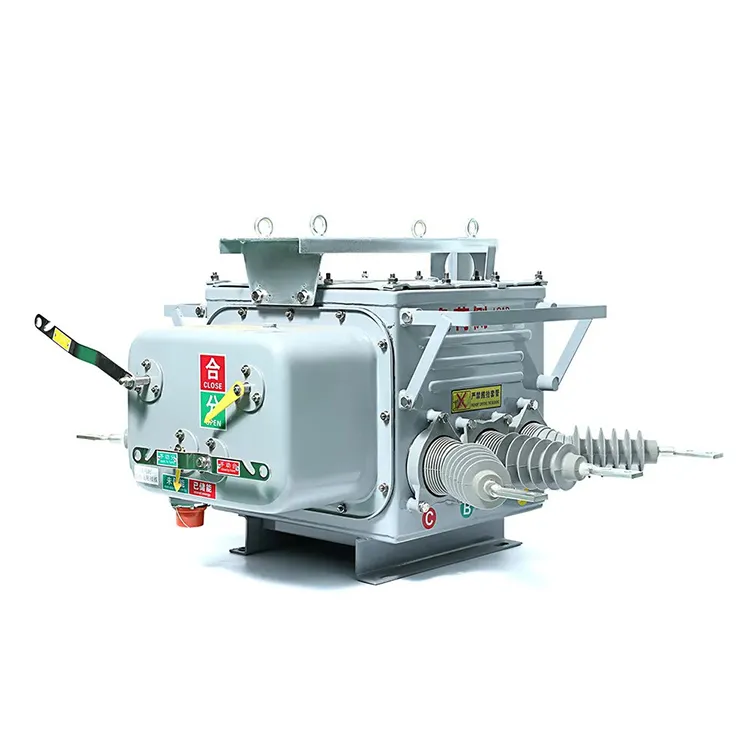
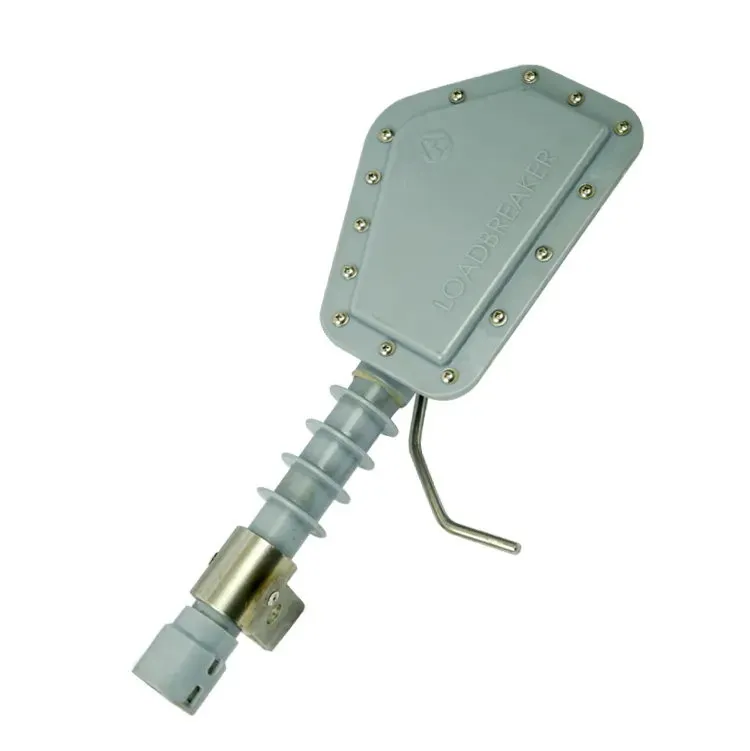

A fuse cutout RFQ assumptions register should make silent or inferred quote points visible against the buyer requirement. It asks for a source-backed response instead of treating an omission as a technical, commercial, or project commitment. For a related technical topic, see What Should a Fuse Cutout RFQ Document Index Include?.
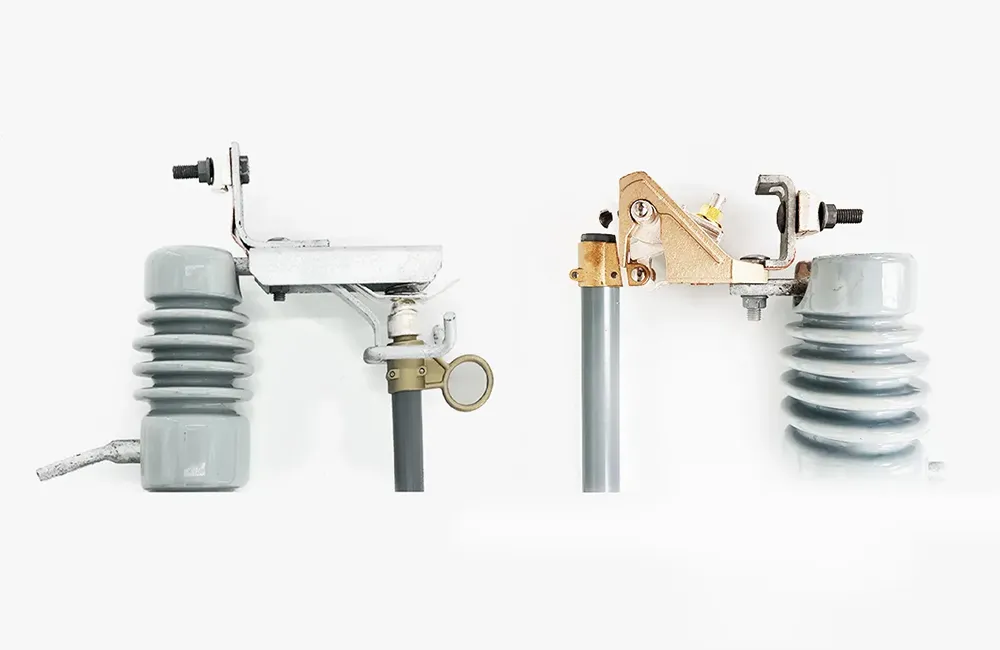
Use the FUERTE fuse cutout family as inquiry context only. Related evidence controls are covered in the quote deviation guide and the receiving inspection guide.
Important: Silence in a quotation does not prove inclusion, coordination, rating, or project fit. Keep the point open until a supplier cites a response and the responsible process records a disposition. Source context: IEC Webstore.
Part 1. Define an unstated assumption
An unstated assumption is a point that a buyer or reviewer could infer from a quotation, image, or document without a stated supplier response. Record the point as an open question rather than filling the gap with an interpretation.
Start with the buyer reference and the exact RFQ line. That makes the question comparable across bidders.
Part 2. Keep silence separate from a response
An omission is not a confirmation. A supplier response should identify the offered configuration, cite its source, and state any exception against the buyer line.
Avoid carrying a general catalogue statement into the assumptions register as if it answered a project requirement. The relevant evidence is the response tied to the RFQ line.
Part 3. Tie each assumption to a buyer line
Give every open point a buyer line, requested evidence, responsible responder, and deadline. This allows the buyer to see whether the issue concerns identity, document scope, quantity basis, or another stated request.
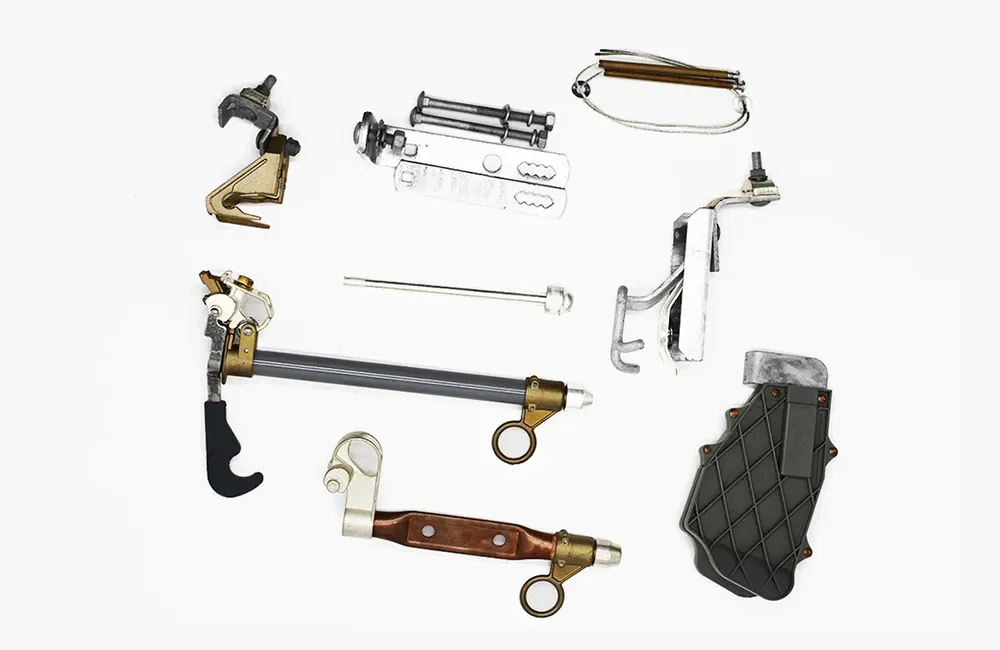
Write the question in neutral language. The register should not label a supplier as compliant or non-compliant before it receives a documented response.
Part 4. Distinguish commercial and document questions
Quantity basis, delivery scope, document status, and included accessories may each need a separate response. Keeping them on distinct lines prevents a commercial assumption from being mixed with a document omission.
The register does not establish fuse coordination, interrupting capability, installation fit, or an approval decision. Those matters require the applicable project evidence.
Part 5. Use an assumptions register
Use a common table so every bidder can address the same open points.
| Buyer line | Unstated assumption or open point | Requested evidence | Supplier response | Buyer disposition |
|---|---|---|---|---|
| RFQ reference | scope not expressly stated | cited response and source | pending or stated | keep open or route to review |
| Offered identity | configuration not confirmed | quotation and document | exact identity requested | clarify before release |
| Document status | revision relationship unclear | source title and revision | response pending | record separately |
| Commercial scope | quantity or inclusion unclear | written confirmation | stated exception | responsible disposition |
The table is a clarification tool, not an engineering approval route.
Part 6. Route an identified model inquiry
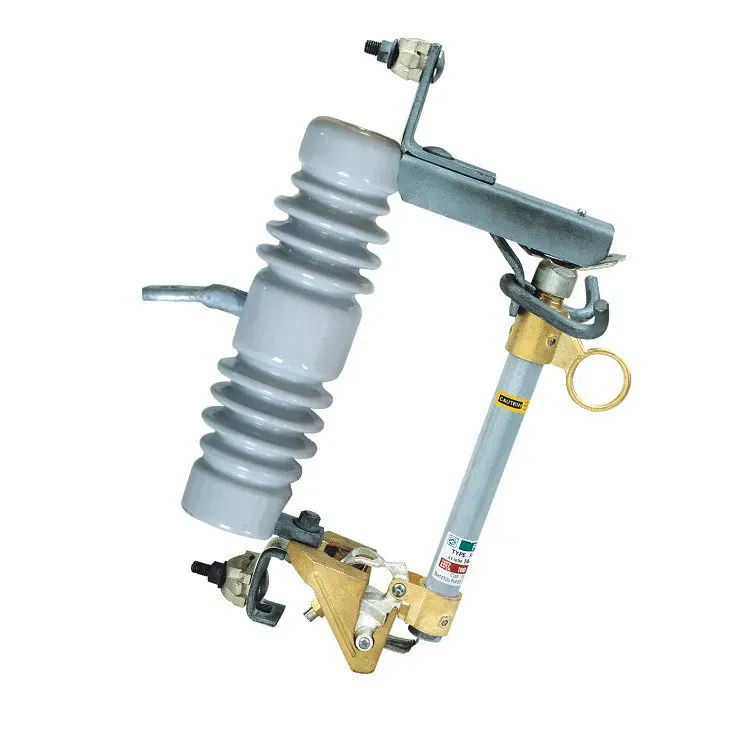
After the buyer has an exact offered identity and a defined open point, the FSC-22-1 Drop Out Fuse Cutout route can support a request for current documents. It does not prove that a public model page resolves the buyer assumption.
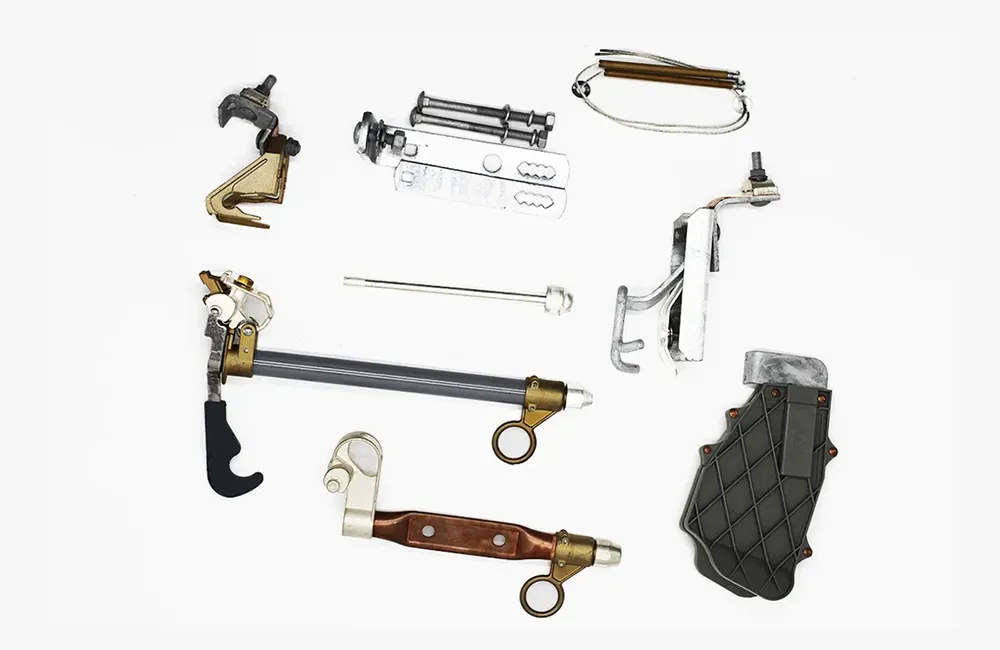
Send the buyer line, requested evidence, source record, and unresolved question. This keeps the product inquiry tied to a documented review path.
Part 7. Close or escalate open items
Issue the assumptions register with the RFQ and require each open point to receive a response, an exception, or a documented escalation. Do not close a silent line through a visual comparison or a verbal assumption.
For a controlled clarification, contact FUERTE with the buyer reference, offered identity, and open-register lines.
FAQ
What is a fuse cutout RFQ assumptions register?
It is a line-by-line record of silent or inferred points that need a supplier response and buyer disposition.
Is a silent quotation line included?
No. Keep it open until the supplier states its response against the buyer requirement.
What should an assumption record contain?
Use the buyer line, open point, requested evidence, supplier response, and buyer disposition.
Can a buyer infer a rating from a catalogue?
No. Ask for the exact offered identity and the applicable controlled evidence.
Is an assumption the same as a deviation?
No. A deviation is a stated difference; an assumption is an open point that still needs a response.
Can the register approve coordination?
No. Coordination requires separate engineering evidence and a responsible decision.
Which FUERTE route supports clarification?
Use the cited product route after the buyer has a defined, controlled question.
Does this article authorize release?
No. Release and project decisions remain with the responsible process.
References
- IEC Webstore: controlled-record terminology for assumptions-register requests.
- CIGRE ELECTRA: power-industry publication context for procurement clarification records.