
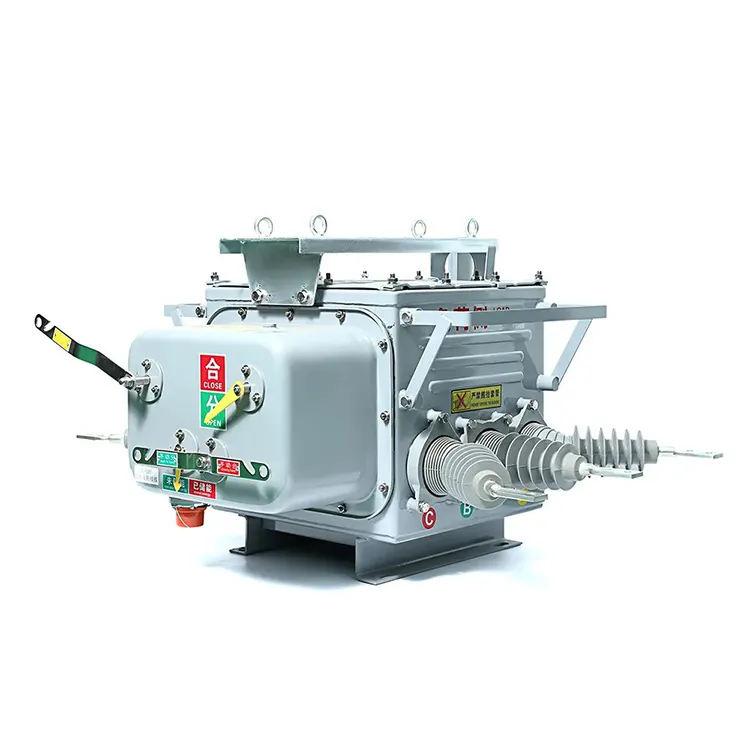
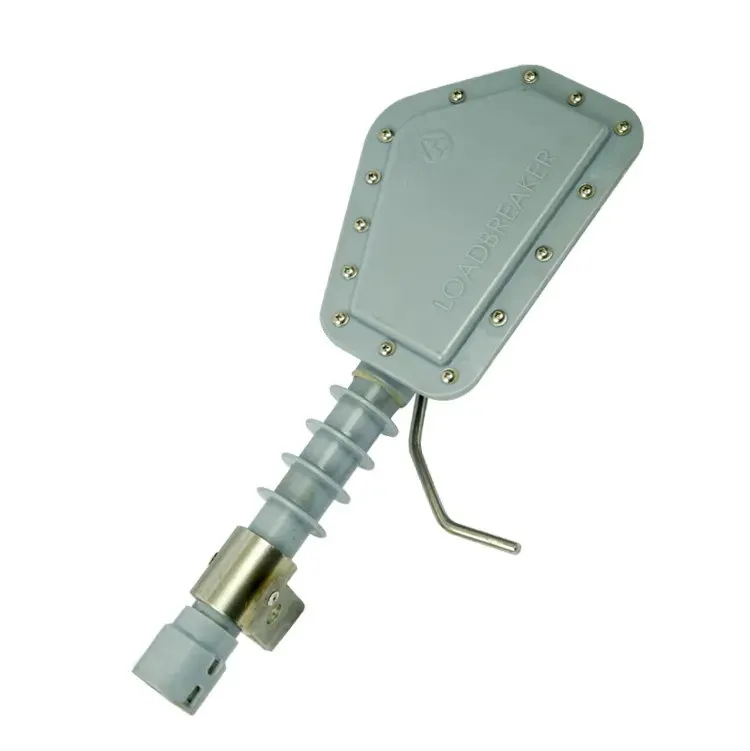


Quotations often leave important points unstated: a buyer may infer that an accessory is included, a rating is understood, or a catalogue image represents the offered configuration. Those inferences create avoidable disputes because silence is not a documented supplier response. The practical question is how buyers should record unstated fuse cutout RFQ assumptions before comparing offers or releasing an order. A useful RFQ assumptions register ties each silent or inferred point to the buyer line, requested evidence, supplier response, and buyer disposition. It keeps commercial, document, and technical questions visible without pretending that an omission proves inclusion, coordination, interrupting capability, or project fit.
Summary: Record every silent assumption against the RFQ reference, state the open point neutrally, request a cited response, and keep the buyer disposition separate. A silent line is not confirmation. For document traceability, use the fuse cutout RFQ document-index guide; for goods receipt, use the receiving inspection guide. Both routes support evidence control rather than approval.
The register should be read alongside the applicable project specification and standards information. The IEC Webstore provides publication context, but only the responsible engineering and procurement process can decide whether an answered question closes a requirement. The next action is to obtain a source-backed response before treating the point as resolved.
Which missing quotation details need clarification?
An unstated assumption is a point a buyer or reviewer could infer from a quotation, image, or general document even though the supplier has not answered it directly. Record the inference as an open question, beginning with the buyer reference and exact RFQ line. This gives every bidder the same clarification target and prevents an interpretation from becoming an accidental commitment.
How should unanswered quotation items be recorded?
An omission is not confirmation. A usable supplier response identifies the offered configuration, cites its source, and provides a source-backed response against the buyer line. A general catalogue statement can provide context, but it should not be carried into the register as if it answered a project requirement. Keep the source and wording with the question.
Once a supplier confirms that an offer differs from the requirement, transfer the issue from an assumption to a declared quotation deviation for review.
Which fields tie an assumption to the buyer line?
Give each open point a buyer line, requested evidence, responsible responder, and deadline. Use neutral wording such as “Please state whether the quoted configuration includes the item listed on line 4 and cite the supporting record.” The register can identify whether the issue concerns identity, document scope, quantity basis, or included accessories. It should not label a supplier compliant or non-compliant before the documented response is reviewed.
How should commercial and document questions be separated?
Quantity basis, delivery scope, document status, and accessory inclusion may each require a different response. Keep them on distinct lines so a commercial assumption is not mistaken for a technical answer. The register does not establish fuse coordination, interrupting capability, installation fit, or approval; those matters need the applicable project evidence and responsible decision path.
Which table keeps open assumptions visible?
Use a common table so every bidder can address the same open points.
| Buyer line | Open assumption | Requested evidence | Supplier response | Buyer disposition |
|---|---|---|---|---|
| RFQ reference | scope not expressly stated | cited response and source | pending or stated | keep open or review |
| Offered identity | configuration not confirmed | quotation and document | exact identity requested | clarify before release |
| Document status | revision relationship unclear | source title and revision | response pending | record separately |
| Commercial scope | quantity or inclusion unclear | written confirmation | stated or exception | responsible disposition |
The table is a clarification tool. It does not turn an unanswered line into an engineering approval.
When can a product route support a clarification?
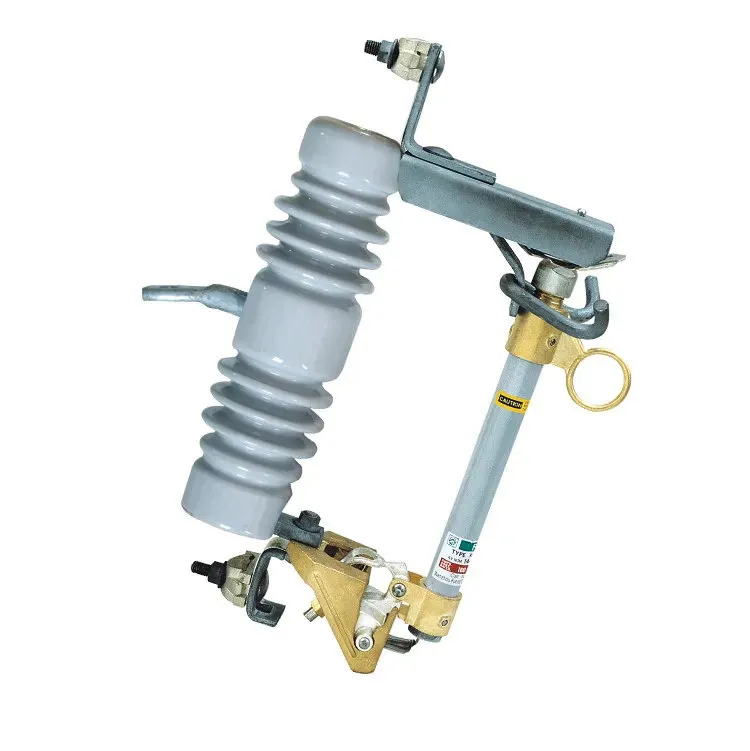
After the buyer has an exact offered identity and a defined open point, the FUERTE fuse cutout family can provide inquiry context. For a model-specific question, use the FSC-22-1 Drop Out Fuse Cutout route with the buyer line, requested evidence, source record, and unresolved assumption. The public page does not prove that it resolves the buyer’s unstated requirement.
How should open assumptions be closed or escalated?
Issue the register with the RFQ and require each open point to receive a response, an explicit exception, or a documented escalation. Do not close a silent line through visual comparison or a verbal assurance. For a controlled clarification, contact FUERTE with the buyer reference, exact offered identity, and open-register lines.
What questions should a buyer ask?
What is a fuse cutout RFQ assumptions register?
It is a line-by-line record of silent or inferred points that need a supplier response and buyer disposition.
Is a silent quotation line included?
No. Keep it open until the supplier states its response against the buyer requirement.
What should an assumption record contain?
Use the buyer line, open point, requested evidence, supplier response, source, and buyer disposition.
Is an assumption the same as a deviation?
No. A deviation is a stated difference; an assumption is an open point that still needs a response.
Conclusion
Un assumptions register protects the RFQ from silent commitments. Each line should show what the buyer asked, what remains unstated, which evidence is requested, what the supplier has actually answered, and who owns the disposition. That sequence keeps commercial scope, document status, and technical questions distinct. A catalogue image may prompt a useful question, but it cannot confirm a rating, included accessory, coordination result, or project fit. Buyers should obtain a source-backed response before closing an item and route unresolved engineering matters to the responsible review. FUERTE’s fuse cutout routes can support a focused clarification when the buyer supplies the exact identity and open question.