
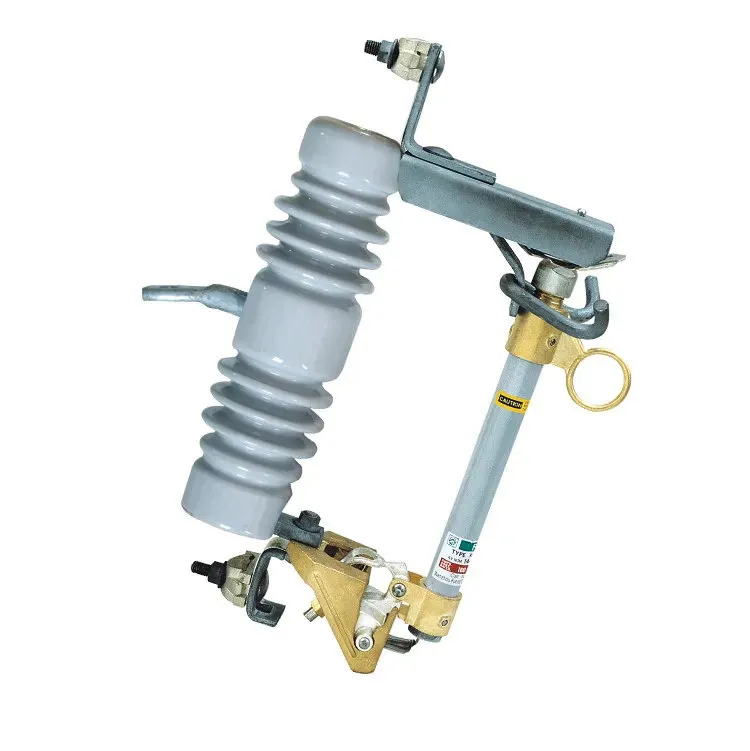
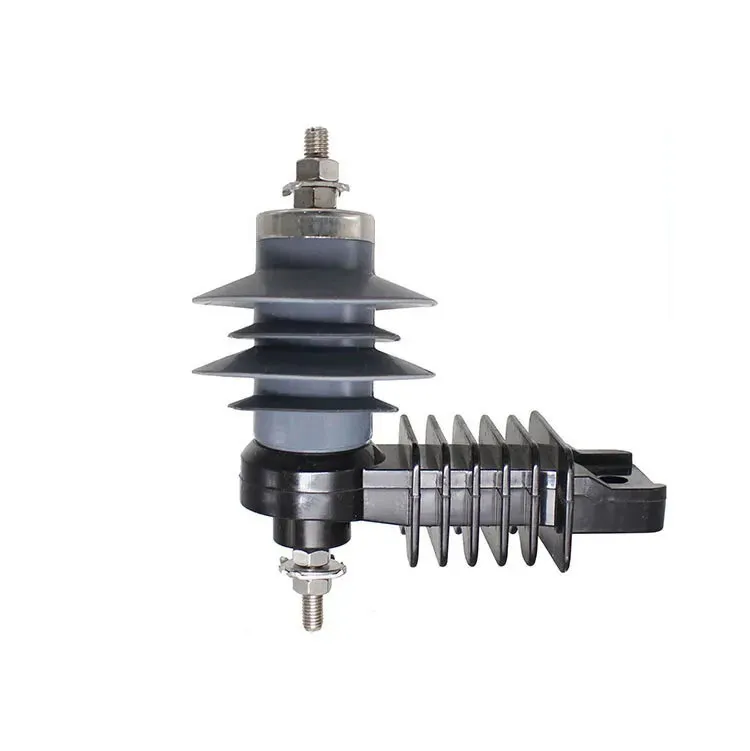
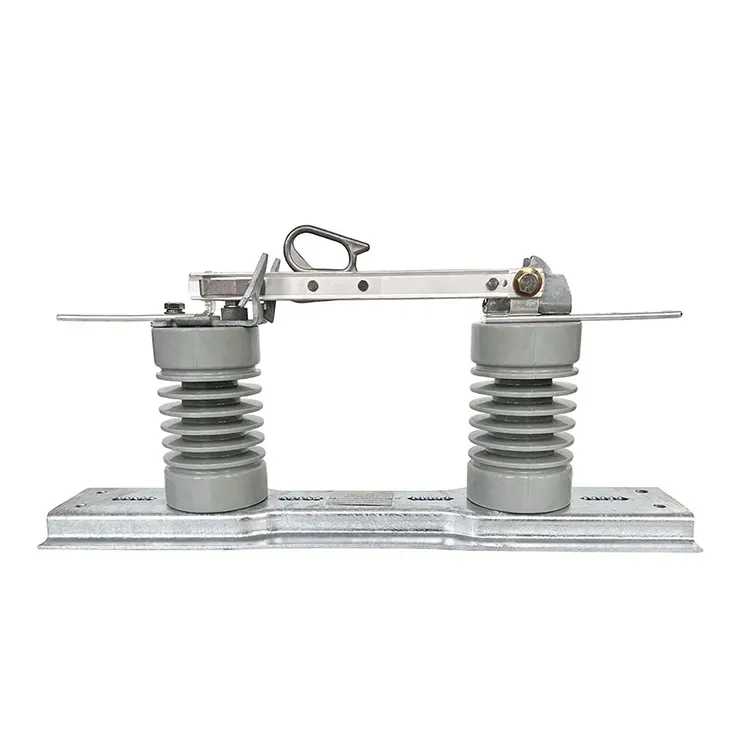
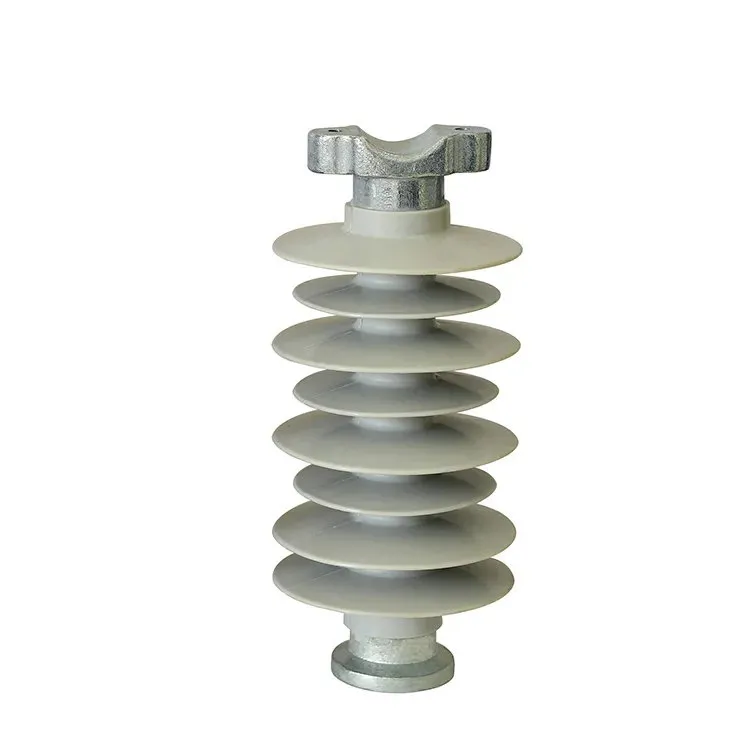
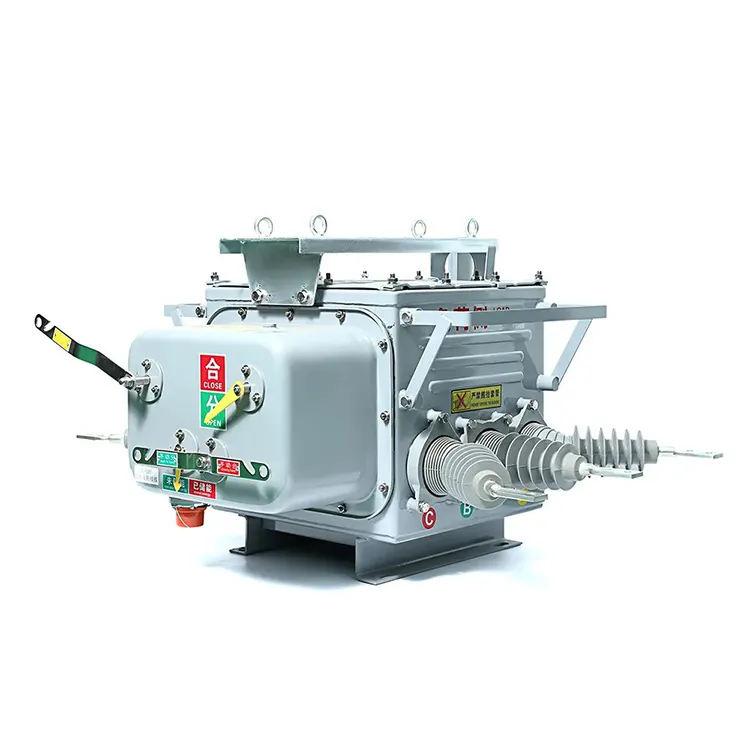
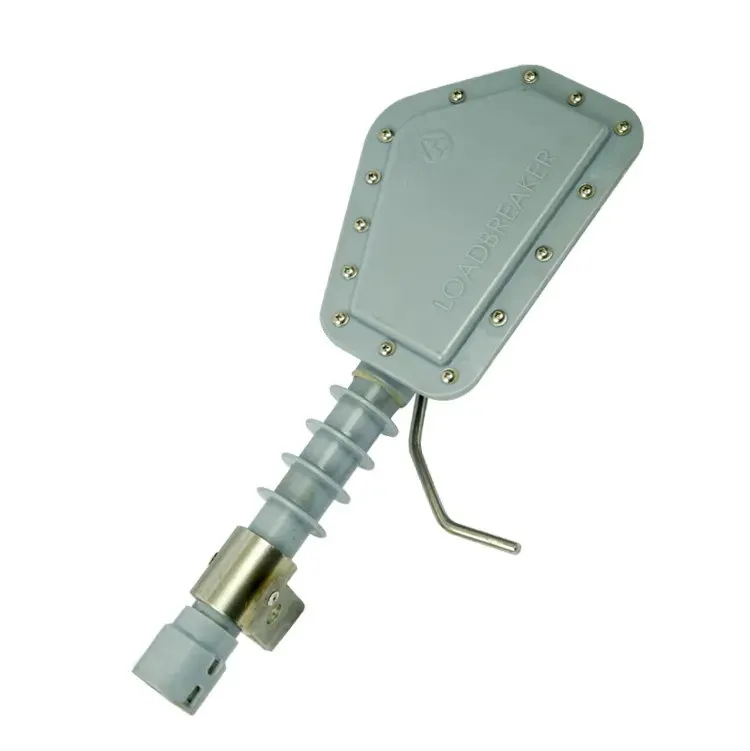


A fuse cutout RFQ can contain a catalogue, a drawing, certificates, and commercial files while still leaving the buyer unable to tell which requirement each document answers. The question is what a controlled fuse cutout RFQ document index should show before quotations are compared. The index should connect every buyer line to the requested file, stated revision, supplier source, response status, and open question. It helps a reviewer distinguish a missing document from a declared deviation and a current source from a superseded attachment. It does not prove fuse coordination, interrupting capability, project fit, or installation approval. This guide gives a practical register structure that keeps document control and engineering acceptance separate.
Summary: A document index should show the RFQ reference, required document and baseline revision, exact offered identity, supplier source, response status, and buyer disposition. Use the VCB document-revision guide when a similar register is needed for vacuum circuit breaker submissions. A file name or catalogue family alone is not a controlled answer.
The buyer should compare each response with the applicable project specification and current standards information. The IEC Webstore provides publication context, while the responsible project process decides whether supplied evidence is sufficient. The next action is to keep omissions and identity differences visible until a cited response is received.
What should the document baseline contain?
Name the buyer reference, RFQ issue, required file type, baseline revision when specified, and response deadline before comparing supplier attachments. A filename without a stated role does not tell the reviewer whether it is a drawing, routine-test record, catalogue page, or clarification. Keep the baseline visible to all bidders so a response can be classified as present, missing, superseded, or unrelated.
How should each file be linked to an RFQ line?
Require every supplier response to cite the buyer line it addresses and the exact offered configuration. A generic brochure may provide context, but it does not answer a controlled requirement unless the supplier identifies the applicable line. Do not join files from different configurations because they share a family name or photograph. Preserve the stated identity and leave uncertainty open.
Keep a quotation deviation schedule alongside the document index: a missing attachment and an explicit departure from the requirement need different responses.

Which revision fields make a source traceable?
Record the document title, supplier revision or issue, date if supplied, and source location. This lets another reviewer find the same evidence without reconstructing file history from email attachments. Mark a superseded file as history rather than current evidence. If the quotation and index cite different versions, ask a focused clarification and keep both references visible.
Is a missing response the same as a deviation?
No. An unanswered line is an omission; a deviation is a declared difference with supplier wording and a source. Record the two states separately. The index controls evidence and review routing; it does not decide whether a stated deviation is technically acceptable.
Which table keeps bidders comparable?
Use one register for all suppliers so the request and response fields remain comparable.

| Buyer line | Required document | Supplier source | Response status | Buyer disposition |
|---|---|---|---|---|
| RFQ reference | requested file and baseline revision | attachment or register | present, missing, or superseded | record for review |
| Offered identity | exact stated configuration | quotation reference | identity clear or unclear | clarify before release |
| Difference | declared exception and source | supplier explanation | open deviation | route to review |
| Document history | prior file and revision relationship | revision register | current status uncertain | keep visible |
The table makes response completeness visible; it does not create a technical conclusion about a fuse cutout.
When can a product route support clarification?
After the buyer has an exact offered identity and a controlled question, the FUERTE fuse cutout family can provide inquiry context. For a model-specific request, the FSC-21-3 Drop Out Fuse Cutout route can be cited together with the buyer line, requested file, supplier source, and unresolved question. A public product page does not confirm that a proposed item meets a project requirement.
How should the index be closed?
Issue the register with the RFQ and require suppliers to declare every exception against a buyer line. Keep unresolved identity, revision, source, and scope differences visible before release or acceptance. For a controlled document inquiry, contact FUERTE with the register, exact offered identity, and named questions.
What questions should a buyer ask?
What is a fuse cutout RFQ document index?
It is a register linking each buyer requirement to a requested file, source reference, response status, and open question.
Can a catalogue replace a required response?
No. The supplier should cite the RFQ line and exact offered configuration that the document addresses.
Why record a document revision?
It distinguishes current evidence from superseded or unrelated files and makes later review reproducible.
Is an omission a deviation?
No. Keep an omission open until the supplier provides a response; record a declared difference separately.
Conclusion
A fuse cutout RFQ document index is complete only when a reviewer can follow each buyer line to the requested document, exact offered identity, stated revision, supplier source, and current response status. That traceability prevents a catalogue attachment from carrying claims it was never intended to prove. Buyers should classify omissions separately from deviations, keep superseded files visible as history, and send coordination, interrupting capability, installation, and project-fit questions through the responsible engineering process. The sequence is straightforward: define the baseline, link each response, preserve the source trail, and then decide whether additional technical review is required. FUERTE’s fuse cutout pages can support a focused inquiry when the register identifies the exact line and evidence gap.