
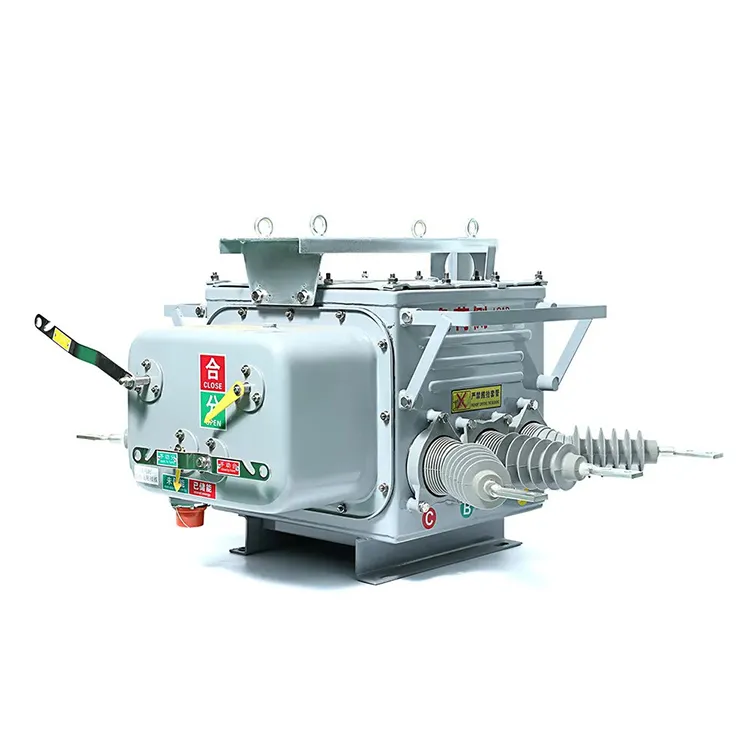
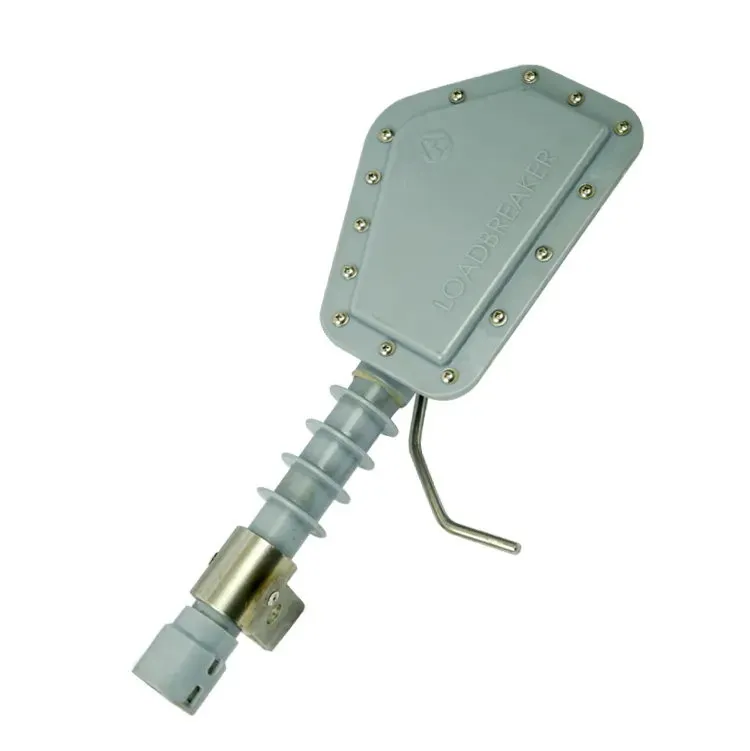


A discharge counter reading becomes useful only when a maintenance team can tell which arrester produced it, when the event was observed, and what equipment was connected at the time. A number without that context is easy to misread as a diagnosis. The practical task is to preserve an event record and then route it into the owner’s approved inspection process.
Summary: A surge arrester discharge counter should record asset identity, location, model, review date, event window, installation context, and follow-up observation. IEC 60099-5 and NEMA arrester-monitoring guidance support condition-monitoring discussions, but a count alone does not prove cause, severity, or arrester health.
What should a discharge-counter record contain?
| Field | Why it belongs | Do not assume |
|---|---|---|
| Asset tag and location | Connects count to equipment | Count identifies cause |
| Arrester and counter model | Enables configuration review | All counters interchangeable |
| Review date and event window | Preserves timing | One period equals another |
| Associated equipment | Adds installation context | Installation is approved |
| Follow-up observation | Separates record from conclusion | Counter replaces inspection |
How should the record enter maintenance review?
Log the reading with the asset history, weather or switching context where the owner requires it, and any visual or electrical inspection authorized by the procedure. Avoid inventing a universal alarm threshold; the responsible utility or engineer must define action criteria.
If the monitoring arrangement or its connections change, include the drawing in the arrester earth-path review before accepting the modification.
For a replacement enquiry, an arrester RFQ checklist helps separate the recorded observations from the proposed product and installation requirements.
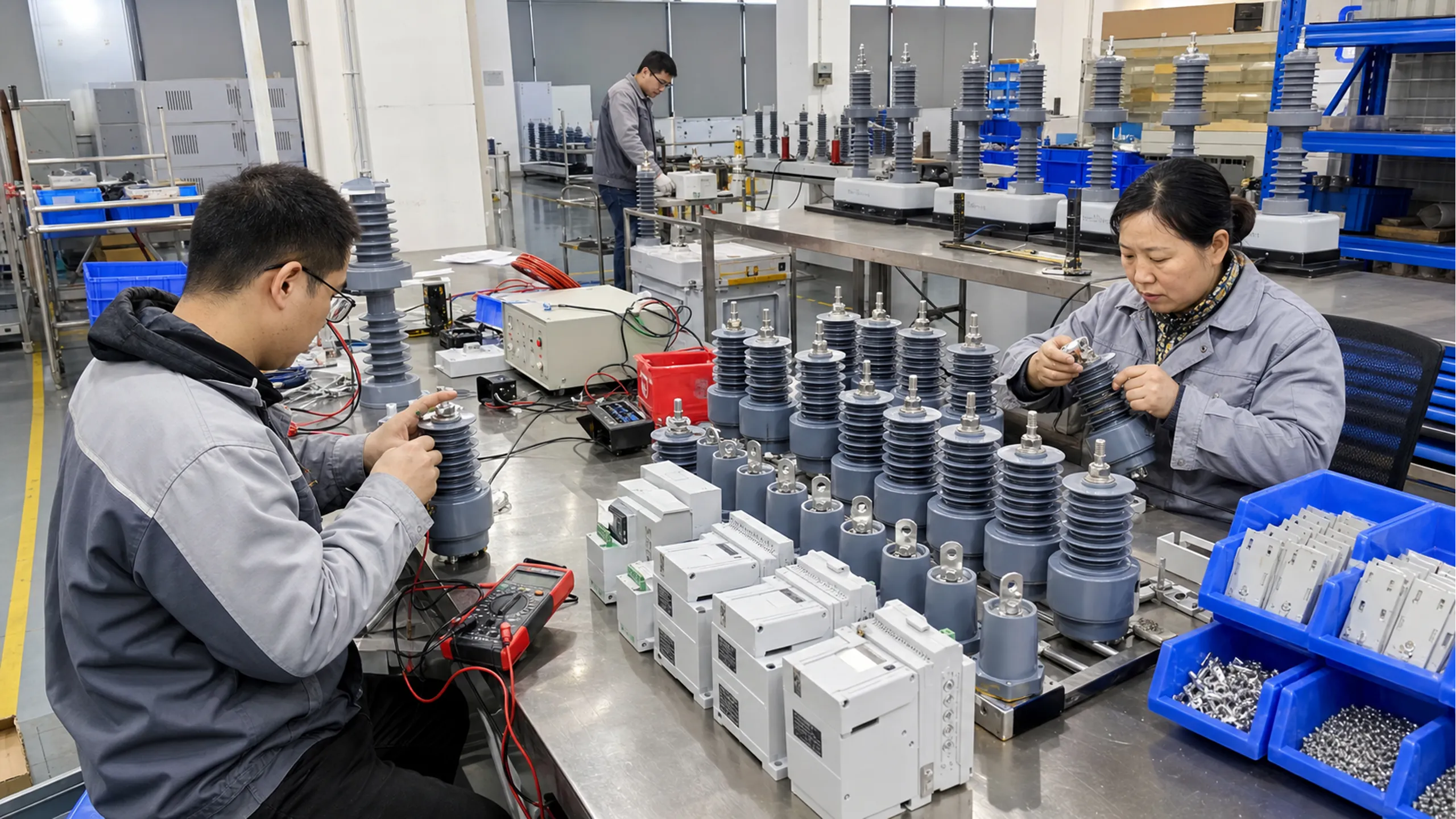
What can the counter prove, and what remains open?
It can show that the monitoring device registered an event or accumulated a reading. It cannot independently identify surge source, energy, damage, or remaining arrester condition. Those questions require the specified inspection and diagnostic evidence.
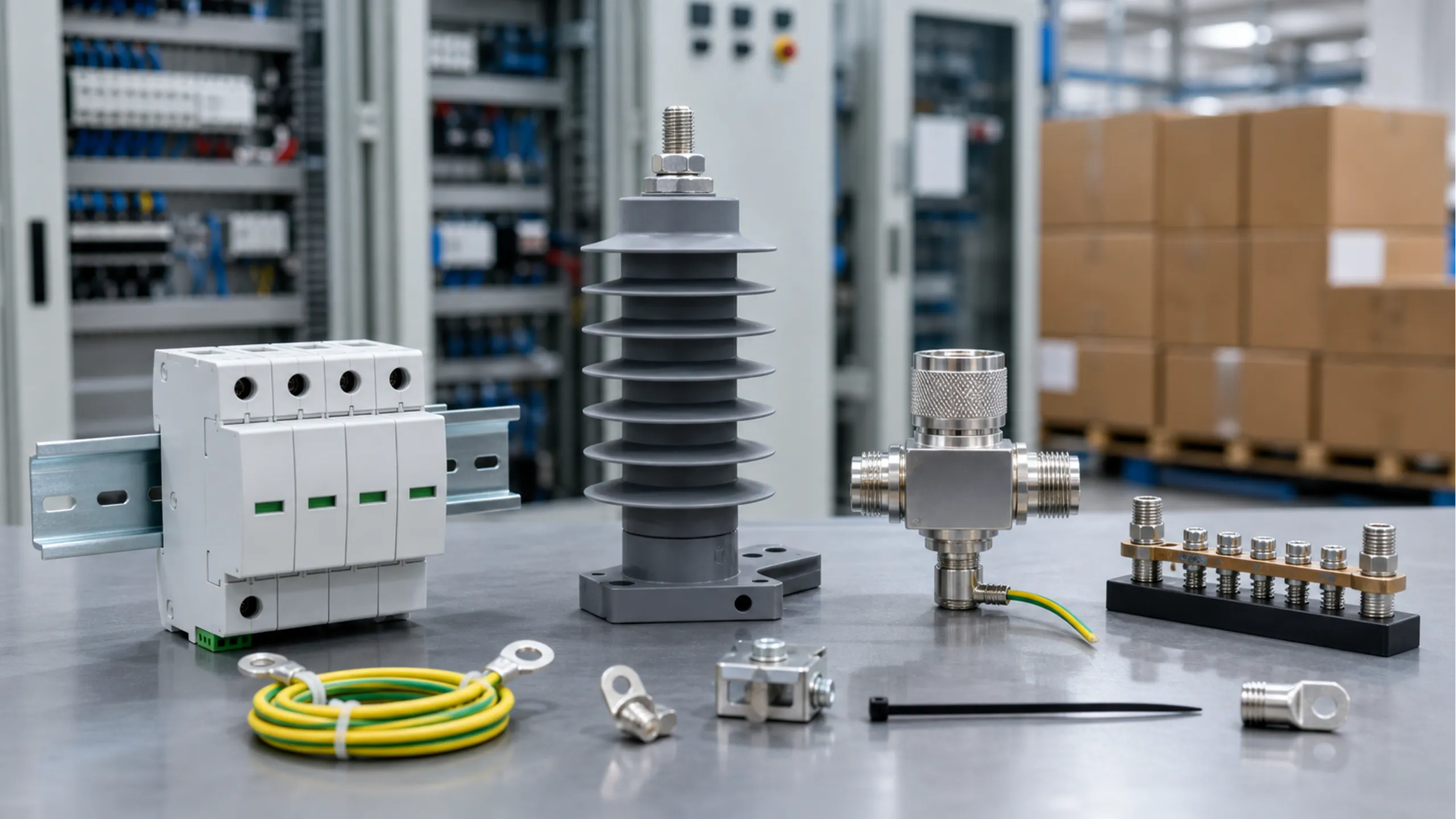
| Review step | Evidence | Owner decision |
|---|---|---|
| Identify | Tag, model, location, photo | Record accepted |
| Correlate | Event time and associated equipment | Investigation scope |
| Inspect | Approved visual/electrical checks | Condition action |
| Close | Finding and document revision | Maintenance disposition |
How should an inquiry package be prepared?
- Send the counter and arrester model, rating information visible on the label, and installation location.
- Include the count, date observed, prior reading if controlled, and event context.
- Ask the supplier to distinguish product data from a condition conclusion.
- Record any requested replacement or monitoring action as an engineering decision.
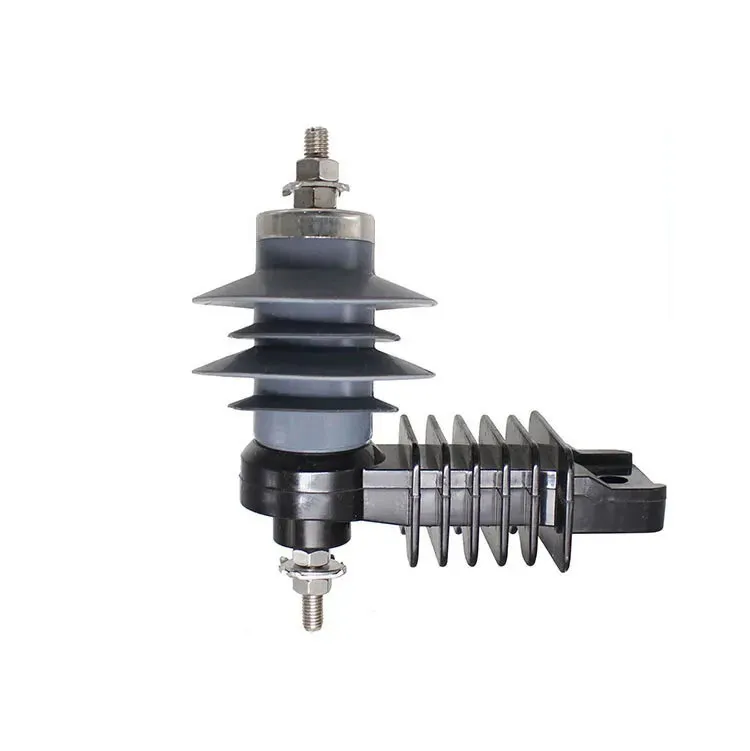
For product routing, see Fuerte’s discharge-counter page and the broader lightning-arrester category.
Frequently asked questions
Does a high counter value prove arrester failure?
No. It signals that a review may be needed. Apply the owner’s condition-monitoring procedure and corroborating evidence.
Should every event be reset?
Do not reset a record outside the approved maintenance process. Preserve the reading and document any authorized reset.
Can one counter be used with any arrester?
Compatibility depends on the specified configuration and installation. Confirm model and interface evidence.
What is the first field to capture?
Capture the asset tag and location together with the date and model; an unassigned number has little audit value.
Conclusion
A counter is most valuable as a traceable event record, not as a stand-alone verdict. Preserve the asset, model, time, location, and installation context; then apply the owner’s approved inspection and condition-monitoring method before deciding on maintenance or replacement. Never turn a count into an unsupported threshold or failure claim. Fuerte can help identify a documented counter or arrester configuration through its arrester route, while the project team retains the diagnostic and release decision.