
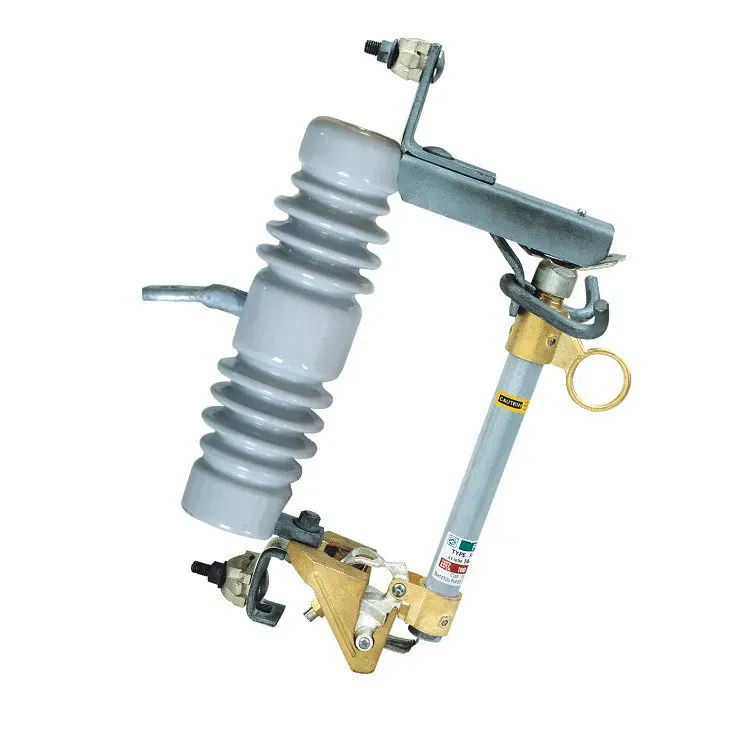
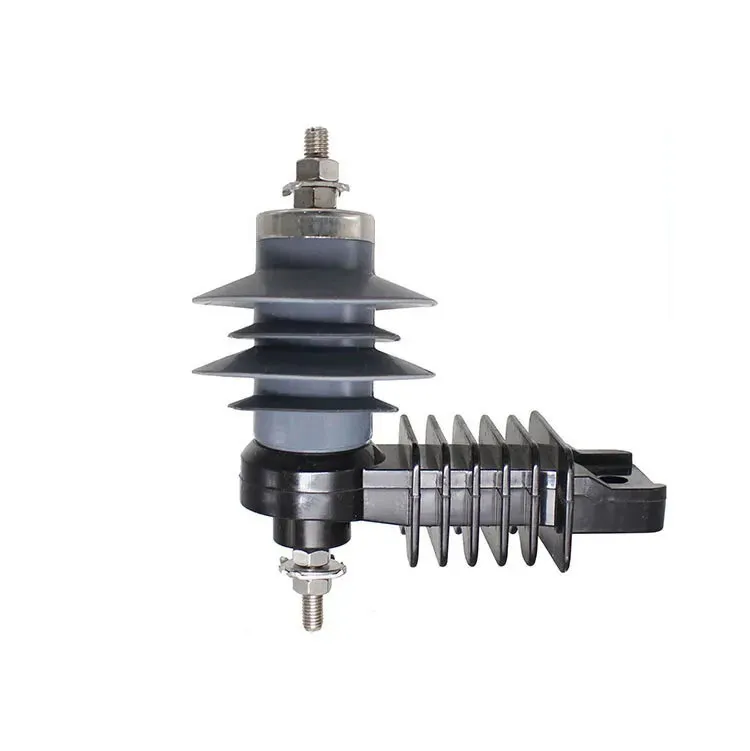
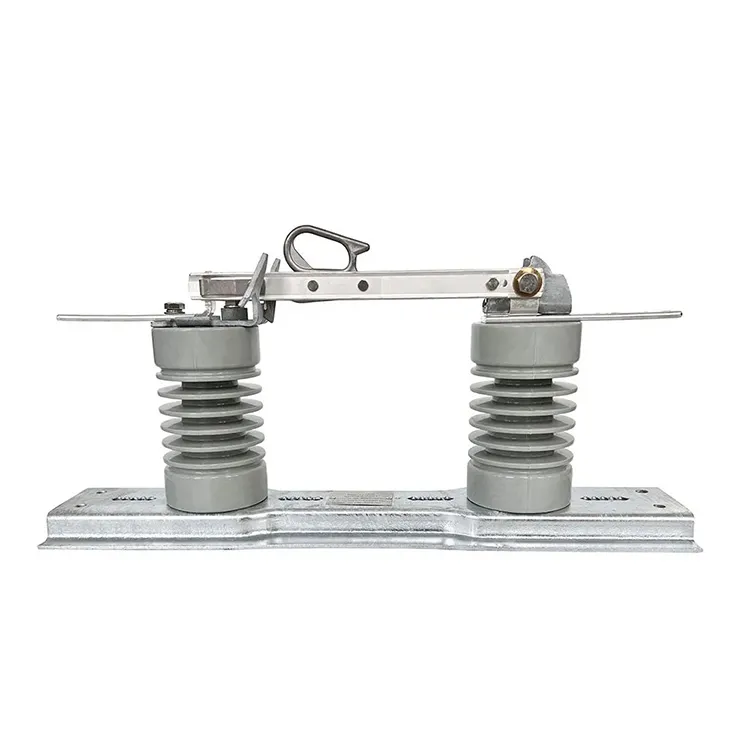
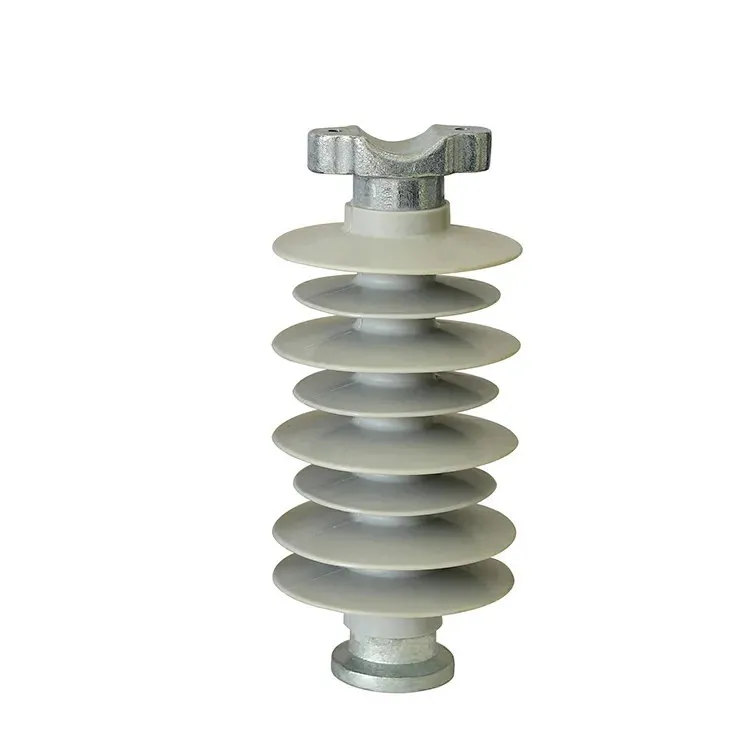
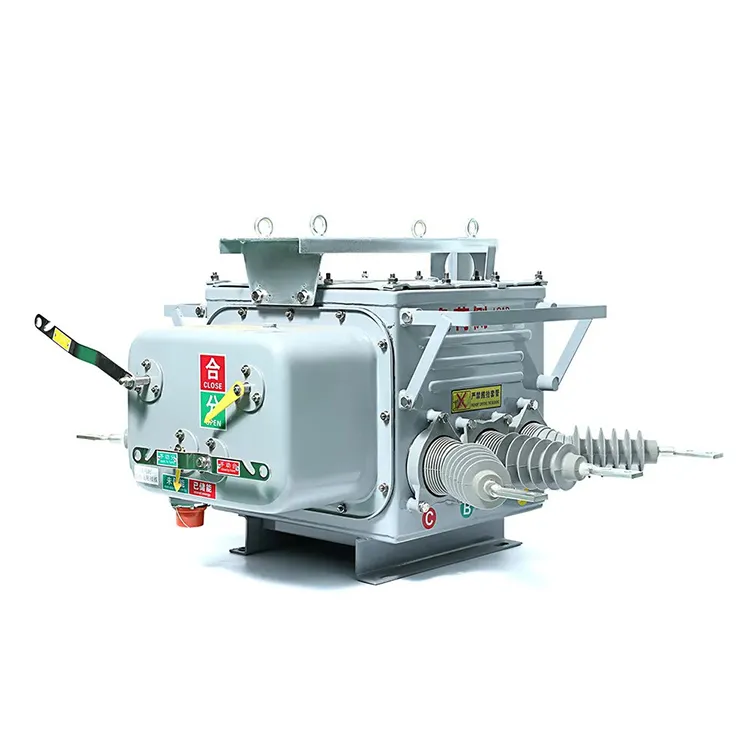
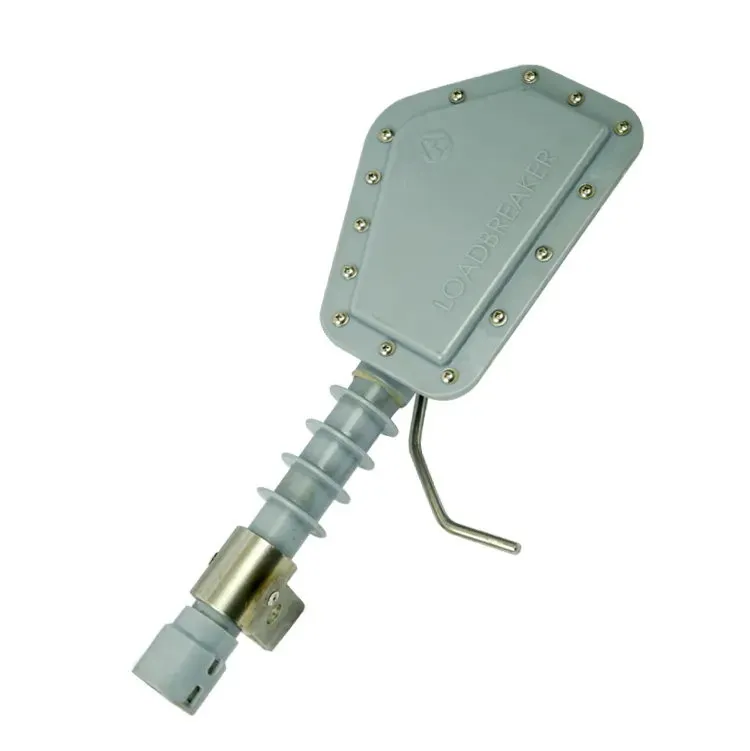


An isolator fuse combination mixes isolation language with fuse protection expectations, while a plain disconnector or isolating switch is primarily an isolation device; buyers must separate interruption claims, visible-break needs, and RFQ wording before mixing product families on medium-voltage lines. Use it to split isolation language from fuse protection language. It is a checklist for procurement and engineering teams — not sizing or approval for isolator-fuse-combination-mv-boundaries.
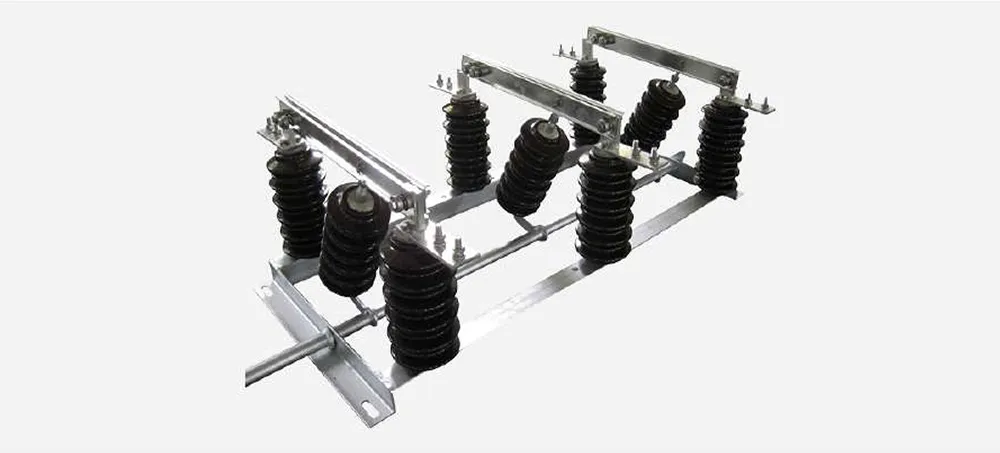
Part 1. Why Isolator Fuse Language Causes RFQ Confusion
Buyers searching isolator fuse often blend three ideas: visible isolation, fuse-based overcurrent protection, and a combined overhead device. Each idea needs its own sentence in the RFQ. If those sentences are missing, suppliers may quote disconnectors, cutouts, or combination devices that are not interchangeable for the intended operating procedure.
Readers searching for isolator fuse usually need a project checklist, not a catalog slogan.
Operating procedures that assume fuse clearing cannot be satisfied by isolation-only hardware, regardless of nickname.
Part 2. Disconnector Duties Versus Fuse Protection Duties
A disconnector or isolating switch is typically reviewed for isolation, visible break, and load-status limits stated in project documents. Fuse protection duties ask about overcurrent clearing and coordination. Combining the words isolator and fuse does not automatically create a verified combination product. Record which duties are in scope and which are excluded.
| Duty word | Typical question | Do not assume |
|---|---|---|
| Isolator / disconnector | Visible break and isolation limits? | Fault interruption included |
| Fuse | Overcurrent clearing and coordination? | Isolation procedure satisfied |
| Combination claim | Is a single assembly specified? | Catalog nickname equals assembly |
| Load switching | Is loadbreak in documents? | Marketing equals approved duty |
Part 3. Interruption Claims and Operating Procedure Notes
Ask whether any offered device claims load switching, fault interruption, or isolation-only behavior. Tie those claims to manufacturer documents for the exact model. Operating procedures that assume a fuse will clear faults cannot be satisfied by an isolation-only switch, and vice versa.
Important: Mixing isolator and fuse words in a purchase title does not create verified interruption capability. Separate duties or require combination-assembly evidence. (Source: IEC/IEEE switchgear and fuse overview practice; project operating procedures.)
Part 4. RFQ Wording That Keeps Families Separated
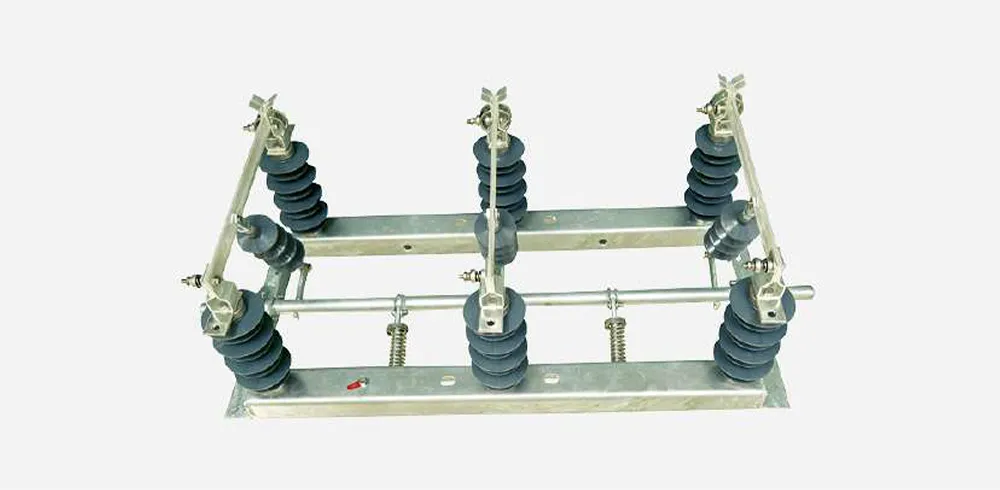
Use separate line items for isolation devices and fuse protection devices unless the project explicitly specifies a combination assembly with model evidence. Reference sibling guides for disconnector selection and RFQ checklists. Keep fuse cutout siblings for protection-side questions instead of forcing one product page to answer both.
| RFQ line item | What to state | Why |
|---|---|---|
| Isolation device | Model family + isolation evidence asks | Keeps switch scope clean |
| Fuse protection | Cutout/link inputs separately | Avoids mixed quotations |
| Combination assembly | Only if drawings require it | Prevents silent substitutions |
| Documents | Exact model IDs for each line | Comparable commercial review |
Part 5. When Switch-Disconnector Pages Are the Better Sibling
If the buyer’s real question is isolation duty limits and specification language, open the switch-disconnector and disconnector-versus-isolating-switch guides. Use this page when the confusion specifically involves fuse combination wording versus plain isolation. For a related technical topic, see When Does an Enclosed Cutout Fuse Fit Versus Dropout?.
If combination assemblies are truly required, demand model identity for the assembly rather than stitching nicknames from two families.
Related reading: disconnector vs isolating switch; disconnector switch selection guide; medium-voltage disconnector switch RFQ checklist.
Part 6. FUERTE Isolation Routes After Boundaries Are Clear
Confirm isolation-only scope first, then discuss FUERTE isolating switch or disconnector routes with documented ratings basis and mounting notes. If fuse protection is also required, keep a separate fuse cutout inquiry rather than stretching isolation product claims.
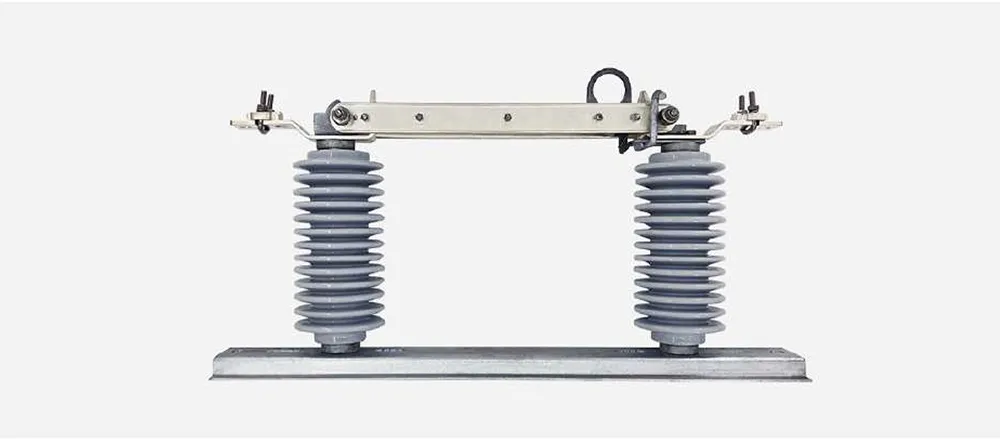
| Confirmed scope | FUERTE route | Still required |
|---|---|---|
| Isolation-only overhead switch | GW9-15GX Isolating Switch | Voltage, current, mounting notes |
| Disconnector discussion | Disconnector product route | Duty limits + documents |
| Fuse protection also needed | Separate fuse cutout inquiry | Do not stretch isolation claims |
- GW9-15GX Isolating Switch — isolation-switch discussion after duty boundaries are written.
- Disconnector product route — disconnector discussion when isolation-only scope is confirmed.
Write duty boundaries first, then clarify isolation scope with the FUERTE Isolating Switch or contact FUERTE.
Part 7. Fit Boundaries
Keep this guide limited to isolator fuse versus disconnector duty vocabulary. It does not invent switching ratings, certify combination devices, or approve line operating procedures.
FAQ
What does isolator fuse usually mean to buyers?
A mix of isolation language and fuse protection expectations; split those duties in the RFQ.
Is a disconnector the same as an isolator fuse combination?
Not by default. Confirm whether fuse protection is in scope or excluded.
Can an isolating switch replace a fuse cutout?
Only if documents assign the same duties; interruption and isolation are different questions.
What interruption claims should be verified?
Any load switching or fault-clearing claims against exact-model manufacturer data.
Which sibling should I read for term differences?
The disconnector vs isolating switch guide for naming; this page for fuse-combination boundaries.
Should combination devices appear as one RFQ line?
Only when drawings specify a combination assembly with evidence requirements.
What belongs in a boundary-clear RFQ?
Separate isolation and fuse line items, duty limits, mounting notes, and document lists.
Does this page certify an isolator fuse product?
No. Final acceptance needs project documents and verified product evidence.