
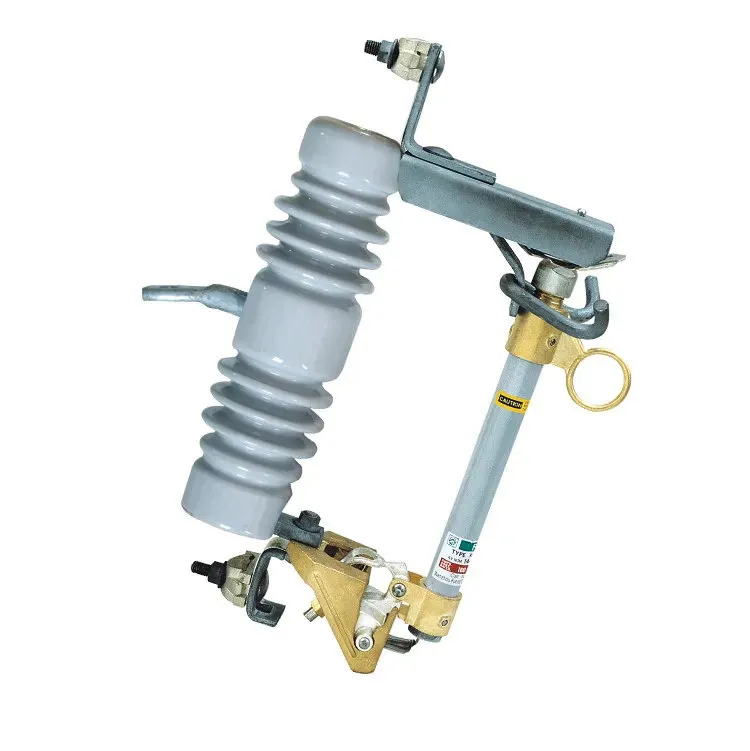
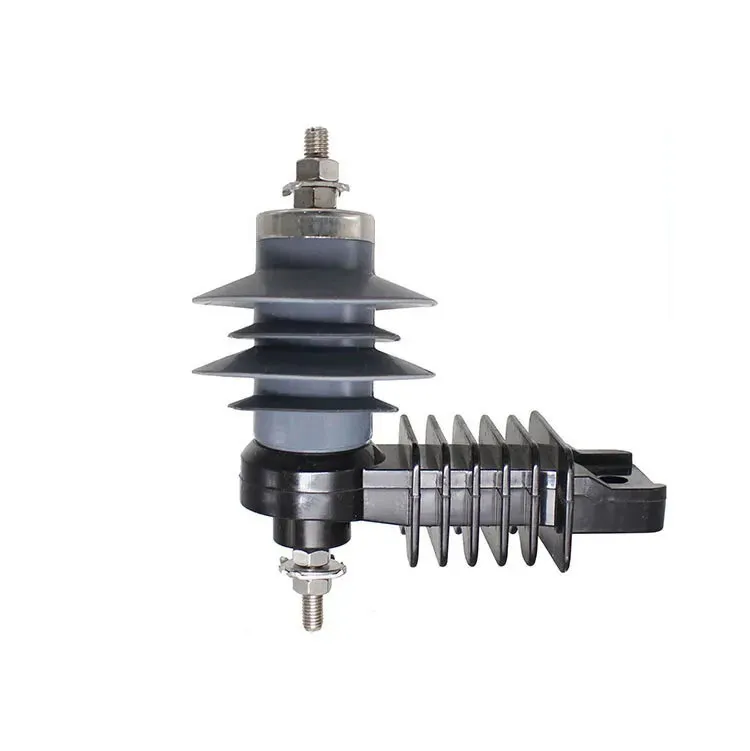
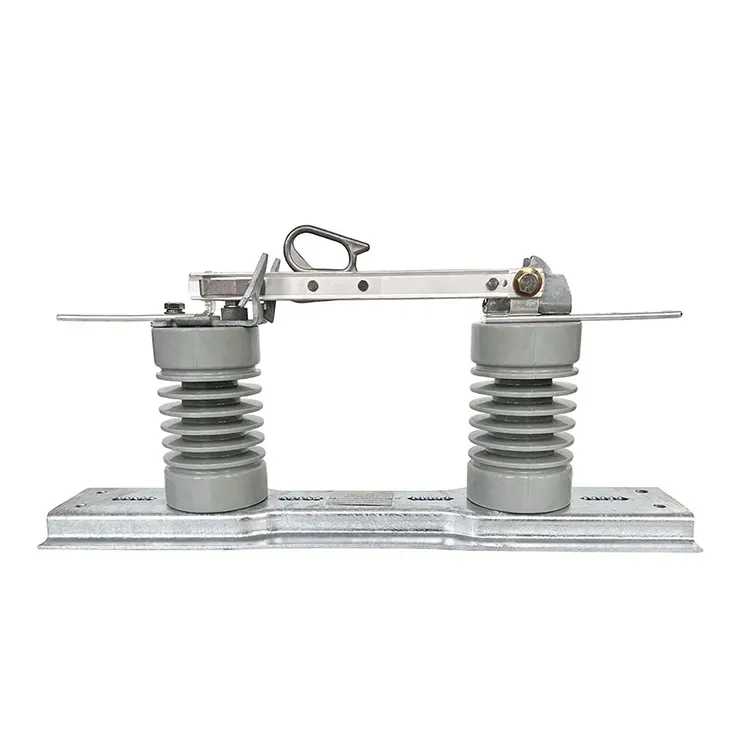
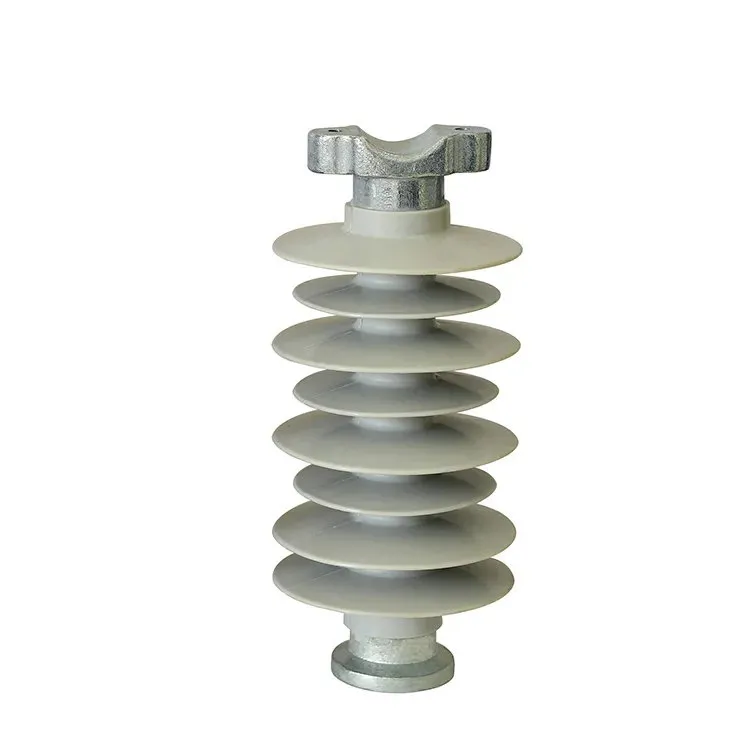
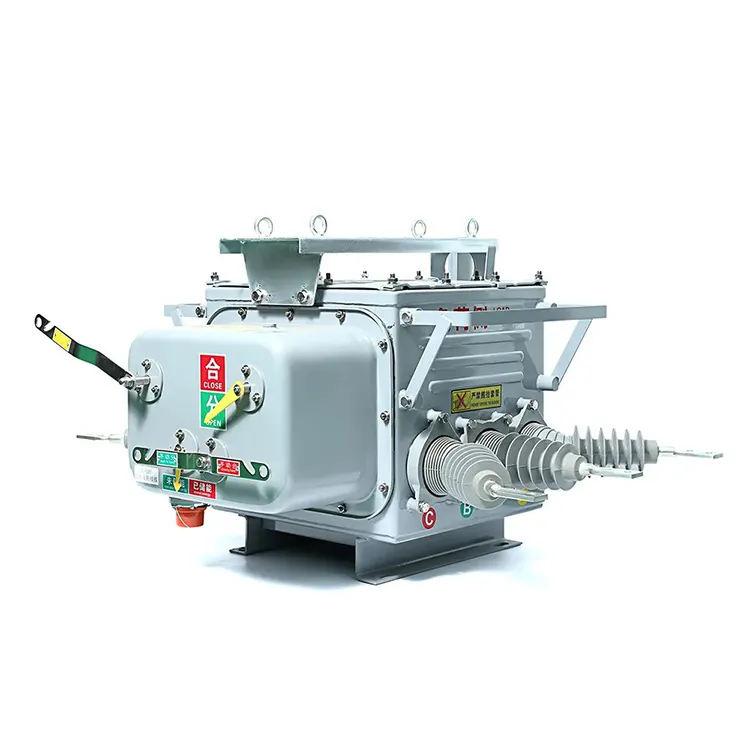
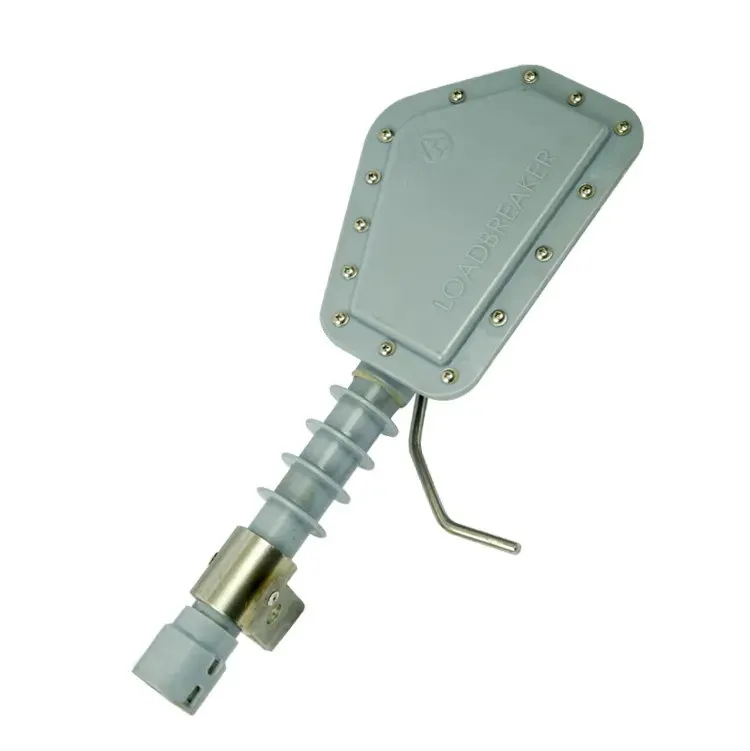


An enquiry headed “isolator fuse” can produce three different quotations: a visible-break switch isolasi, a fuse cutout that clears overcurrent, or a combination assembly whose interruption duties must be proved. Those devices may share field terminology, but they do not automatically share ratings, operating procedures or evidence. If the distinction is left implicit, a medium-voltage project can receive a technically unsuitable substitute, an uncoordinated fuse, or a switching claim that the equipment was never designed to make. This guide separates the duties, shows how to word an RFQ, and identifies the documents a buyer should verify before treating two product families as interchangeable.
Summary: An isolator fuse is not a universal product category. A pemutus daya or isolating switch is specified primarily for isolation and, where stated, defined switching duties; a fuse assembly is specified for overcurrent interruption and coordination. IEC 62271-102 is the relevant product scope for many high-voltage AC disconnectors and earthing switches, while IEC 60282-1 and IEC 60282-2 address current-limiting and expulsion fuses. Confirm the exact standard, voltage class, current duty, fault level, visible-break requirement and operating sequence before accepting a quotation. If both isolation and fuse protection are required, ask for evidence for the complete combination assembly rather than joining two names in a purchase title.
Why do isolator-fuse terms create RFQ confusion?
“Isolator,” “isolating switch,” “disconnector” and “fuse cutout” are used inconsistently across utility specifications and supplier catalogues. In one document, isolator may mean a device intended to provide a visible open point after a circuit has been de-energised. In another, the same word may be used for an outdoor switch with a stated load-switching duty. A fuse cutout adds a fuse link and an interruption function, but the holder position alone does not prove that the device can clear every fault available at the installation.
The practical risk is a mismatch between the operating procedure and the offered equipment. A procedure that requires a visible break cannot be inferred from a fuse operation; a protection study that requires fault clearing cannot be satisfied by an isolation-only switch. Write the intended sequence—open under what conditions, what clears a fault, and what confirms isolation—before asking suppliers to select a model.
Which duties belong to a disconnector and which belong to a fuse?
A disconnector is normally evaluated for an open position that isolates a circuit, insulation across the open gap, mechanical operation and any explicitly stated transfer or load-switching duty. A fuse is evaluated for its time-current behaviour, rated voltage and current, interrupting capability and coordination with the protected equipment. An assembly can contain both functions, but the combination must be identified and tested as an assembly; a catalogue nickname is not evidence of combined performance.
| Specification question | Isolation device focus | Fuse protection focus |
|---|---|---|
| What opens the circuit? | Specified manual or motor operation and visible gap | Fuse element separates during an overcurrent |
| Can it interrupt load or fault current? | Only the duty stated and evidenced for the model | Interrupting rating and fuse technology must cover the prospective current |
| What must be coordinated? | Clearance, interlocks and operating sequence | Time-current curve, transformer or feeder duty and available fault current |
| What evidence is needed? | Type designation, drawings, ratings and applicable test report | Fuse-link identity, curves, interrupting data and application limits |
How do IEC 62271 and IEC 60282 scopes affect the specification?
IEC 62271 is the switchgear and controlgear family. IEC 62271-102 provides the product scope for AC disconnectors and earthing switches, including the characteristics and tests used to demonstrate the device’s specified duties. The standard does not turn every isolating switch into a fault interrupter, and the project must still state whether a load-switching function, earthing operation or interlocking arrangement is required.
IEC 60282 covers high-voltage fuses. IEC 60282-1 concerns current-limiting fuses and IEC 60282-2 concerns expulsion fuses; each technology has its own application limits and evidence. A fuse cutout enquiry should therefore identify the fuse family, link type, voltage and current ratings, interrupting range and coordination data. If a supplier cites a different national adoption or edition, record that deviation and have the design authority confirm equivalence.
The standards are complementary rather than interchangeable. A project may use a 62271 disconnector for isolation and a 60282 fuse for protection, but the single-line diagram, operating procedure and test evidence must show how the two duties interact. Do not claim compliance with both standards for a product that has only been assessed to one scope.
How should an RFQ keep isolation and protection line items separate?
Use separate line items unless the drawings explicitly require a tested combination assembly. This lets bidders state what they are supplying and prevents a low-cost isolation device from being compared with a fuse-protection package as if the two were equivalent. The following wording can be adapted to the project schedule.
| RFQ line | State explicitly | Request from the supplier |
|---|---|---|
| Disconnector / isolating switch | System voltage, continuous current, installation, visible-break and switching duty | Exact type designation, dimensional drawing, operating limits and applicable 62271 evidence |
| Fuse and holder | Fuse family, link rating, fault-current range, coordination and environment | Time-current curves, interrupting data, link identity and 60282 evidence |
| Combination assembly | Required sequence, interlocks and which device interrupts each condition | Assembly drawing, test basis and declared deviations; no unapproved substitutions |
For a terminology cross-check, see disconnector versus isolating switch in medium-voltage systems. If the protection side is the real question, the enclosed cutout versus dropout selection guide is a better companion than a generic isolator page.
What should be checked before selecting a FUERTE route?
First confirm the duty boundary on the one-line diagram and operating schedule. Then record the highest system voltage, continuous current, prospective fault current, grounding arrangement, altitude, pollution or weather exposure, mounting geometry and control requirements. Finally, match those inputs to the exact model data and the project’s adopted standard edition. A product page can identify a route for discussion, but it cannot replace the design authority’s insulation, protection and clearance checks.
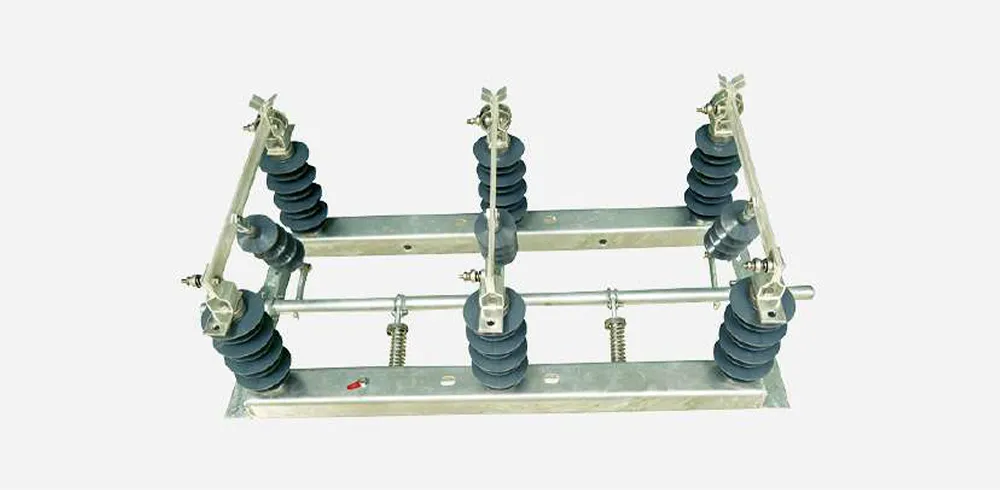
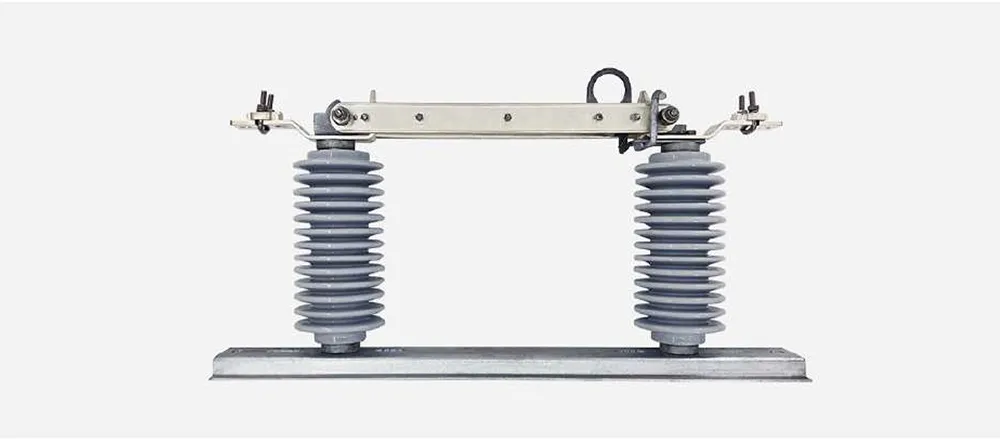
- Use FUERTE GW9-15GX Isolating Switch when the confirmed requirement is an isolation-switch function and the project documents define its duties.
- Use the FUERTE disconnector route when the specification calls for a disconnector and its visible-break, mechanical and installation evidence.
- Keep a separate fuse-cutout enquiry when overcurrent protection is required; do not infer fuse performance from an isolating-switch catalogue page.
Itu FUERTE isolating-switch range can be reviewed after the duty schedule is complete. Send the one-line diagram, ratings sheet and required documents through the FUERTE contact team when a project-specific review is needed.
What questions do buyers ask about isolator-fuse boundaries?
Is an isolator fuse the same as a disconnector?
No. “Isolator fuse” is often shorthand for mixed duties. Confirm whether the device must isolate, switch load, interrupt faults, or combine a switch with a fuse.
Can an isolating switch replace a fuse cutout?
Not by name alone. A replacement needs documented interruption, coordination and installation evidence for the same duty.
Does a visible open position prove that a circuit is safe?
It supports an isolation procedure, but authorised personnel must still follow the project’s de-energisation, testing and earthing rules.
Which IEC standard should appear in the RFQ?
Use the switchgear standard applicable to the disconnector or switch, commonly IEC 62271-102, and the fuse standard applicable to the selected fuse technology, such as IEC 60282-1 or IEC 60282-2. Confirm the adopted edition and any local utility requirements.
Kesimpulan
The key distinction is duty, not vocabulary. A disconnector or isolating switchestablishes an isolation function within its declared limits; a fuse provides overcurrent interruption according to its fuse technology, ratings and coordination. Start with the one-line diagram and operating sequence, separate isolation and protection line items, then verify the exact model against the applicable IEC 62271 or IEC 60282 scope and the project’s adopted requirements. Do not accept a visible-break claim as proof of fault interruption, or a fuse operation as proof of safe isolation. Once those boundaries are documented, FUERTE product routes and technical documents can be evaluated on the same evidence basis as competing offers.