
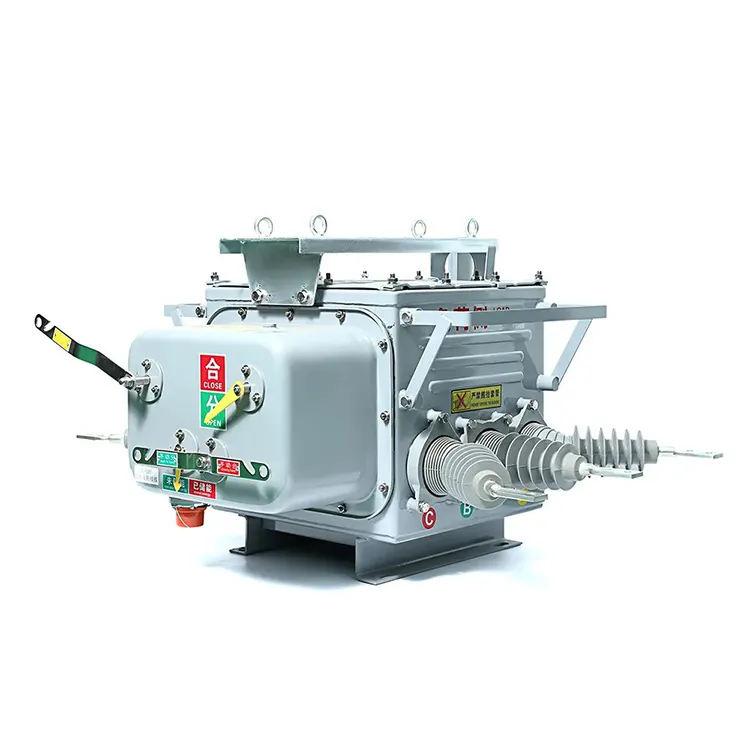
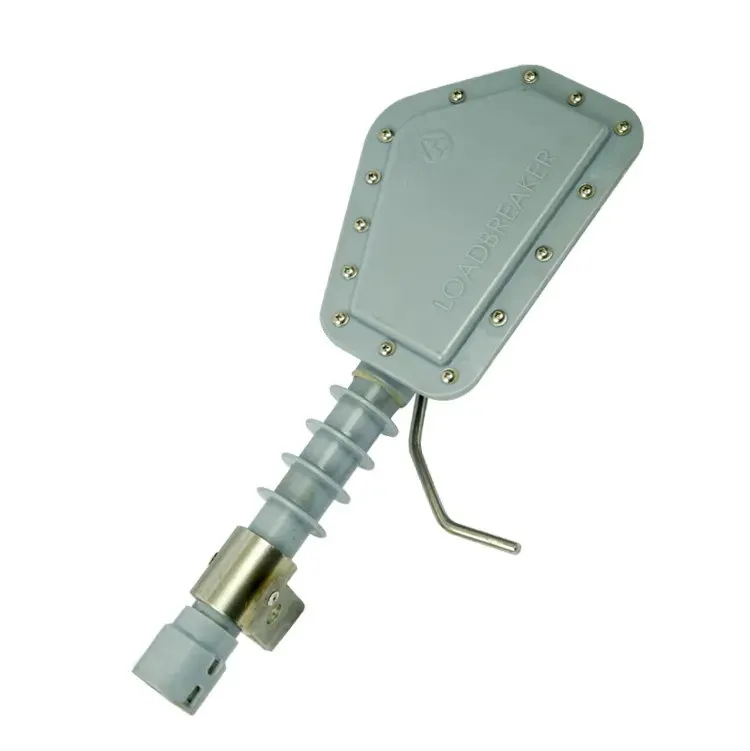


An enquiry for a pemutus daya can reach three suppliers and return three different equipment descriptions: isolator, disconnect switch and switch-disconnector. The names overlap in ordinary use, but the operating duties do not. A purchasing error occurs when a familiar label is accepted as evidence that the device can interrupt load or fault current. Start by identifying the required open position and the permitted operating sequence. This article separates the terminology from the duties so that a drawing, purchase order and operating instruction describe the same equipment.
A disconnector establishes an isolating distance in its open position under the conditions specified for the device. Isolating switch and isolator are often used for that function, although local usage varies. Switch-disconnector describes equipment that combines a switching function with disconnector requirements; its declared switching ratings still need checking. A circuit breaker has a different interruption duty. IEC 62271-102 covers AC disconnectors and earthing switches, while IEC 62271-103 addresses switches above 1 kV up to and including 52 kV. Neither a catalogue name nor a visible blade establishes every required function.
Why do disconnector and isolating switch often describe the same function?
The word disconnector identifies an isolation function. Isolating switch is widely used in equipment catalogues and project documents for a device performing that role. A contract should define the intended function rather than require a supplier to infer it from regional terminology. Record the open and closed positions, the conductors included and how the state is indicated or secured.
A useful terminology schedule retains the owner’s equipment tag and states the manufacturer’s device designation beside it. If drawings use a different name from the operating manual, resolve the discrepancy before issue. Operators need consistent position names and instructions, especially where several devices contribute to a maintenance isolation.
Which duties must be stated separately?
Carrying normal current, withstanding short-circuit current, making current, interrupting load and interrupting faults are different duties. A withstand rating describes survival for stated conditions; it does not establish an ability to open the same current. Some disconnectors have specified limited switching capabilities, so the correct rule is to check the declared duty rather than make a universal claim from the name.
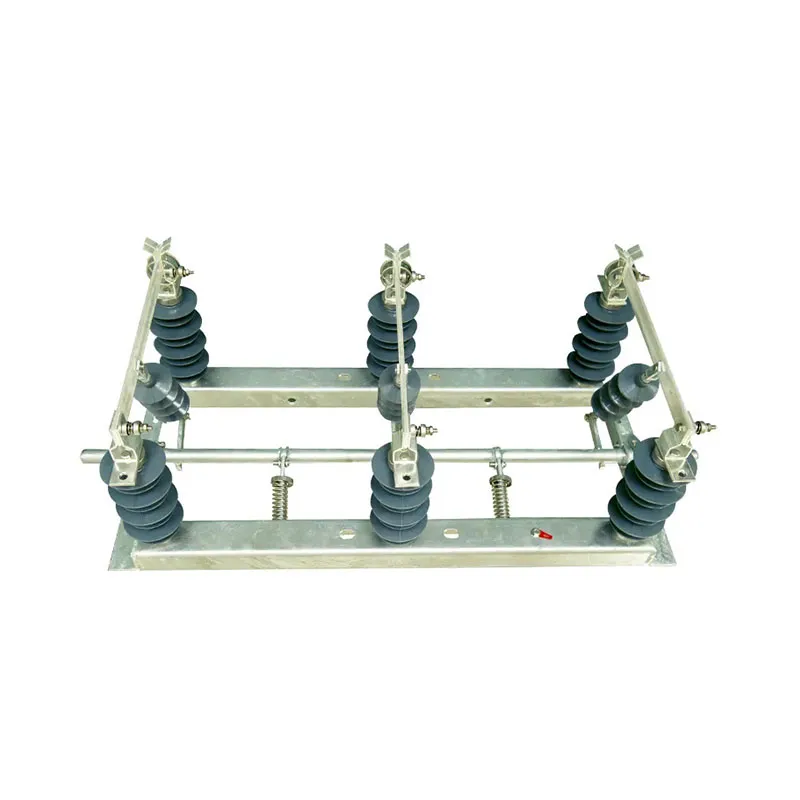
Earthing is also a separate function. An associated earthing switch needs its own rating and sequence review. An interlock can restrict an operation, but it cannot give the main contacts an interruption capability they have not been designed and verified to perform.
| Term or rating | What it establishes | What still needs checking |
|---|---|---|
| Disconnector / isolator | An isolation function as declared | Open-position requirements and permitted operations |
| Switch-disconnector | Switching and disconnection functions | Specific load-switching duty and ratings |
| Short-time withstand current | Withstand duty under stated conditions | Breaking and making duties separately |
| Pemutus sirkuit | Specified switching and fault-interruption duties | Isolation provisions and assembly interfaces |
How should conflicting names be resolved on a project?
Compare the single-line diagram, equipment schedule, outline drawing and operating instructions using the same device tag. Ask each supplier to state whether the offered device provides disconnection alone or an additional specified switching function. An unexplained difference should become a technical clarification before commercial comparison.
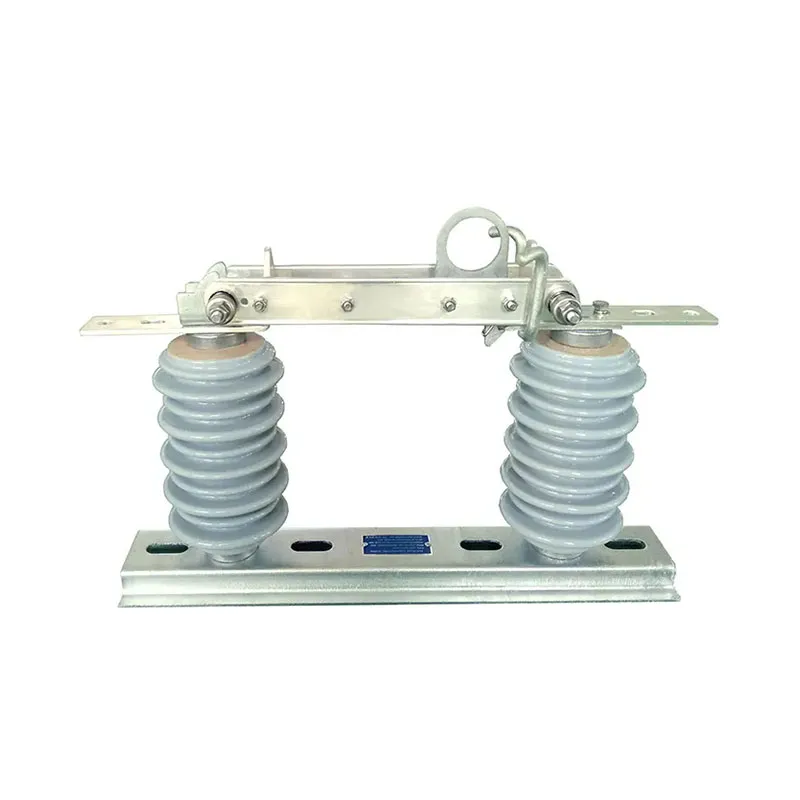
For example, a requirement to open a feeder while carrying load calls for an explicit switching-duty review. Replacing the wording with isolator does not remove that requirement. The responsible engineer should identify the appropriate equipment and sequence; the purchasing team should carry that decision into the response schedule.
What should the supplier return with a terminology clarification?
Request the exact designation, applicable product standard and edition, normal-current and withstand ratings, declared switching duties, position indication and interlock arrangement. The drawing should identify the offered configuration and accessories. Ask for an explicit statement of any operation that is prohibited or outside the offer.
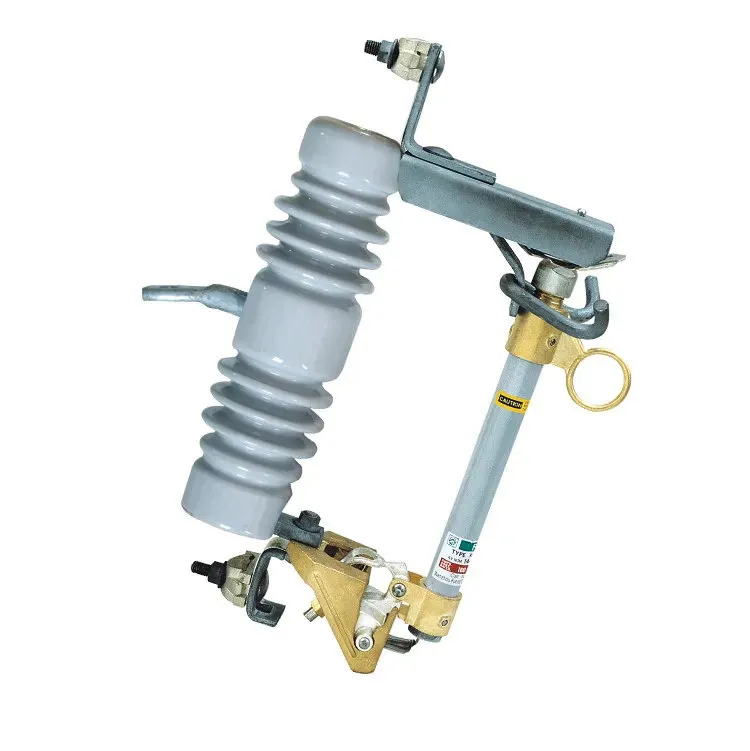
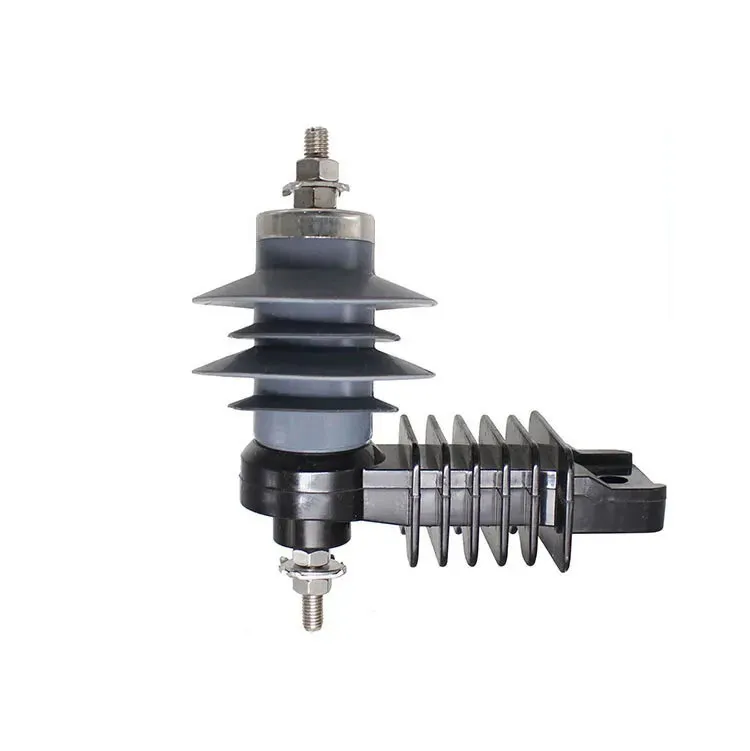
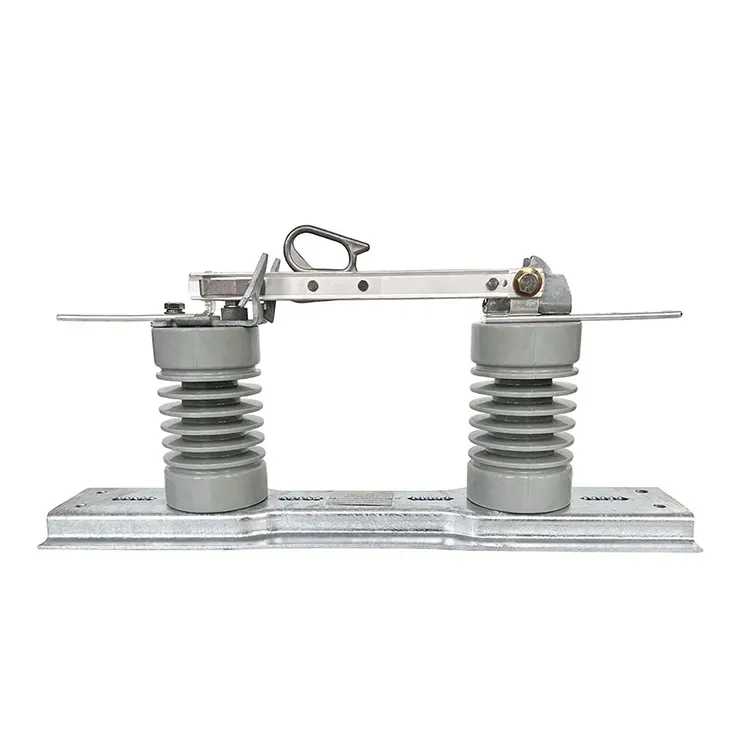
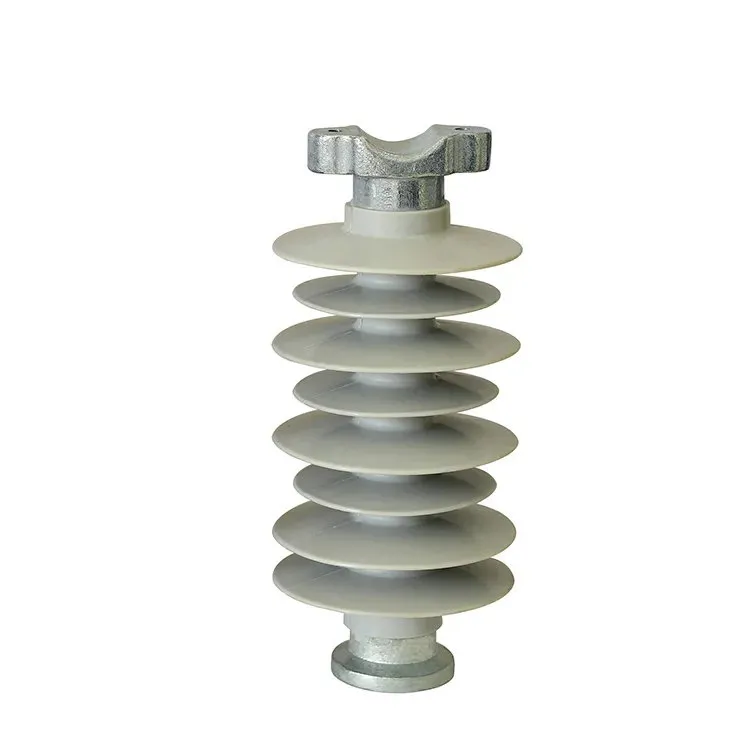
Use a product-family page to identify available configurations, then verify the selected arrangement against its own documentation. A photograph can show the exterior and an open position, but cannot demonstrate electrical isolation performance, breaking capability or approval of the complete installation.
FAQ
Is an isolator the same as a disconnector?
Often the terms describe the same isolation function. Confirm the contract terminology, applicable standard and the actual device documentation rather than relying on the label.
Can a disconnector interrupt load current?
Do not assume it can. Check any explicitly declared switching duty and the authorized operating procedure; a current-carrying or withstand rating alone does not establish load-breaking capability.
Does a visible open blade prove an installation is safe to work on?
No. Isolation requires the owner’s approved procedure, verification and any earthing or securing measures applicable to the installation. The visible position is one part of that process.
Why is switch-disconnector a separate description?
It identifies equipment combining specified switching and disconnection functions. The buyer must still define which current duties and operating conditions the project requires.
Ringkasan
Agree on the function before agreeing on the name. Disconnector, isolator and isolating switch may describe the same isolation role, while switching, fault interruption and earthing require separate statements of duty. Keep those statements consistent across the drawing, equipment schedule and operating instructions. Compare suppliers against the required functions and the exact offered configuration; do not treat a familiar catalogue label as a substitute for ratings or test evidence. For an overhead project, the next step is to confirm the mounting arrangement and operating sequence with the line owner before releasing the equipment for manufacture.