
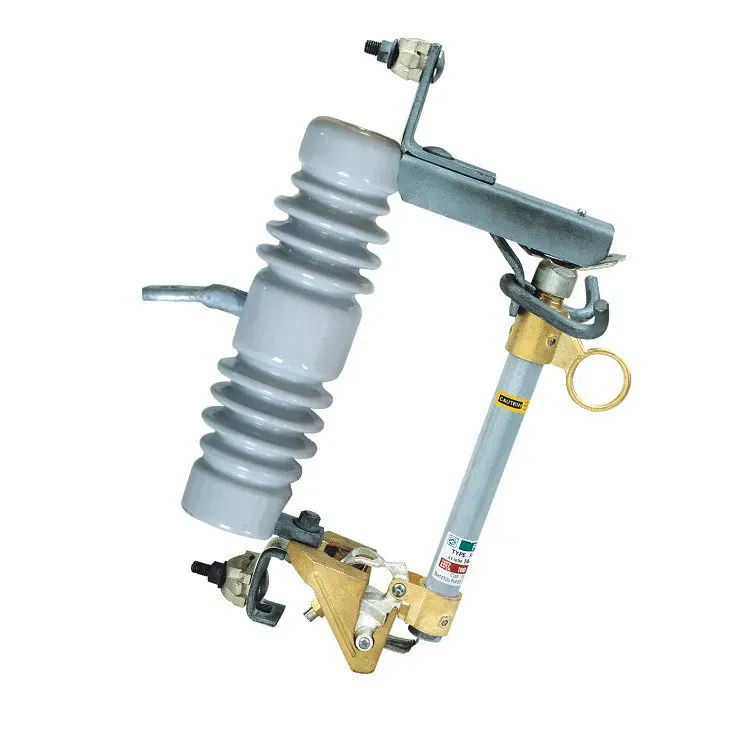
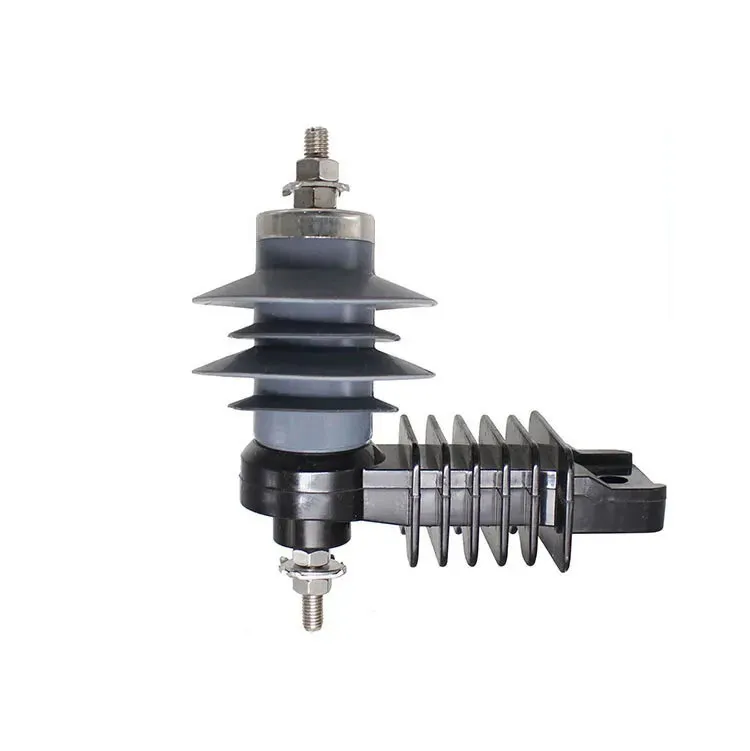
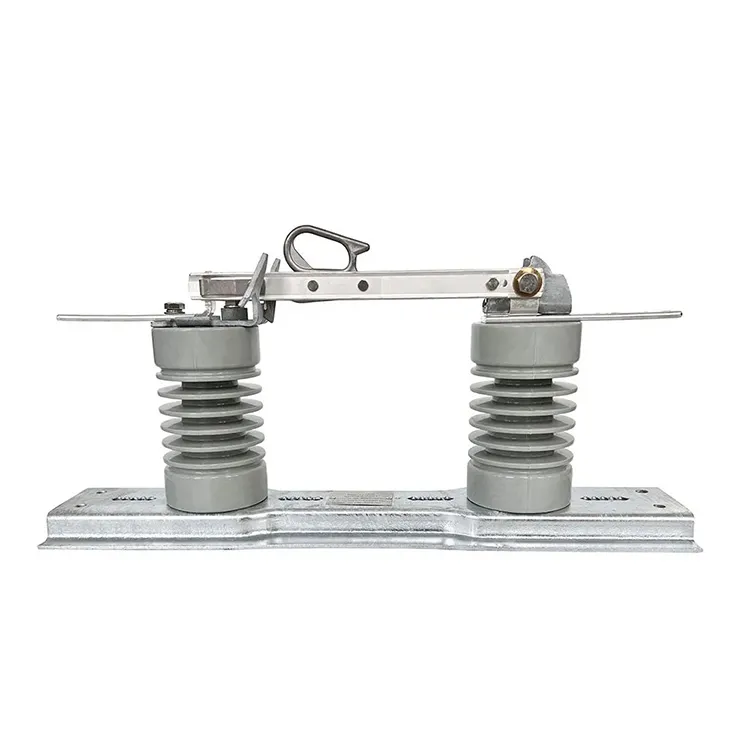
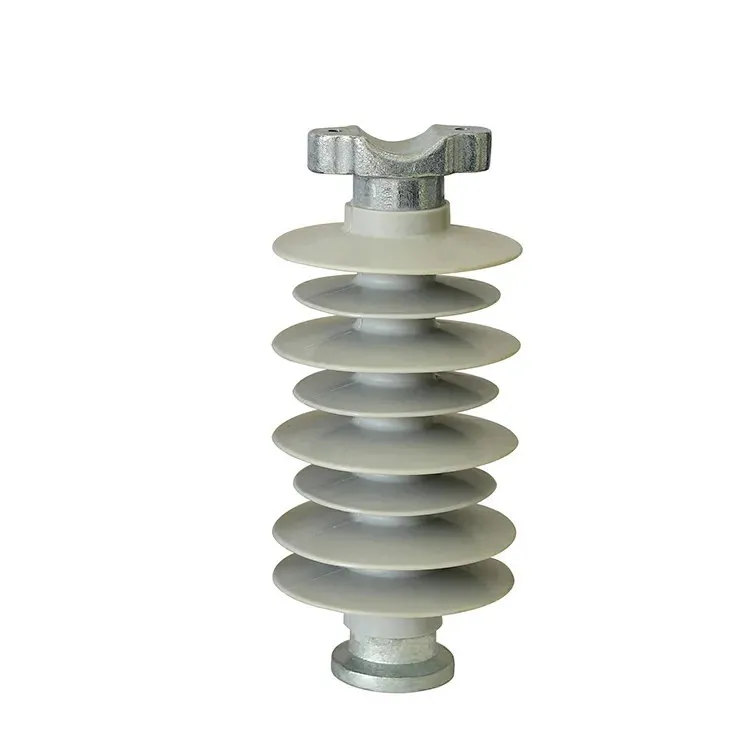
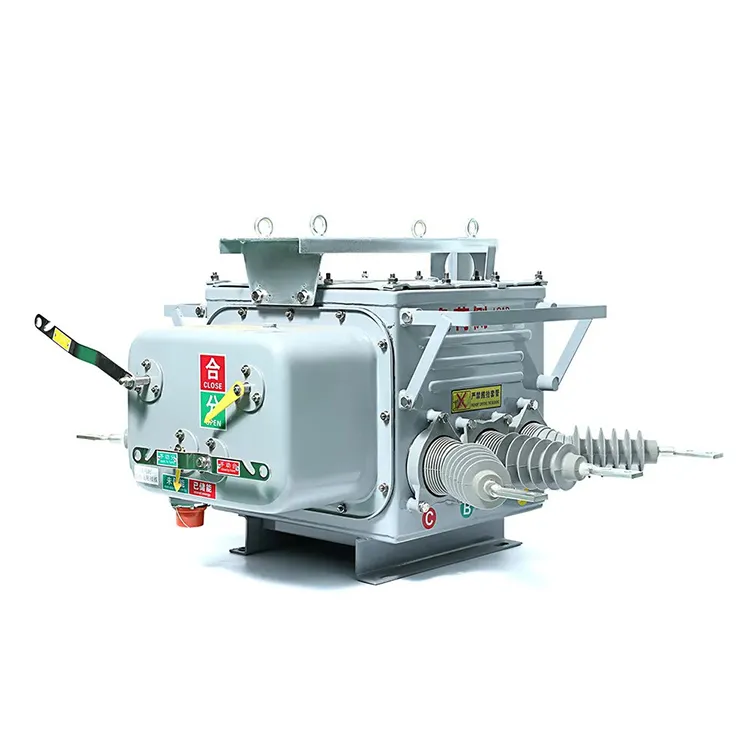
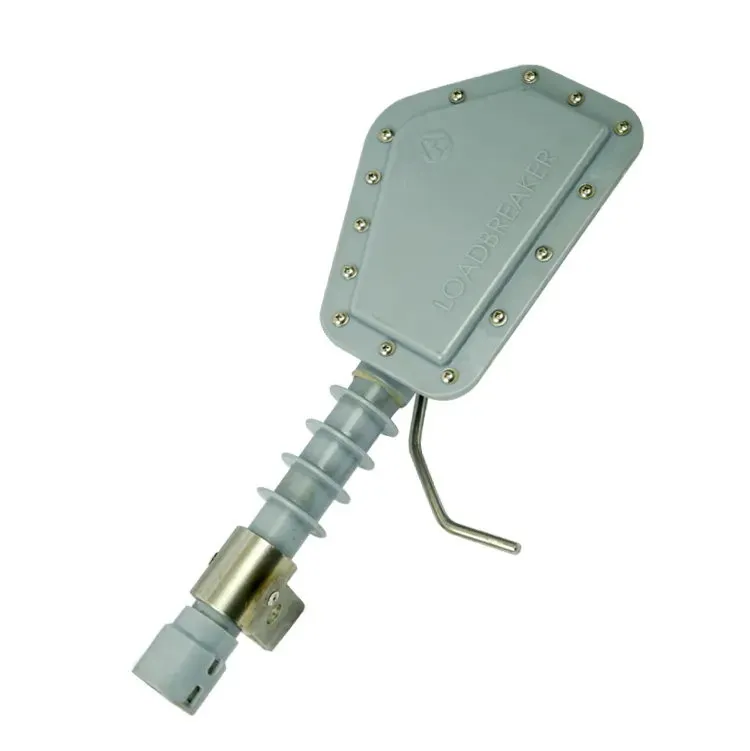


A disconnector switch decision is reliable only when the project distinguishes terminology, isolation duty, document evidence, and supplier exceptions. Treat the requested device as an isolation component within a controlled MV system boundary. Do not assume it is a load-break or fault-interruption device unless the offered configuration and project evidence explicitly establish that separate duty.
Across cross-border B2B projects, the same device can appear under several terms in legacy drawings, bid schedules, and product catalogues. The practical control is a written functional statement and a response schedule, not an attempt to harmonize every historical label. That approach keeps the engineering decision, supplier offer, and procurement record connected to the same boundary.

How should buyers set the functional language before comparing equipment?
A disconnector switch request should begin with the function that the project needs to document: a visible or otherwise defined isolation position, the associated operating procedure, and the system boundary. Names found in a catalogue, drawing, purchase order, and operating instruction may not be interchangeable. A controlled vocabulary prevents a buyer from accepting a familiar label as proof of the required duty. For a related technical topic, see Medium-Voltage Disconnector Switch RFQ Checklist.
For an overhead-distribution context, start with the published isolating switch product family and then bind the application to the owner’s single-line diagram and operating procedure. This article is deliberately about terminology; it does not repeat the selection overview in the published disconnector switch selection guide.
How should buyers separate isolation evidence from switching claims?
Isolation is a boundary requirement, whereas a switching claim needs its own stated duty and supporting evidence. A specification should say what position must be achieved, how it is indicated or secured, which conductors or phases are included, and which document controls the operating sequence. It should not silently turn an isolating device into a load-break or fault-interruption device.
The useful review question is not “does this name sound right?” It is “what duty has the supplier explicitly offered, and what source identifies the applicable configuration?” Where the project needs a different switching function, name that function separately and obtain the relevant project engineering decision.
| Controlled term | Buyer should define | Supplier should return |
|---|---|---|
| Isolation position | Required boundary and operating context | Offered arrangement and stated limitations |
| Equipment identity | Project reference and configuration request | Exact offered SKU and revision |
| Interface | Drawing, support, conductor, and accessory basis | Included items, exclusions, and exceptions |
| Evidence | Required documents and review stage | Document register and source references |
How should buyers turn the application boundary into controlled inputs?
An overhead-line package needs project inputs before a supplier can make a meaningful response. Record the system diagram reference, installation location, support and conductor interfaces, earthing arrangement where applicable, operating method, and all required accessories. Give every bidder the same revision-controlled information.
Avoid deriving electrical or mechanical values from a family photograph, a prior purchase, or an article title. The supplier should identify the offered configuration and flag any input that is absent. This is a specification-control step, not a substitute for engineering selection.
How should buyers ask for documents that identify the offered configuration?
At quotation stage, ask for a named offered SKU, data sheet, outline drawing, document register, declared exclusions, and a compliance response against the buyer’s schedule. Before release, resolve drawing revisions, interfaces, and deviations. The document set must identify the same configuration across each item.
IEC publishes a scope for alternating-current disconnectors and earthing switches in IEC 62271-102. That publication can guide the vocabulary used in a requirement, but it does not certify a quotation or demonstrate that an unnamed configuration meets a project need.
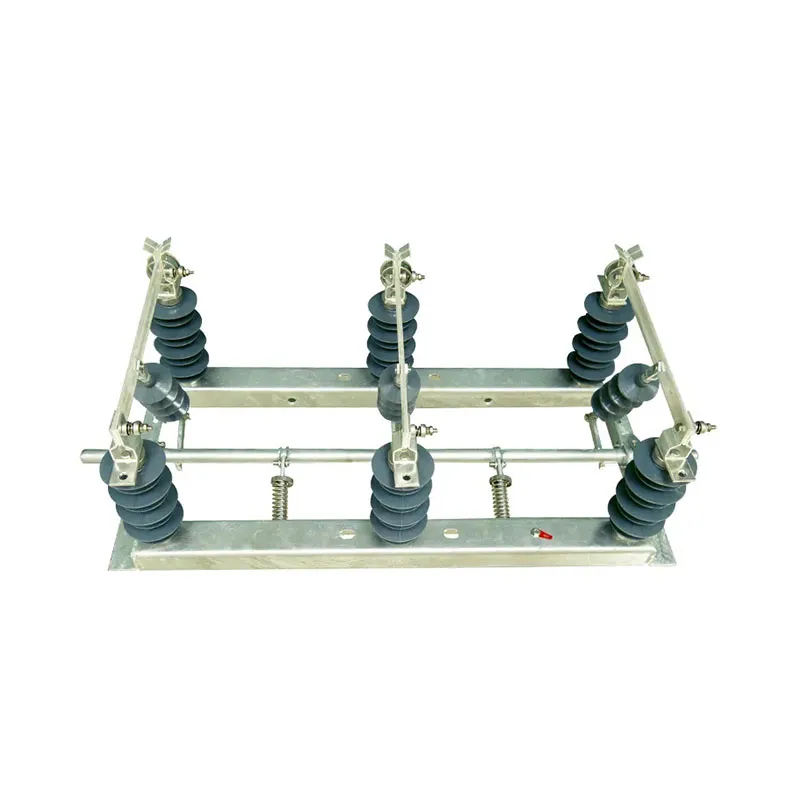
| Review point | Question | Acceptable record |
|---|---|---|
| Function | Is isolation stated without inventing a switching duty? | Compliance row and source document |
| Configuración | Does every document identify the same offer? | SKU and revision across the package |
| Exception | Has a deviation been made explicit? | Exception reference and buyer disposition |
| Release | Are outstanding interfaces assigned? | Controlled action list |
How should buyers review limits, interfaces, and exceptions row by row?
A table-based response makes a supplier’s assumptions visible. Put the buyer requirement in one column, the supplier response in another, and retain a source-document reference and buyer disposition. This makes it possible to distinguish confirmed scope from an open item without inferring missing capabilities.
When an operating, environmental, mounting, or documentation item differs from the request, record it as an exception. Close the exception by an approved change, a clarified offer, or a rejection; do not leave it embedded in a general catalogue attachment.
How should buyers use product pages as inquiry context, not approval proof?
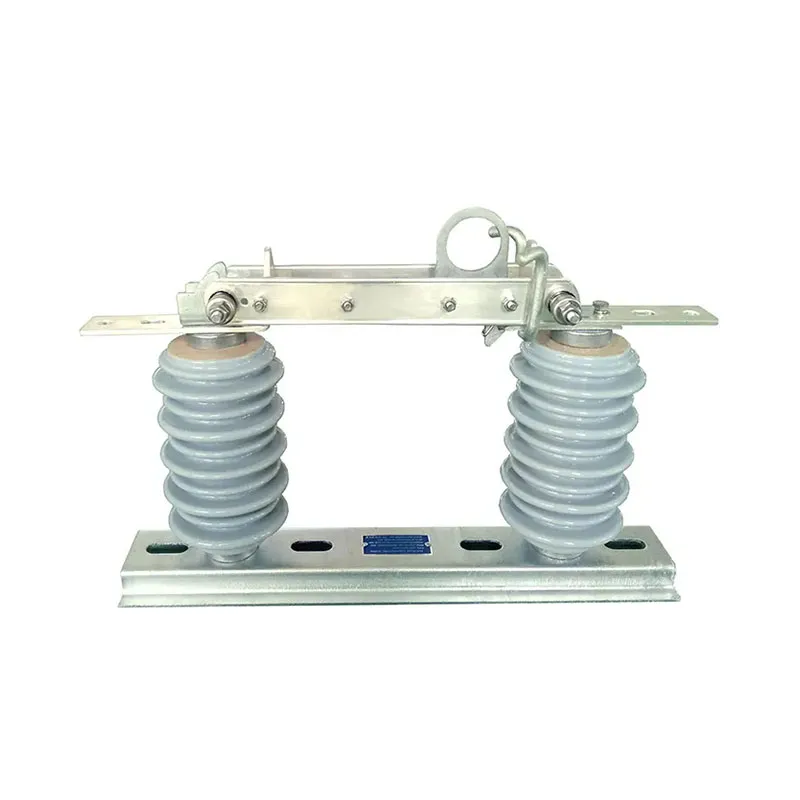
The GW9-15GX Isolating Switch page is a practical FUERTE destination when a buyer has a controlled requirement and wants a supplier conversation around a specific product page. Ask the supplier to confirm the exact offered configuration, current drawings, included accessories, and evidence relevant to the project.
Fit boundary
This context is useful for a defined overhead-line inquiry. It is not a default recommendation for an undefined duty, a missing interface, or a request that expects load interruption or fault interruption without separately verified evidence. Product recommendation: use the page to start an evidence-based inquiry, not to approve a configuration.
Recent selection guidance puts more emphasis on the functional boundary between a disconnector, a switch-disconnector and an earthing switch. IEC 62271-102:2018+AMD1:2022 covers AC disconnectors and earthing switches for indoor and outdoor installations; it does not turn every isolating switch into a load-break or fault-interruption device. The RFQ should state the required isolation, switching, earthing, interlock and making-duty functions separately so the supplier cannot answer an ambiguous label with an unverified assumption.
A practical 2026 evidence pack adds the single-line diagram, operating sequence, interlock matrix, terminal and mounting drawings, environmental conditions, short-circuit duty and the requested standard edition. Search results increasingly highlight earthing-switch interlocks and making-capacity classes, but the correct class remains a project input to be confirmed by the owner or EPC engineer. Treat product pages as context; approve the offered configuration only against the response schedule and referenced type-test or routine-test evidence.
Preguntas frecuentes
What does disconnector switch mean in a specification?
It is a search and procurement phrase, not a complete engineering requirement. Define the required isolation boundary, operating context, interfaces, and documents rather than relying on the phrase alone.
Is an isolating switch automatically a load-break device?
No. Do not make that assumption. State any required load-switching duty separately and verify it for the exact offered configuration through the project’s evidence route.
Can a product page prove project compliance?
No. It is useful product context, but approval depends on the project requirement, offered configuration, current documents, and documented review.
Which documents should accompany a quotation?
Request the exact offered SKU, data sheet, outline drawing, document register, compliance response, exclusions, and declared deviations needed for the quotation-stage review.
How should a buyer record an exception?
Link it to a specific requirement row, describe the impact, cite the supporting document, and record the responsible buyer disposition before release.
What information belongs on the interface schedule?
Include the controlling drawing, support arrangement, conductor connection information, accessories, operating method, site constraints, and each party’s inclusion boundary.
How does this article differ from a selection guide?
This article controls terminology, duties, specification evidence, and RFQ responses. The existing selection guide owns the wider selection overview.
When should the supplier be contacted?
Send the controlled requirement and response schedule through contact FUERTE once the project inputs and evidence request are ready.
Is an isolating switch automatically a load-break switch?
No. Isolation, load switching, fault interruption and earthing are separate duties unless the offered configuration and applicable standard evidence explicitly combine them. State each duty in the RFQ and require the supplier to identify the exact device type, operating sequence and ratings. A product-page label is not sufficient proof of load-break or fault-interruption capability.
What does IEC 62271-102 add to a quotation review?
It gives the relevant international scope for AC disconnectors and earthing switches in indoor and outdoor installations. It does not replace the project single-line diagram, interlock logic, environmental conditions or short-circuit study. Use the standard edition as one evidence field, then compare the offered configuration and test documents against the owner’s functional schedule.
Why should the interlock matrix be attached to an MV switch RFQ?
The matrix makes the permitted operating sequence visible and prevents an isolation device from being treated as an unrelated switching component. It lets the buyer check mechanical or electrical interlocks, earthing positions, key exchange and control interfaces against the single-line diagram. Any exception should be recorded as a written deviation, not left to catalogue interpretation.
Referencias
- IEC 62271-102:2018+AMD1:2022Official scope for AC disconnectors and earthing switches in indoor and outdoor installations.
- ABB MV switch-disconnector referencePublic example of function and standard language; not a performance comparison.
- Earthing switch making capacity and interlock guideCurrent SERP topic signal for interlocks and making-capacity review.
- MV disconnector and earthing-switch selectionCurrent SERP topic signal for isolated-circuit earthing decisions.