


A feeder may need to be opened during normal service and then isolated for maintenance. Those are two requirements, and a quotation for an ordinary disconnector does not automatically cover both. A switch-disconnector is relevant when the project needs a specified switching function together with disconnection. The review must identify what current is being switched, under which circuit conditions and in which sequence. Otherwise, bidders can offer apparently similar devices with different operating limits. This guide explains the ratings and interface questions that distinguish a switch-disconnector enquiry from a general isolator purchase.
A switch-disconnector combines the functions of a switch and a disconnector in one device. For AC equipment above 1 kV up to and including 52 kV, IEC 62271-103 provides the product-standard scope for switches and switch-disconnectors. The required load duty must be specified: continuous current, short-time withstand and breaking current answer different questions. Do not assume fault-current interruption, or transformer, cable and line switching capabilities, from the equipment name. Where a fuse combination provides protection, the complete combination needs a separate review under its applicable requirements.
What is being switched during normal operation?
Describe the circuit and switching event before selecting a device. Opening a loaded transformer feeder, switching a cable circuit and operating an unloaded line can present different duties. State the network voltage, frequency, current and operating sequence, and identify the manufacturer’s declared capability for that application.
The operating schedule should also state whether the switching is frequent service operation or occasional sectionalizing. Manual and motorized arrangements need different control interfaces, but changing the mechanism does not by itself change the electrical switching duty.
Which ratings distinguish carrying, making and breaking current?
Rated normal current describes continuous carrying duty under specified conditions. Short-time withstand current and duration describe a fault-current withstand duty. Making and breaking ratings describe switching events. Put them in separate rows of the enquiry so a bidder cannot answer an interruption requirement with a withstand value.

A switch-disconnector is not automatically a circuit breaker. If the protection scheme requires fault interruption, identify the protective device responsible for clearing the fault. When a switch-fuse combination is proposed, check the combination and its coordination rather than judging the switch and fuse independently.
Agree on disconnector terminology before translating a switching requirement into the purchase schedule.
| Requirement | Purpose | Question for the supplier |
|---|---|---|
| Normal current | Continuous carrying duty | Under which stated service conditions? |
| Breaking duty | The specified opening event | Which load or circuit duty is declared? |
| Short-time withstand | Fault-current withstand | What current and duration are offered? |
| Isolation and earthing | Maintenance arrangement | Which positions and interlocks are included? |
How should isolation, earthing and interlocking work together?
Show the required positions on the single-line diagram and define the permitted transitions. The project must identify the isolation function, any earthing device and the means of securing the intended state. Position indication, key exchange, mechanical interlocks and electrical controls should describe one consistent operating sequence.

An interlock review should include what happens when auxiliary power is lost and how manual operation is authorized. These questions concern the complete installation and operating procedure. They should not be left for the supplier to infer from an accessory list.
Which documents are needed before accepting an offer?
Request the exact device designation, applicable standard and edition, switching-duty schedule, outline drawing and control schematic. Test references must apply to the offered construction and duty. Record departures from the enquiry explicitly, including accessories, controls and installation work supplied by others.
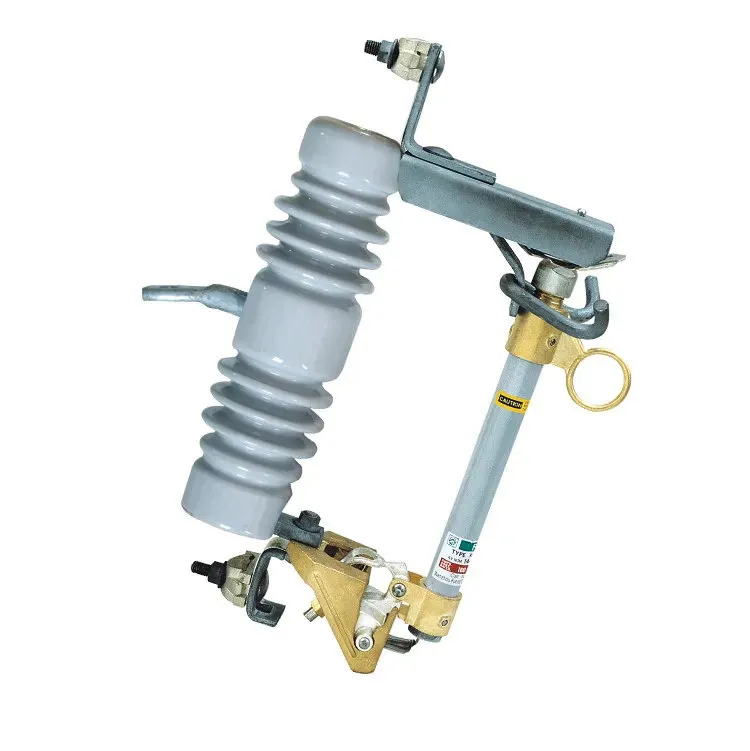
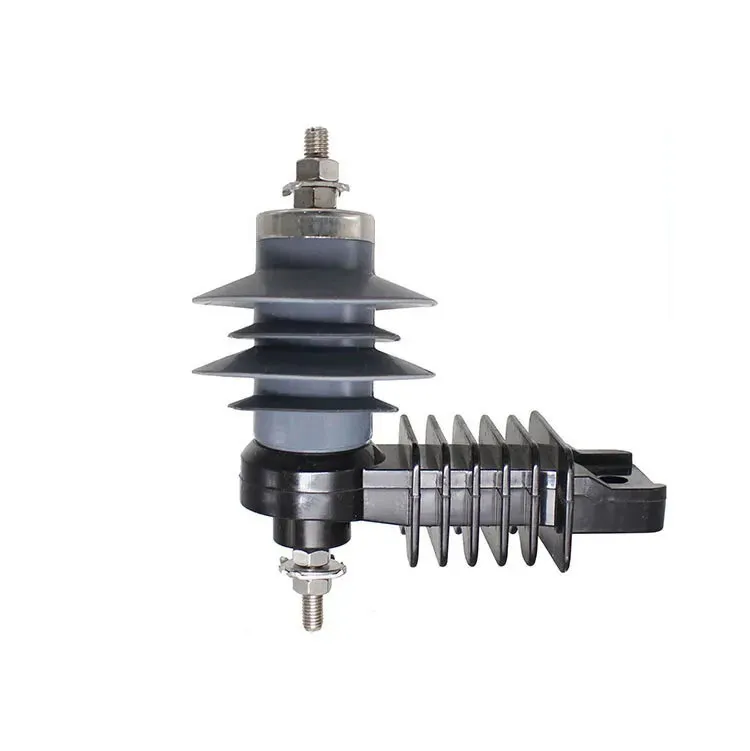
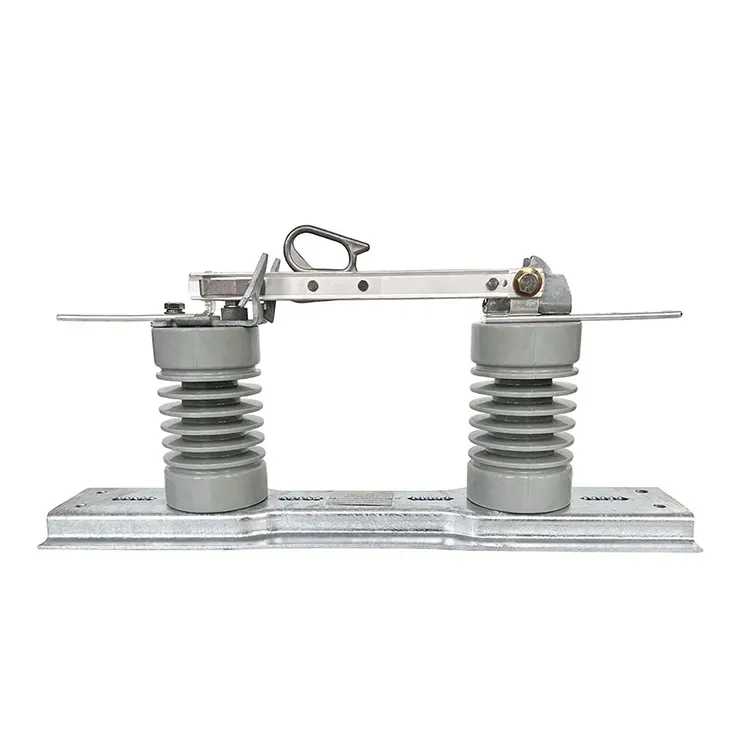
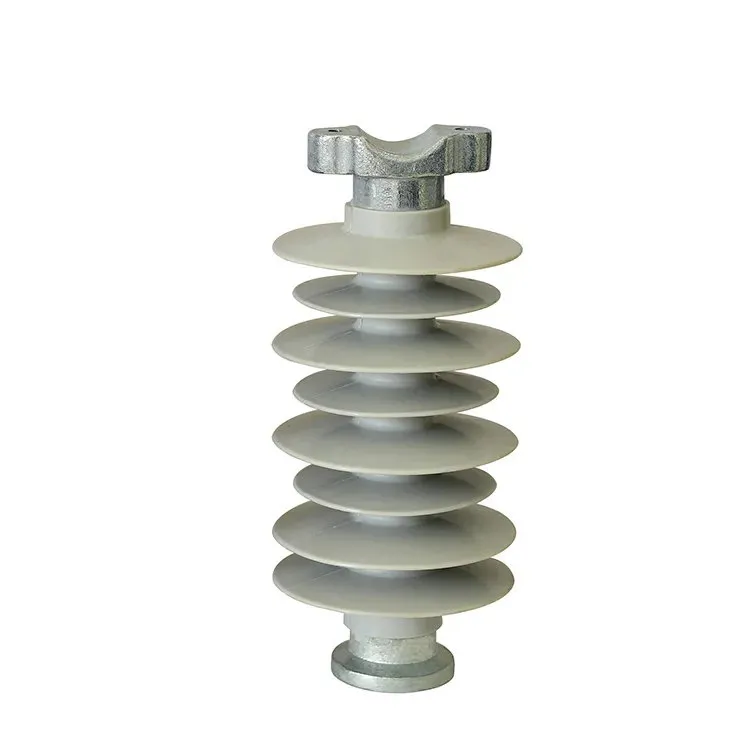
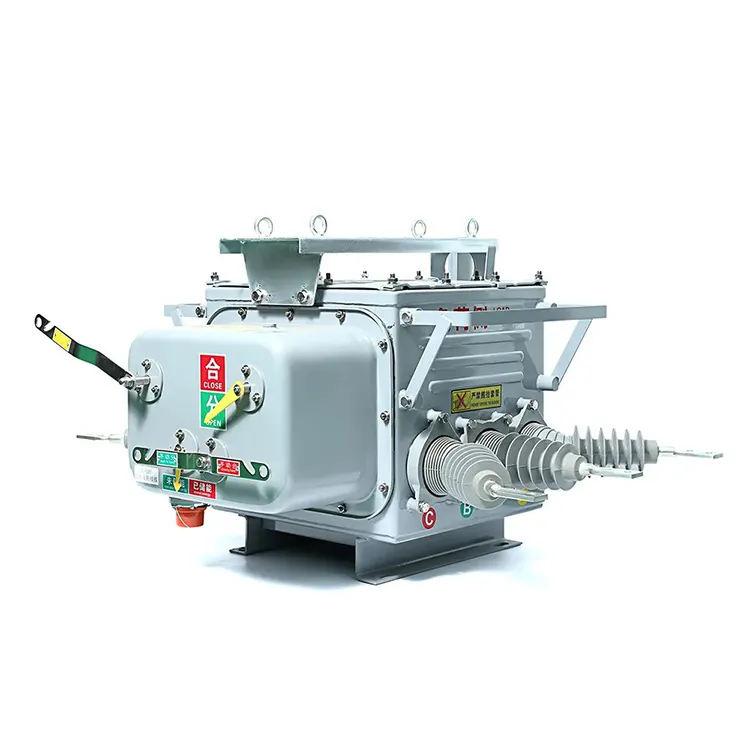
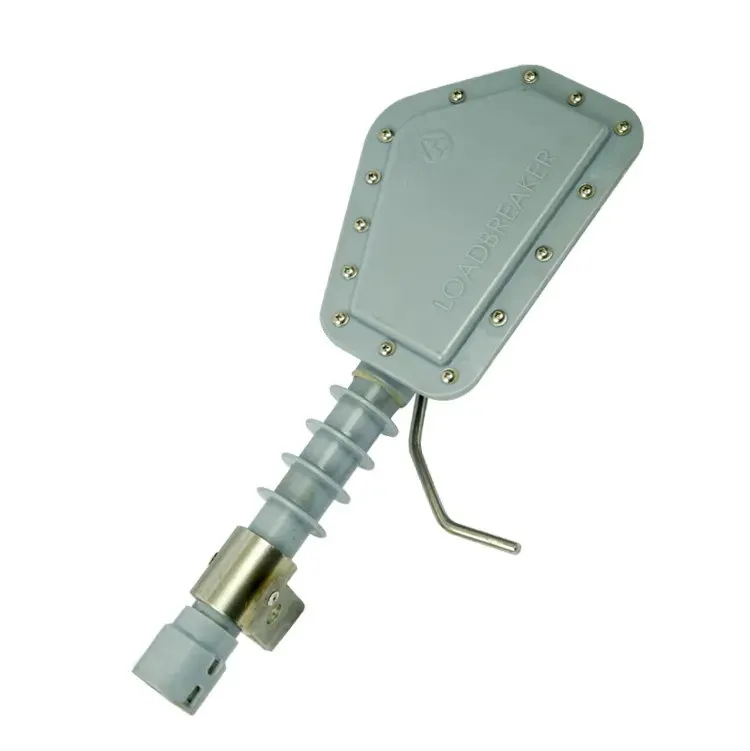
At handover, retain the approved drawings, routine records, operating instructions and maintenance information for the delivered configuration. A catalogue photograph is useful for identifying the product family, but the accepted switching duties must remain traceable to the technical offer.
Preguntas frecuentes
Is a switch-disconnector a circuit breaker?
No. The name establishes a combination of switching and disconnection functions, not every circuit-breaker interruption duty. Identify which protective device clears faults in the proposed scheme.
Can a motor operator add load-breaking capability?
Motor operation changes how the mechanism is actuated. Electrical capability must come from the device’s declared design, ratings and supporting evidence.
Which IEC standard covers medium-voltage switch-disconnectors?
IEC 62271-103 covers AC switches and switch-disconnectors above 1 kV up to and including 52 kV. Confirm the required edition and any additional requirements for the complete arrangement.
Can a fuse be added without reviewing the combination?
Do not assume so. A switch-fuse combination has coordination and equipment requirements that must be checked for the actual offered combination.
Resumen
Specify the switching event before choosing a switch-disconnector. A complete enquiry distinguishes normal-current carrying, making, breaking and withstand duties, then adds the isolation and earthing sequence. This lets suppliers identify the actual device and any limitations instead of responding to a broad product name. Confirm which equipment clears faults, particularly where fuses or a separate breaker form part of the protection scheme. Before award, reconcile the duty schedule, drawings, interlocks and test references for the offered configuration. The approved operating instructions should then carry those same limits into service.