
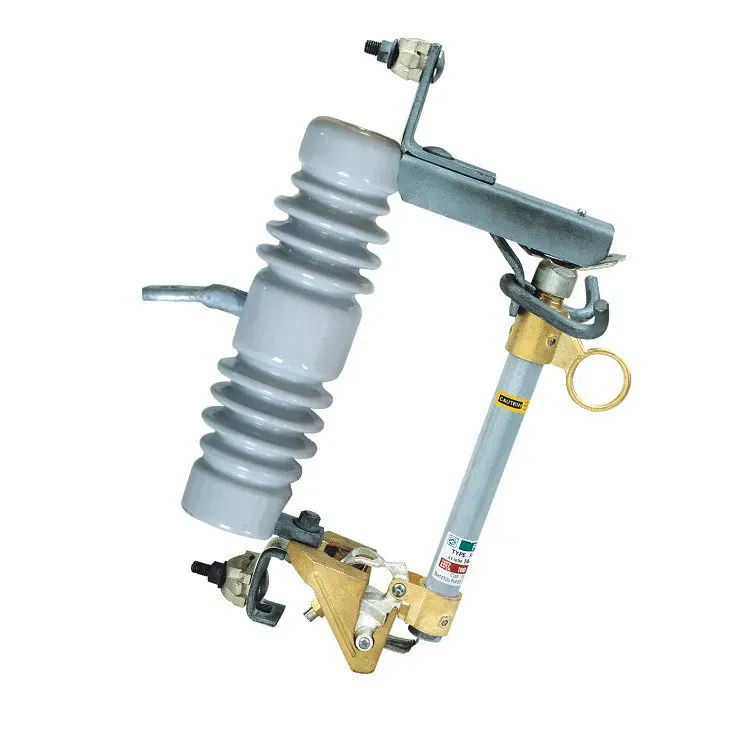
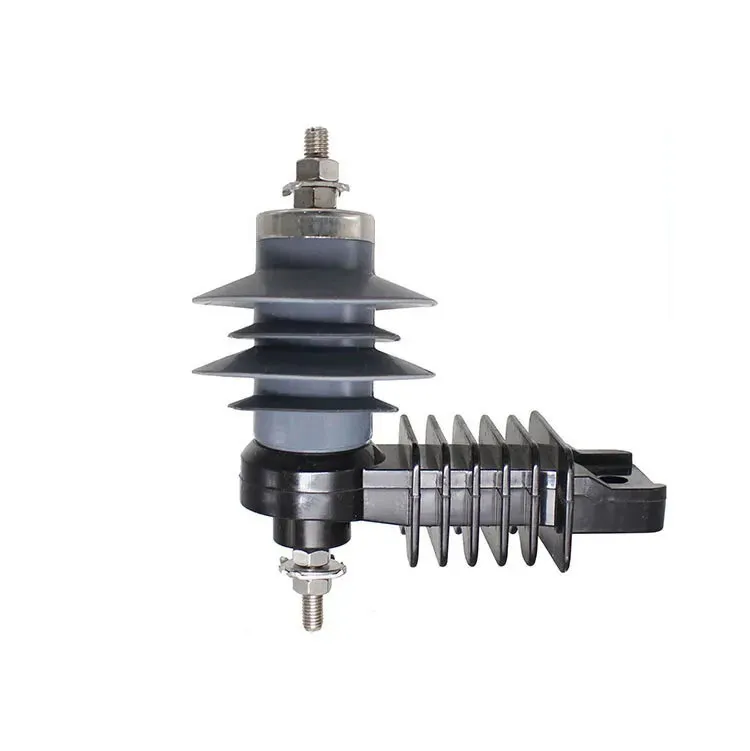
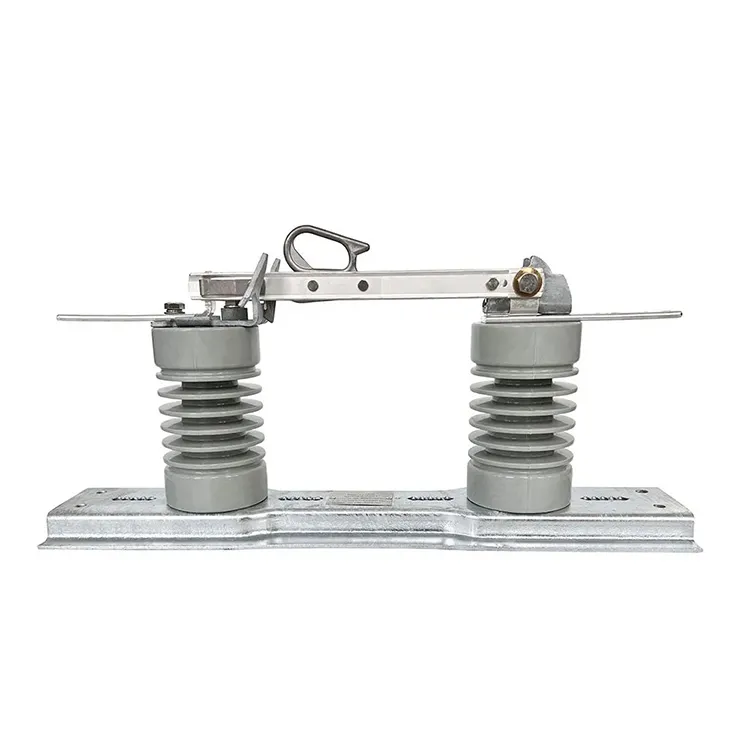
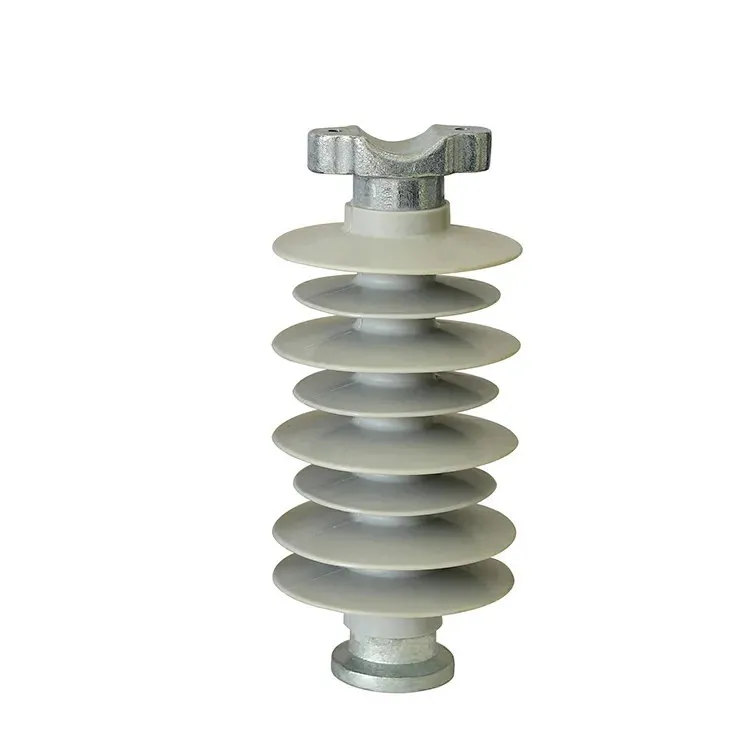
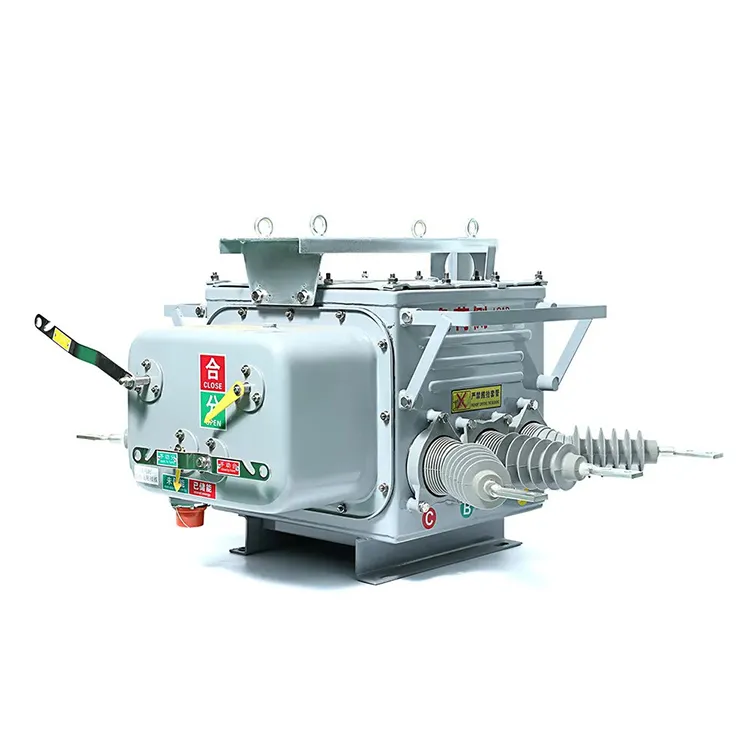
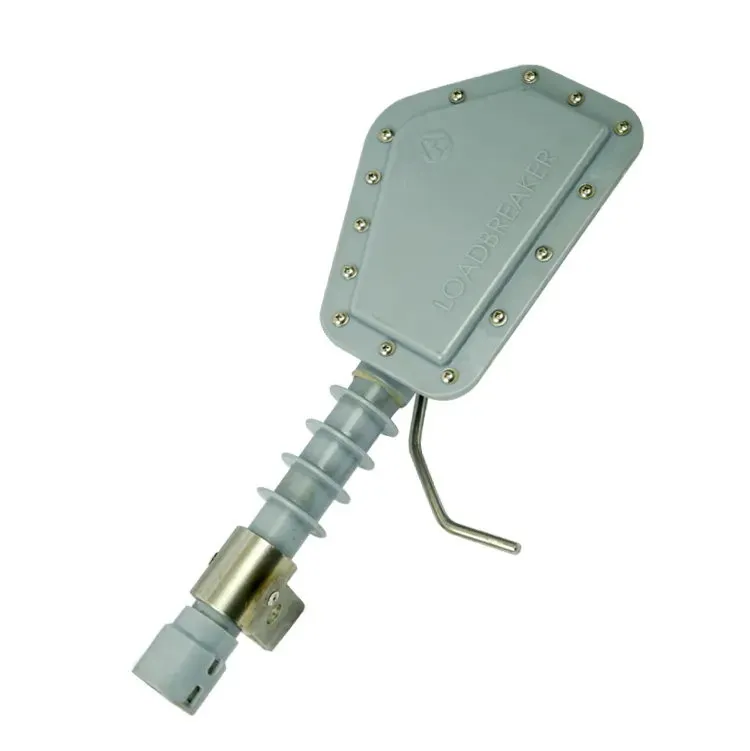


A combined fuse cutout switch can simplify an overhead distribution arrangement, but only when its two expected jobs are clearly defined. One job is protective: clear the designated overcurrent through the approved fuse arrangement. The other is operational: intentionally open or close a circuit within a documented switching duty. A visible open position may support field observation, yet it is not the same thing as authority to switch or release equipment for work.
The buying decision therefore starts with the operation the owner expects to perform, not with a familiar product name or a similar-looking pole-top assembly. This guide sets out the evidence boundary for a combined function. For electrical ratings and fuse-link coordination, use the linked cluster guides rather than treating this page as a coordination study.
Part 1. Start with the decision, not the device name
“Fuse cutout switch” is useful procurement shorthand, but it can conceal several independent requirements. A buyer may mean a protective expulsion-fuse assembly that can be visually observed after operation. Another buyer may mean a device intended to make or break a stated load. A third may be asking for an isolating point within a controlled operating program. These are related functions, not interchangeable declarations.
The first control is to state the operating scenario in one sentence: what conductor or equipment is being protected, who will operate the device, whether load is present at the moment of operation, and what procedure governs the action. That sentence turns a generic hardware request into a reviewable duty.
IEEE distribution-cutout standards provide the terminology and application context for this class of equipment, but they do not allow a buyer to infer a specific switching claim from the word “cutout.” Start with the fuse cutout portfolio for family context, then request documentation for the actual quoted item.
| Question before RFQ | Why it matters | Acceptable response |
|---|---|---|
| What must the assembly protect? | Protection establishes the fuse application. | Protected circuit and owner fuse requirement are identified. |
| What intentional operation is expected? | Carrying current is not automatically intentional switching duty. | The opening and closing task is stated in the owner specification. |
| Who has operating authority? | Device position does not assign responsibility. | Named owner procedure, switching order, or control point is supplied. |
| What exact SKU is proposed? | Family wording cannot prove a model capability. | Catalogue number, datasheet revision, and drawing are returned. |
This approach does not duplicate the dropout versus loadbreak decision guide. That article helps classify device types. Here, the test is narrower: whether one specified device is allowed to perform both the protective and intentional operating functions for this project.
Part 2. When does a combined function fit the application?
A combined function fits when the protective duty and the planned switching task are both inside the documented capability of the exact device, and the owner procedure permits that use. It is not enough that the device is installed on an overhead line, carries normal load current, or has a visible open position after a fuse event.
There are four conditions to meet together. First, the owner must actually want the same point to serve as protection and the stated operating point. Second, the planned operation must be within the documented make/break limits and instructions for the quoted SKU. Third, the field method—tooling, sequence, clearances, and any interlocks—must match the documentation. Fourth, the buyer must have evidence that can be checked before purchase and again before energization.
| Combined-function test | Combined function can proceed when… | Escalate when… |
|---|---|---|
| Protective role | Fuse arrangement and protected equipment are specified. | Link compatibility or protective role is still open. |
| Switching role | Intentional operation is explicitly required and documented for the exact device. | The RFQ merely says “switch” or “loadbreak” without duty limits. |
| Operating method | Owner procedure matches the published instructions. | Crew method, tools, or sequence are unknown. |
| Evidence | Datasheet, drawing, instructions, and requested evidence all identify the same SKU. | Evidence refers only to a family title, photo, or a different catalogue number. |
For example, a lateral or transformer connection may need local protection and a clearly defined operational step. A combined procurement line can be efficient if the owner has already specified the switching task and the supplier can document that exact task. In contrast, routine transfer programs, frequent switching, uncertain load conditions, or changing network configurations often need a separately reviewed switching solution.
Do not turn this decision into an assumed substitution rule. The combined function is valid only for the defined application and documentation set. A later change in load, operating sequence, or owner standard can change the decision even where the pole hardware remains physically similar.
Part 3. Define the switching duty before selecting hardware
“Switching duty” should be written as an operation, not as a marketing label. State whether the device must only carry current during normal service and clear a fault through its fuse arrangement, or whether personnel will intentionally open or close a circuit while a stated load is connected. If intentional operation is required, record the applicable load-make and load-break limits, sequence, conditions, and accepted source of proof.
The distinction protects both sides of the RFQ. Suppliers can quote against a measurable requirement, while buyers can reject a response that substitutes a generic cutout description for the requested duty record. IEEE C37.41 and IEEE C37.42 are useful standard-context references; the quotation must still identify the exact product documentation and project requirements.
Use the following evidence chain. It prevents one broad claim from drifting across multiple catalogue numbers:
- State the normal and abnormal operation to be performed.
- Cite the owner clause or operating instruction that calls for it.
- Identify the exact catalogue SKU and revision being offered.
- Request the relevant datasheet, drawing, operating instructions, and duty evidence for that SKU.
- Compare any stated limits with the one-line diagram and expected operating condition.
- Record exclusions rather than silently accepting gaps.
Keep fuse-link characteristics outside this article. Where the project needs link compatibility or coordination input, use the expulsion fuse link selection guide. That separation prevents a correct fuse selection from being mistaken for proof of switching duty.
Part 4. Separate visible isolation from operating authority
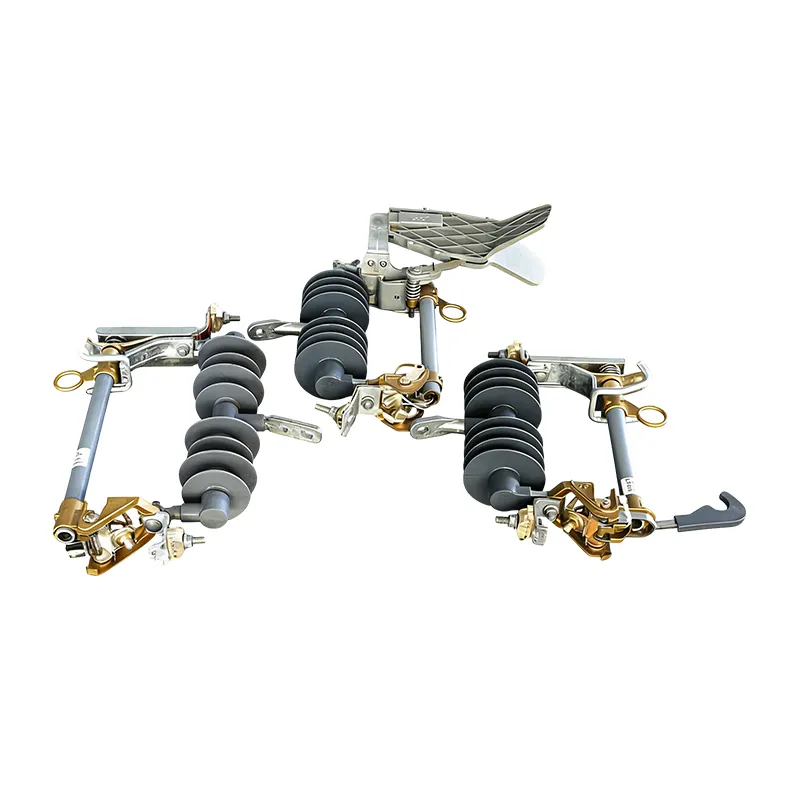
A visible gap or dropped tube is valuable information for inspection and troubleshooting. It can show that an assembly is not in its normal closed position. It does not, by itself, prove that every relevant conductor is de-energized, grounded, released, or safe for a specific task. The line side may remain energized, and the work boundary is controlled by the applicable owner procedure.
Operating authority is also separate from equipment position. A qualified organization may require a switching order, dispatch clearance, tagging, testing, grounding, or a named release before work proceeds. OSHA’s electric power generation, transmission, and distribution rule is a useful public safety-process reference, but each project must apply its own jurisdictional and owner rules.
| Field observation | What it can support | What it cannot prove alone |
|---|---|---|
| A tube is visibly open | The assembly is visibly not in normal closed position. | Work release, grounding status, or condition of all line-side conductors. |
| A handle or operating feature is in an open position | The device has an observable position. | That the actual task is within the documented switching duty. |
| A fuse has operated | A protection event needs investigation. | The cause is cleared or re-energization is authorized. |
| A supplier calls an item “combined function” | A clarification request is warranted. | That the owner’s procedure or exact SKU evidence is satisfied. |
The article on how a fuse cutout works explains the protection and operating sequence. Use the owner’s isolation and work-control system to determine authority. Keeping those two sources distinct reduces the risk that a mechanical observation is treated as a permission decision.
Part 5. Build an RFQ evidence package
An RFQ for a combined function should make a supplier’s answer auditable. Avoid a single line such as “fuse cutout switch, suitable for load.” It leaves the task, limits, product identity, and proof source open to interpretation. A better RFQ tells the supplier what the device must do and what evidence must accompany any claim.
| RFQ field | Buyer instruction | Evidence expected from supplier |
|---|---|---|
| Application point | Attach one-line diagram and identify protected circuit. | Quoted configuration and exclusions. |
| Protective function | State owner fuse/link and protection requirement by reference. | Compatibility statement for exact SKU. |
| Intentional switching task | Describe opening/closing action, connected load condition, and frequency. | Published duty statement and operating instructions for quoted SKU. |
| Electrical and environmental inputs | Give voltage, continuous current, fault context, mounting, and service conditions. | Datasheet and drawing revision. |
| Isolation and work process | Cite owner procedure; do not ask product hardware to replace it. | Confirmation of interface only; no unauthorized procedural approval. |
| Acceptance evidence | Name requested standards, test records, certificates if applicable, and deviations format. | Document list tied to same SKU and revision. |
| Commercial control | Require catalogue number, spares, accessories, lead time, and exceptions. | Line-by-line compliance schedule. |
Electrical selection still matters. Use fuse cutout ratings and selection for the rating inputs that belong beside this evidence package. The RFQ should also ask the supplier to list any component or accessory needed to perform the stated operation, rather than leaving an operating tool or interface outside the price comparison.
A practical review method is to place the owner’s requirement, the supplier’s statement, and the source document side by side. If a response says “loadbreak,” but the exact SKU, document revision, operation, or limits are absent, mark it as an unanswered requirement—not as a compliant alternative.
Part 6. Reject the combination when its boundaries are unclear
The correct decision is sometimes to separate the protective and switching functions. That is not a failure of the cutout concept; it is good specification control when the application needs a different operating duty, a higher assurance level, more frequent operation, or a control architecture that the proposed combination does not document.
Reject or escalate the combined-function request when any of the following applies:
- The operator must perform routine transfer or restoration actions, but the exact intentional switching duty is not documented.
- The project specification names a switching performance, yet the supplier responds only with a generic family title.
- The owner’s work rules require an isolation or grounding process that cannot be represented by the device position alone.
- The expected load condition at operation is unknown, changing, or outside the supplied evidence.
- The SKU, drawing revision, accessory set, and instructions do not match each other.
- The buyer needs a protection study or link-selection decision that has not been completed.
The planned cluster article on overhead fuse cutouts on distribution lines provides broader application context. Use it to locate the equipment role on the line; use this decision boundary to decide whether a single assembly may also carry the required intentional switching task.
Separating functions can make operating responsibility clearer. The protection device can remain specified for its protective role, while a separately selected switching device is reviewed against the owner’s operating program. This choice is especially useful when later maintenance, network changes, or multiple operating teams would otherwise make the combined-function assumption hard to control.
Part 7. Use FUERTE product context without assuming capability
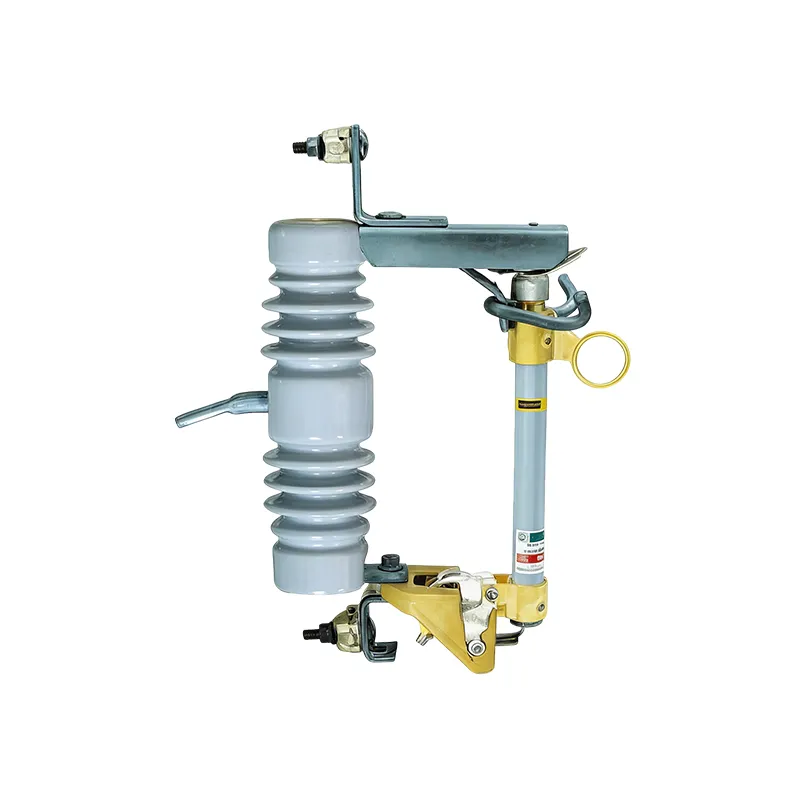
FUERTE product imagery can help a buyer identify the relevant product family and begin a documentation request. It cannot establish switching capability by itself. Public catalogue titles may include standard, linkbreak, or loadbreak wording, but this article does not assign loadbreak ability to FSC-18-1 or to any other named FUERTE model.
The FSC-18-1 Drop Out Fuse Cutout page is the required product-context destination for this article. Use it only as a starting point for the exact SKU review. Before it is included in a combined-function solution, obtain the current catalogue record, datasheet, drawing, operating instructions, and the requested switching-duty evidence for the quoted configuration.
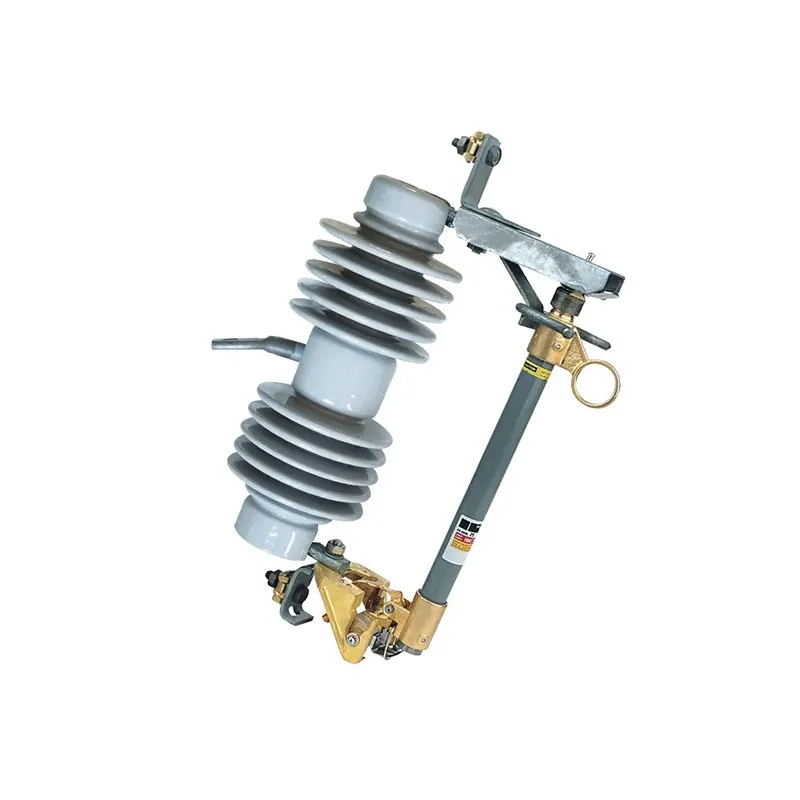
Fit boundary
The FSC-18-1 context is suitable for a buyer who has a defined application and is ready to verify the exact product documentation. It is not suitable as a default recommendation where the project requires an unverified combined switching function, where operating authority is unsettled, or where the RFQ has no stated duty and evidence requirements.
Send the owner clause, one-line diagram, operation description, and requested evidence list through send the RFQ evidence pack. That gives the quotation review a defined basis and prevents a product-family image or title from being used as an unverified engineering claim.
FAQ
What is a fuse cutout switch?
A fuse cutout switch is a procurement description for an overhead assembly expected to provide fuse protection and, in some applications, a defined switching role. The required protective and switching functions must be separately stated and documented for the exact quoted device.
When can one device combine fuse protection and switching?
It can do so when the owner requires both functions at the same point, the intentional operation is within the exact SKU’s published duty, the field procedure matches the instructions, and the required evidence is available for review.
Can a fuse cutout switch be used for routine load transfer?
Do not assume that it can. Routine transfer requires a stated operating duty and documentation for the exact device and configuration. If those boundaries are not documented, specify a separately reviewed switching function.
What switching-duty evidence should a supplier provide?
Ask for the exact catalogue SKU, current datasheet, drawing, operating instructions, the published duty statement relevant to the requested operation, and a clear list of exceptions. The evidence should identify the same configuration throughout.
Does a visible open point give work authorization?
No. It is an observable equipment state, not a work release. Follow the owner’s switching, isolation, testing, grounding, and authorization procedure.
What belongs in an RFQ for a combined function?
Include the one-line diagram, protective role, intentional operating task, electrical inputs, owner procedure reference, exact evidence requested, mounting details, accessories, spares, and an exceptions schedule.
Can a catalog family title prove a quoted SKU’s capability?
No. A family title may help route the inquiry, but acceptance must be based on the exact catalogue SKU and matching documentation. This is particularly important when a switching claim affects the operating method.
When should a buyer specify separate protective and switching devices?
Specify separate functions when routine operations, unknown switching conditions, owner control requirements, or incomplete SKU-level evidence make a combined-function acceptance uncertain.
References
- Distribution cutout terminology and context: IEEE C37.41 standard page
- Expulsion fuse and cutout application context: IEEE C37.42 standard page
- High-voltage expulsion fuse scope: IEC 60282-2:2008
- Work-practice reference: OSHA 1910.269