
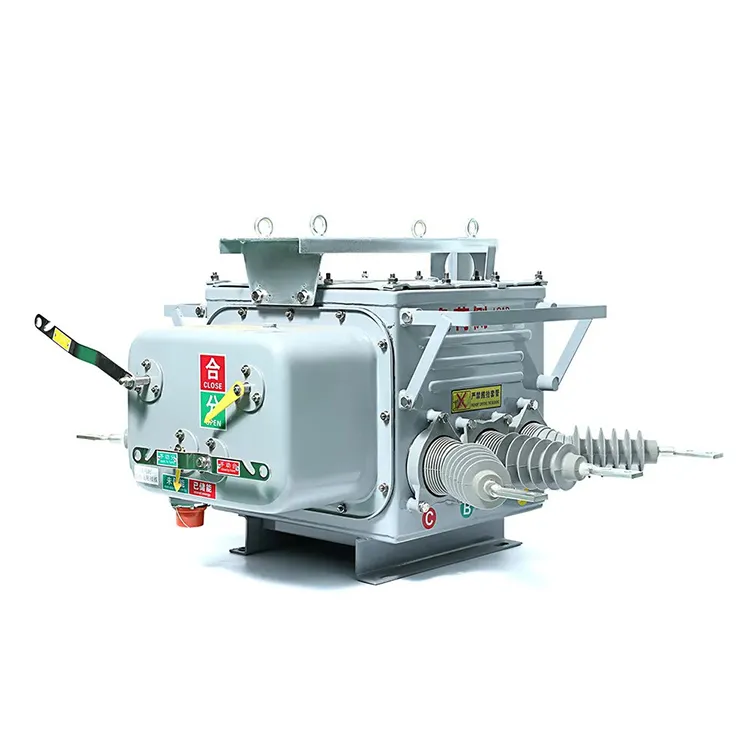
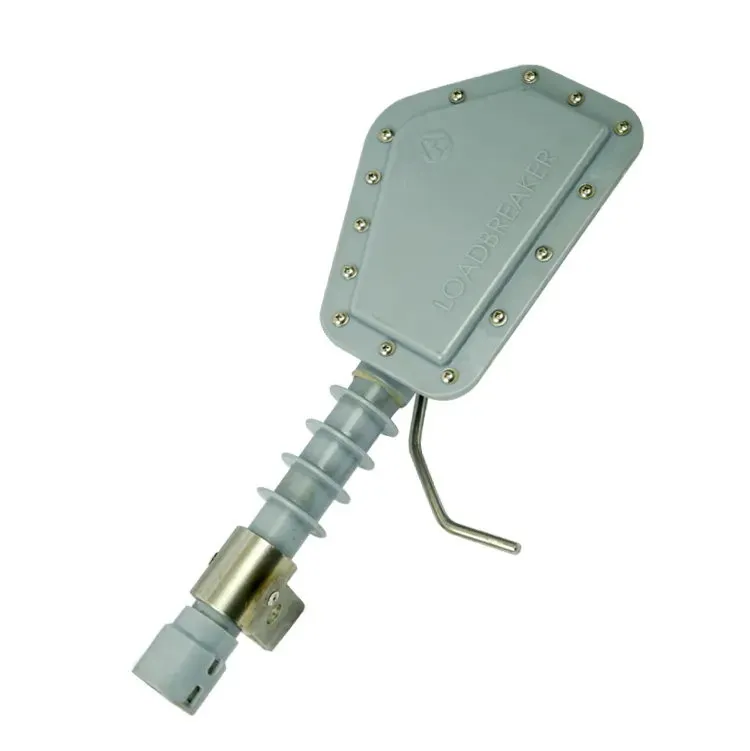


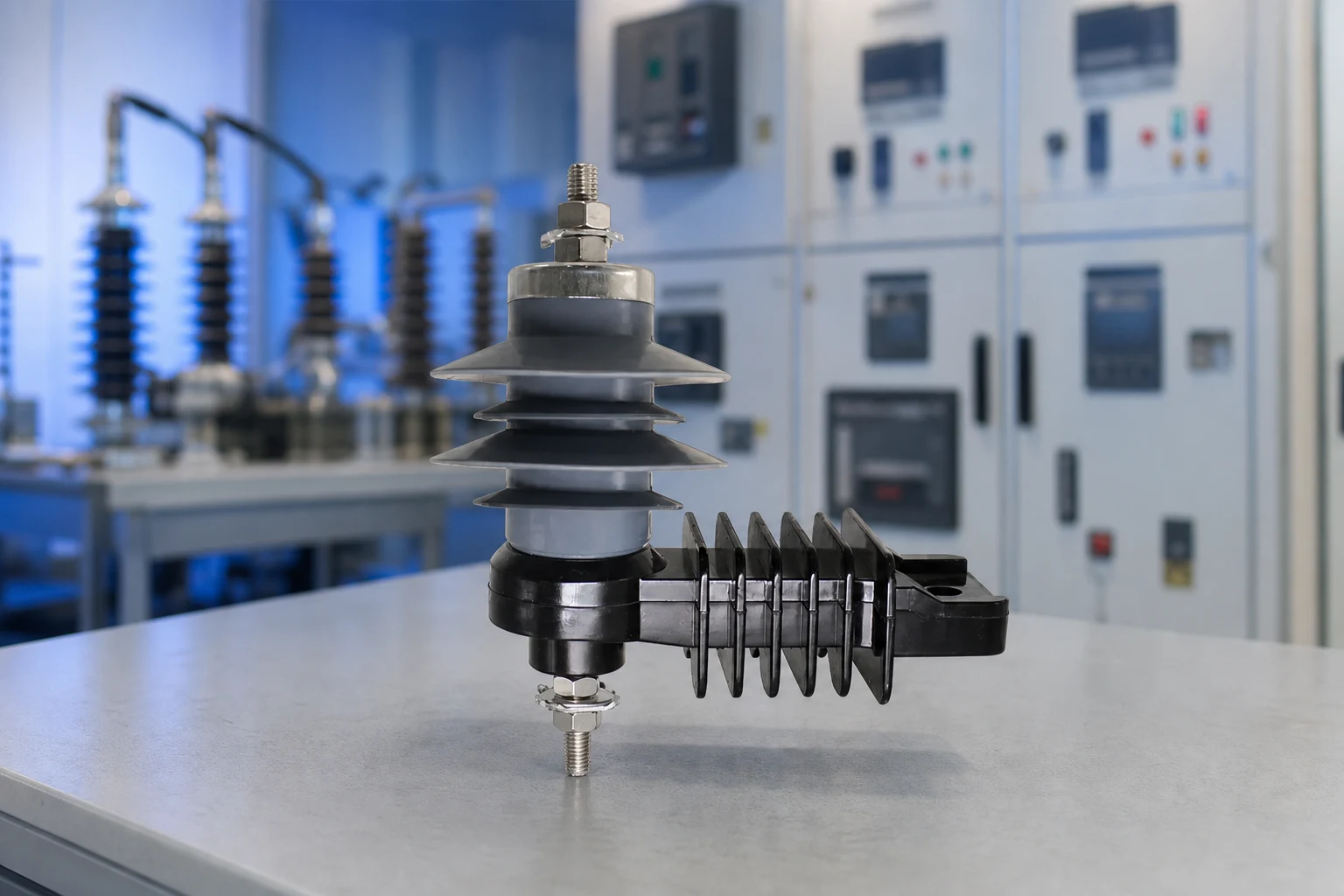
metal oxide surge arrester — Metal-oxide surge arresters clamp lightning and switching overvoltages at distribution transformers, yet procurement teams often specify voltage class alone without MCOV, energy duty, or lead-length constraints that determine real-world protection performance. This guide focuses on practical evaluation steps for utility, EPC, and industrial buyers—ratings, documentation, and lifecycle support—not generic marketing claims. Where equipment selection is involved, cross-check public specifications on cnfuerte.com and confirm project-specific limits with your utility or consulting engineer. Section checklists can be reused as RFQ attachments and commissioning handover outlines.
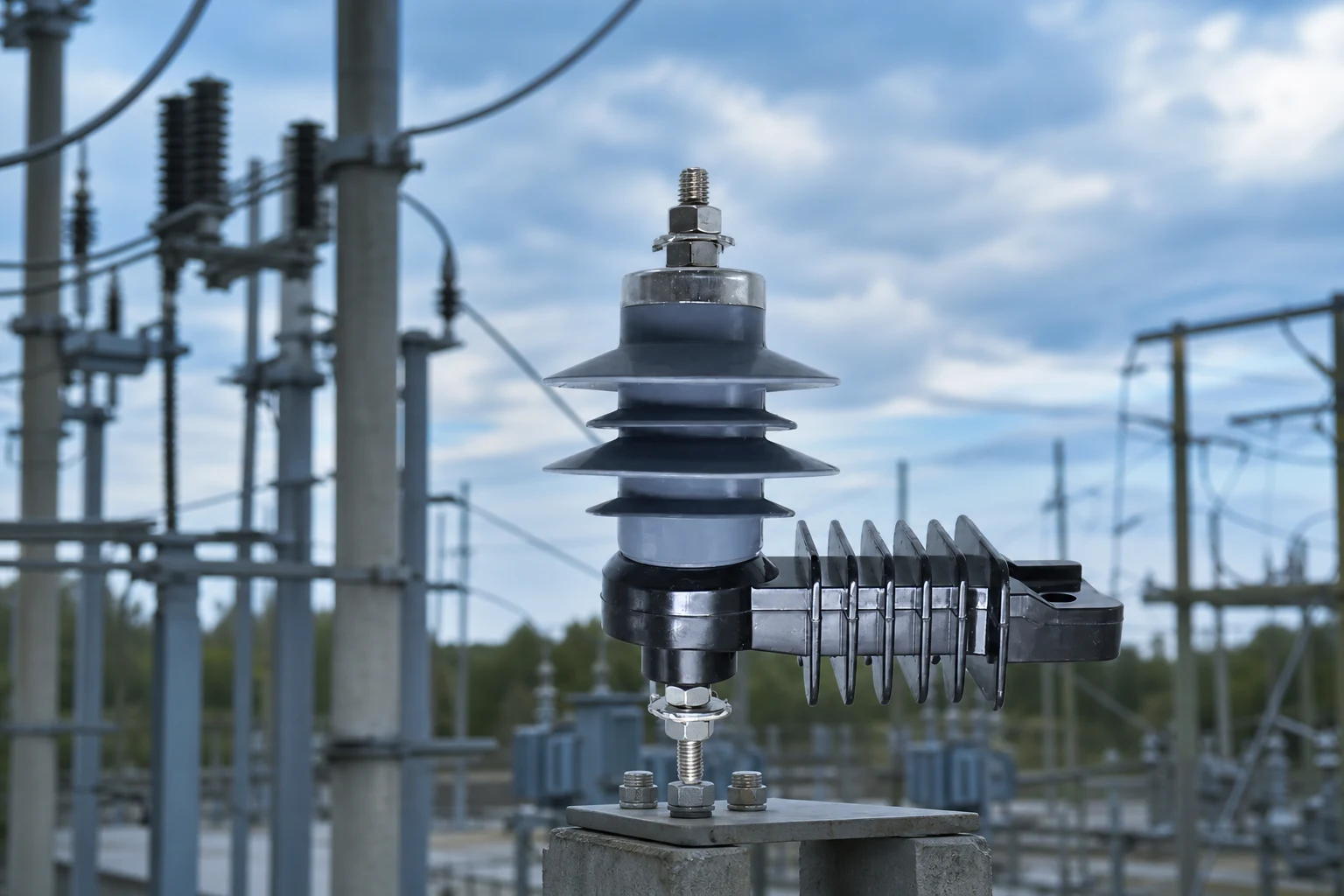
Part 1. How Metal-Oxide Arresters Limit Overvoltages
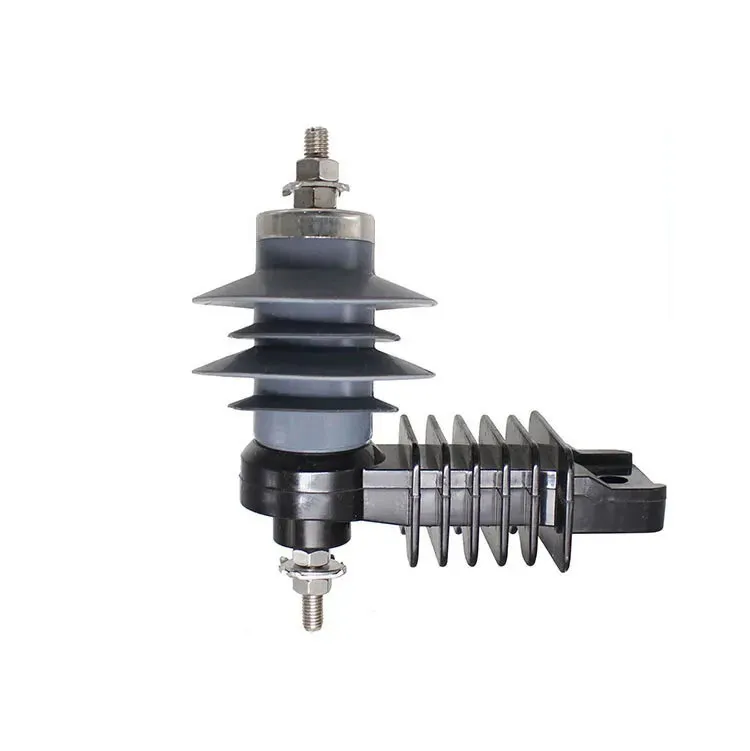
Non-linear zinc-oxide blocks conduct surge current during transients and return to high resistance at normal voltage.
Arresters protect insulation—not replace structural lightning protection or grounding design.
On distribution transformers, the arrester clamps switching surges and lightning-induced overvoltages before they reach winding insulation.
A failed or missing arrester often shows up years later as insulation breakdown—not as an immediate outage—so procurement specs matter at energization.
Distribution protection projects succeed when utility standards, EPC design, and procurement stay aligned from concept through commissioning.
Document nominal voltage, fault level, and ambient conditions before final equipment selection.
Use conservative language for performance claims until site-specific studies confirm targets.
Capture nominal voltage, available fault current, altitude, and utility clearance requirements in the RFQ package to reduce technical back-and-forth.
Type test evidence from independent laboratories (KEMA, CESI, or equivalent) supports utility acceptance better than marketing datasheets alone.
Define acceptance criteria before shipment—dielectric withstand, mechanical operation, and nameplate ratings—so commissioning disputes are less likely.
Export RFQs should state pollution class, altitude correction, target standard family (IEC 62271 / IEEE C37), and spare-parts expectations up front.
Document conductor size, pole hardware, and switching procedure limits so field crews install the same configuration the factory tested.
Part 2. MCOV, Energy Rating, and Protective Level
MCOV must exceed maximum continuous operating voltage under all normal system conditions, including regulator tap and temporary overvoltage scenarios.
Energy rating and protective level Up must align with insulation coordination studies for the protected equipment.
Station-class and distribution-class arresters are not interchangeable—energy duty and fault-pressure venting differ materially.
Request manufacturer discharge-voltage curves and compare protective margin against transformer BIL and basic impulse levels in the study report.
Compare total installed cost including mounting hardware, spares, and commissioning.
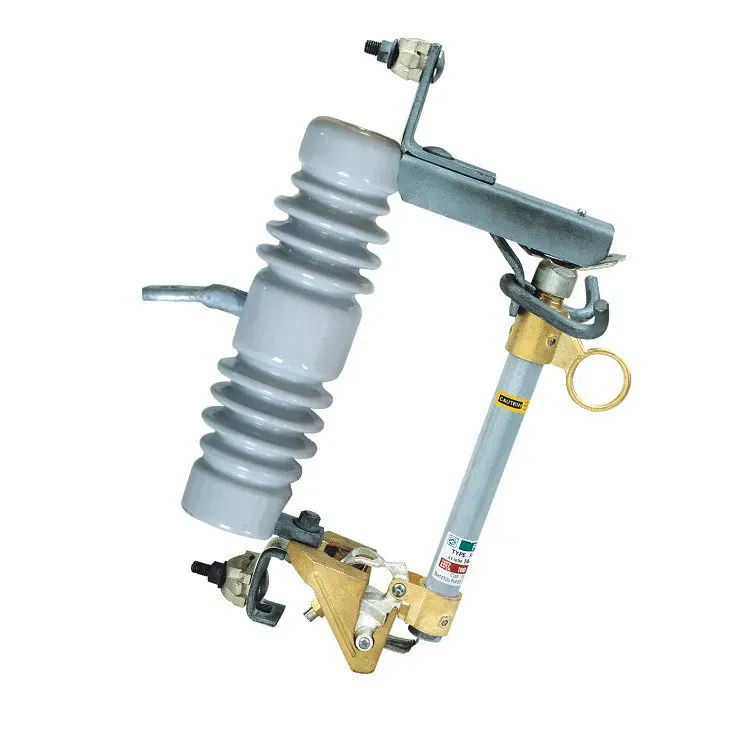
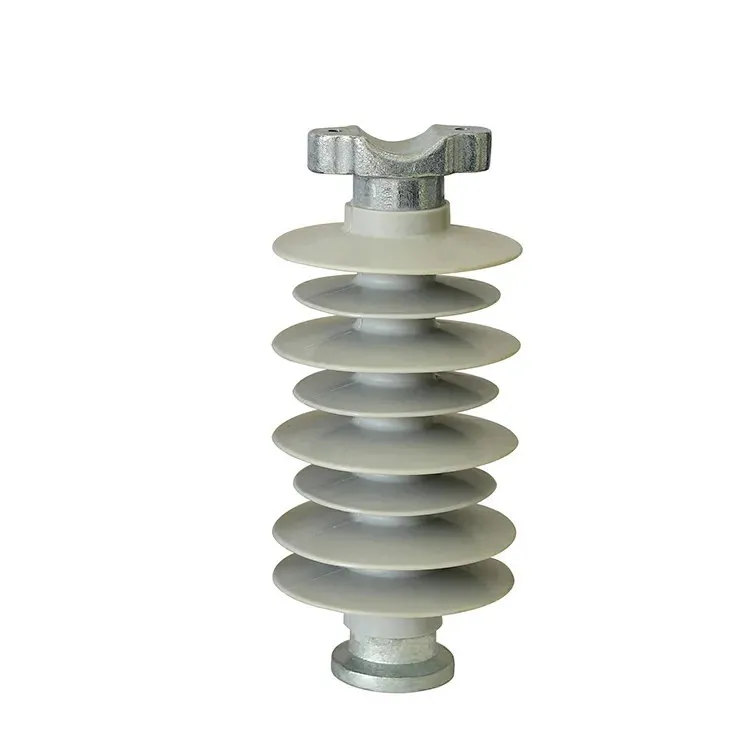
Internal links to fuse cutout product line, surge arrester product line, polymer insulator product line, and vacuum circuit breaker product line help buyers navigate cnfuerte.com.
Lead times and MOQ vary by configuration; confirm for export shipments.
Capture nominal voltage, available fault current, altitude, and utility clearance requirements in the RFQ package to reduce technical back-and-forth.
Type test evidence from independent laboratories (KEMA, CESI, or equivalent) supports utility acceptance better than marketing datasheets alone.
Define acceptance criteria before shipment—dielectric withstand, mechanical operation, and nameplate ratings—so commissioning disputes are less likely.
Export RFQs should state pollution class, altitude correction, target standard family (IEC 62271 / IEEE C37), and spare-parts expectations up front.
Document conductor size, pole hardware, and switching procedure limits so field crews install the same configuration the factory tested.
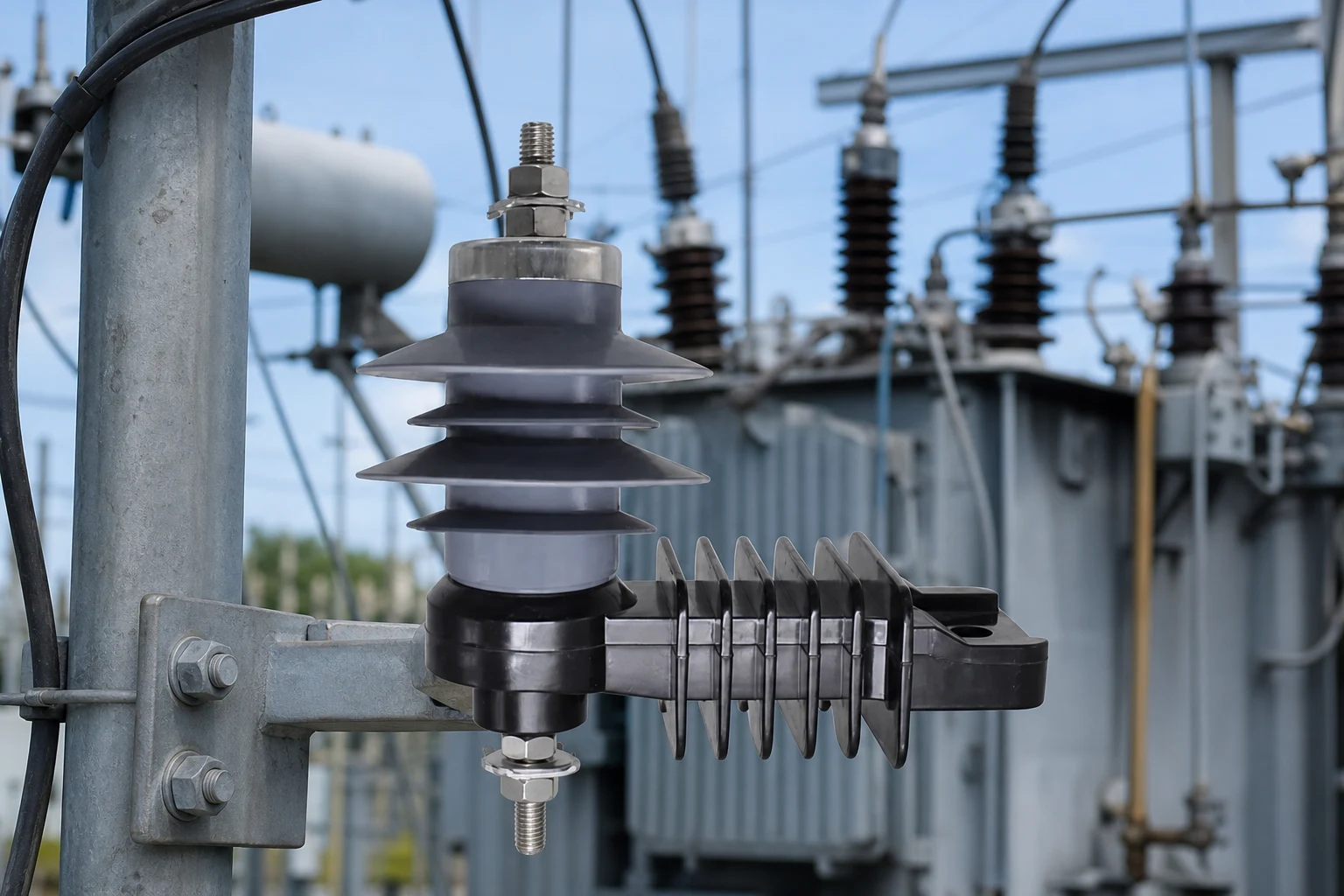
Part 3. Transformer Mounting and Coordination
Mount arresters as close as practical to bushings with short, straight leads to minimize impedance in the surge path.
Match duty class to application—distribution arresters differ from station-class energy requirements.
Ground the arrester terminal with a dedicated path sized for surge current; shared ground loops can negate protection.
Coordinate arrester location with fuse cutouts and reclosers so protection zones do not leave transformers under-protected during switching.
Post-commissioning, schedule periodic inspection of fuse links, insulator surfaces, and VCB contact wear.
Keep spare fuse links and critical hardware identified in the maintenance plan.
Submit project parameters via FUERTE contact for engineering feedback.
Capture nominal voltage, available fault current, altitude, and utility clearance requirements in the RFQ package to reduce technical back-and-forth.
Type test evidence from independent laboratories (KEMA, CESI, or equivalent) supports utility acceptance better than marketing datasheets alone.
Define acceptance criteria before shipment—dielectric withstand, mechanical operation, and nameplate ratings—so commissioning disputes are less likely.
Export RFQs should state pollution class, altitude correction, target standard family (IEC 62271 / IEEE C37), and spare-parts expectations up front.
Document conductor size, pole hardware, and switching procedure limits so field crews install the same configuration the factory tested.
Part 4. Documentation and Handover Checklist
Utility acceptance should not rely on energization alone—documentation proves ratings, safety, and maintainability.
Use the tables below as a starting RFQ checklist; your utility or EPC contract may require additional items.
For product-specific datasheets, cross-check related FUERTE product pages and request missing type test excerpts.
Align factory acceptance tests with items your insurer or utility interconnection agreement may require.
When comparing quotations, normalize currency, Incoterms, and included commissioning services before ranking suppliers.
| Document / item | Purpose | When to request |
|---|---|---|
| Factory type test report | Verify rated voltage, kA/kV, and temperature rise | Before purchase order |
| Installation & wiring diagram | Mounting, clearances, and grounding | Design phase |
| Spare parts list (5+ year) | Fuse links, gaskets, contact kits | Contract negotiation |
| Commissioning checklist | Acceptance tests and as-built records | Before energization |
| OEM/ODM drawing approval | Custom labels, brackets, or creepage | Before production release |
| Site condition | Risk | Mitigation |
|---|---|---|
| High lightning density | Overvoltage at transformers | Station/class arresters with correct MCOV |
| Long overhead spans | Switching surges | Coordinate arrester placement and lead length |
| Polluted coastal areas | External flashover | Confirm creepage and housing material |
| Weak-grid renewables | Voltage fluctuations | Review arrester energy capability with integration study |
Part 5. Commissioning, Monitoring, and Long-Term Operations
Commissioning should verify nameplate ratings, mechanical operation, and insulation integrity at the installation site—not only at the factory.
Functional tests typically include contact resistance, timing tests for VCBs, fuse link continuity checks, and visual insulator inspection.
Monitoring after energization helps catch loose hardware, tracking on insulators, or abnormal heating before outages occur.
Train maintenance staff on lockout/tagout, visible open verification for switches, and safe fuse link replacement procedures.
Schedule periodic reviews after major load changes or renewable integration—fault levels and coordination may shift.
Utility account managers can clarify inspection intervals and reporting requirements for grid-connected equipment.
Keep a spare-parts criticality list (fuse links, gaskets, contact kits) based on lead time and production impact.
Recommended FUERTE Products
For project support, explore our related product line, product catalog, and OEM/ODM capabilities on cnfuerte.com.
FAQ
What is a metal oxide surge arrester?
A non-linear MO varistor device that clamps transient overvoltages and diverts surge current to ground.
What is MCOV on an arrester?
Maximum continuous operating voltage—the arrester must withstand this voltage continuously without excessive current.
Where should arresters be placed for distribution transformers?
Typically as close as practical to protected equipment bushings with minimal lead length.
How do distribution arresters differ from station class?
Distribution arresters are sized for lower energy duties on feeders and transformers; station units handle higher energy at substations.
Which standards govern arrester testing?
IEEE C62.11 in North America and IEC 60099-4 internationally for metal-oxide arresters.
Can arresters fail silently?
Monitoring via leakage current or watt-loss trends helps detect degradation before catastrophic failure.
References
- IEEE C62.11 — Surge Arresters
- IEC 60099-4 — Metal-oxide surge arresters
- EPRI — Surge protection guidance
Ready to discuss your project? Contact FUERTE engineering support with your project parameters and technical requirements.