
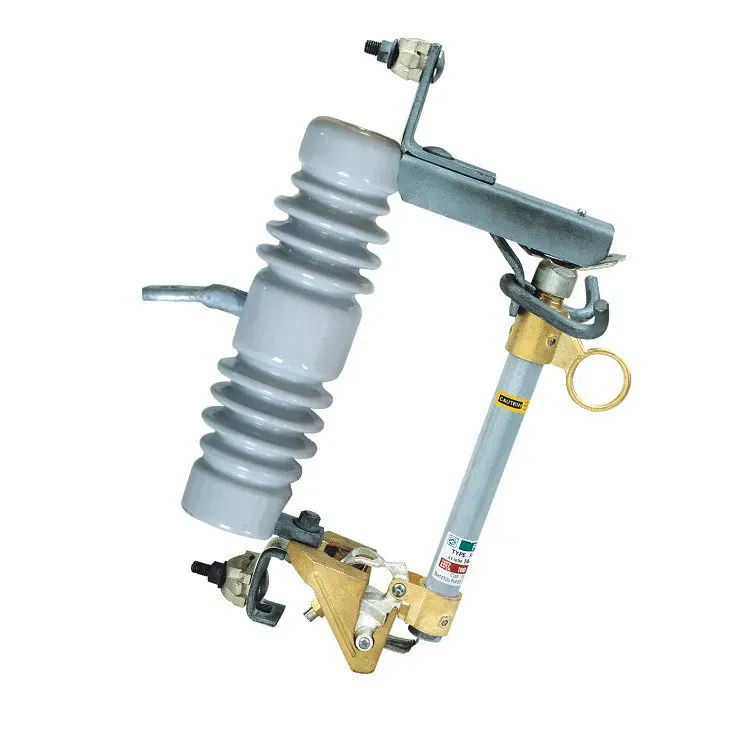
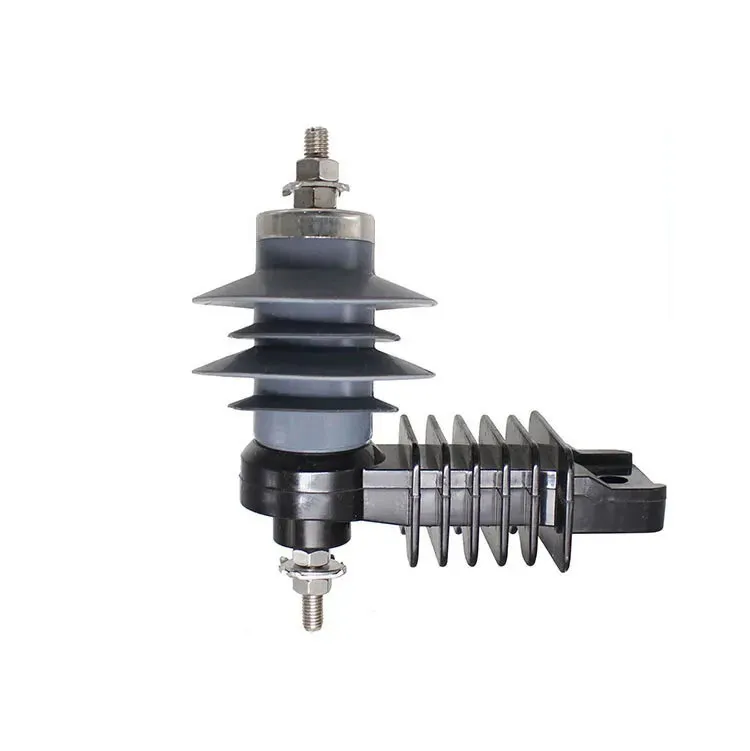
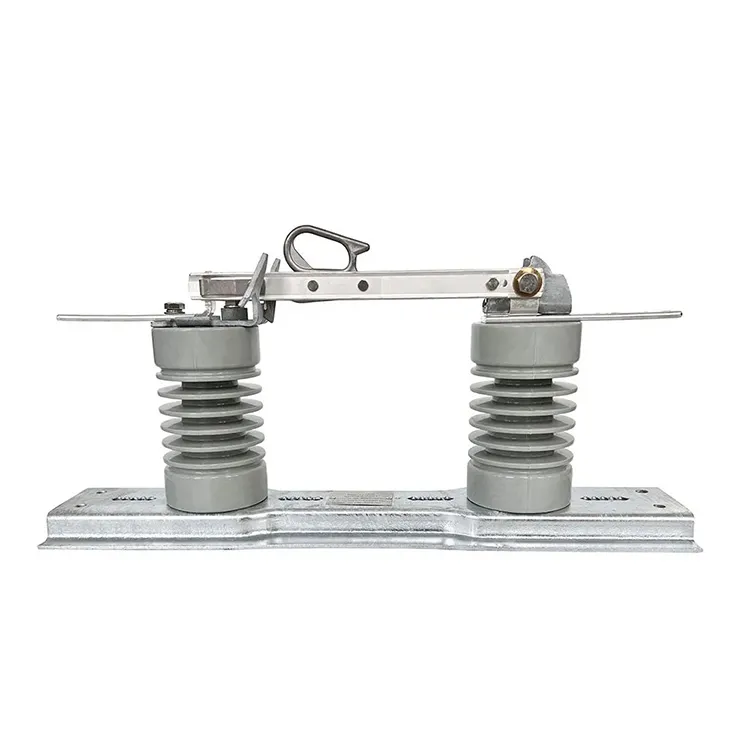
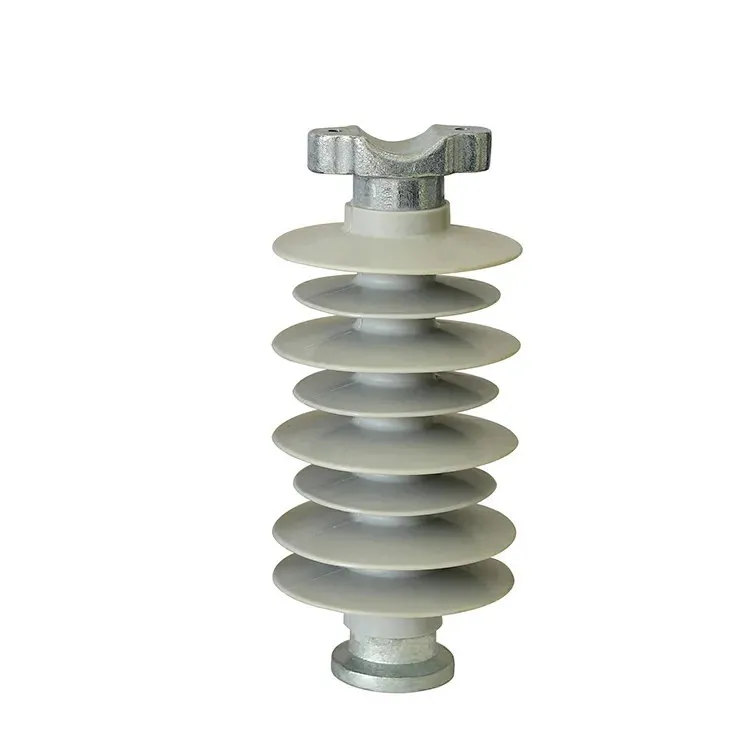
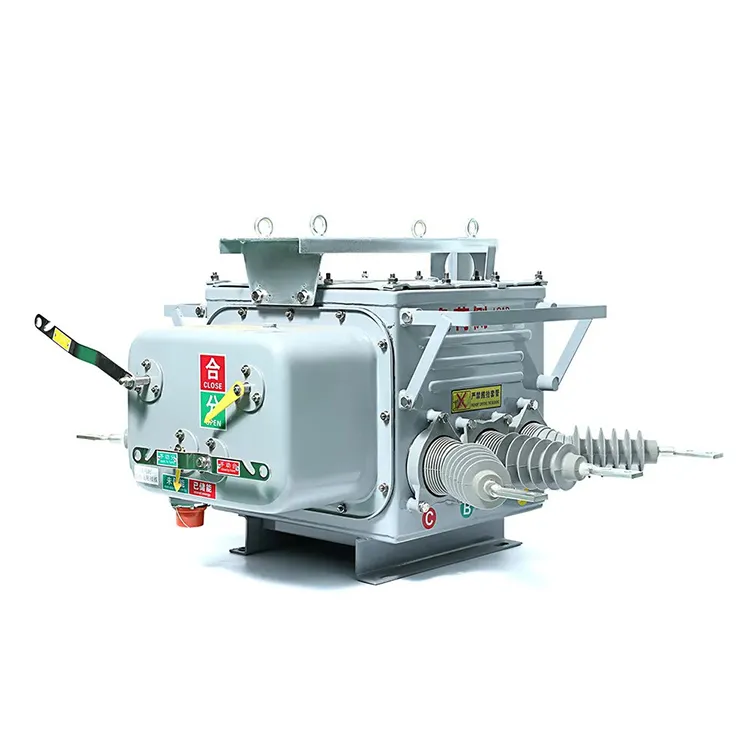
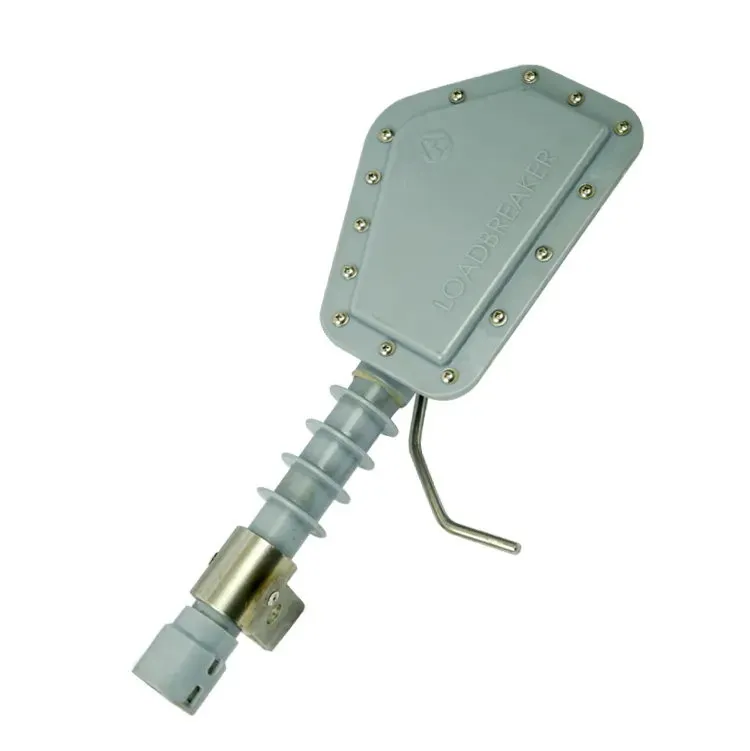


An enhanced version of a circuit breaker is known as a vacuum circuit breaker (VCB). This kind of device utilises a vacuum to stop electrical arcing when de-energising circuits (i.e., breaking them). Because of the benefits VCB offer – such as being very reliable, efficient, and long-lasting – they are an important drop-in replacement for circuit breakers in many kinds of surfaces or enclosures around the world, particularly in medium voltage and high voltage applications. As electrical infrastructure continues to grow globally, the purpose of using VCBs is to provide protection from electrical faults; provide continuous power supply while keeping heat generation low; and provide operational safety in a safe manner. This article will explore the topic of VCBs in great depth, analysing their construction, operating principles, potential applications, advantages, and more.
How Does a Vacuum Circuit Breaker Work?
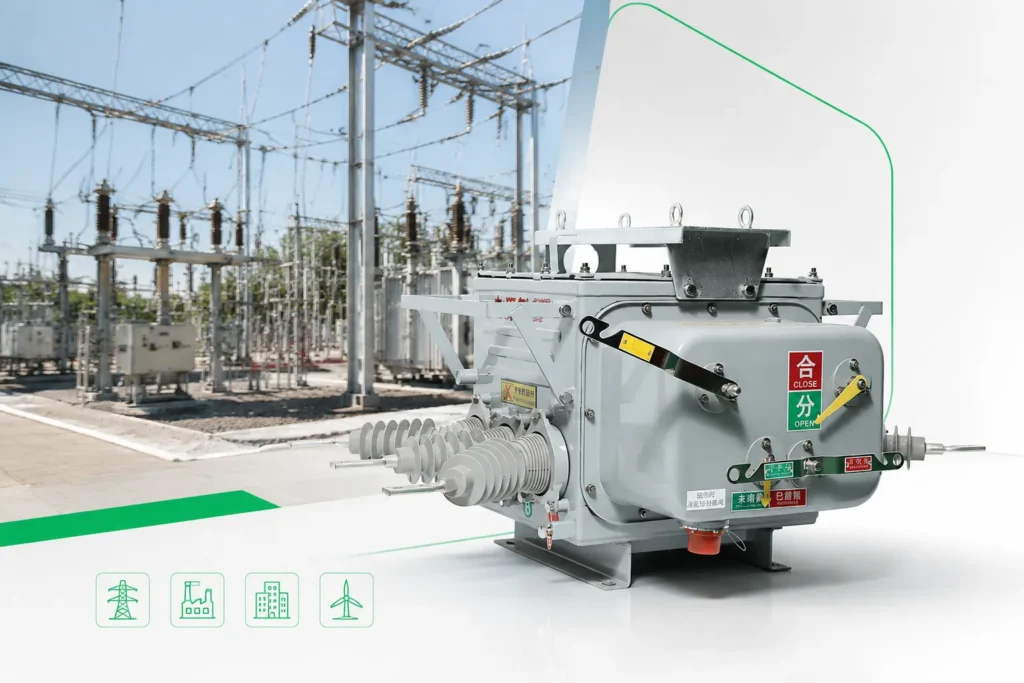
Electrical current is interrupted in a vacuum circuit breaker by the loss of electrical energy from the power supply to the load being energized. The normal conduction of electrical energy occurs through the contacts of a breaker located within a vacuum chamber. When an electrical fault occurs, the mechanism of the circuit breaker opens the contacts thereby creating an arc. The vacuum quickly extinguishes the arc since there are no gaseous molecules, such as air, to sustain combustion. The current in the electrical circuit is interrupted and the flow of electricity is restored to a state of equilibrium.
An empty space called a vacuum chamber is really crucial to the whole process. This system helps to maintain an extreme level of vacuum which allows there to be no electron collisions at all, allowing for the flashover to happen in just a fraction of a second (milliseconds) (less than 1 second). Being able to rapidly extinguish the arc is one of the main reasons that vacuum circuit breakers are very effective in most medium-voltage situations.
Components of a Vacuum Circuit Breaker
Several major components are included in a vacuum circuit breaker to allow it to function properly. Here is a summary of their main parts:
| Component | Description |
|---|---|
| Contacts | Conduct electricity during normal operation; separated during faults. |
| Vacuum Interrupter | Sealed chamber where arc extinction occurs. |
| Operating Mechanism | Triggers the movement of contacts based on fault detection. |
| Insulated Housing | Encases internal components to prevent external damage. |
Advantages of Vacuum Circuit Breakers
Vacuum circuit breakers have become more popular when compared to other types of circuit breakers such as (SF6/Gas) or air break types and have several advantages to offer. Some examples of these advantages:.
- Minimal Maintenance: Vacuum interrupters do not require regular servicing due to the absence of arc residue.
- High Reliability: VCBs have an extremely high reliability rate for critical applications due to their rapid arc extinction and durable design features.
- Environmental Benefits: Unlike SF6 circuit breakers, VCBs do not use harmful gases, making them eco-friendly.
- Compact Design: Their small size and lightweight structure make them ideal for modern switchgear systems.
Market Insights and Trends
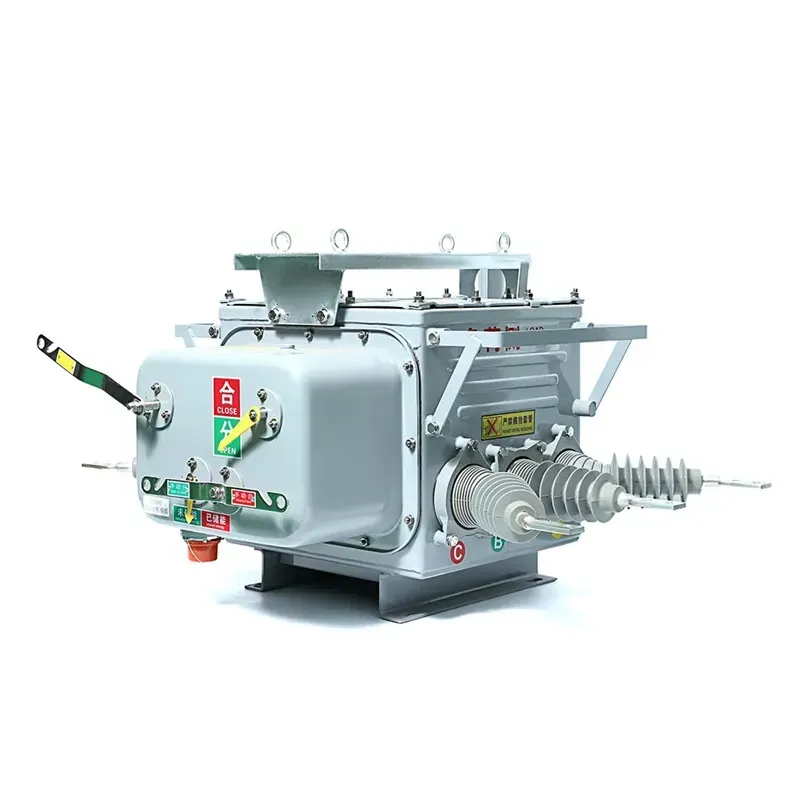
According to MarketsandMarkets (2023), the global circuitbreaker market will exceed $15 billion by 2026, with vacuum circuit breakers (VCBs) driving growth as they are increasingly used in renewable energy and industrial sectors. As we continue to move toward sustainable technologies, the demand for VCBs has seen considerable acceleration as a result of their low environmental impact and efficiency.
Applications Where Vacuum Circuit Breakers Shine
Vacuum Circuit Breakers are extremely flexible; thus used in many different industries. A few examples of where they are utilized include:
- Electrical Substations: Critical for medium-voltage distribution systems.
- Industrial Facilities: Protects machinery and systems against overloads and short circuits.
- Commercial Buildings: Integrated into switchgear systems for power distribution.
- Renewable Energy: Facilitates safe transmission in wind farms and solar power installations.
Future Outlook for Vacuum Circuit Breakers
With the ongoing transformation of worldwide energy consumption, the importance of vacuum circuit breakers in next-generation sustainable design is anticipated to grow. New technologies, like IoT-based remote diagnostics and predictive maintenance, will help to optimize the performance and dependability of vacuum circuit breakers (VCB). The expected improvements in reliability and efficiency will accelerate vacuum circuit breaker usage in many industries and will further solidify vacuum circuit breakers as the preferred solution for electrical systems of the future.
FAQs
What voltage range do vacuum circuit breakers typically support?
Generally speaking, vacuum circuit breakers work at a lower voltage (i.e., medium-voltage) than traditional circuit breakers. They can be used from 1,000 volts to 38,000 volts, although there are some very high-voltage (e.g., greater than 38,000 volts) vacuum circuit breakers designed for specific applications.
How are vacuum interrupters tested for quality assurance?
Vacuum interrupters are subjected to a variety of tests, including leakage testing, dielectric testing and verification of arc interruption, to meet international standards (e.g., IEC or ANSI).
What distinguishes VCBs in switchgear systems?
The vacuum circuit breaker switchgear systems provide an efficient way of distributing electrical energy while maintaining a compact, versatile, environmentally-friendly, and cost-effective solution for electrical networks. The vacuum circuit breaker switchgear can seamlessly integrate into areas where there is a need for energy efficiency and security within the overall delivery of electrical supply.
Can vacuum circuit breakers handle high inrush currents?
Industrial applications are where vacuum circuit breakers (as they can handle high inrush currents generated by inductive loads such as transformers or motors) are most commonly used because of their design’s ability to withstand high currents at startup.
Are vacuum circuit breakers more expensive than air circuit breakers?
While the initial cost of vacuum circuit breakers may be higher than that of other circuit breaker types, in the long term, the benefits of having lower maintenance costs and a much longer service life generally will more than justify the initial investment.
Vacuum Circuit Breakers are key components that provide reliability and dependability for electrical power systems; they can extinguish an arc much better than any other type of circuit breaker and are ecologically friendly. Understanding the basic construction of a vacuum circuit breaker will help decision-makers determine if a vacuum circuit breaker is appropriate for a given application by examining the operational benefits associated with their use and considering how ongoing advancements may enhance future use of them as well. With increasing emphasis being focused on the use of clean energy solutions and the development of low-maintenance technologies, Vacuum Circuit Breakers will undoubtedly become a fundamental building block of 21st-century electrical engineering.
For further reading, consult the following sources: