
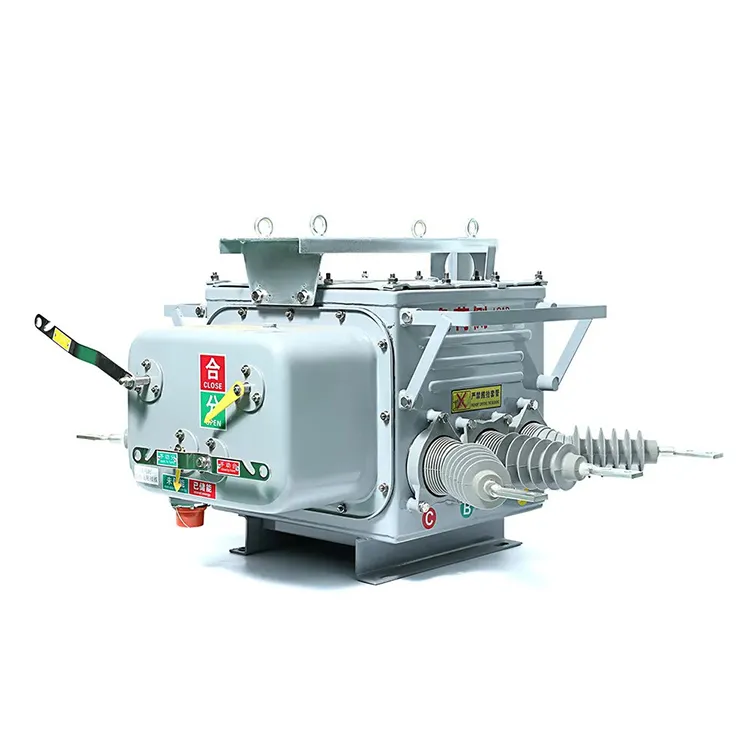
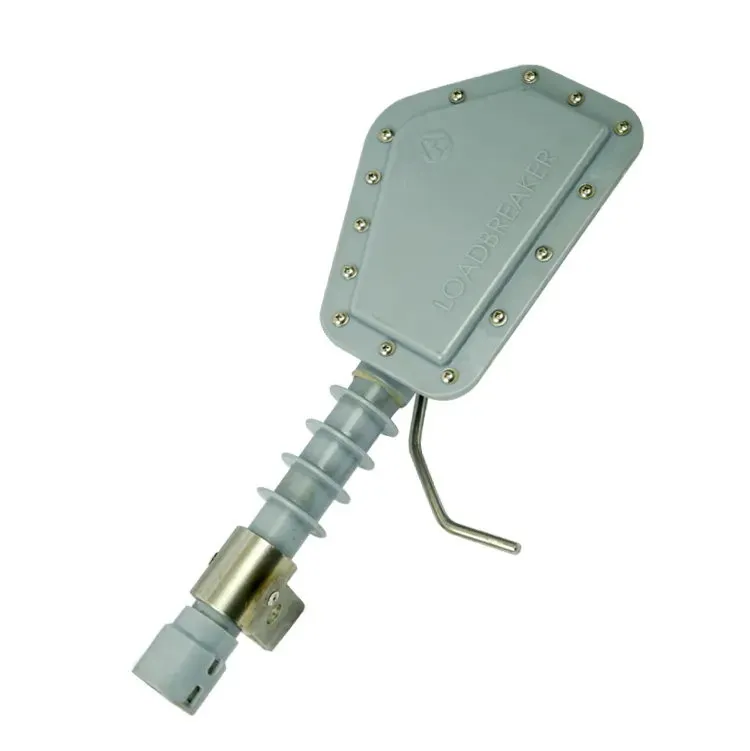


India is one of the most affected countries around the world by high levels of lightning strikes. Due to its varied landscape, topographical features and climatic conditions, it experiences many different forms of extreme weather. As a result, there is an increasing need to protect your home from unpredictable and often highly destructive lightning strikes as these types of extreme weather events continue to get worse and more frequent every year. Therefore, as a homeowner, you should take steps to protect your home with a good quality lightning arrestor as a priority for ensuring that your house, family, and expensive electronics are safe from lightning strikes. This article provides a detailed review of the importance of lightning arrestors as well as tips on how to select a lightning arrestor and answers to frequently asked questions about lightning arrestors so that you can be better informed and make more informed decisions regarding lightning arrestors.
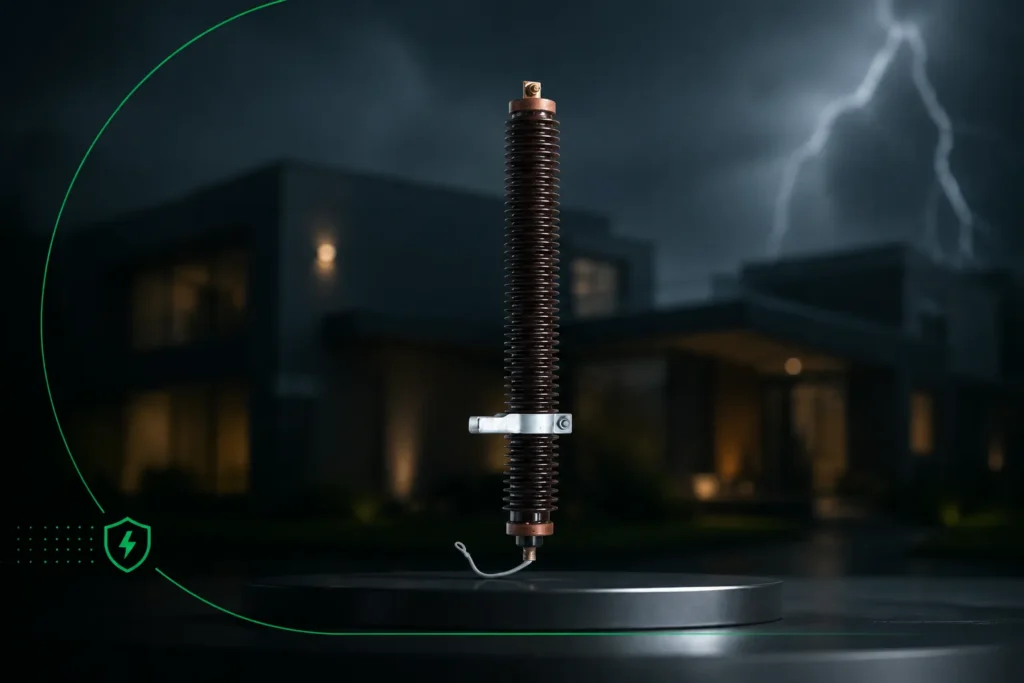
What is a Lightning Arrester?
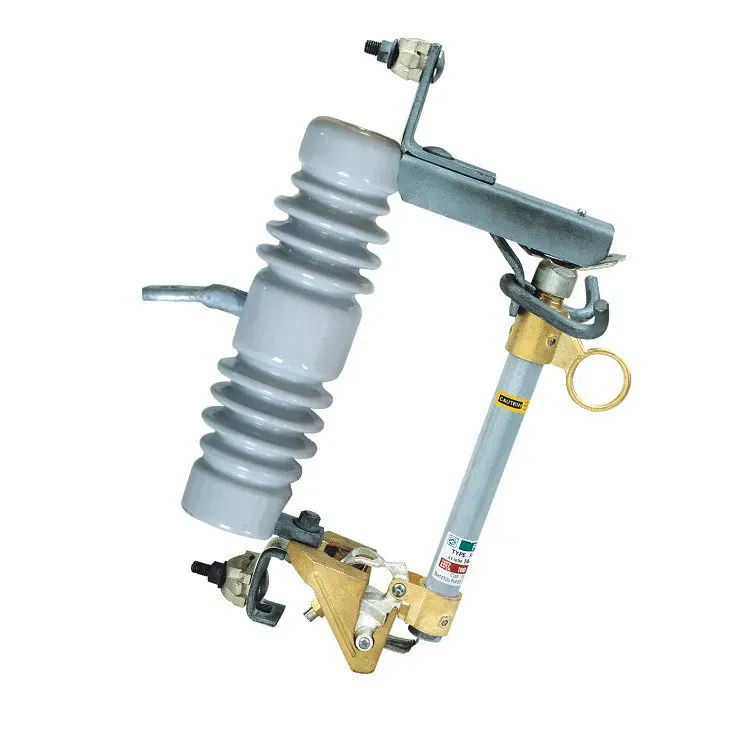
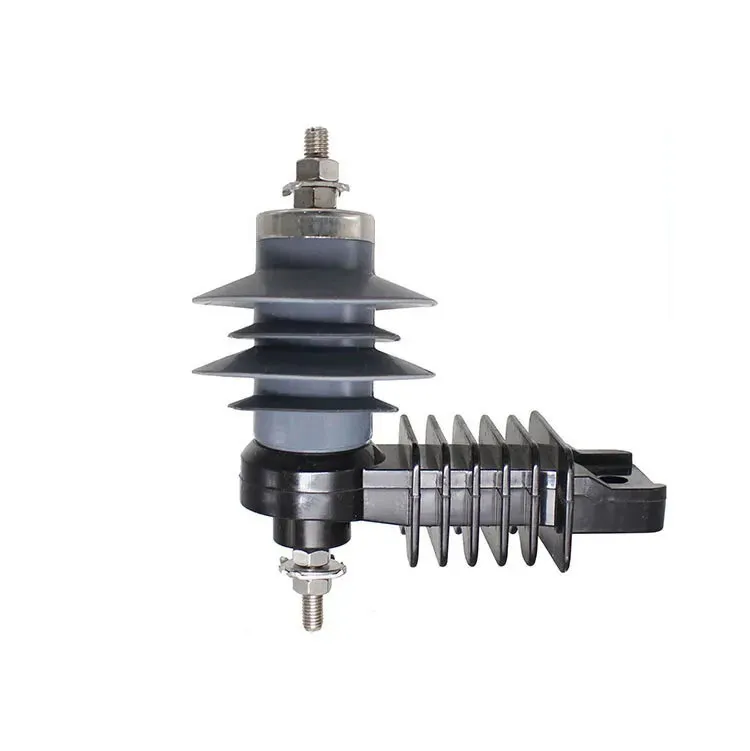
Lightning arresters are protective devices that minimize the damage caused by lightning strikes to buildings and electrical systems. They do this by providing a controlled path for the high-voltage and high-current lightning bolts so that the charged energy of the lightning discharge does not harm electrical equipment, appliances, and the physical structure of a building. A lightning arrestor is usually located at or near the top of a structure and works by directing the electrical current safely into the ground.
The Growing Risk of Lightning in India
Lightning is a major threat to lives as well as infrastructures in India. The increasing numbers of lightning strikes (an increase of over 30%) reported in recent years have been attributed to changing weather patterns caused by climate change and global warming (source). States such as Odisha, West Bengal, Bihar and Uttar Pradesh are particularly vulnerable. Lightning strikes have resulted in significant amounts of damage to property and deaths on an annual basis. In 2015, there were 1700 lightning strike fatalities reported across India, according to the Lightning Resilient India Campaign.With the increase in lightning strikes globally due to climate change and urbanization*, Indian homeowners must now focus on purchasing lightning protection systems to prepare their homes for this growing threat from Mother Nature.
Benefits of Installing a Lightning Arrester at Home
Whether you live in a metropolitan city or a rural area, a lightning arrester can be a lifesaving investment. Below are some critical benefits:
Safeguarding Against Electric Utility Lightning Strikes: Several lightning protection installations include lightning protection systems, electrostatic discharge (ESD), grounding systems, and lightning rod systems (LRS) that provide alternative routes to ground. This prevents electric utility systems from sustaining damage due to electrical surges caused by lightning strikes.
Mitigating Fire Risks: Rooftops could ignite from lightning strikes if they are made of combustible materials. A lightning arrester dissipates this electric charge into the earth, preventing it from igniting the rooftop.
Cost Savings Over Time: Repairing or replacing damaged electrical systems is costly after they have been repaired or replaced. Once you install a lightning arrester to prevent future repairs, you will save money on future repairs.
Peace of Mind: When homeowners know that their home is protected against lightning strikes, they can relax while storms occur.
How Does a Lightning Arrester Work?
A typical lightning arrester system consists of three key components:
| Component | Description |
|---|---|
| Air Terminal | A metal rod that intercepts lightning strikes. |
| Down Conductor | Conducts the electrical energy from the air terminal to the ground. |
| Earth Electrode | Grounds the energy, dispersing it into the earth safely. |
Lightning will hit the air terminal, conduct through the down conductor, and ultimately be grounded by the earth electrode all in a matter of milliseconds, thereby preventing damage to property.
Types of Lightning Arresters
All lightning arrestors have the same goals as to protect structures from lightning strikes, they come in various types depending on the purpose.
1. Rod Type (Franklin) – it is a conventional lightning rod that draws in lightning through the use of metal rod.
2. Lightning Protection System (LPS): A comprehensive system consisting of rods, conductors, and grounding components designed for larger homes or buildings.
3. Surge-Protective Devices (SPDs): Installed inside buildings to protect electrical devices connected to the power supply from surges caused by lightning.
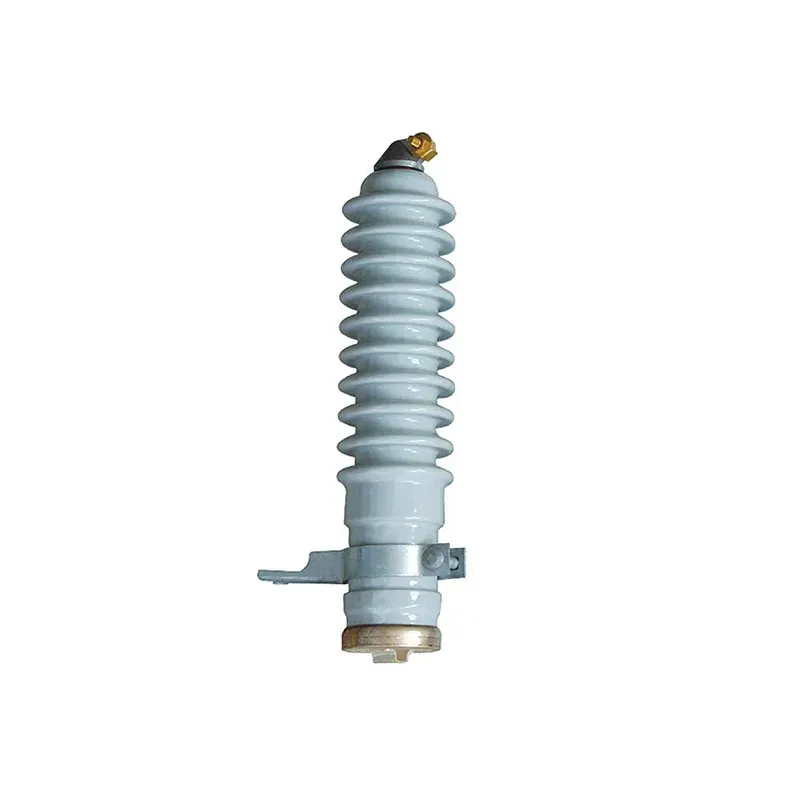
How to Choose the Right Lightning Arrester for Home India
Choosing the correct lightning arrester for your home involves several factors. Here’s a quick guide:
| Factor | Details |
|---|---|
| Building Height | Taller buildings require more robust systems. |
| Location | High-risk lightning areas demand advanced devices. |
| Budget | Options range from basic to high-tech systems. |
| Professional Installation | Ensure compliance with safety and quality standards. |
Maintenance and Inspection
After installing a lightning arrester, regular maintenance is crucial to ensure continued protection.
Annual Inspections: Have a professional inspect the system yearly to check for corrosion, damage, or wear and tear.
Post-Storm Check: Strong storms may damage the system. Conduct inspections after major weather events.
Record Keeping: Maintain records of previous inspections and repairs for reference and compliance.
FAQs
1. Why do Indian homes need lightning arresters?
India experiences high rates of lightning strikes due to its geographical and climatic diversity. Lightning arresters offer essential protection for life and property, especially in regions prone to frequent thunderstorms.
2. Are lightning arresters expensive?
The cost of a lightning arrester in India can vary depending on the type, brand, and complexity of the system. Basic models can start from as low as INR 5,000, while advanced systems may go up to INR 50,000 or more, including installation. Consider it as a long-term investment in safety.
3. Can I install a lightning arrester myself?
While DIY kits are available, it is highly recommended to have a professional install the arrester. Proper grounding and compliance with safety codes are essential for effective protection.
4. Do all regions in India need lightning arresters?
While not mandatory in all regions, homes in states such as Odisha, Bihar, and Uttar Pradesh, which experience higher lightning activity, should strongly consider installing lightning arrester systems.
5. What are the alternatives to lightning arresters?
While there are surge protectors and specialized power strips for protecting electronics, no alternative offers comprehensive home protection like a lightning arrester system.
As natural calamities such as lightning strikes become more frequent in India, ensuring your home is adequately protected is no longer optional—it is essential. A high-quality lightning arrester for home India offers an effective, reliable solution by protecting not only your home’s structure but also its expensive electrical devices and, most importantly, its residents. By making an informed choice with the right system and ensuring regular maintenance, you are investing in the long-term safety and security of your home.
For more information and guidelines, visit trusted resources like the National Disaster Management Authority or consult with certified professionals for installing a lightning protection system in your area.
References: