
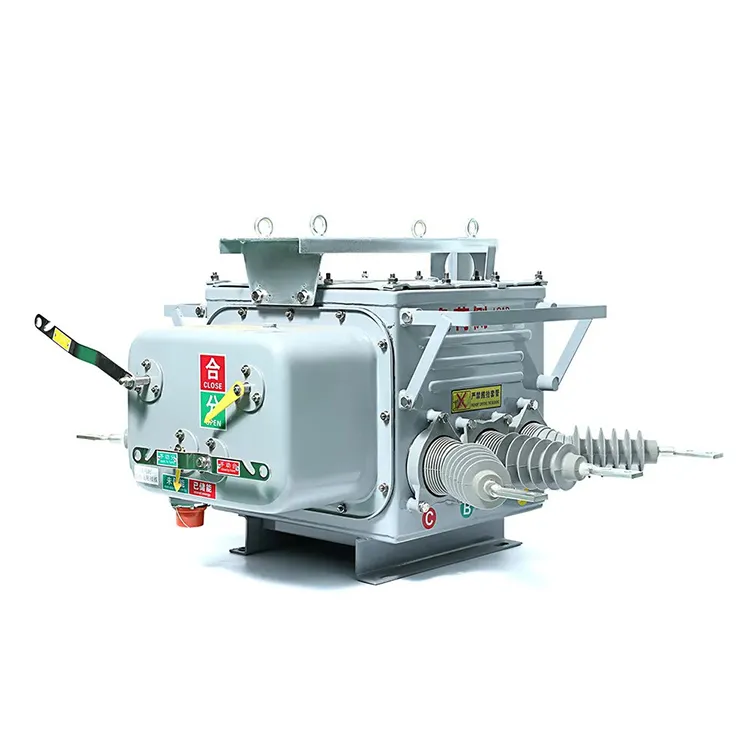
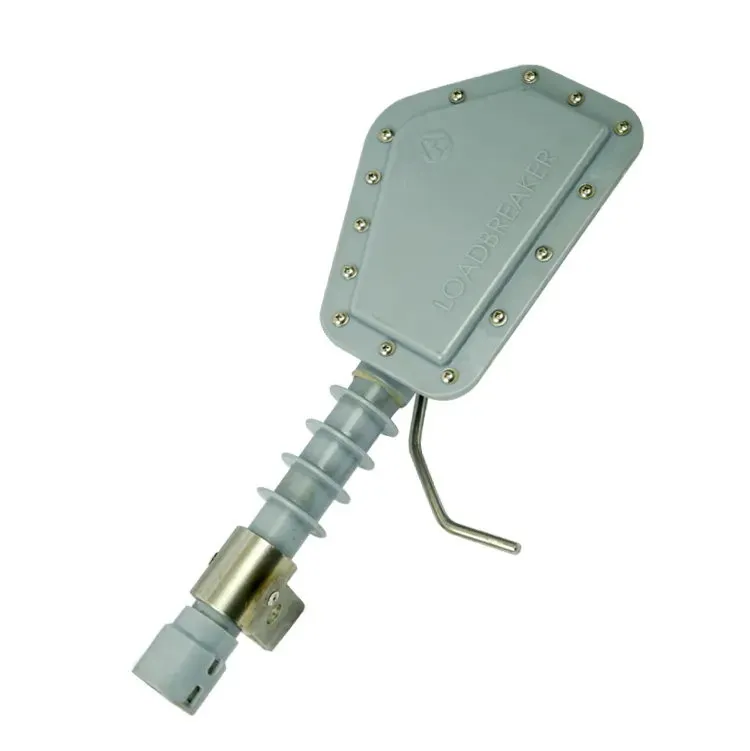


When a homeowner in Pune asked an electrician to add a rooftop rod before the monsoon, a nearby storm still damaged the router and inverter within seconds. The follow-up found that the rod was not bonded to a coordinated earthing and surge-protection plan. The lesson is important for anyone researching a lightning arrester for home India: protection is a system decision, not a single product purchase.
Summary: An external air-terminal lightning protection system (LPS) helps manage a direct strike to a structure, while a service-entry surge protective device (SPD) limits transient voltage on incoming electrical conductors. They address different paths and are not interchangeable. IEC 62305 is the main reference for lightning-protection risk and system design; IEC 61643-11 covers low-voltage AC SPDs and their tests. Start with a site-specific risk review, then have a qualified electrical professional specify, bond, install and document the equipment. You can compare lightning arrester products after those requirements are clear.
For a regional example, see Срабатывающий предохранитель для дома в штате Керала.
For a related regional comparison, see Lightning Surge Arrester Malaysia.
What is a lightning arrester in a home system?
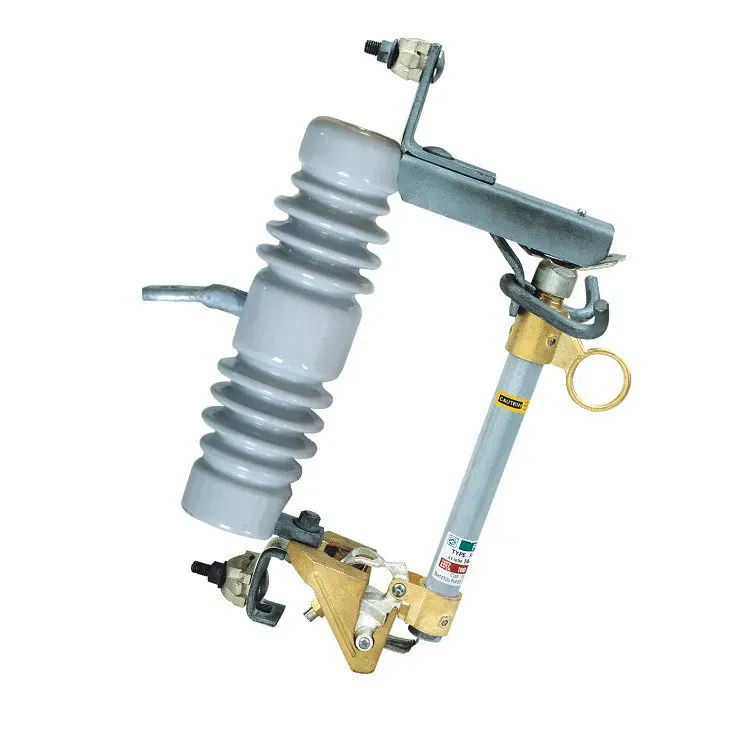
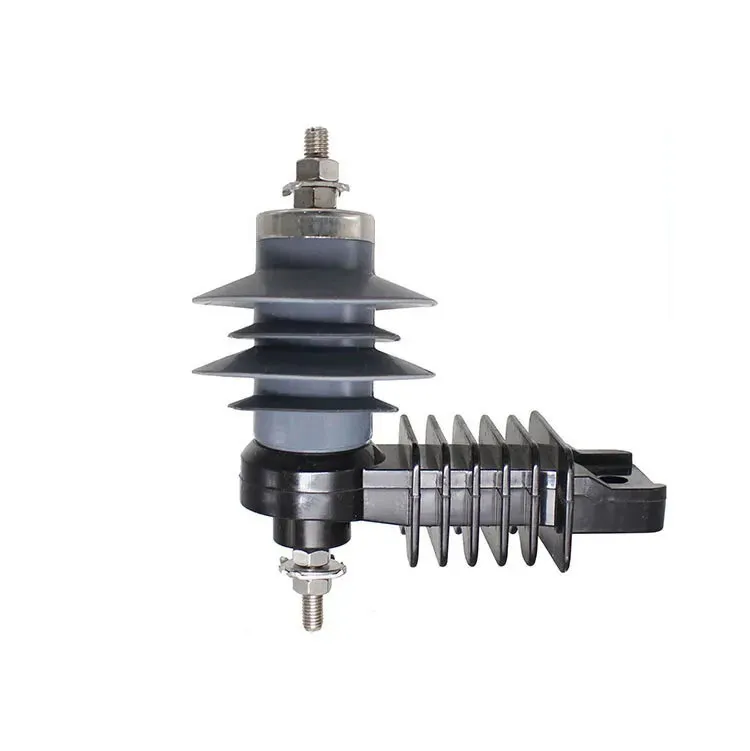
In everyday Indian usage, “lightning arrester” can mean either an external air-terminal LPS or an electrical SPD. An external LPS uses air terminals, down conductors, bonding and earth electrodes to control the path of a direct strike around a building. An SPD is installed on a power, data or other incoming circuit to divert or limit a transient surge at that circuit. A small plug-in protector can help with connected equipment, but it does not intercept a strike to the roof or replace an engineered LPS.
How to assess lightning risk at an Indian home
Risk varies by state, terrain, building height, roof geometry, occupancy, nearby taller objects, soil and earthing conditions, and the number of power, telecom or solar conductors entering the house. A coastal apartment, a hill-side detached house and a farm building may therefore need different decisions even when they are in the same broad climate zone. NDMA publishes public lightning-safety advice, while the India Meteorological Department (IMD) provides thunderstorm and lightning information; neither source prescribes one device for every home.
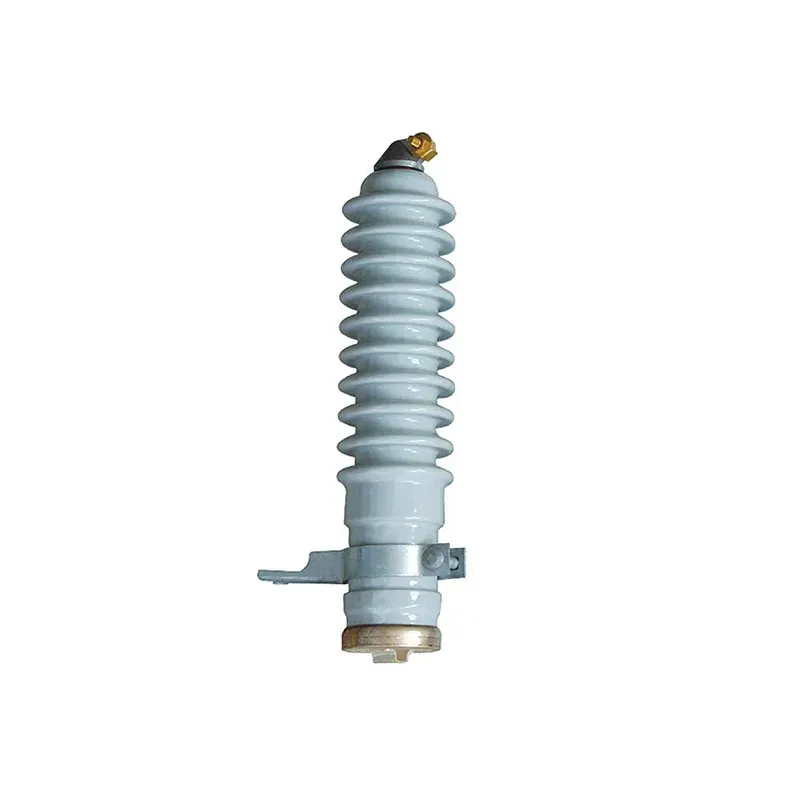
Ask the assessor to record the building use, exposed services, existing earthing, separation distances and likely consequence of an outage. The resulting decision may be an external LPS, coordinated SPDs, improved bonding, or a combination. During an alert, follow NDMA/IMD safety advice first: move indoors, stay away from roof-level and open areas, and do not work on conductors during a storm.
External LPS or service-entry SPD?
A practical specification starts by separating the two protection tasks. An LPS is concerned with physical damage and controlled current paths; an SPD is concerned with transient overvoltage on a circuit. In many homes they work together, but the conductor routing, bonding, ratings and coordination must be designed for the actual installation.
| Protection element | Main question answered | Typical scope | What it does not prove |
|---|---|---|---|
| External air-terminal LPS | How will a direct strike be intercepted and carried to earth? | Air terminals, down conductors, bonding and earth electrodes designed around the structure. | It does not by itself protect every appliance on the incoming supply. |
| Service-entry SPD | How will a surge on the low-voltage supply be limited at the main board? | Panel-mounted device selected for the supply arrangement, earthing and expected exposure. | It is not a rooftop air terminal and cannot make an unbonded LPS safe. |
| Point-of-use/data SPD | How will a sensitive appliance or signal line be protected locally? | Coordinated protection for equipment, telecom, antenna or data connections. | It cannot substitute for upstream protection or correct bonding. |
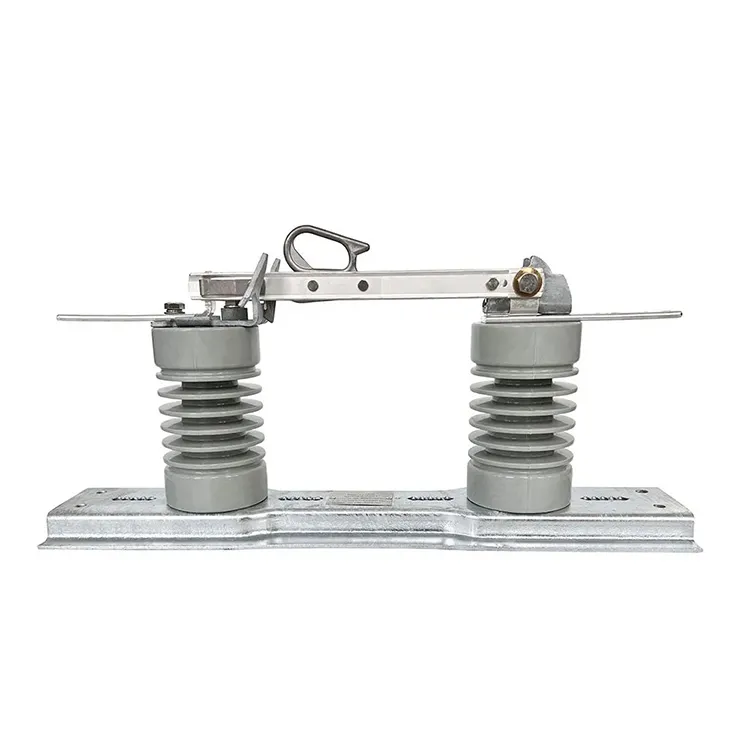
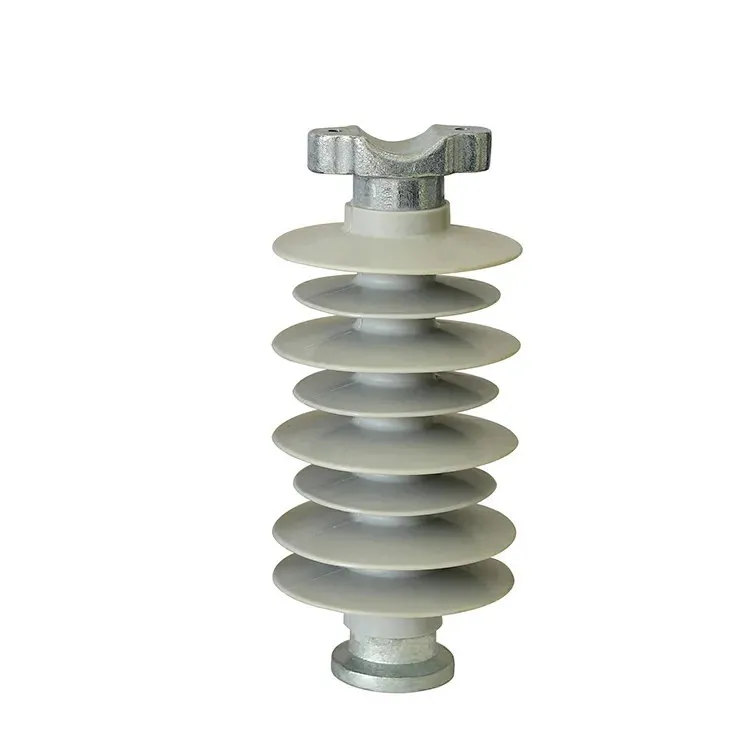
For a plain-language overview of equipment categories, see our home lightning arrester guidance. Keep the product name, installation location, earthing arrangement and test documentation together so a future electrician can verify coordination.
How to choose a lightning arrester for home India
- Define the exposure: note local storm warnings and lightning history, but also examine the site itself—height, isolation, roof materials and incoming lines.
- Map every conductive path: include utility power, telecom, CCTV, satellite/antenna, solar PV and metal services. Bonding decisions should be made by the designer, not improvised on site.
- Specify the applicable standard: use the IEC 62305 series for LPS risk/design questions and IEC 61643-11 for low-voltage AC SPD requirements and tests. Confirm the edition and any applicable Indian adoption in the project specification.
- Check installation evidence: request drawings or a simple as-built route, conductor and earth-electrode details, product datasheets, test reports, inspection date and replacement instructions.
- Plan serviceability: make sure the SPD status indicator can be inspected, conductors can be reached safely, and the installer has defined what happens after a known surge or building alteration.
Which setup fits your home?
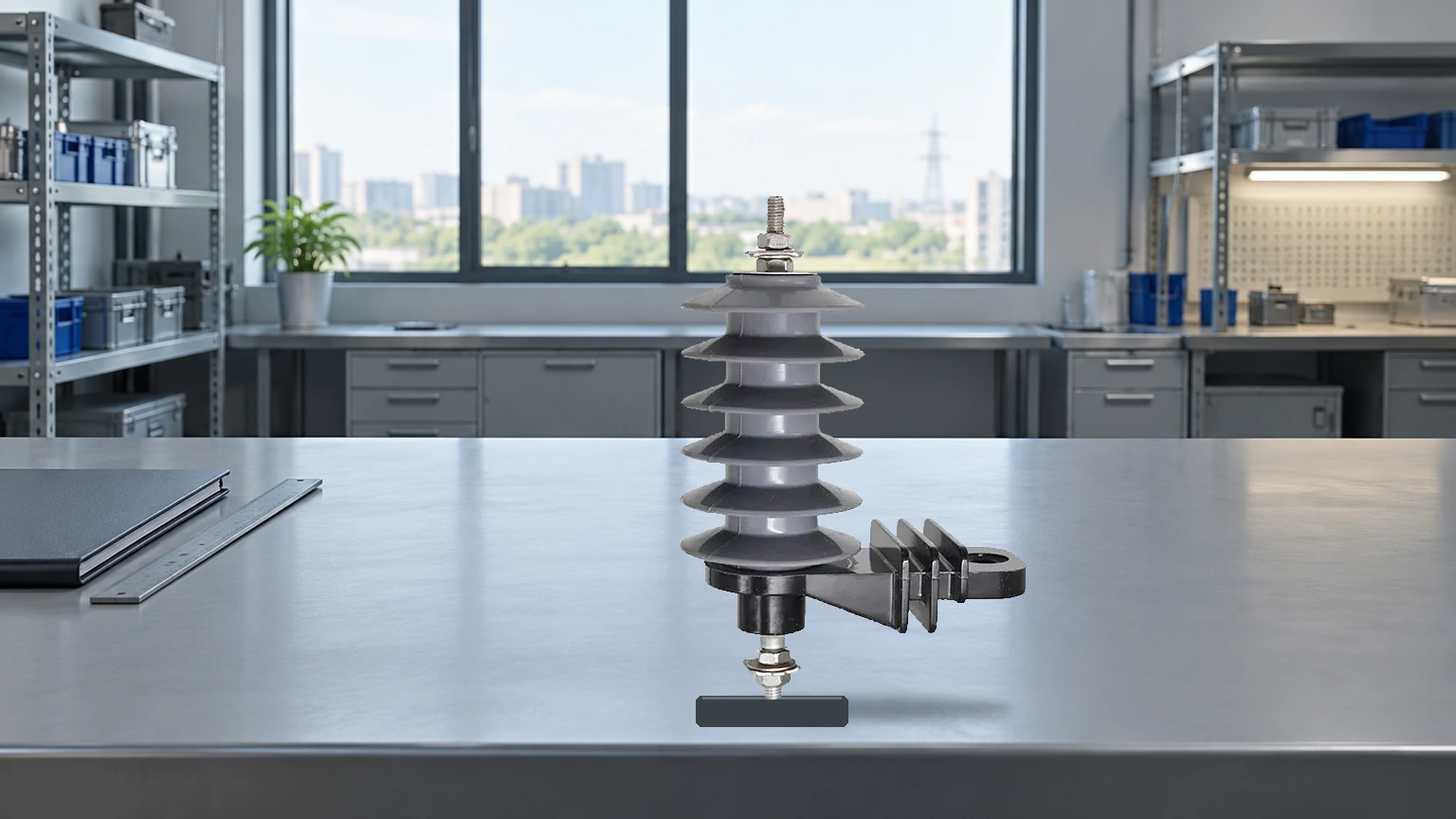
| Home situation | Useful starting point | Questions for the qualified installer | Important caveat |
|---|---|---|---|
| Detached home on an exposed site | Documented LPS risk assessment plus main-board SPD review. | Are separation distances, bonding and earth electrodes adequate? | Do not assume a taller rod alone reduces risk. |
| Top-floor apartment or shared building | Coordinate with the building association and utility-side designer; review panel and telecom SPDs. | Who owns the roof LPS, down conductors and common earthing? | Do not attach a private conductor to common metalwork without approval. |
| Urban low-rise home with overhead services | Inspect incoming power/data paths and consider coordinated SPDs. | Are devices compatible with the supply system and existing protective devices? | Point-of-use strips do not replace panel protection. |
| Home with solar PV, antenna or long data runs | Extend the review to DC, AC and signal interfaces. | Where are surge paths and bonding points on each side of the interface? | Use the equipment maker’s installation instructions and qualified personnel. |
| After a suspected strike or major storm | Isolate damaged equipment only when safe and arrange an inspection. | Were indicators, conductors, clamps, bonds or breakers affected? | A functioning appliance does not prove the protection system is intact. |
What installation and maintenance should include
IEC 62305 is a family of standards covering lightning risk management, protection against physical damage and life hazard, and protection of electrical and electronic systems. IEC 61643-11 specifies requirements and tests for low-voltage AC surge-protective devices. A standard reference is not a blanket certificate for an installation: the installer still has to select a suitable device, wire it with short and correctly routed conductors, coordinate upstream protection and verify the earthing/bonding arrangement. Ask which Indian Standard or utility rule applies to the project and keep the answer in writing.
At least annually, and after any known strike or significant building/electrical alteration, arrange an inspection at a frequency appropriate to the site and manufacturer’s instructions. Check for corrosion, loose or damaged clamps, conductor continuity, earth connections, bond integrity, SPD status indicators and signs of overheating. A post-storm check is especially important if breakers tripped, electronics failed, an SPD indicator changed, or a conductor appears displaced. Never open a panel or climb to a roof during a storm; use a qualified installer.
FAQs about lightning arresters for Indian homes
Is a lightning rod the same as a lightning arrester?
People often use the terms interchangeably, but a rod is one part of an external LPS. An electrical arrester or SPD protects a circuit from transient overvoltage. Confirm which meaning a quotation uses before comparing products.
Does every home in India need an arrester?
No single device is automatically appropriate for every region or building. Use the site’s exposure, structure, incoming services and consequence of failure to decide whether an LPS, SPDs, bonding work or a combination is justified.
Can a service-entry SPD replace a rooftop air terminal?
No. A service-entry SPD addresses a surge on the supply conductors; it does not intercept a direct strike to the structure. Where an LPS is warranted, the two systems should be coordinated.
How much does a lightning arrester for home India cost?
There is no reliable universal price band. Cost depends on building geometry, number of conductive services, earthing work, access, testing and the selected equipment; request an itemised, site-specific quotation rather than relying on a headline figure.
Can I install one myself?
DIY wiring or improvised roof connections can create dangerous touch and step-voltage paths. Have a qualified electrical professional design or verify the system, and obtain any building or utility approvals that apply.
What should I do after a lightning event?
Stay clear of roof and electrical equipment until conditions are safe, then check for visible damage, tripped protection, failed electronics and SPD indicator changes. Arrange a documented inspection before resetting or replacing protection that may have operated.
Выводы
A lightning arrester for home India is best treated as a risk-management project, not a universal accessory. India’s storm exposure is uneven, and a home’s height, location, wiring, data services and existing earthing can change the right answer. An external air-terminal LPS addresses the path from a possible direct strike to earth; an IEC 61643-11 SPD addresses transient voltage on a circuit. IEC 62305 helps structure the risk and design conversation, but it does not remove the need for competent installation and inspection. Begin with NDMA/IMD safety information and a qualified site assessment, document every conductive entry path, and plan post-storm checks. When the specification is clear, compare documented products and service support, then request a tailored quote or lightning arrester consultation from the CNFuerte team.
References:
- National Disaster Management Authority (NDMA), Lightning safety guidance
- India Meteorological Department (IMD), weather and thunderstorm information
- International Electrotechnical Commission (IEC), standards catalogue (IEC 62305 series)
- IEC Webstore, IEC 61643-11 search and publication records