
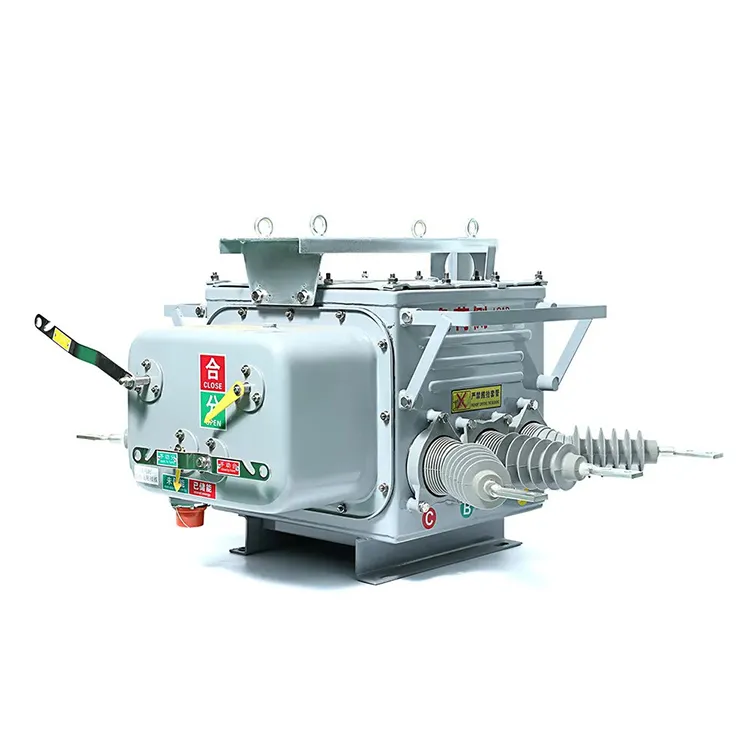
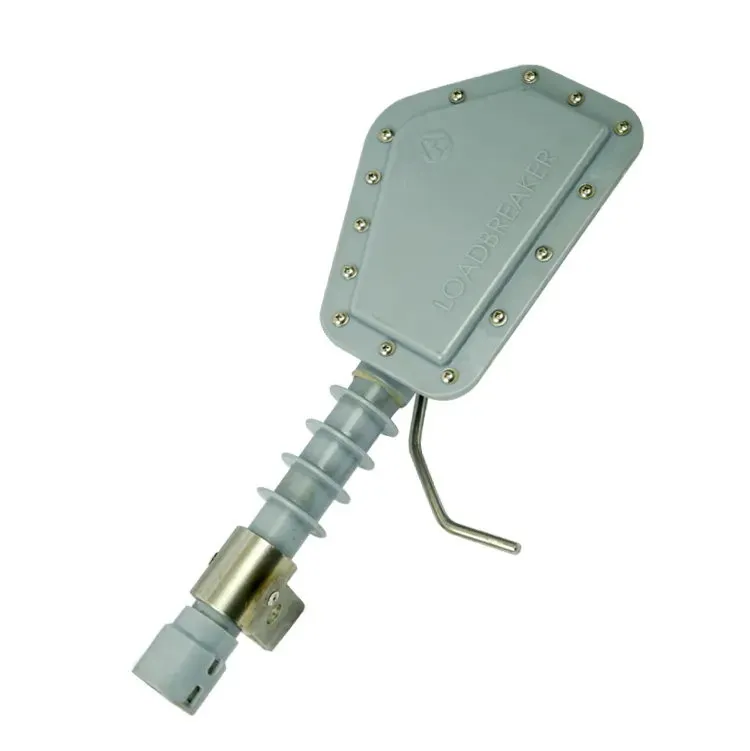

A Malaysian building can need external lightning protection, low-voltage surge protective devices and protection for incoming communications services, each addressing a different path. Buying a product simply labelled a lightning arrester does not establish which of these jobs it performs. The first decision is therefore the protection boundary: a roof air terminal, a service-entry SPD and a medium-voltage arrester are different equipment. Earthing, bonding, conductor routing and coordination then determine how the chosen layers work together. This guide explains how to identify the required equipment, assess site conditions and compare installation proposals without assuming that one device protects the entire property.
Summary: A Malaysia lightning-surge-arrester buying decision starts by separating three jobs: an air-terminal lightning-protection system for a structure, a low-voltage surge protective device (SPD) for electrical circuits, and a medium-voltage metal-oxide surge arrester for distribution equipment. IEC 62305 addresses lightning-protection-system design, while the IEC 61643 series covers SPDs and their tests; neither standard is a blanket guarantee of safety. Map the supply voltage, exposure, bonding and earthing first, then ask a competent Malaysian installer to specify and coordinate the equipment.
Why Malaysia needs a coordinated lightning-protection plan
Malaysia’s equatorial climate brings thunderstorms in many regions, but exposure is not identical from one site to another. Building height, nearby trees and towers, overhead or buried services, soil conditions, and the way a facility is bonded can all change the practical risk. Use regional observations from MetMalaysia as context, not as a substitute for a site risk assessment. Our lightning surge arrester guide provides a useful component-level glossary before you brief an installer.
Electrical work also sits within Malaysian supply, wiring and competency requirements that depend on the premises and installation. Before ordering a fixed SPD or a medium-voltage arrester, confirm the current requirements with Suruhanjaya Tenaga, the project engineer, and the contractor responsible for commissioning. A plug-in product for one appliance is not equivalent to a coordinated building system.
What people mean by “lightning arrester”
1. Air-terminal lightning protection system
An external lightning protection system (LPS) uses air terminals, down conductors, bonding and an earth-termination arrangement to manage a possible direct strike to a structure. Its design questions include separation distances, routing, bonding of conductive services and the building’s geometry. The IEC 62305 lightning protection standard family is the appropriate starting point for that system-level work. An air terminal does not replace an SPD on power, data or communications circuits.
2. Low-voltage surge protective device (SPD)
A low-voltage SPD is connected to an AC power system (and, where specified, data or signal circuits) to limit transient overvoltage by diverting surge current. Selection requires the system voltage and earthing arrangement, maximum continuous operating voltage, impulse or discharge-current requirements, upstream protection, lead length and coordination between stages. The IEC 61643 SPD standard family defines product and test scopes for low-voltage surge protection; it does not design the whole building LPS.
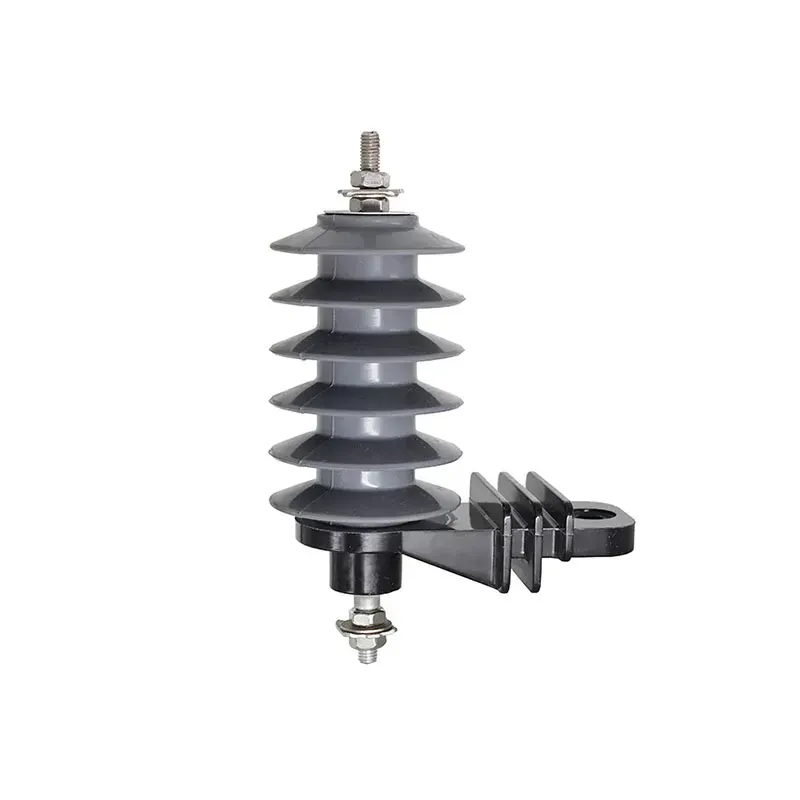
3. Medium-voltage metal-oxide surge arrester
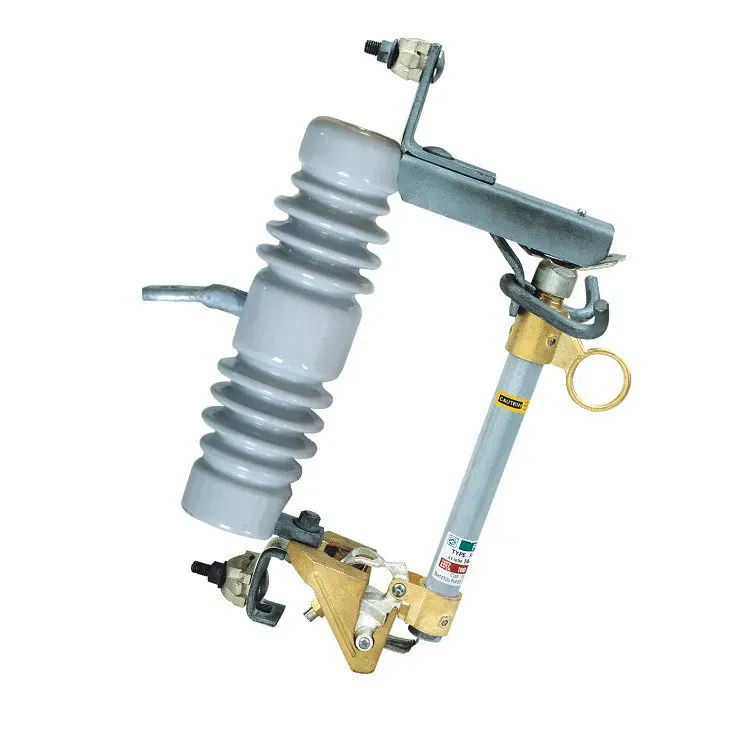
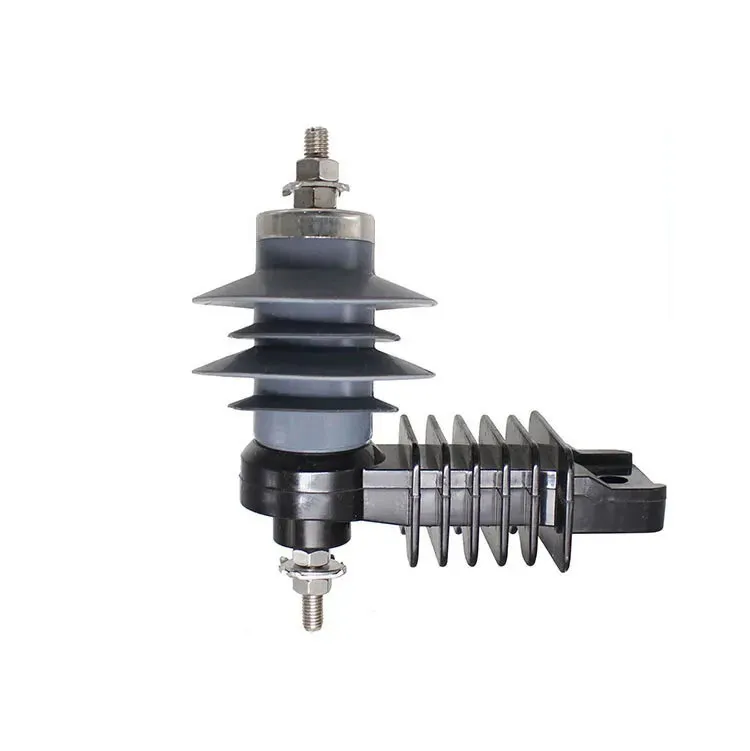
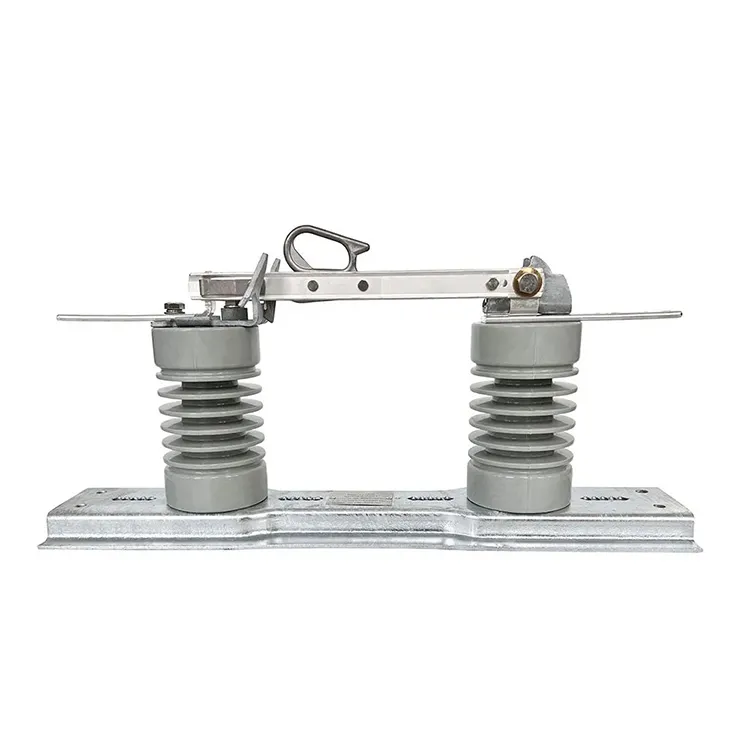
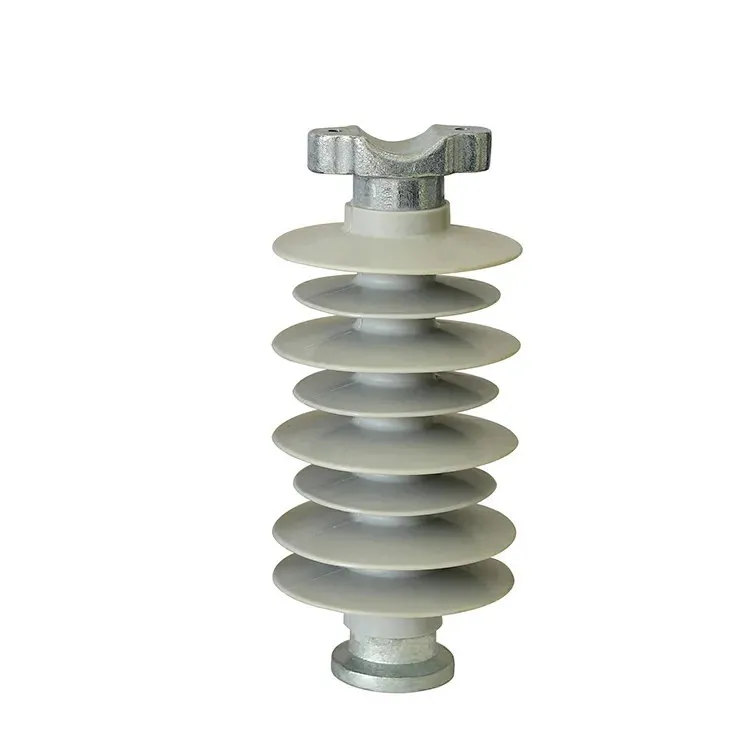
A medium-voltage metal-oxide arrester is installed at distribution equipment such as a transformer, feeder or substation. It is selected against system voltage, temporary overvoltage, energy-duty requirements, insulation coordination, connection geometry and the site’s earthing arrangement. Medium-voltage equipment is outside the usual low-voltage SPD scope of IEC 61643; ask the network engineer to identify the applicable utility and equipment standard (the IEC 60099 series is commonly used for surge arresters above low voltage) and to verify the utility’s requirements.
Which arrester fits your project?
| Observed need | Protection category | Primary thing protected | Checks before quotation | Who should specify |
|---|---|---|---|---|
| Risk of a direct strike to a building, tower or exposed roof | Air-terminal LPS | Structure and strike-current path | IEC 62305 risk/design approach, geometry, bonding, separation distance, earth termination | Lightning-protection designer and competent electrical contractor |
| Transient overvoltage on a 230/400 V installation | LV SPD, coordinated by location and duty | Distribution boards, equipment and connected circuits | Earthing system, Uc, prospective fault current, discharge rating, backup protection, lead length and upstream/downstream coordination | Designer or competent person familiar with the installation |
| Surges on a utility or industrial MV feeder | MV metal-oxide surge arrester | Transformers, switchgear and feeder insulation | System voltage, MCOV, temporary overvoltage, energy duty, insulation coordination and utility specification | Utility or MV engineer |
| Sensitive control, CCTV or communications circuits | Signal/data SPD matched to the interface | Ports and connected electronics | Protocol, bandwidth, common-mode/line-to-line mode, shield bonding and cable routing | Controls or electrical engineer |
What to check before buying in Malaysia
- Describe the installation. Record the supply voltage, earthing arrangement, service entrance, exposed conductors, critical loads and whether the site has an external LPS.
- Choose the protection boundary. Decide whether the brief is for a structure, an LV board, an individual circuit, an MV feeder, or more than one coordinated layer.
- Request evidence, not labels. Ask for the relevant product standard, test reports or declaration supplied by the manufacturer, wiring diagram, installation instructions and replacement/indicator information. Do not treat “IEC certified” as a certification claim unless the document identifies what was tested and by whom.
- Check coordination and installation. A nominally high surge-current rating cannot compensate for long connecting leads, missing bonding, an unsuitable backup device or a poor earth path. Have the installer verify routing, torque, enclosure clearances and commissioning records.
- Compare total cost of ownership. Include assessment, earthing or bonding work, board space, downtime for installation, inspection access, replaceable modules and the cost of restoring production after a failure. For a product shortlist, compare documented duty and support through surge protection products rather than comparing retail price alone.
What affects price and maintenance?
There is no responsible single Malaysia price for a “lightning arrester.” A plug-in appliance protector, a coordinated LV panel, an external LPS and an MV substation arrester are different scopes. Budget for the device, compatible enclosure or disconnect, cable and busbar work, earthing/bonding improvements, testing, documentation and any outage needed to install it. A lower unit price may be poor value if the device is incompatible with the earthing system or has no replacement path.
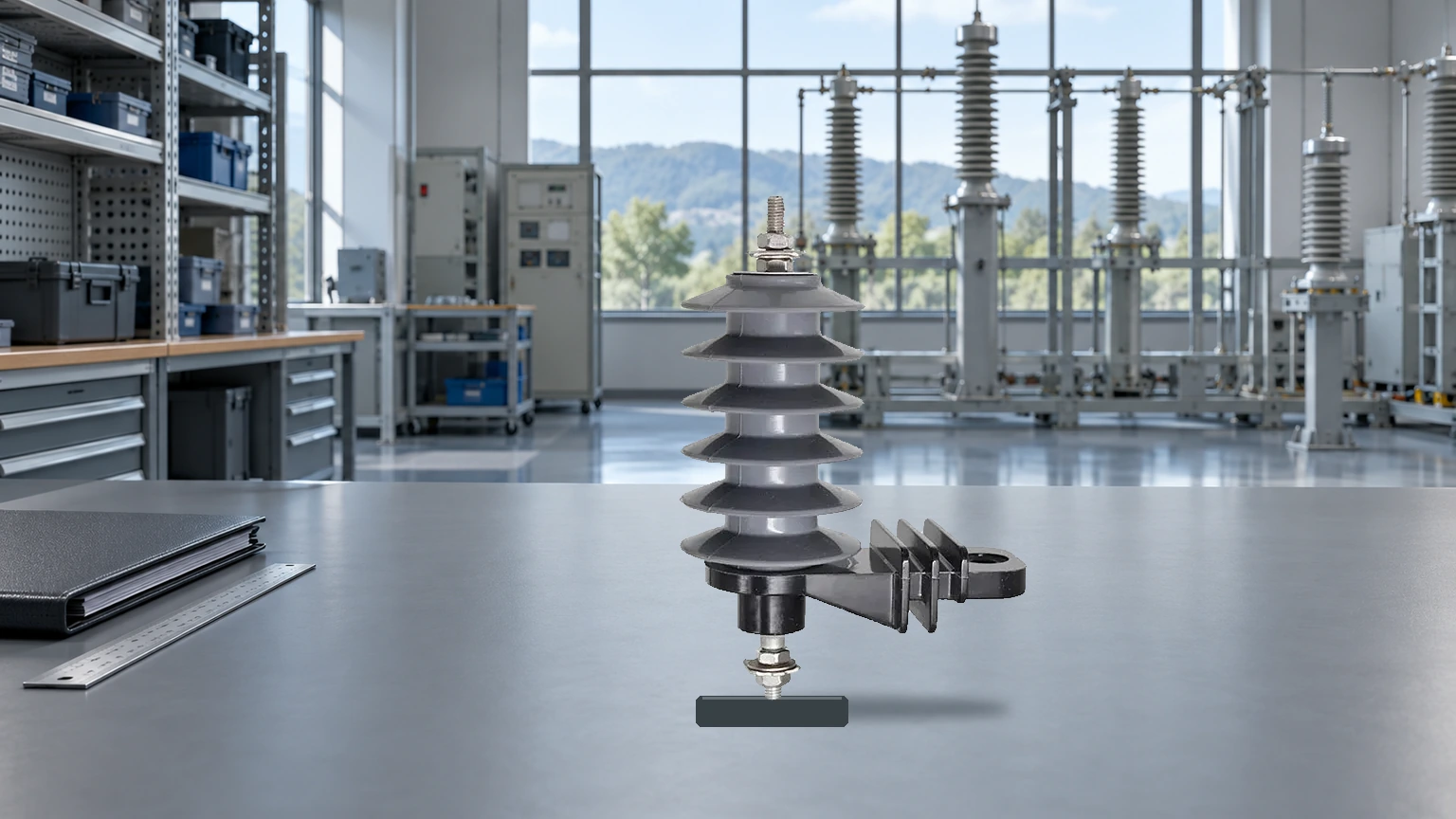
Keep a register of model, location, installation date, indicator status and the drawing that shows its protection zone. Inspect visible connections and indicators as part of the site’s maintenance plan, and arrange a review after a known major lightning event, a board modification or an unexplained equipment failure. The interval should follow the risk assessment and manufacturer instructions; do not promise that one annual visit suits every facility.
Which standards and installer checks matter in Malaysia?
- IEC 62305: a series for protection against lightning, including risk-management and design concepts for an LPS. It is not a product badge for every device sold as an arrester.
- IEC 61643: a family covering surge-protective devices and relevant test requirements, particularly for low-voltage systems. It does not by itself specify an air-terminal layout or prove that an installed system is coordinated.
- IEC 60099 series: commonly referenced for surge arresters used on power systems above low voltage; the responsible utility or MV engineer should confirm the edition and applicable part.
Ask for the edition and scope of every cited standard, along with the test or declaration documents that actually apply to the model. Malaysian electrical rules, utility conditions and building requirements can change by project; use a registered or otherwise accepted competent contractor and have the responsible engineer sign off the design and commissioning record. This is a buying guide, not a substitute for an authority having jurisdiction or a project-specific risk assessment.
FAQs about lightning surge arresters in Malaysia
Do I need an air terminal, an LV SPD, or both?
They solve different problems. An air-terminal LPS provides a planned path for a possible direct strike to the structure, while an LV SPD limits transient overvoltage on a circuit; a building exposed to direct-strike risk may need both, designed and bonded together. The answer depends on the structure, services and risk assessment.
Is IEC 61643 the same as IEC 62305?
No. IEC 61643 addresses SPD products and tests, whereas IEC 62305 addresses lightning-protection-system principles and design. A device report to one family should not be presented as proof that the entire installation meets the other.
Can I install a fixed surge arrester myself?
Small plug-in devices may be user-installable when their instructions permit it, but a fixed SPD involves live distribution equipment, earthing, backup protection and coordination. Use a competent electrical contractor accepted for the Malaysian project, and isolate and test the circuit under the site’s safety procedure.
How should I select a medium-voltage metal-oxide arrester?
Start with the system’s maximum voltage, MCOV, temporary overvoltage, insulation coordination, energy duty and earthing arrangement; then check the utility or network specification and physical clearances. A catalog current rating alone is not enough. The MV engineer should document the selection and commissioning tests.
What should a homeowner in a high-lightning area ask for?
Ask whether the proposed device is an LV SPD, whether the service earthing and bonding have been checked, and which circuits are included. For a broader residential explanation, see this home lightning-arrester guide; the principles still need to be adapted to the Malaysian supply and local installer requirements.
Резюме
A Malaysia lightning-surge-arrester purchase is most reliable when it begins with the protection boundary: direct-strike management for the structure, transient control for low-voltage circuits, or insulation protection on an MV network. Weather exposure is an input, not a complete specification. Confirm voltage, earthing, bonding, coordination, test evidence and maintenance access, then have a competent local installer verify the design against current authority and utility requirements. That process may change the product list, but it reduces the chance of paying for a device that cannot work in its intended location. The memorable rule is simple: match the arrester to the system and the system to the risk. If you need help assembling a documented shortlist or installation brief, request a Malaysia surge-protection consultation before placing the order.