
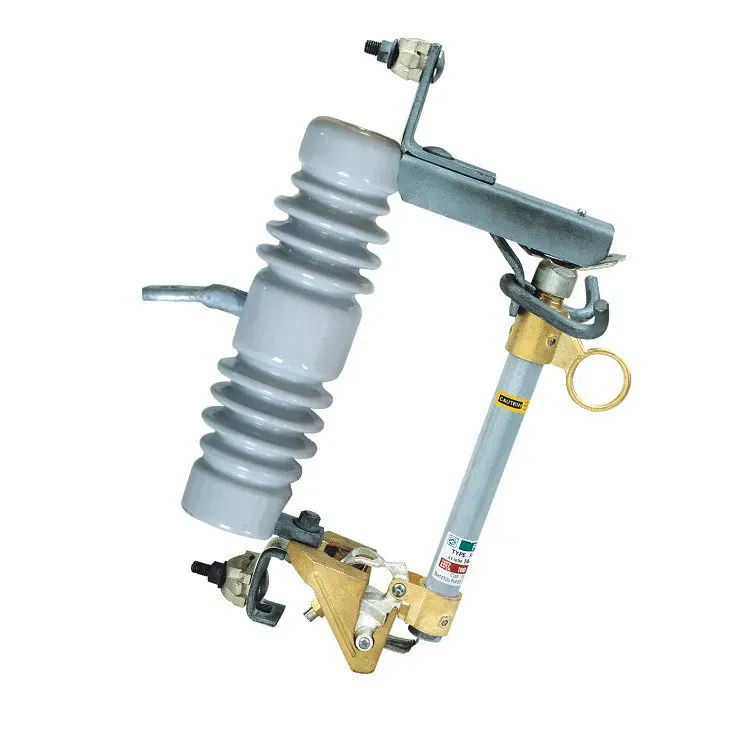
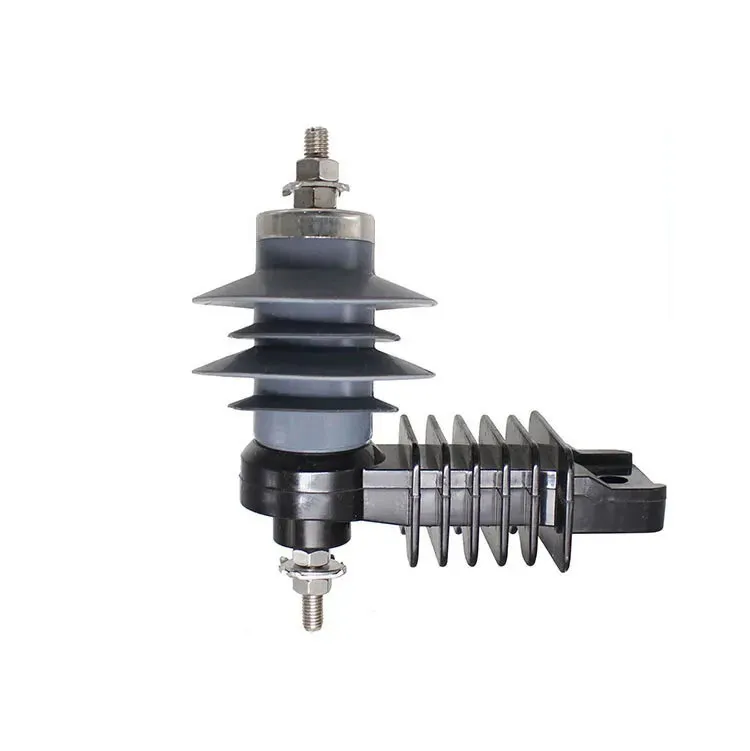
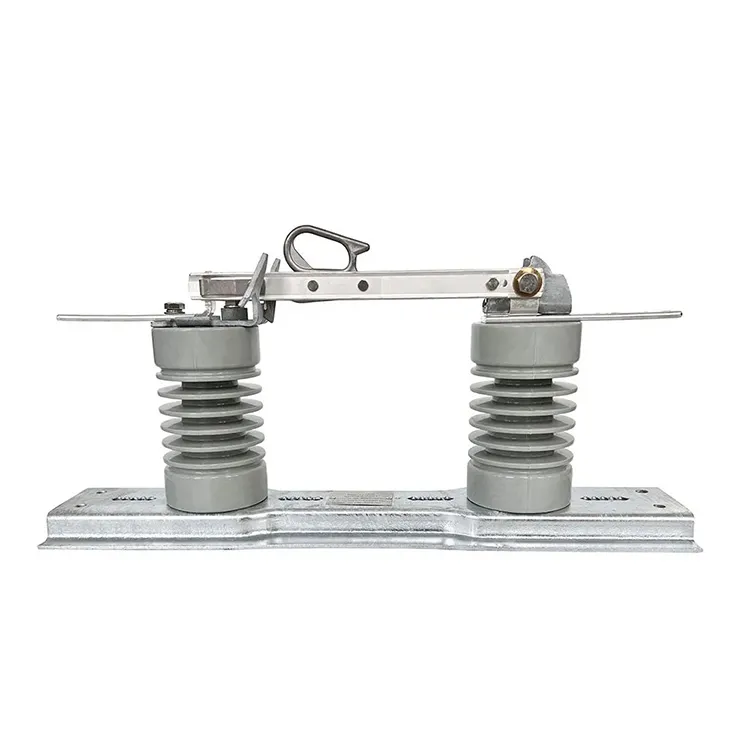
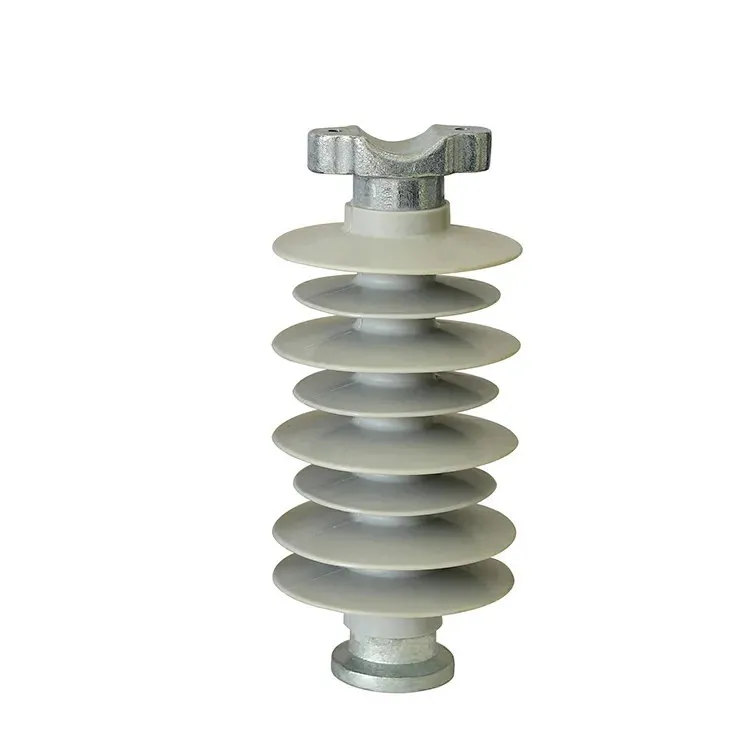
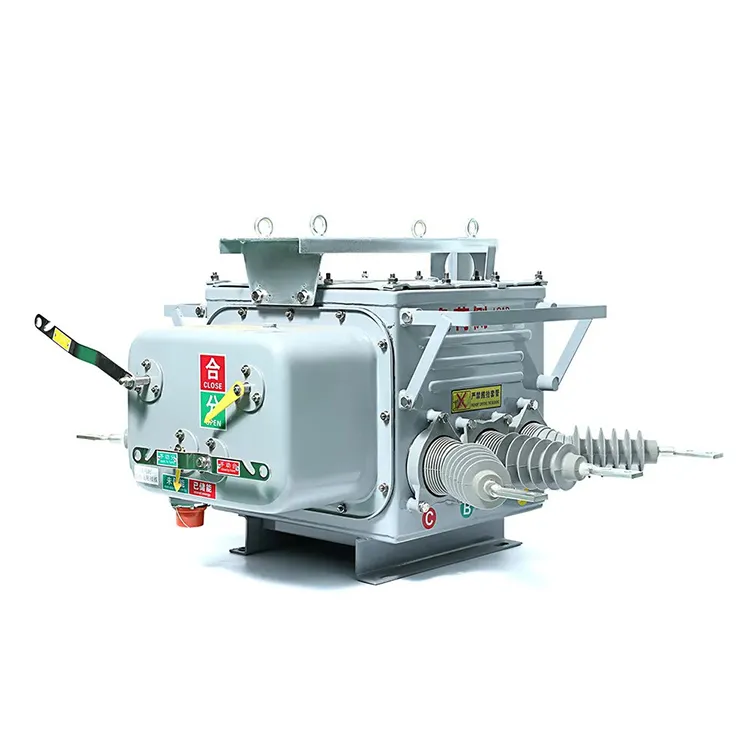
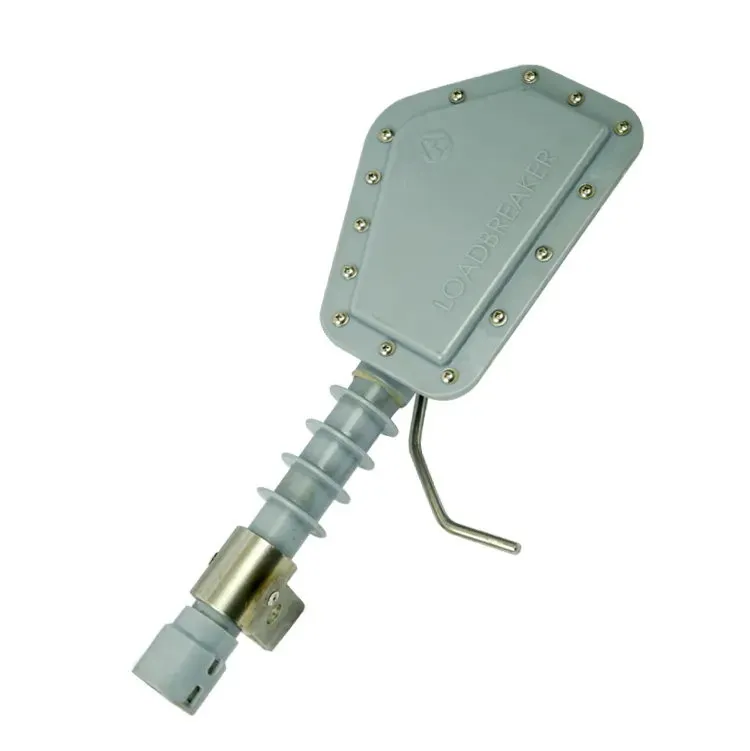


Illustrative decision scenario—not a reported field case: Maria, a facilities engineer in Rotterdam, sees a controller trip during a storm and is asked to specify “a lightning arrester” for the building. The visible failure is the prompt to check the protection map, not proof that one device was defective: a roof-mounted air terminal, a low-voltage surge protective device (SPD), and a metal-oxide arrester on a medium-voltage circuit address different points in the lightning and overvoltage path. Treating them as interchangeable can leave bonding, earthing, coordination, or equipment protection undefined. For a related technical topic, see The Difference Between Surge Arrester and Lightning Arrester.
Summary: “Surge protector” and “lightning arrester” are overlapping industry terms, not a strict product boundary. For AC low-voltage systems up to 1,000 V RMS, use the scope and tests in IEC 61643-11:2025. For metal-oxide surge arresters without gaps on AC power circuits above 1 kV, use IEC 60099-4:2014. Map the complete protection system—external lightning protection and earthing, service-entry and equipment SPDs, and any >1 kV arrester—then verify installation distance, conductor routing, temporary-overvoltage duty, backup protection, and coordination against the project design.
Start with the protection layer, not the label
Every device in this comparison is connected in a different place and has a different duty. “Lightning rod” usually describes an air terminal and its down-conductor/earth arrangement in an external lightning-protection system (LPS). It provides a controlled interception and discharge path for lightning current; it is not a substitute for a surge protective device inside the installation.
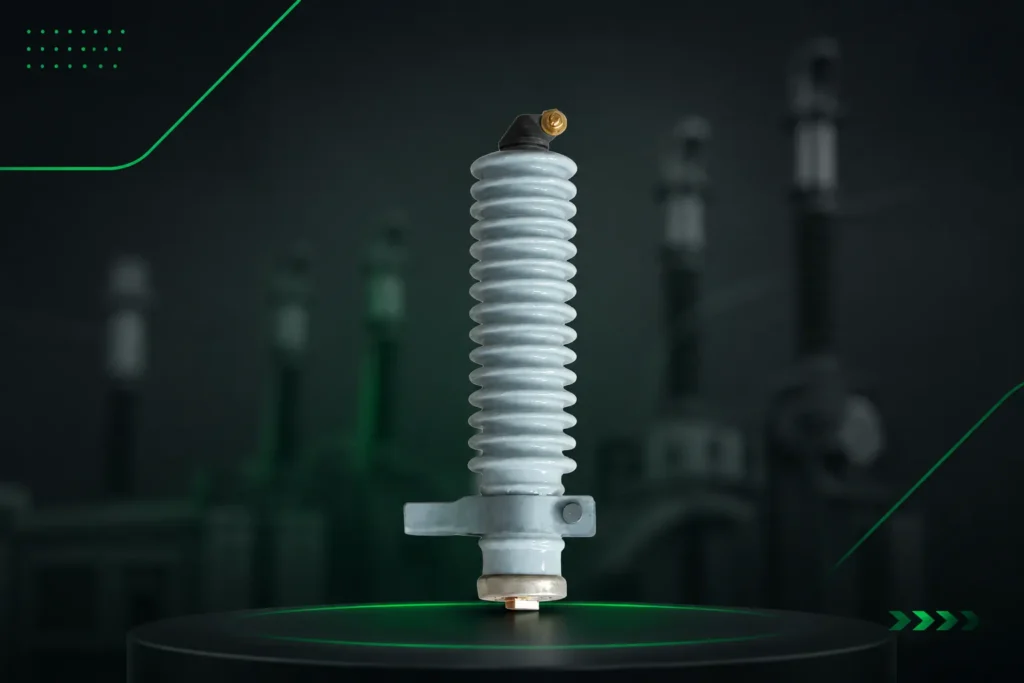
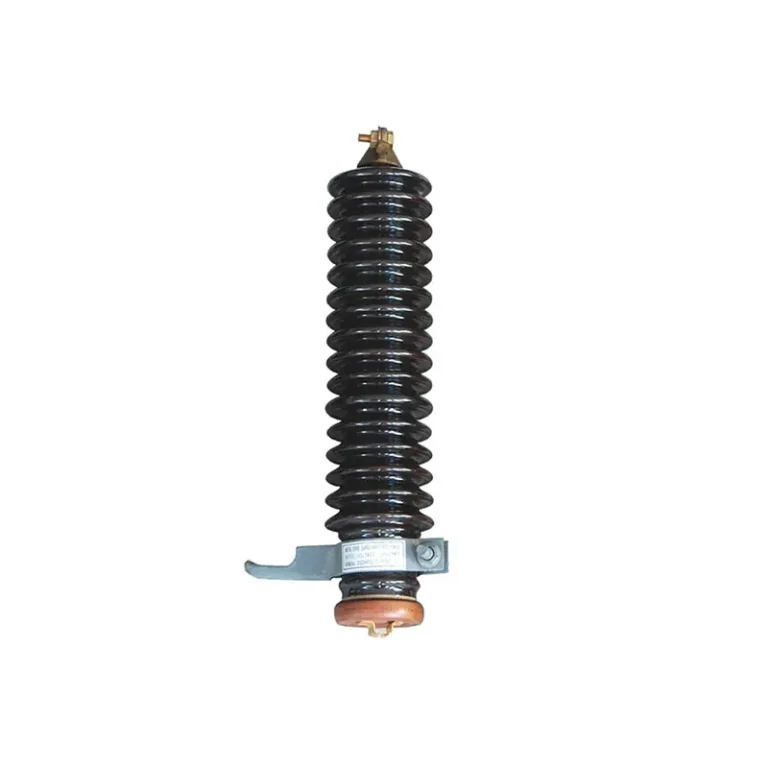
In power-distribution language, “surge arrester” or “lightning arrester” can describe a nonlinear metal-oxide device connected in parallel with a power circuit. The applicable voltage class and duty matter more than the name. IEC 60099-4:2014 covers metal-oxide resistor type arresters without spark gaps for AC power circuits with Us above 1 kV. That is a different scope from the low-voltage SPD requirements in IEC 61643-11:2025.
A low-voltage SPD is installed at a service entrance, distribution board, or near sensitive equipment to limit transient overvoltage between conductors and/or earth. It can respond to lightning-induced or switching transients within its specified duty, but it does not intercept a strike, create an equipotential bonding network, or replace the building’s external LPS.
Terminology that avoids a costly specification error
| Term used in a request | What it may mean | Boundary to confirm |
|---|---|---|
| Lightning rod / air terminal | External LPS component with down conductors and an earth-termination arrangement. | Building geometry, bonding and earthing design; not an internal SPD. |
| Surge protector / LV SPD | Protective device connected to an AC low-voltage system. | System voltage, connection mode, short-circuit duty, temporary overvoltage and coordination; IEC 61643-11:2025 scope. |
| Surge arrester / lightning arrester | Often a parallel-connected metal-oxide arrester on a distribution or substation circuit. | Whether the circuit is above 1 kV, the arrester’s operating and temporary-overvoltage duties, and IEC 60099-4 applicability. |
These terms overlap in supplier catalogues. A purchase specification should therefore state the installation point, voltage class, duty, earthing arrangement, applicable standard, and required coordination documents instead of relying on “lightning” or “surge” in the name.
How the protection layers work together
Use a layered map when reviewing a building, plant, transformer, or substation design:
- External LPS and bonding: air terminals, down conductors, earth-termination and bonding arrangements manage a lightning-current path around the structure. They do not by themselves clamp every transient at an electronic load.
- Service-entry SPD: an LV SPD at the service or main distribution point limits incoming transient overvoltage within its tested operating range. Its connection conductors, backup overcurrent protection and bonding path must be designed together.
- Equipment-level SPD: a downstream SPD can reduce residual stress at a sensitive panel or device. Its protective level and lead arrangement must be coordinated with the upstream device and the equipment withstand requirement.
- >1 kV power-system arrester: on a medium- or high-voltage circuit, an arrester is selected for the system’s continuous operating voltage, rated voltage, temporary-overvoltage duty, protective-level margin and location. Those are insulation-coordination questions, not simply a “lightning rod” choice.
The layers are complementary. An SPD limits transient voltage; it does not replace bonding, earthing, or an external lightning-protection system. Conversely, an external LPS does not remove the need to evaluate transient protection for service equipment and electronics.
Which standard applies?
Choose the standard from the circuit and product duty, then check the project’s local requirements:
| Decision point | Low-voltage SPD | >1 kV AC metal-oxide arrester |
|---|---|---|
| Primary reference | IEC 61643-11:2025, low-voltage AC SPDs. | IEC 60099-4:2014, metal-oxide surge arresters without gaps for AC systems above 1 kV. |
| Scope signal | AC systems up to 1,000 V RMS; preferred frequency 50/60 Hz. | AC power circuits with Us above 1 kV. |
| Tests or duties to review | Combined modes, T1/T2 follow-current duty, short-circuit, dielectric and clearance tests for electrically separated circuits. | System insulation coordination, continuous operating and rated voltage, temporary-overvoltage duty, protective level and project-specific location. |
| What the standard does not prove | A reference to IEC 61643-11 does not by itself prove a supplier certificate or suitability for every installation. | IEC 60099-4 is a product/test standard; citing it is not proof that a supplier is certified or that the selected arrester fits a particular study. |
IEC 61643-11:2025 was published on 18 June 2025 and has a stated stability date in 2029. IEC 60099-4:2014 was published on 30 June 2014, with a stated stability date in 2027. Confirm the edition required by the purchaser, authority having jurisdiction, and project specification before placing an order.
Coordination and installation-distance checks
Correct device selection can still fail if the installation is not coordinated. Use this review sequence before approval:
- Map current and voltage paths. Show the external LPS, bonding/earthing, service entrance, distribution boards, equipment SPDs and any >1 kV arresters on the same drawing. Identify where lightning current or an induced transient can enter.
- Check lead routing and distance. Verify the manufacturer’s specified connection arrangement and maximum lead length, or the project’s equivalent coordination method. Keep the route short and direct as required by the design; do not substitute an assumed universal distance.
- Coordinate protective levels. Compare the upstream and downstream protective levels with the equipment withstand requirement and the insulation-coordination study. For a medium- or high-voltage arrester, include line, transformer and bus location, creepage/environment and any disconnecting or monitoring provisions required by the project.
- Check fault and temporary conditions. Confirm short-circuit/backup protection for LV SPDs and temporary-overvoltage duty for both the SPD and the power-system arrester. A surge device is not a fuse and does not replace the installation’s overcurrent protection.
- Verify bonding and records. Inspect the earthing and bonding design, device status indication and replacement/inspection procedure. Record the selected standard edition, data sheets, coordination assumptions and any unresolved authority or utility requirements.
For a procurement worksheet, Fuerte’s surge-arrester grounding RFQ inputs can be used as a prompt for the earthing information that must accompany a quotation. For transformer applications, the metal-oxide arrester selection guide provides a further list of project inputs. Both resources should complement—not replace—the project engineer’s design review.
Comparison: surge protector, power-system arrester and lightning rod
| Question | External LPS / lightning rod | LV SPD (surge protector) | >1 kV metal-oxide arrester |
|---|---|---|---|
| Where is it installed? | On or around the structure, with down conductors and earth termination. | At service, distribution or equipment connection points. | In parallel with a medium/high-voltage power circuit at the selected line, transformer or bus location. |
| Primary question | How is a lightning-current path intercepted, bonded and discharged? | How is transient overvoltage limited on an AC system up to 1,000 V RMS? | How does the arrester fit the system’s insulation-coordination and temporary-overvoltage duty above 1 kV? |
| Reference used here | External LPS design and local code/project requirements. | IEC 61643-11:2025. | IEC 60099-4:2014. |
| Does it replace the other layers? | No; it does not replace SPDs or power-system arresters. | No; it does not replace bonding, earthing or an external LPS. | No; it does not replace external LPS, LV coordination or the utility insulation-coordination study. |
Selection and procurement checklist
- Write the circuit voltage and frequency, installation point and expected transient sources; state whether the device is LV or above 1 kV.
- Specify the governing standard and edition—IEC 61643-11:2025 for an applicable LV SPD or IEC 60099-4:2014 for an applicable >1 kV AC metal-oxide arrester—and ask the supplier to identify the exact tested configuration.
- Request the coordination inputs: connection diagram, lead-length/installation-distance limits, backup protection, bonding/earthing interface, temporary-overvoltage duty and status/disconnector requirements.
- For a power-system arrester, provide the insulation-coordination study inputs and location (line, transformer or bus), environmental/creepage conditions and monitoring requirements. Do not accept a generic kV or kA label as a complete specification.
- Keep the external LPS, bonding and earthing scope visible in the tender. A quotation for an SPD or arrester is not a quotation for the complete lightning-protection system.
Fuerte can discuss a device schedule and documentation package against the buyer’s stated system data. For substation work, the substation protection scope checklist helps separate arrester supply from the external LPS, bonding, earthing and study responsibilities. The selection remains conditional on the project’s electrical design, applicable authority requirements and the evidence supplied for the proposed configuration.
Questions & answers
Are a lightning arrester and surge protector the same?
Not necessarily. The terms overlap, but the decisive distinctions are voltage class, installation point, duty, earthing and the applicable standard. An LV SPD is evaluated under IEC 61643-11:2025, while an applicable >1 kV AC metal-oxide arrester is evaluated under IEC 60099-4:2014; a roof air terminal belongs to the external LPS scope.
Will a surge protector protect from lightning?
An LV SPD can limit a lightning-induced or other transient overvoltage within its specified duty. It does not intercept a strike or replace bonding, earthing or an external LPS. Use a coordinated protection design rather than assuming one device covers every path.
What is the purpose of a lightning rod?
An air terminal is part of an external lightning-protection system. Together with down conductors, earth termination and bonding, it provides a planned path for lightning current around a structure. It is not the same product category as an internal LV SPD or a >1 kV power-system arrester.
What is the best location for a lightning rod?
Location is determined by the external LPS design, the structure and the required interception and bonding arrangement—not by a universal “highest point” rule alone. For substations and power circuits, arrester location is a separate insulation-coordination decision involving line, transformer or bus position and the project environment.
How long does a surge protection device (SPD) last?
There is no defensible universal service-life number from the standards cited here. Condition depends on surge exposure, temporary-overvoltage events, device duty and the manufacturer’s indication and replacement instructions. Specify status monitoring and an inspection/replacement process instead of promising a fixed interval.
Is a lightning rod necessary if I already have surge protection devices?
An SPD and an external LPS address different hazards and locations. An SPD does not replace the building’s bonding, earthing or external lightning-protection design; whether an LPS is required must be determined by the structure, risk assessment and applicable project or local requirements.
References
- IEC 61643-11:2025, Low-voltage surge protective devices—requirements and test methods.
- IEC 60099-4:2014, Metal-oxide surge arresters without gaps for AC systems.
- IEEE C37.40-2003 page (superseded by IEEE C37.41-2016; included here for the service-condition/definition context shown by IEEE).
- Eaton: Fundamentals of surge arresters, technical overview of parallel diversion, surge duties and MOV operation.
The practical rule is simple: name the layer, state the voltage and duty, then prove the coordination. If you need a documented arrester or SPD selection for a defined project, review the system data with Fuerte through its lightning arrester product category and request a configuration-specific quotation and evidence pack.