
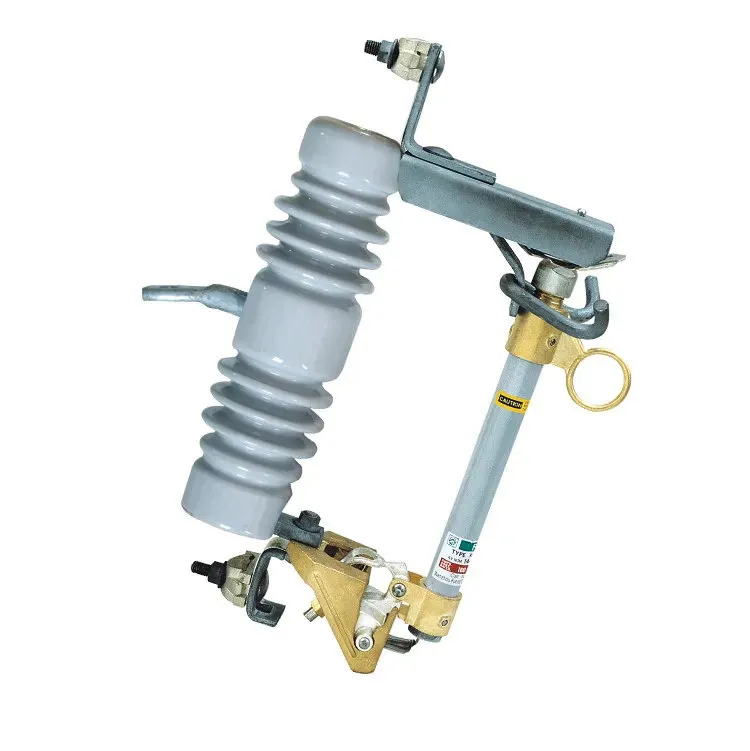
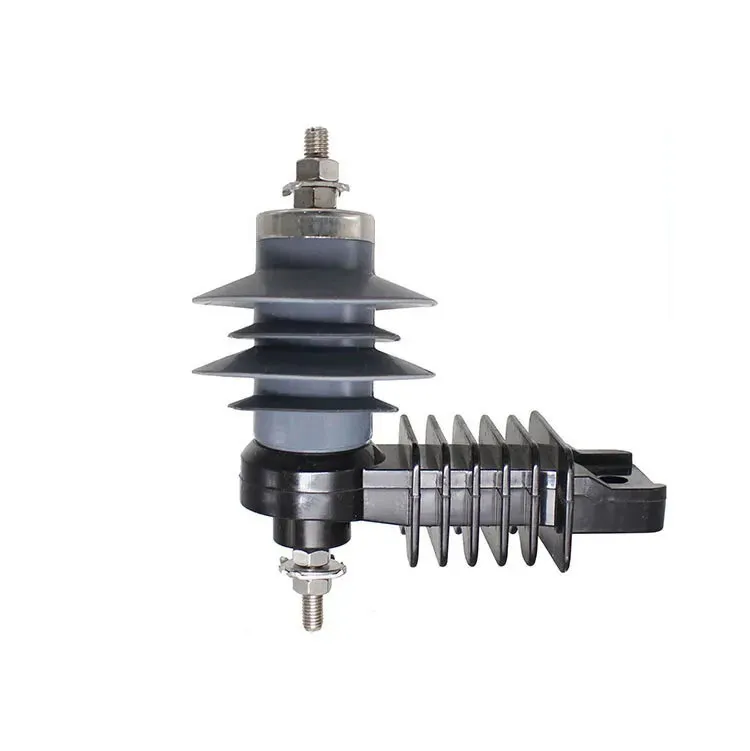
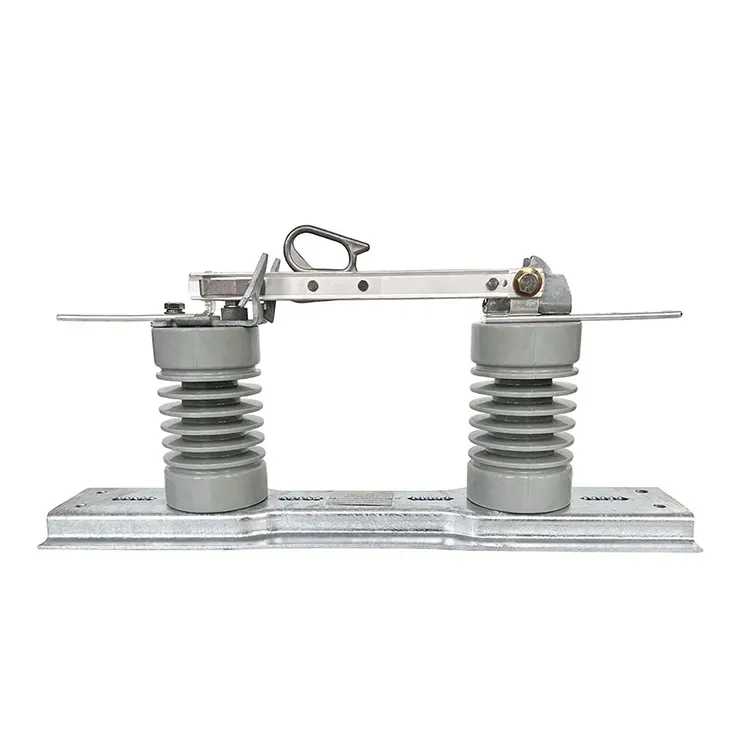
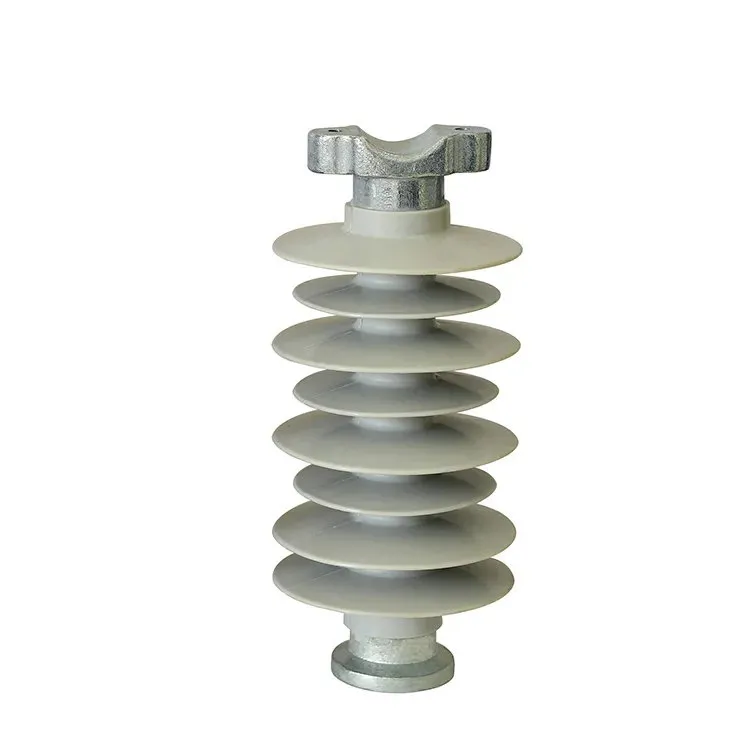
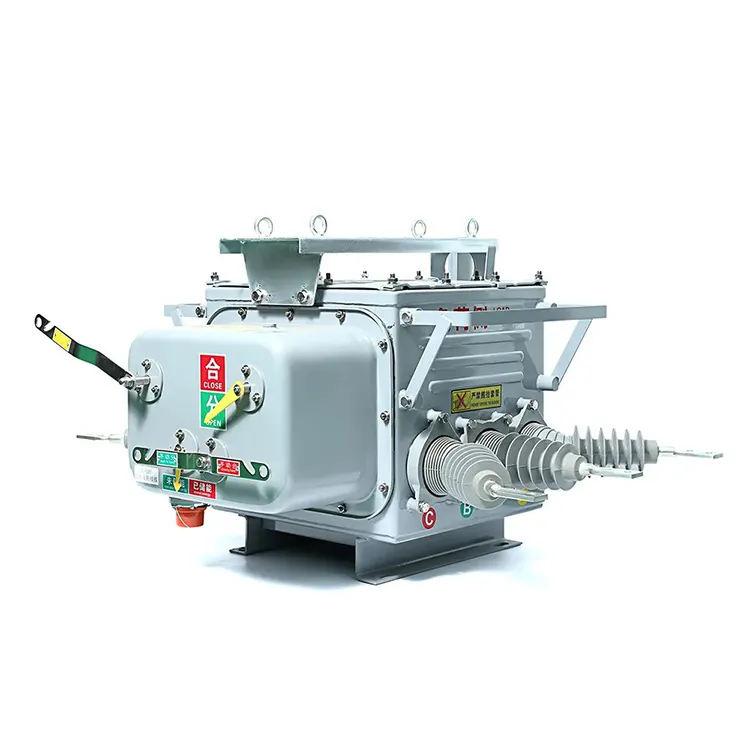
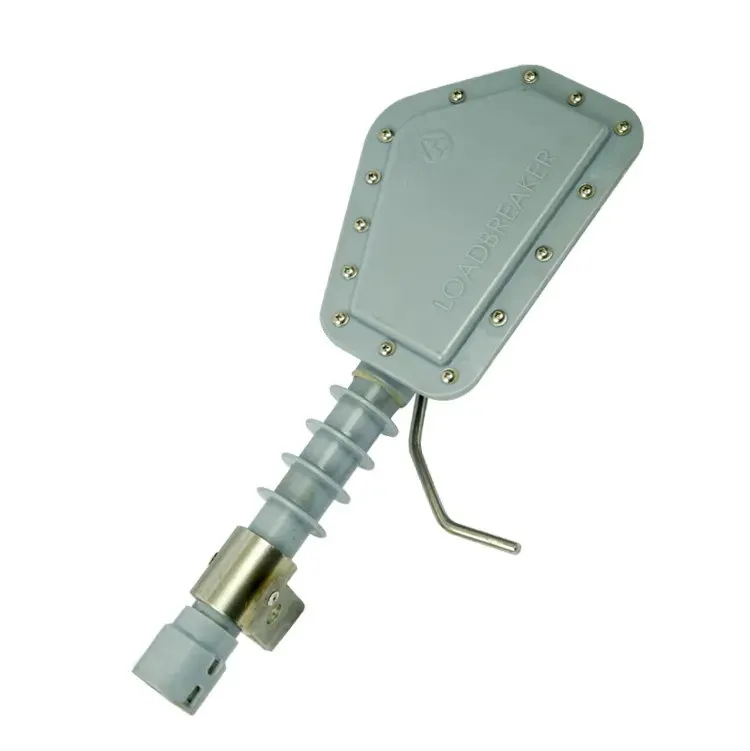


An outdoor breaker can have an intact интерферный вакуумный переключатель and still fail because moisture reaches its controls, contamination affects external insulation, or the trip supply is unavailable. “Vacuum” describes where interruption occurs, not how the entire installation withstands weather. Buyers therefore need more than a voltage and fault-current match. This guide explains how to specify the site environment, distinguish a breaker from a complete reclosing installation, and identify inspection needs that a sealed interrupter does not remove.
An outdoor вакуумный выключатель is a breaker designed for its declared outdoor service conditions, with vacuum interruption and appropriate external insulation, housing and controls. IEC 62271-100 covers indoor and outdoor AC circuit-breakers above 1 kV, but the exact model’s ratings and service limits remain decisive. Specify temperature, altitude, pollution, moisture exposure, mounting and control power. If automatic reclosing is required, also verify the controller, operating sequence and applicable recloser requirements. An indoor breaker placed in an unspecified cabinet is not automatically an outdoor solution.
Which parts remain exposed to weather?
The interrupter’s sealed interior is only one part of the insulation system. Bushings, pole surfaces, terminals, connections, operating mechanisms and secondary equipment have different exposures. Ask how each is protected and what the manufacturer permits for the proposed location. A weather-resistant main unit does not establish that a separate control cabinet or cable gland suits the same conditions.
Start with the site’s temperature range and altitude, then describe coastal salt, industrial deposits, dust, rain, icing or flooding where relevant. State the actual installation height and accessibility. Avoid specifying a generic “harsh environment” without the conditions a supplier needs to assess the design.
How should pollution and insulation be assessed?
Surface contamination and moisture can affect external insulation even though the interruption gap is sealed. Specify the pollution environment and ask the manufacturer to justify the proposed insulation arrangement for it. Do not compare creepage distance in isolation from insulation material, geometry and service conditions.
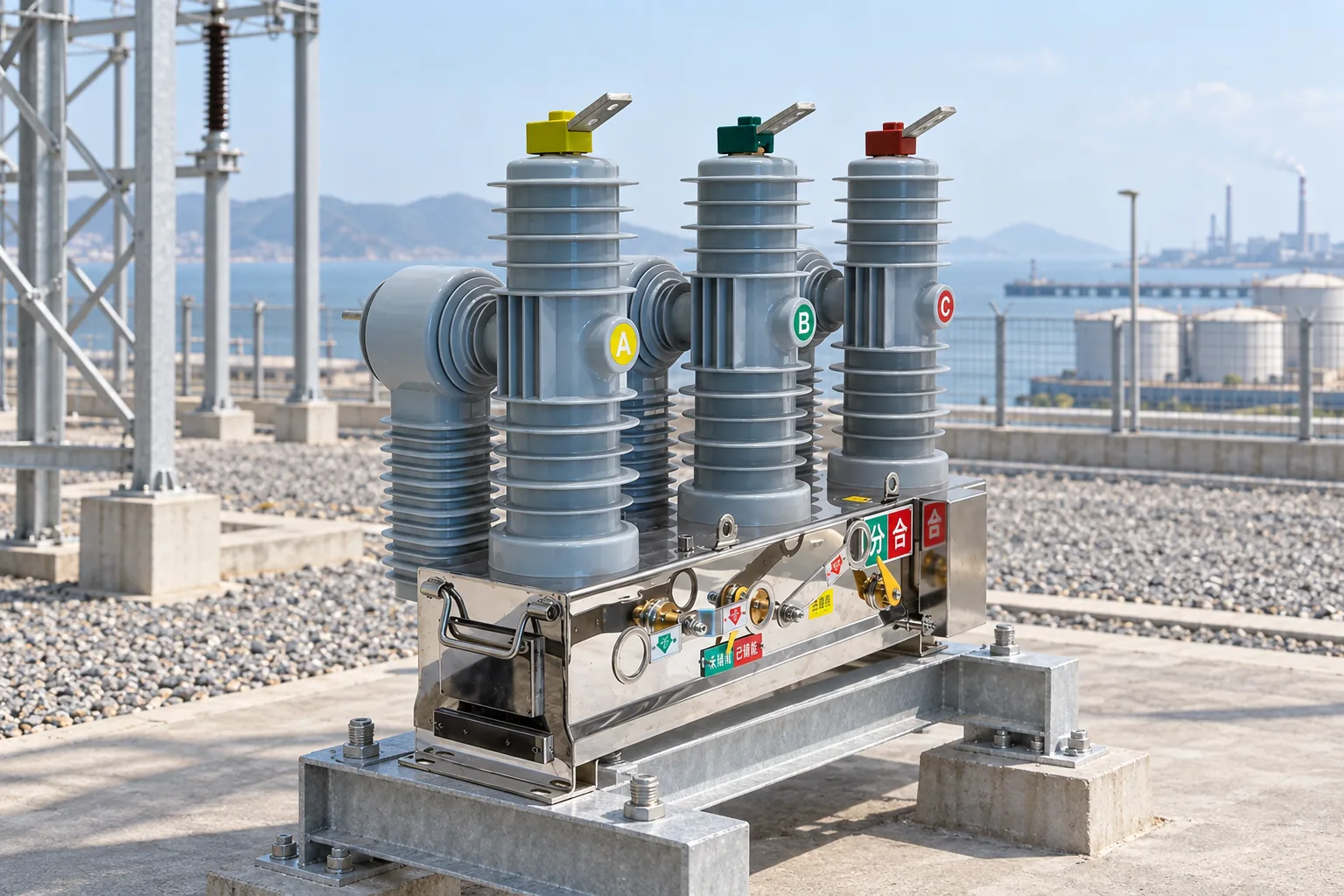
The voltage and insulation selection guide explains why equipment voltage and insulation withstand are separate checks. Include surge-protection coordination and grounding in the installation design rather than assuming the breaker alone addresses all overvoltage exposure.
| Site condition | What the buyer should establish | What a short catalog claim misses |
|---|---|---|
| Pollution and salt | Insulation selection and permitted inspection or cleaning practices | Whether the external surfaces suit the actual deposits |
| Temperature and altitude | Declared service limits and any required rating adjustments | Whether standard test conditions match the site |
| Moisture and condensation | Cabinet ventilation, seals and specified moisture control | Internal condensation despite protection against external rain |
| Loss of auxiliary supply | Available trip energy and control-power supervision | Whether the protection can operate when needed |
| Remote location | Access, lifting, spares and communications support | The time required to restore service after a component failure |
Why can condensation occur inside a closed cabinet?
Condensation can form when moist air meets surfaces below its dew point. Protection against rain is therefore different from controlling internal moisture. Check cable entries, seals, ventilation and any manufacturer-specified heaters or dehumidification. The design should also address whether moisture-control equipment has a dependable supply before the main circuit is energized.
Outdoor breaker maintenance should include inspection for water marks, corrosion, contaminated insulation and deteriorating seals. Investigate the source of moisture rather than repeatedly drying equipment without correcting the cause. Keep any cleaning, lubrication and corrective work within the equipment instructions and the site’s approved electrical work procedures.
Is every outdoor VCB also an automatic recloser?
No. Outdoor construction establishes an environmental application; automatic reclosing is a protection and control function. Eaton’s NOVA documentation, for example, describes vacuum interrupters combined with an automated microprocessor control and compatible interfaces. That complete arrangement is different from specifying a breaker body alone.
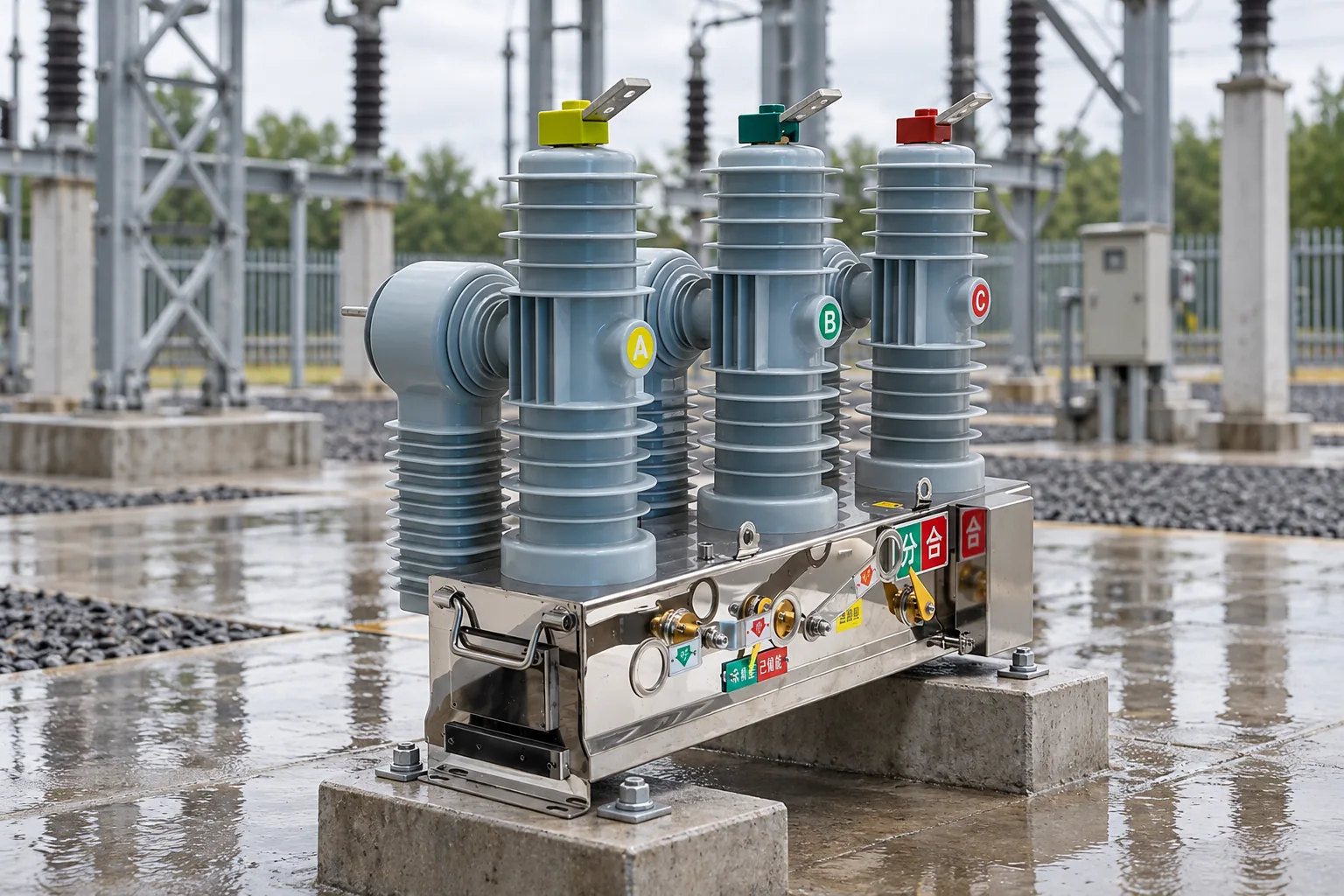
If a feeder needs reclosing, review fault detection, trip and close energy, dead times, lockout, remote commands and coordination with downstream devices. The explanation of reclosers versus circuit breakers helps define the required behavior before selecting hardware. Reclosing should follow the network protection policy, including restrictions for work and for circuits with distributed generation.
What must be proved during commissioning?
Check installation condition, connections, grounding, mechanism operation and specified electrical tests. Then prove the protection trip path and every commissioned remote function. Confirm that local controls and remote indications agree with the actual breaker state. An accepted communications message is not proof that the contacts opened.
For a remote site, include the defined response to loss of communications and auxiliary power. This is also the time to establish baseline measurements and records for later comparison. The maintenance interval guide explains why site exposure and operating history should inform inspections rather than relying on a universal calendar interval.
Часто задаваемые вопросы
Can an indoor vacuum breaker be installed outdoors?
Only within a specifically engineered and verified outdoor arrangement that addresses insulation, temperature, moisture and access. Adding an arbitrary cabinet does not establish suitability.
Does vacuum interruption make a breaker waterproof?
No. The sealed interrupter and the equipment’s environmental protection are different. Check the housing, controls, terminals and external insulation for the declared site conditions.
What is the maintenance procedure for a vacuum circuit breaker?
Follow the exact manufacturer’s procedure and the site’s isolation rules. Inspection and tests may address the mechanism, controls, insulation, joints and trip path. A generic article cannot supply model-specific test voltages, torque values or acceptance limits.
Does an IP rating prevent condensation?
No. An ingress classification addresses defined enclosure protection; condensation also depends on internal humidity and surface temperature. Moisture control needs its own assessment.
Can an outdoor VCB automatically restore power?
Only if the complete equipment and commissioned protection scheme provide that function. Reclosing capability must be specified, tested and coordinated; it should not be inferred from outdoor mounting.
Which spare parts are most important at a remote site?
Use the manufacturer’s parts list and a site-specific failure and recovery assessment. Control-power components, compatible auxiliaries and approved replacement arrangements may matter as much as the main interrupter.
Резюме
Specify the outdoor environment as carefully as the electrical duty. The sealed interrupter does not remove the need to protect external insulation, controls and mechanisms from their actual exposure. Confirm how the installation handles condensation, loss of auxiliary power and maintenance access. Where reclosing is required, select and commission the complete protection arrangement. A remote location also needs a realistic plan for reaching the equipment, testing it and obtaining compatible replacement parts. Fuerte’s outdoor VCB options can be assessed against those conditions, with final suitability based on the exact model and installation evidence. This approach gives the buyer a usable site specification rather than a list of weather-resistant marketing claims.