
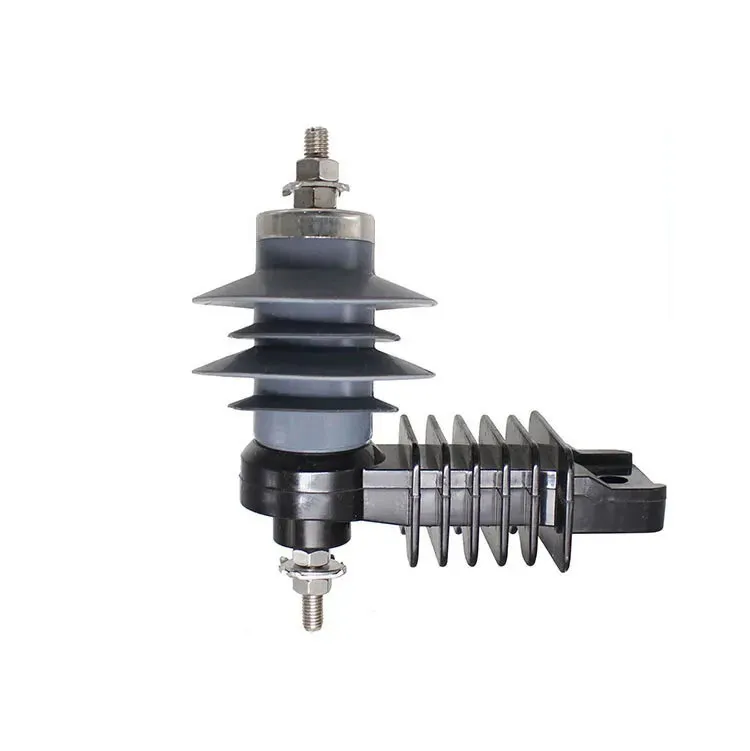
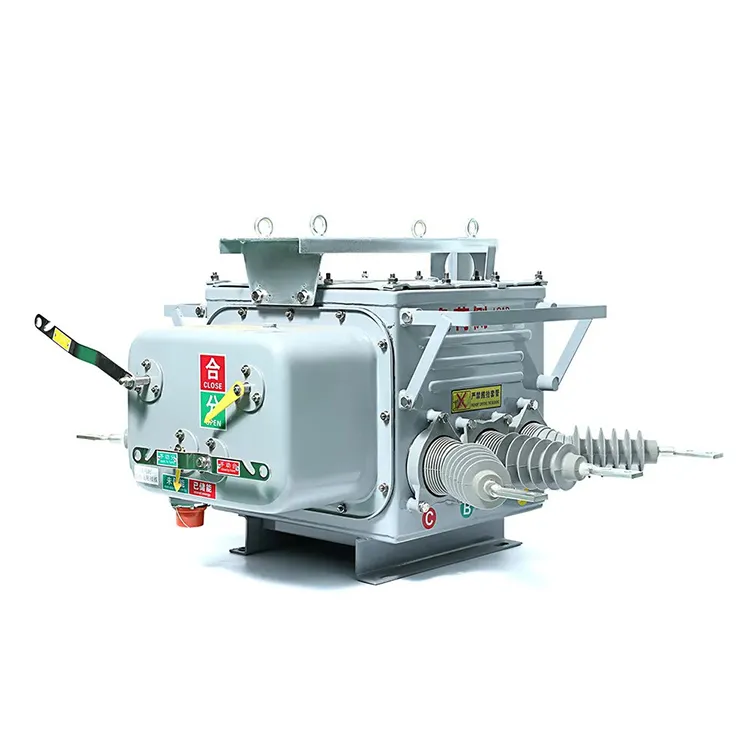
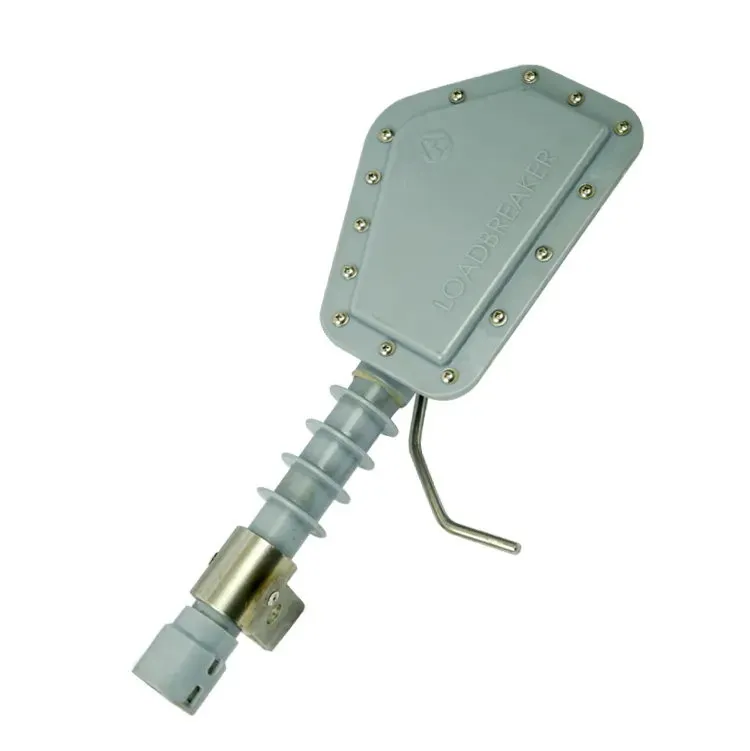


A distribution-transformer surge arrester cannot be selected from nominal system voltage alone. Its continuous rating must suit the voltage at the installation point and the network’s grounding and temporary-overvoltage conditions; its protective level must also be coordinated with the transformer insulation and the actual lead arrangement.
Specify the network conditions before choosing the arrester. Check maximum continuous operating voltage (MCOV), credible temporary overvoltage (TOV), lightning and switching duty, and the transformer’s insulation-coordination levels. IEC 60099-4 treats residual-voltage testing and TOV/thermal behavior as separate checks for gapless metal-oxide arresters on AC systems. Put these inputs in the RFQ, request traceable test evidence, and show the final lead and grounding arrangement on the approved drawing before energization.
Choose MCOV from phase-to-ground voltage and credible TOV
Nominal system voltage is only a starting label. Record the highest continuous phase-to-ground voltage at the arrester location, transformer connection, tap range, and the grounding arrangement used by the utility. A solidly grounded, impedance-grounded, and isolated system can expose the same nominal class of arrester to different phase-to-ground stress.
Then document TOV duration and magnitude for faults, load rejection, ferroresonance risk, and switching operations. Compare the manufacturer’s TOV curve and thermal recovery information with the study case; do not treat MCOV as a substitute for TOV withstand. If the system study is incomplete, pause the final rating decision and mark the missing case in the RFQ.
| Input to confirm | Why it changes selection | Documentación para solicitar |
|---|---|---|
| Maximum continuous voltage and phase-to-ground values | Sets the MCOV check at the actual installation point | Single-line diagram, tap range, and utility voltage limits |
| Grounding method and fault-clearing time | Determines temporary-overvoltage exposure and thermal recovery | Grounding study and protection clearing assumptions |
| Altitude, pollution, and ambient conditions | Affects external insulation and housing selection | Site data sheet and creepage/clearance calculation |
For background on how a distribution transformer surge protection scheme fits into a wider protection plan, keep the arrester study connected to the transformer, feeder, and grounding drawings rather than specifying the device in isolation.
Match discharge and energy duty to the surges the transformer may face
Lightning current entering through an overhead line and a switching surge generated by a vacuum breaker or recloser have different wave shapes and energy implications. Ask for the manufacturer’s rated discharge-current basis, residual-voltage values at the specified impulse currents, and the thermal-energy or line-discharge class used for the proposed design. IEC 60099-4 and IEEE C62.11 provide the test framework; the project study still decides which duty is credible at the transformer.
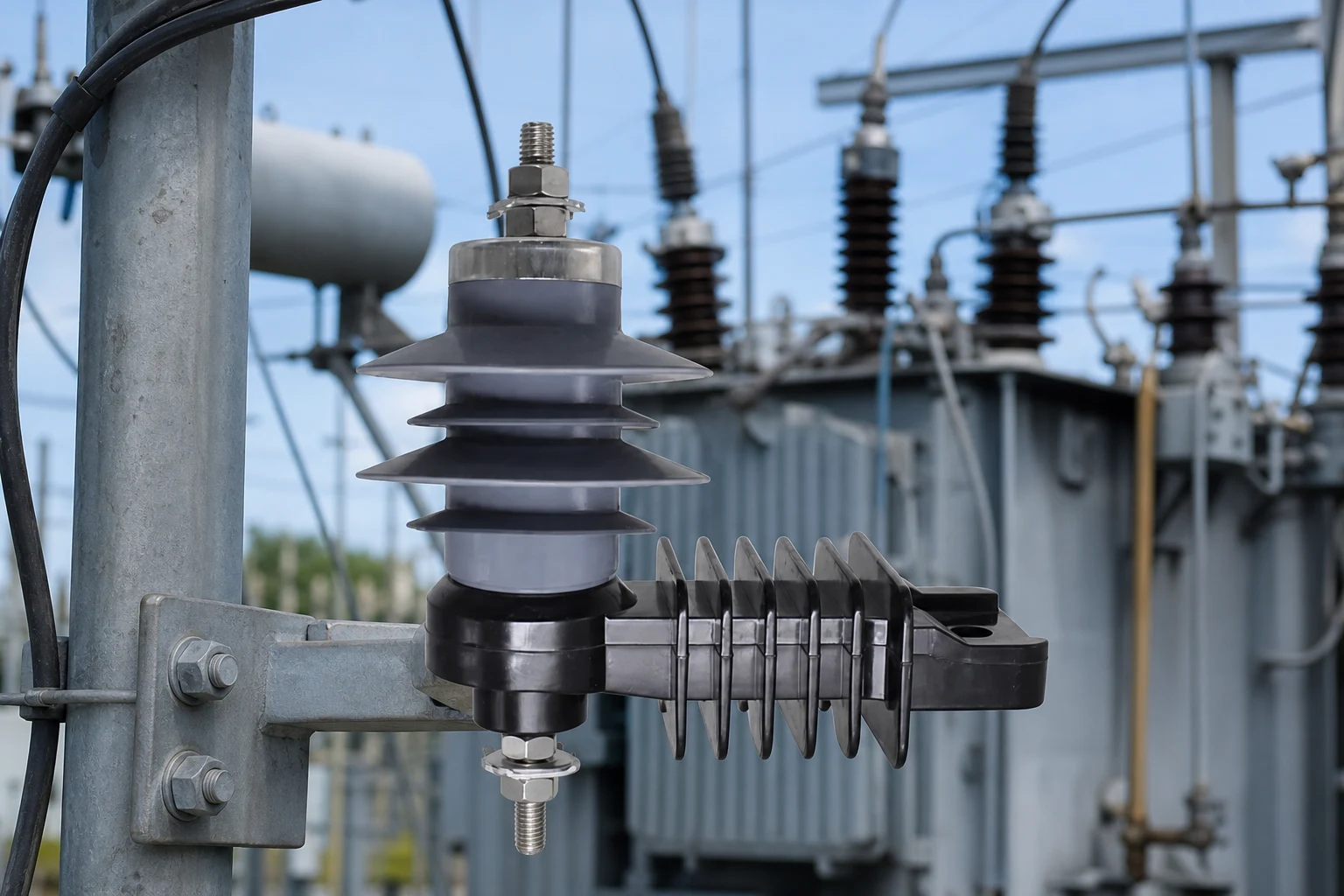
Do not infer energy capability from a kV label or from a single maximum-current number. Check the arrester’s pressure-relief or disconnector arrangement, short-circuit coordination, and the manufacturer’s application limits. A distribution-class device may be appropriate for a feeder transformer, while a substation location with repeated switching duty may require a different duty class and a documented energy calculation.
Check the insulation margin, then keep arrester leads short
The arrester protective level must sit below the withstand level assigned to the transformer bushing and winding insulation, with a documented margin for the applicable impulse. Use the insulation-coordination study and the transformer manufacturer’s basic impulse insulation level (BIL) or equivalent declared withstand; never assume one universal voltage or margin fits every network.
Install the arrester as close as practical to the protected bushing. Keep phase and earth conductors straight, avoid unnecessary loops, and show the actual conductor route on the approved drawing. The voltage developed by lead inductance rises with the rate of current change, so a short, mechanically supported path is a protection detail, not just a neatness preference. Coordinate the earth connection with the station ground grid and verify clearances under the utility’s rules.
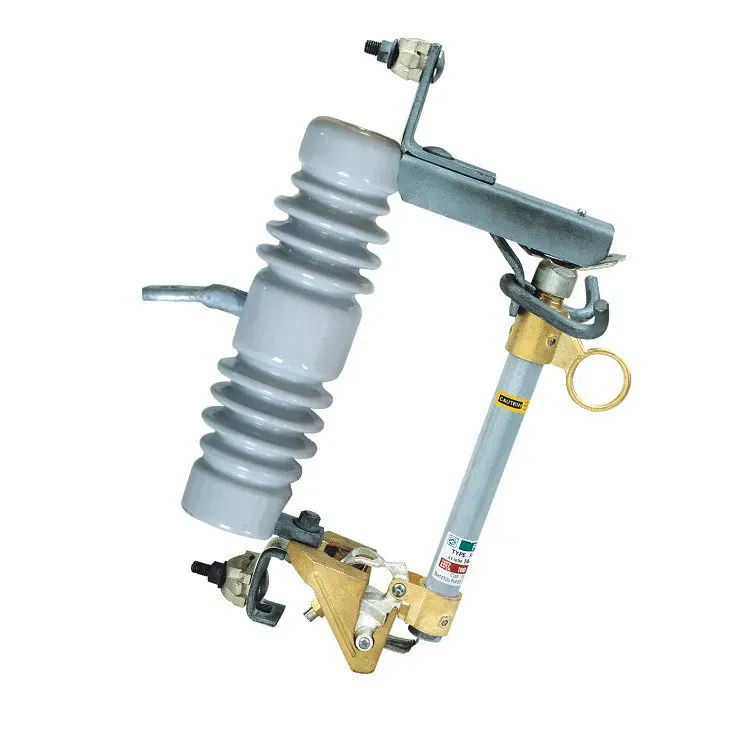
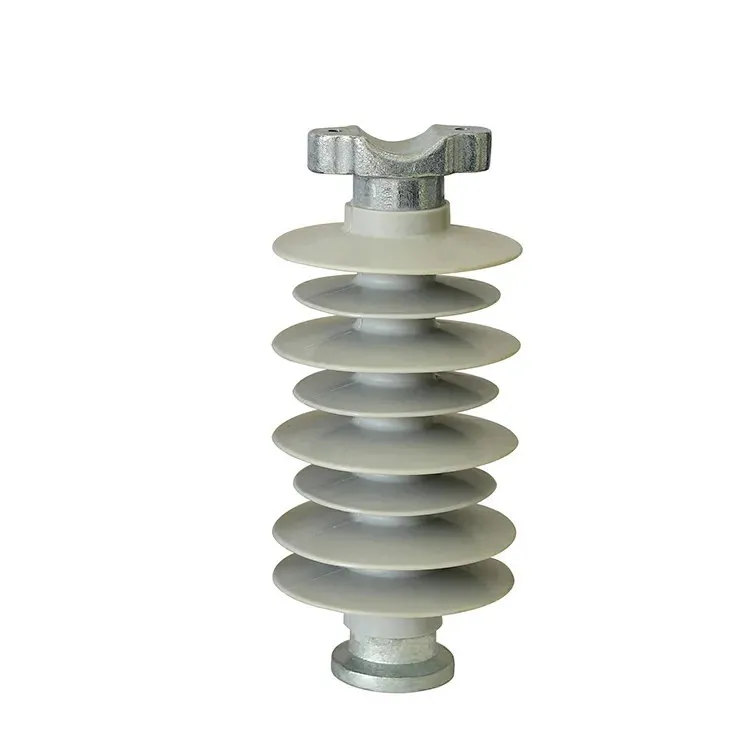
Where a fuse cutout is part of the transformer protection zone, review its operating sequence and physical separation with the arrester. A related fuse cutout ratings and selection guide can help align the two devices. For pole hardware and external insulation, use the project’s requirements rather than copying a catalog creepage value.
| Coordination check | Pass condition | Record in the project file |
|---|---|---|
| Residual voltage versus transformer withstand | Study shows a documented protective margin for the selected impulse | Insulation-coordination calculation and manufacturer curve |
| Phase and earth lead arrangement | Short, straight, supported conductors with no avoidable loops | Approved mounting drawing and as-built photo |
| Grounding and clearances | Connection and access meet utility and site safety rules | Ground-grid reference, torque record, and commissioning checklist |
The installation checklist should identify the mounting bracket, terminal hardware, torque values, clearances, and the person responsible for the final as-built inspection.
Request test data, drawings, and an inspection baseline
A procurement package should identify the arrester’s MCOV, rated voltage, discharge-current basis, housing type, terminal arrangement, TOV curve, residual-voltage data, and applicable test reports. Request serial-number traceability, drawings, installation instructions, and a clear statement of what was tested and to which edition of the standard. A certificate of conformity may support a contract, but it is not a substitute for reviewing the test scope and project coordination.
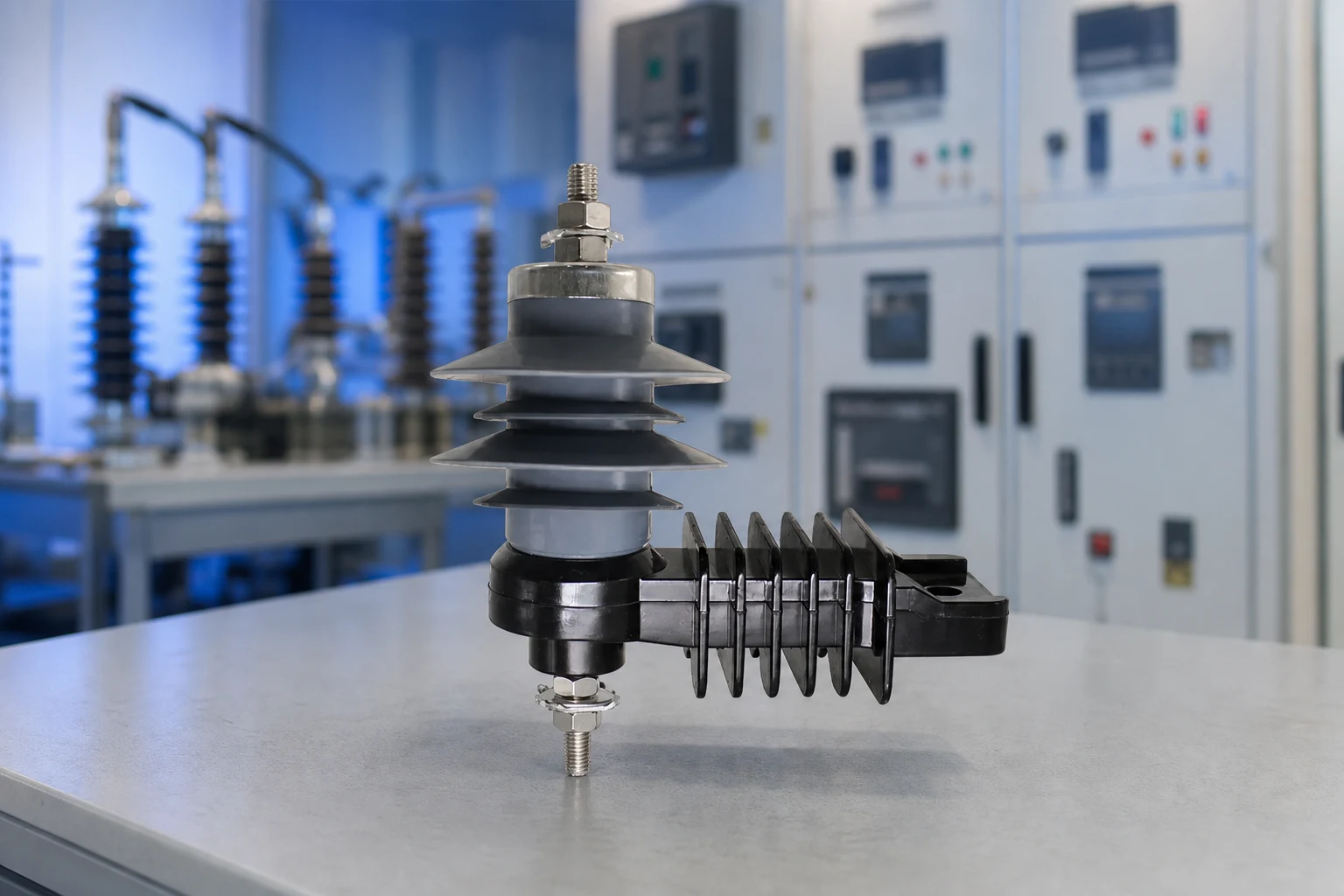
If the design calls for a leakage-current monitor, define the baseline, alarm logic, and inspection method before delivery. A monitor can trend change; it does not prove that the arrester is correctly rated or that a long lead has been corrected. Record the commissioning photograph, earth continuity check, nameplate, and the final study revision together.
- Freeze the system and grounding inputs before comparing quotations.
- Compare residual-voltage curves and TOV data against the transformer insulation study.
- Make lead routing, earthing, clearances, and hardware part of drawing approval.
- Define witness or review points for factory tests and incoming inspection.
- Keep monitoring baselines and as-built records with the asset file.
FUERTE can provide surge arrester options, drawings, and project-specific documentation for review. Treat that support as an engineering input to the RFQ; the utility, consultant, or EPC remains responsible for final application approval.
IEC 60099-4 defines arrester tests, not site approval
IEC 60099-4 covers metal-oxide surge arresters without gaps for AC systems and defines relevant terms, ratings, test methods, and type/routine test expectations. Its scope helps buyers compare declared performance, including residual voltage and operating-duty behavior, but the standard does not select MCOV for a particular network, approve a site grounding design, or certify every marketing statement. Use the official IEC search for IEC 60099-4 to verify the edition and scope used in the contract.
For North American projects, IEEE C62.11 is a parallel reference for metal-oxide surge arresters. Confirm the destination market, utility specification, and contract edition before listing a standard. Unsupported claims about universal protection, certification, service life, ranking, or price can create avoidable acceptance and liability issues; state the tested scope and the site assumptions instead.
Preguntas frecuentes
How do I choose MCOV for a distribution transformer?
Start with the highest continuous phase-to-ground voltage at the arrester location, then check grounding, tap range, and credible TOV cases. Confirm the proposed MCOV against the manufacturer’s TOV curve and the utility’s study; nominal system voltage alone is not enough.
Do lightning and switching surges require different checks?
Yes. Lightning and switching events have different wave shapes and energy implications, so review discharge-current data, residual-voltage curves, and the applicable energy-duty calculation. IEC 60099-4 and IEEE C62.11 provide test frameworks, while the project study identifies the credible duty.
How close should an arrester be to the transformer bushing?
Place it as close as practical and keep phase and earth leads short, straight, and supported. The approved drawing should show the actual route, clearances, grounding connection, and hardware so the installed arrangement matches the coordination study.
What documents should accompany an arrester quotation?
Request the datasheet, MCOV and TOV data, residual-voltage curves, rated discharge-current basis, drawings, applicable IEC or IEEE test reports, installation instructions, and serial-number traceability. Add the project single-line diagram and transformer insulation data so the supplier can state assumptions clearly.
Can leakage-current monitoring replace periodic inspection?
No. Monitoring can show a trend when a baseline and alarm method are defined, but it does not verify MCOV, lead routing, grounding, housing condition, or external contamination. Combine readings with visual inspection and the site’s maintenance procedure.
Conclusion
Select a distribution-transformer arrester against the system study, the product evidence, and the installed geometry. Confirm MCOV from the actual grounding and TOV cases; assess lightning, switching, and energy duty; compare residual voltage with the transformer insulation level; and control the lead and earth paths on the approved drawing. Keep test reports, serial numbers, commissioning photos, and monitoring baselines together so future maintenance teams can understand the original decision. Specify the network and installation first, then choose an arrester whose documented performance suits those conditions. For a project review, send the single-line diagram and application data to FUERTE engineering support and review the metal-oxide surge arrester range against the utility’s requirements.