
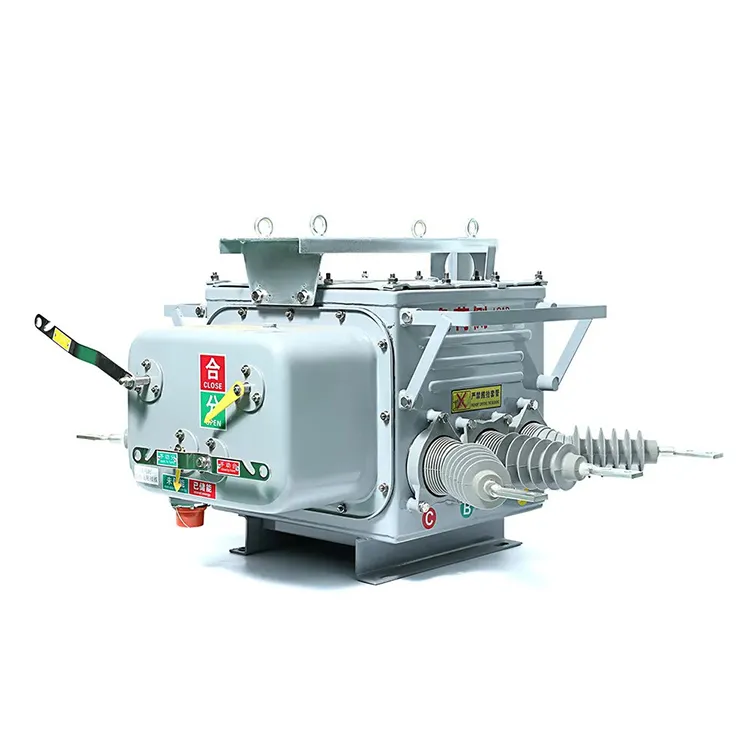
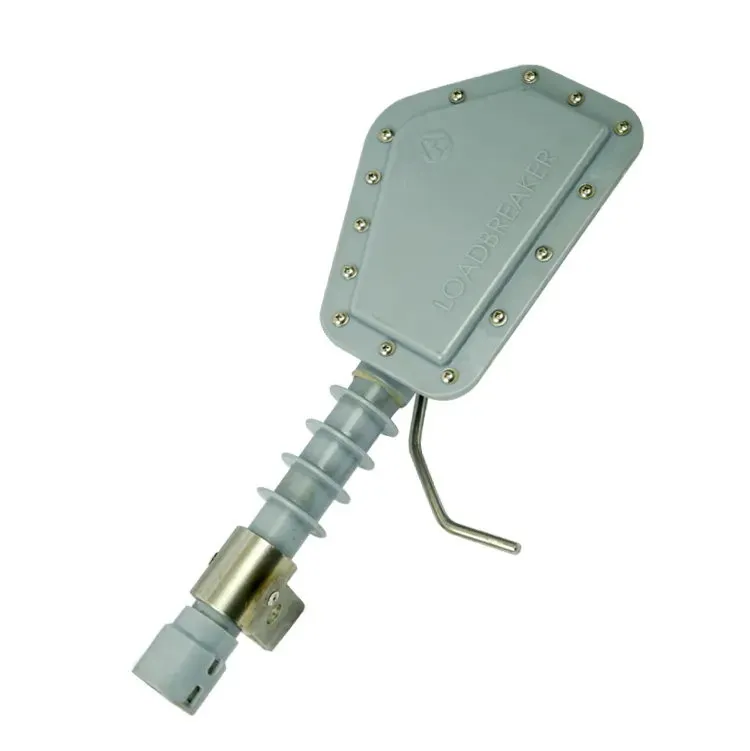


When a utility protection engineer in Pune encountered repeated feeder trips after monsoon switching, the first proposal was simply to replace the breaker. Instead, the engineer compared the fault study, cabinet conditions, and control drawings and found that the problem was a specification gap—not evidence that every installed device was defective. That reversal is useful: an outdoor breaker purchase begins with assigned network and service duty, not a catalogue heading.
Resumen: A 33 kV outdoor breaker specification should connect the single-line diagram, fault duty, insulation coordination, operating sequence, local environment, and protection interface. IEC 62271-100 covers AC circuit-breakers, while IEC 62271-1 supplies common switchgear requirements; IEC 60060-1 concerns high-voltage test techniques. Put those references into a project data sheet, identify the offered configuration, and accept evidence against the stated service conditions rather than a generic declaration.
A 33kv vacuum circuit breaker uses vacuum interrupters, but that description does not establish whether a complete outdoor assembly will perform on a particular feeder. Two 33 kV circuits can have different earthing arrangements, source contribution, reclosing expectations, line or cable characteristics, and weather exposure. The procurement question is therefore whether the offered assembly can carry out its assigned duty for the proposed installation—not whether its nominal voltage looks familiar.
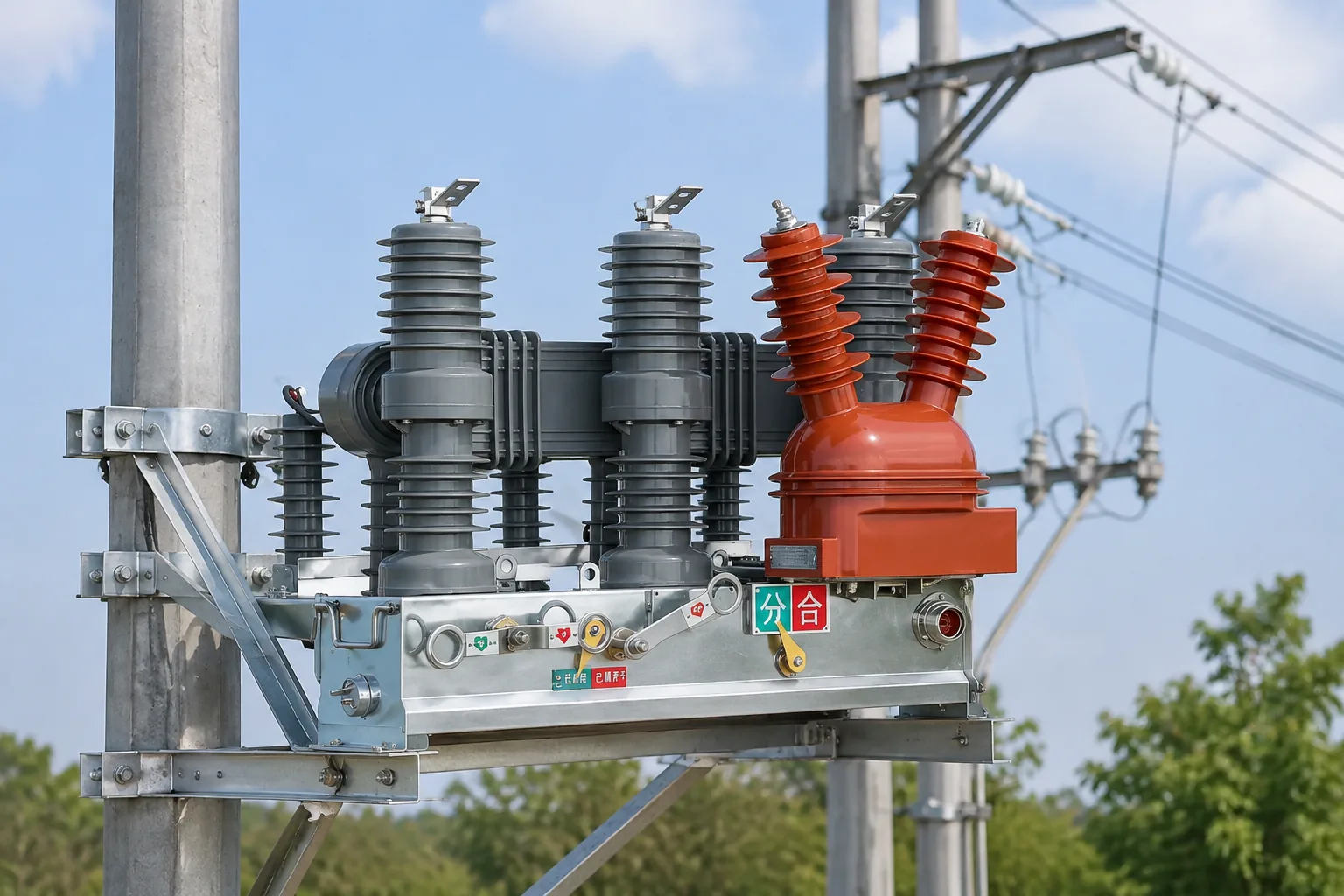
Turn the network study into a breaker duty statement
Start with the latest controlled documents: nominal and highest system voltage, earthing method, prospective fault current, source contribution, feeder type, normal and contingency load, and required open-close sequence. The buyer should also state transformer, cable, overhead-line, capacitor, or reactor switching where relevant. IEC 62271-100 is the principal IEC reference for AC circuit-breaker ratings and test duties; it helps structure the request, but it does not replace the project engineer’s duty assessment.
The continuous-current requirement should be coordinated with terminals, conductors, enclosure, ambient temperature, and solar loading. Breaking and making capability should follow the issued fault study and the supplier’s declared rating definitions. For a 33 kv outdoor vacuum circuit breaker, ask for the applicable edition, rating basis, operating sequence, and every limitation that changes with the ordered mechanism, terminals, or auxiliaries. The related breaking-capacity specification guide can help a sourcing team turn a short rating request into a checkable duty schedule. For a related technical topic, see ¿Qué significa la clasificación de un disyuntor de vacío de 36 kV para su proyecto?.
| Specification item | What the buyer should define | Why it changes selection |
|---|---|---|
| System and duty | Voltage, fault-study revision, earthing, operating duty | Sets the ratings and switching duties to be demonstrated. |
| Load and feeder | Load profile, inrush, cable or line, connected equipment | Identifies switching and control needs beyond normal current. |
| Protection interface | Relay functions, CT/VT interfaces, trip paths, reclosing, interlocks | Prevents a sound interrupter from becoming an integration risk. |
| Local service | Altitude, pollution, moisture, temperature, corrosion, access | Drives insulation, enclosure, mounting, and maintenance decisions. |
Build an environmental duty dossier before selecting construction
“Outdoor” is not a complete environmental requirement. Create a local service dossier that records installation altitude; minimum and maximum temperature; rainfall, humidity, and condensation exposure; salt, industrial, or agricultural contamination; ultraviolet exposure; wind, ice, seismic demand, and corrosion mechanisms. Record the source and period for each condition, identify what is confirmed versus assumed, and attach the mounting location and electrical layout. This avoids treating a regional climate label as proof of the conditions at the actual installation.
Then connect that dossier to insulation coordination. State the required power-frequency and impulse withstand values, phase-to-earth and phase-to-phase clearances, creepage approach or project criterion, and any altitude correction or contamination-related requirement set by the design authority. IEC 62271-1 provides common requirements that inform these discussions; IEC 60060-1 describes general high-voltage test techniques. Neither document independently fixes an adequate creepage distance or clearance for every locality and installation arrangement.
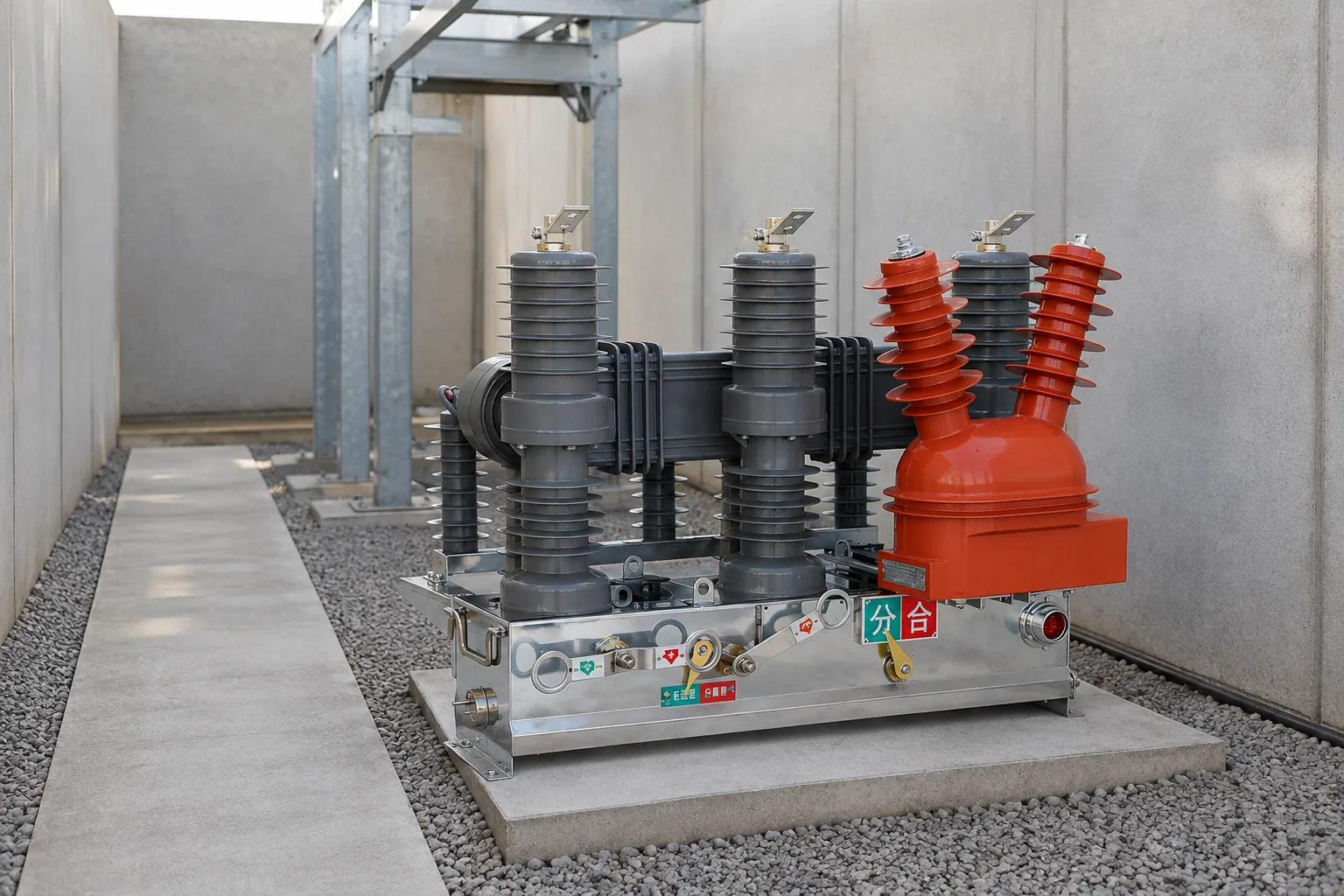
For the outdoor vcb enclosure and auxiliary cabinet, specify the required ingress-protection designation where it applies, cable-entry method, drainage, corrosion-protection system, condensation-control approach, and exposure of controls and terminals. Require the manufacturer to state what its offered configuration provides and list exclusions or options. A request for a general standard reference is not the same as project acceptance: acceptance should compare submitted drawings, configuration-specific evidence, and agreed inspections or tests with the local dossier and contract requirements.
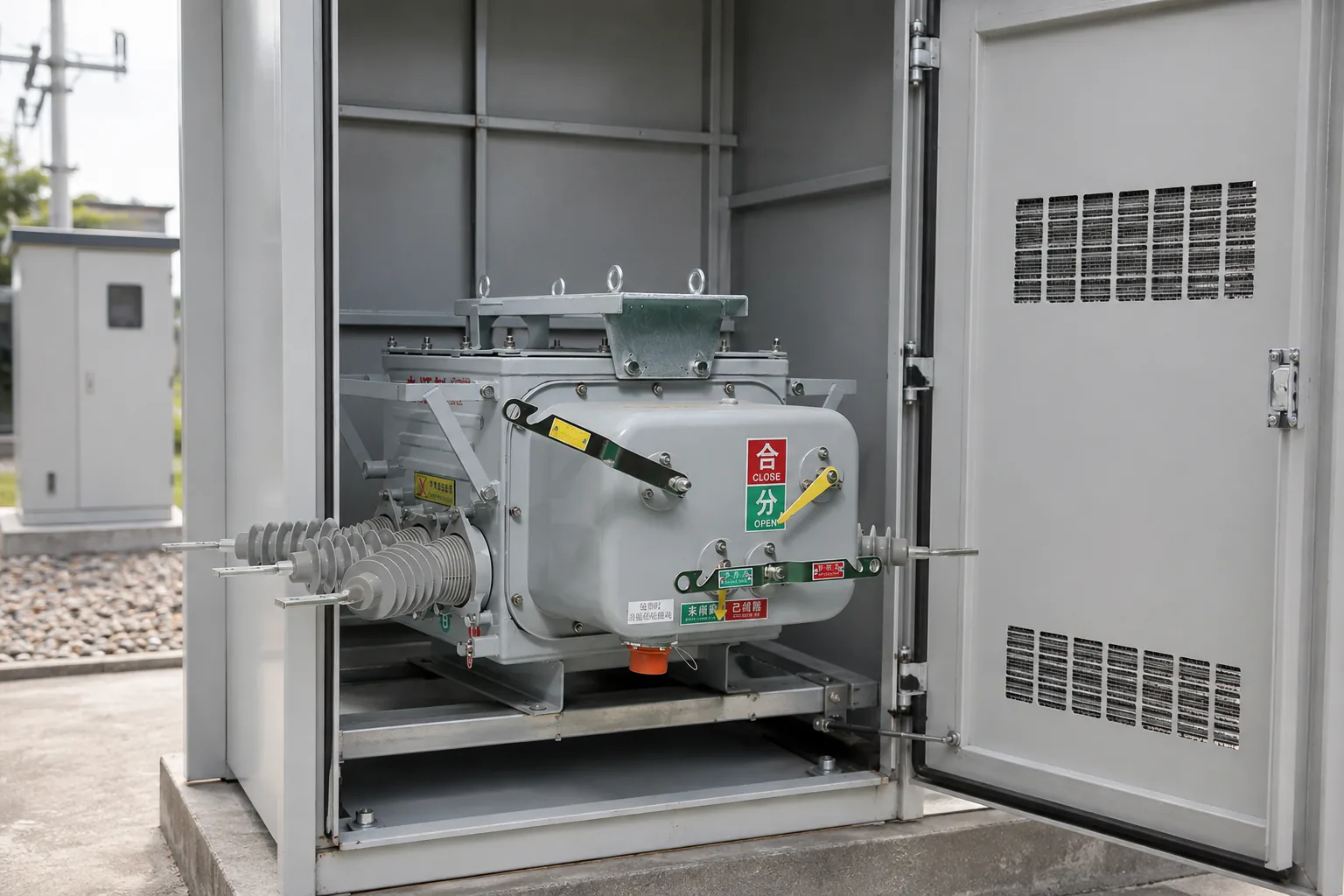
Access deserves equal attention. Define foundation or pole interface, termination geometry, safe isolation and manual-operation space, lifting route, inspection position, approach clearances, and whether temporary access equipment is needed. A 33 kv vacuum circuit breaker may be electrically suitable yet still be expensive to maintain if a cabinet door, cable bend, or operating handle cannot be safely reached. Review the actual civil and electrical drawings together; never infer maintainability from a product photograph.
Specify controls, protection interfaces, and lifecycle evidence
State the control supply, trip and close circuits, local/remote commands, anti-pumping, position indication, interlocks, auxiliary contacts, alarms, communications interface, and SCADA boundary. Where remote operation is intended, allocate responsibilities between the breaker supplier, relay vendor, panel builder, and system integrator. Commissioning checks should trace each trip path and declared interlock through the final configuration, because a correct mechanical breaker can still be misapplied through incomplete wiring or unclear ownership.
Ask for a maintenance model rather than an unsupported promise of low maintenance. It should identify inspection points, operating or interruption triggers, safe isolation procedure, manual operation, diagnostic access, spares, drawings, and training. Compare outage windows, travel, access equipment, spares lead time, and recordkeeping using the buyer’s own assumptions. Any saving calculation is illustrative until the site’s labour, outage, and logistics inputs are agreed.
| Procurement approach | Near-term effect | Lifecycle exposure | Documentación para solicitar |
|---|---|---|---|
| Catalogue-led comparison | Fast quotation review | Can leave duty or local-service gaps unresolved | Product data sheet |
| Duty-led specification | More engineering before award | Supports coordinated design and acceptance | Duty schedule, drawings, test records |
| Lifecycle-led evaluation | Includes access and service planning | Provides a transparent total-cost basis | Maintenance plan, spares, document scope |
Use standards as evidence, not a shortcut to acceptance
IEC 62271-100 addresses AC circuit-breaker ratings, construction, and type-test concepts. IEC 62271-1 establishes common technical provisions for high-voltage switchgear and controlgear. IEC 60060-1 sets general definitions and requirements for high-voltage test techniques. In an RFQ, name the required edition and any applicable national, utility, or purchaser supplement, then distinguish type-test evidence, routine tests, factory acceptance activities, and site acceptance checks.
Do not equate a standard citation with a product certificate or a site-specific approval. The purchaser should agree which documents demonstrate the offered assembly, which deviations need disposition, and which inspection or witness points form the acceptance plan. This is particularly important where the environmental dossier calls for a non-default enclosure, insulation arrangement, corrosion treatment, mounting, or control cabinet option. Unsupported compliance language can delay approval or move corrective work into commissioning.
Issue a decision-ready request for quotation
Attach the single-line diagram, protection narrative, fault-study assumptions, environmental duty dossier, mounting drawings, delivery boundary, and required document register. Require a line-by-line compliance and deviation schedule. Score technical conformance independently from commercial terms so a low quotation does not conceal excluded terminals, controls, environmental options, testing, or support.
Fuerte can be included in a competitive technical review of vacuum circuit breaker configurations and documentation. Ask each bidder to map its proposal to the same duty schedule and to identify the configuration it is actually offering. That discipline makes a 33 kv outdoor vcb comparison meaningful across different enclosures, operating mechanisms, and service conditions.
Preguntas frecuentes
How is a 33 kV outdoor vacuum circuit breaker protected against weather?
Protection combines the offered outdoor construction with project-defined conditions for pollution, temperature, moisture, condensation, corrosion, wind, ice, ultraviolet exposure, and mounting. Verify cabinet sealing, drainage, cable entries, condensation measures, and insulation clearances for the actual location; a general outdoor designation alone is not an acceptance record.
What current rating is common for a 33 kV outdoor VCB?
There is no universal current rating for a 33 kv outdoor vcb. Select it from calculated normal and contingency load, terminal and conductor limits, ambient conditions, and assigned duty; ask the supplier to state the rating basis and every applicable derating condition.
Can a 33 kV outdoor VCB be pole-mounted?
It can be considered where the offered construction, support structure, clearances, access, control cabinet, terminations, and local rules are compatible. Review structural design and electrical layout together, because an appropriate interrupter alone does not establish a safe pole-mounted installation.
What tests are required for a 33 kV outdoor VCB?
The test plan follows the contract, assigned duty, and applicable standards. It should distinguish relevant type-test evidence, routine tests, and agreed acceptance activities; IEC 62271-100 and IEC 62271-1 frame many breaker requirements, while IEC 60060-1 concerns test techniques. Examine the scope and relation to the offered configuration rather than accepting a general assertion.
How often should a 33 kV outdoor VCB be inspected?
Use the manufacturer’s documented instructions together with operating count, fault interruptions, contamination, weather severity, and utility policy. A condition-based review can be more useful than a fixed interval when local service is demanding; retain inspection records so the maintenance plan can be adjusted with evidence.
How does a 33 kV outdoor vacuum circuit breaker support feeder protection?
It provides the switching element that responds to protection commands, isolates a faulted section, and supports restoration when coordinated with relays, CTs, VTs, controls, and operating philosophy. Confirm trip paths, interlocks, auxiliary contacts, reclosing logic, and communications during design and commissioning; a 33 kv vcb breaker is a system component, not an isolated purchase.
Referencias
- IEC 62271-100: High-voltage switchgear and controlgear—Part 100: AC circuit-breakers
- IEC 62271-1: High-voltage switchgear and controlgear—Part 1: Common specifications
- IEC 60060-1: High-voltage test techniques—Part 1: General definitions and test requirements
Specify the duty before comparing the device: clear requirements are durable risk control. When your team is ready to turn drawings and protection assumptions into an RFQ, review Fuerte’s vacuum circuit breaker options and request a configuration and documentation discussion.