
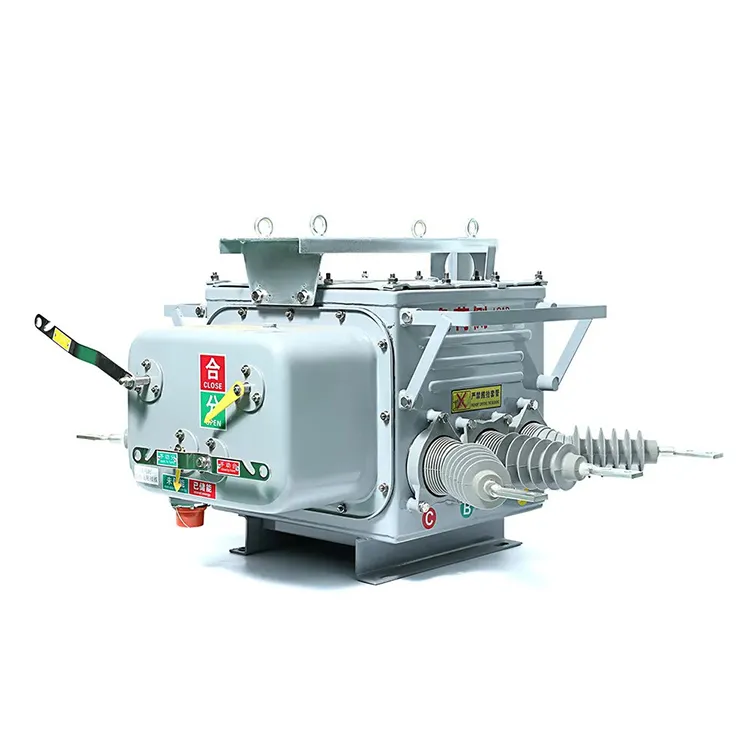
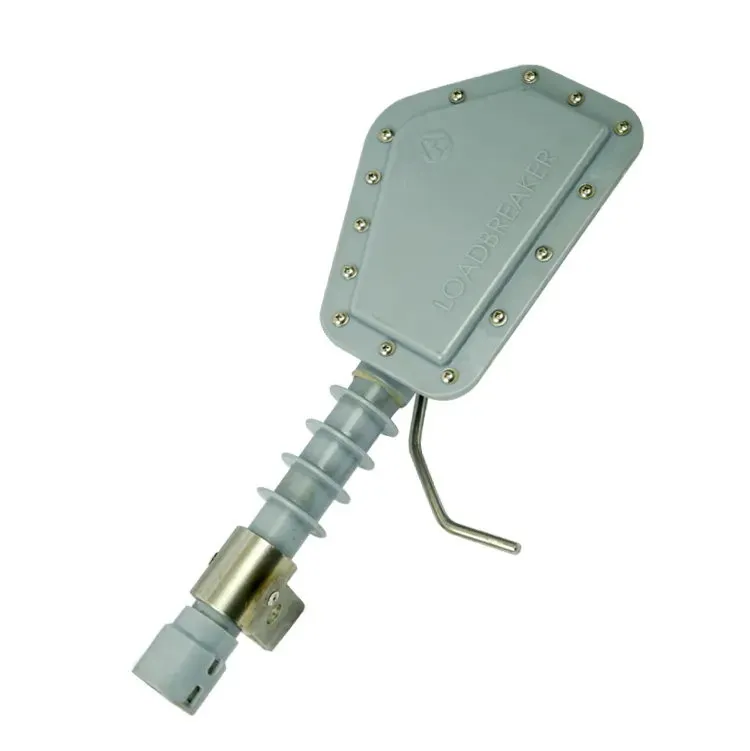


When a protection engineer in Mumbai encountered repeated low-gas alarms after a switchgear extension, he isolated the bay and arranged a gas top-up; the alarm returned within hours. It looked like a defective breaker. The review instead exposed a selection problem: the copied SF6 specification never defined leak response, gas recovery, local service, or an alternative interruption technology.
Resumen: Neither technology wins every duty. IEC 62271-100 covers AC circuit breakers above 1 kV, but selection still depends on voltage class, fault duty, switching application, installation, service resources, and destination-market rules. Vacuum interruption removes the SF6 gas-management burden from the breaker itself; SF6 remains relevant where a validated high-voltage or compact gas-insulated design requires it. For EU projects, staged restrictions on fluorinated gases in certain new switchgear begin on 1 January 2026. Compare the complete assembly, type-test evidence, and lifecycle plan—not the interrupter label alone—before specifying a vacuum circuit breaker.
How SF6 and vacuum interruption differ
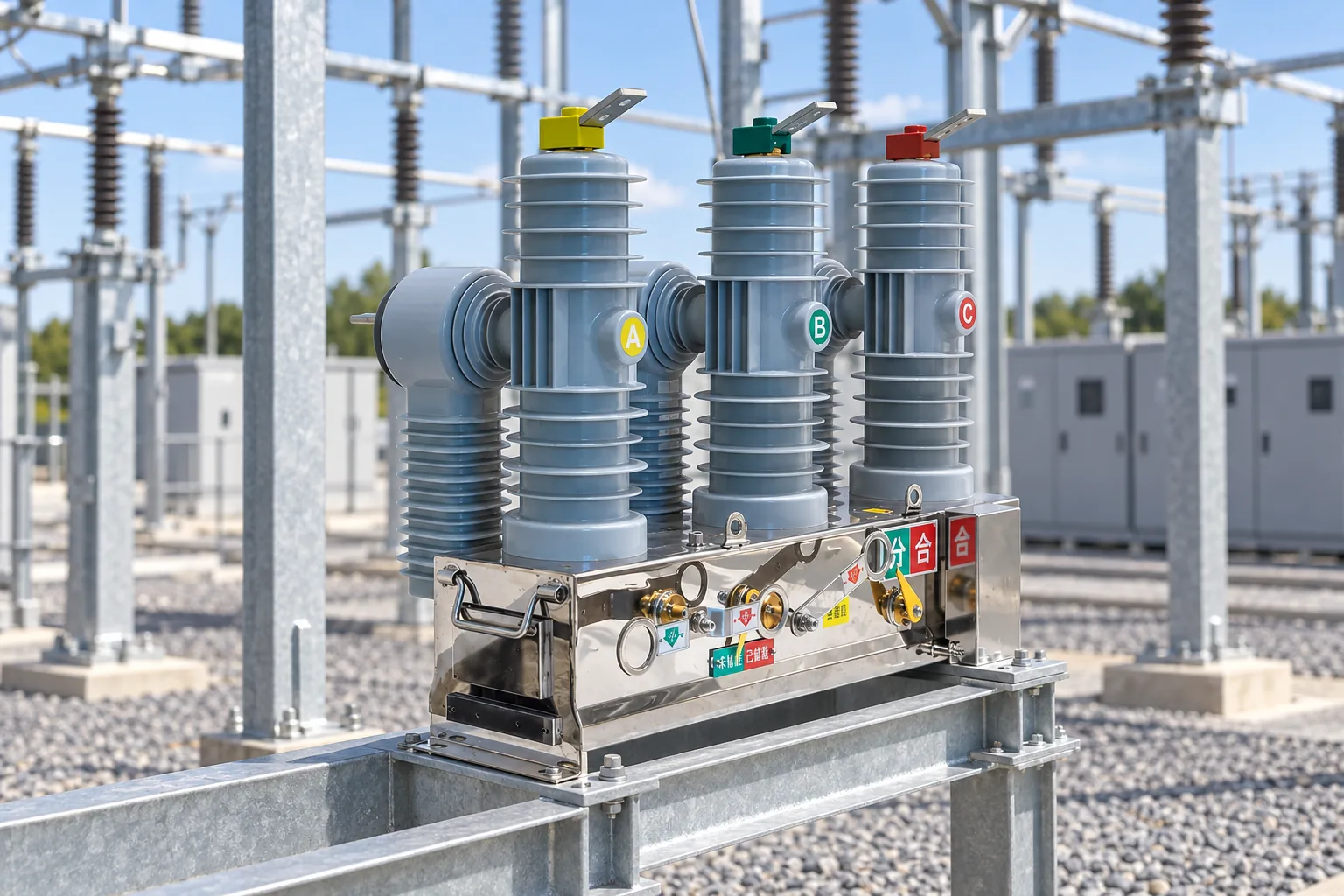
An SF6 circuit breaker opens its contacts in sulfur hexafluoride. The gas cools and deionizes the arc path so dielectric strength recovers after current zero. It may also insulate a wider gas compartment.
A VCB contains its contacts in a sealed vacuum interrupter. The arc is sustained briefly by metal vapor and extinguishes at current zero; the vapor condenses and the gap recovers dielectric strength. “Vacuum” describes the interrupter, not all surrounding insulation. A VCB may sit in air-, solid-, or gas-insulated switchgear, and the last option can still create fluorinated-gas obligations.
This prevents a common RFQ error. An SF6 vacuum circuit breaker may mean a vacuum interrupter inside gas-insulated switchgear, not a hybrid chamber. Ask separately what interrupts current, what insulates the assembly, how much gas is present, and what requires end-of-life recovery.
| Factor de decisión | SF6 circuit breaker | Vacuum circuit breaker |
|---|---|---|
| Arc interruption | Gas cools and deionizes the arc | Arc extinguishes in a sealed vacuum interrupter |
| Typical selection context | Established high-voltage and compact gas-insulated designs; verify the exact rated duty | Common medium-voltage applications and an expanding range of higher-voltage designs; verify the exact rated duty |
| Routine attention | Mechanism plus density, leakage, gas quality, handling, and recovery controls | Mechanism, contact-wear indication, insulation condition, and vacuum-integrity evidence |
| Environmental boundary | Manufacture, filling, operational leakage, servicing losses, and end-of-life recovery | Materials, manufacturing, operating losses, and disposal; also include any gas used elsewhere in the switchgear |
| Tendencia del costo unitario | Project-specific; gas systems and service infrastructure can add lifecycle cost | Project-specific; retrofit engineering or panel replacement can dominate cost |
| Primary risk in comparison | Ignoring leakage and regulatory exposure | Assuming every existing cubicle accepts a VCB without requalification |
How do SF6 and vacuum breakers compare over their full lifecycle?
The useful SF6 vs vacuum circuit breaker comparison starts with the nameplate duty. Rated voltage alone is insufficient; engineers must align rated short-circuit breaking current, making current, short-time withstand, transient recovery voltage, operating sequence, capacitive or inductive switching duty, mechanical endurance, and the intended enclosure. IEC 62271-100 defines applicable test duties for AC circuit breakers above 1 kV, but it does not make two products interchangeable.
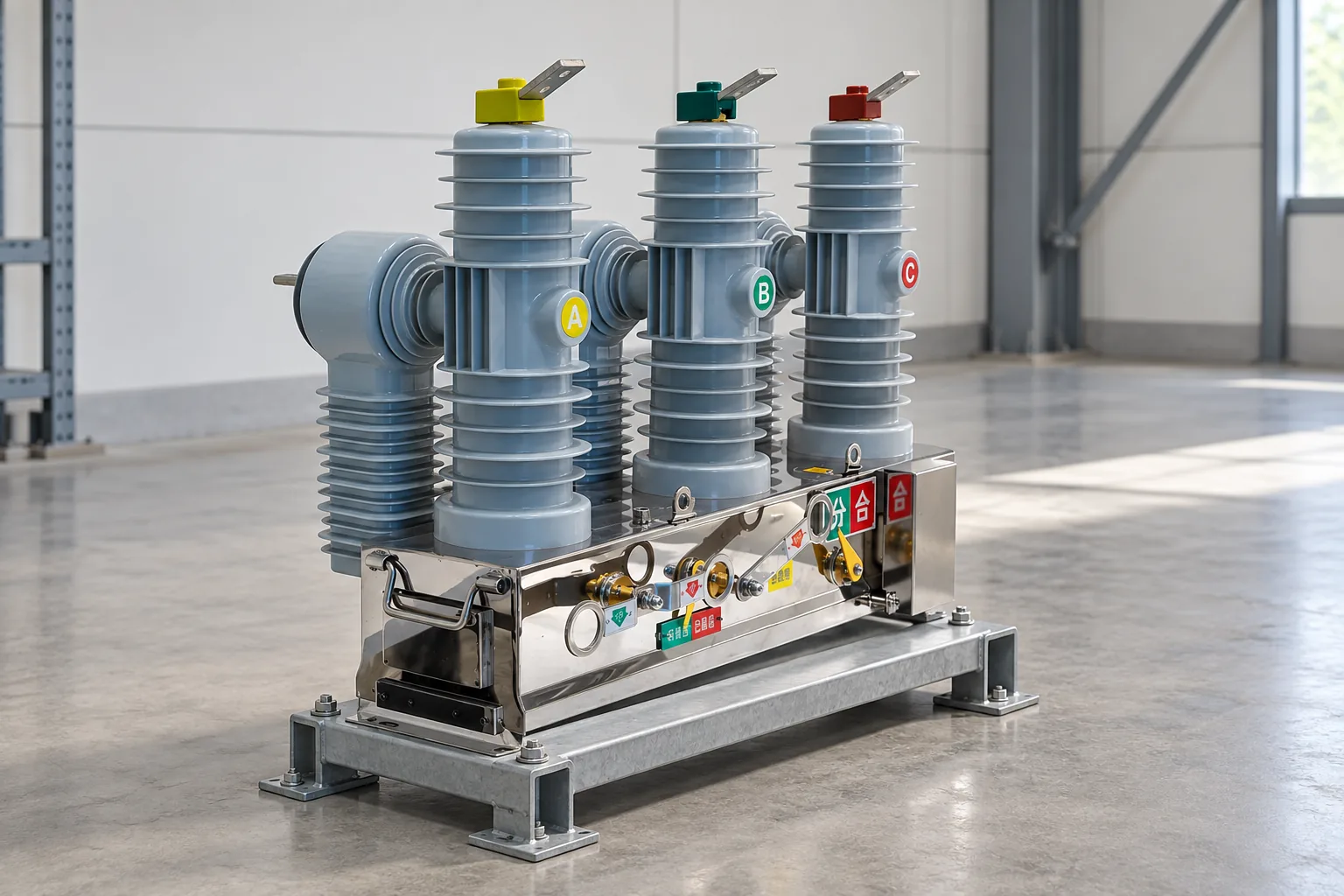
Safety also needs boundaries. An SF6 installation controls gas density, leakage, recovery, ventilation, and decomposition by-products after internal arcing. A VCB avoids SF6 in its interrupter but still carries high voltage, stored energy, insulation-failure risk, and assembly-level arc-flash exposure. Isolation, earthing, interlocking, and approved service instructions remain essential for both.
Neither breaker is maintenance-free. Vacuum designs remove gas sampling, topping-up, and recovery from interrupter maintenance, while SF6 equipment needs a gas inventory and competent handling through decommissioning. Assess vacuum integrity only with the manufacturer-approved method and limits.
Total cost exceeds purchase price. An illustrative 25-year comparison can add equipment, panel adaptation, installation, inspections, mechanism parts, gas-leak response, recovery services, outage hours, training, and end-of-life treatment. Use the same discount rate, operating cycles, failure assumptions, and residual value for both bids; include longer outages or new protection interfaces.
Why should voltage class and application come before technology choice?
Voltage class narrows available designs but does not make the decision. At medium voltage, a proven VCB can suit frequent operations and sites without gas-handling resources. At higher transmission voltages, SF6 may remain selected when required duty, footprint, interfaces, and validated alternatives leave no equivalent project option. Always compare type-tested configurations rather than extrapolating from a nearby rating.
| Application dimension | Procurement focus | Likely decision pressure |
|---|---|---|
| Indoor medium-voltage metal-clad switchgear | Cubicle dimensions, truck interfaces, shutters, interlocks, auxiliary plug, protection and arc classification | VCB fit and retrofit validation often matter more than interrupter technology alone |
| Outdoor medium-voltage feeder | Insulation level, creepage, pollution, temperature, altitude, mechanism housing, control power and duty cycle | Environmental withstand and service access drive the choice |
| Compact gas-insulated installation | Interrupting medium and insulating gas specified separately; gas inventory and recovery plan | A vacuum interrupter does not automatically make the complete assembly F-gas-free |
| High-voltage substation bay | System studies, TRV, line or reactor switching, bus arrangement, footprint, type-test evidence and installed base | Validated high-voltage design and lifecycle gas policy must be weighed together |
| Existing switchgear retrofit | Primary disconnects, earthing, clearances, mechanism loads, racking, controls, CT/protection coordination and heat rise | Engineering and requalification determine whether replacement is feasible |
Which standards and environmental rules belong in the RFQ?
- IEC 62271-100: the circuit-breaker standard for AC equipment above 1 kV. It defines ratings and test duties; it is a standard, not automatic proof that a supplier’s exact model is certified.
- IEC 62271-1: common specifications for high-voltage switchgear and controlgear, including service conditions and general requirements. The relevant edition and any destination-country deviations should be stated.
- EU Regulation 2024/573: regulates fluorinated greenhouse gases and introduces staged prohibitions for certain new electrical switchgear, beginning with specified medium-voltage categories on 1 January 2026 and later dates for other voltage bands. Scope, gas GWP, exemptions, tender date, and evidence must be checked for each EU project; it is not a blanket order to remove every installed SF6 breaker.
- U.S. EPA SF6 guidance: explains SF6’s climate impact and lifecycle emission points. It is environmental guidance, not a breaker type-test standard or a universal procurement law.
Ask for complete, traceable type-test reports covering the offered construction, not a logo or a one-line “IEC compliant” statement. Unsupported conformity or “SF6-free” claims can trigger tender rejection, redesign, delayed energization, or regulatory exposure—especially when the interrupter is vacuum but the enclosure still contains a regulated gas.
How to select a China-based VCB or SF6 breaker manufacturer
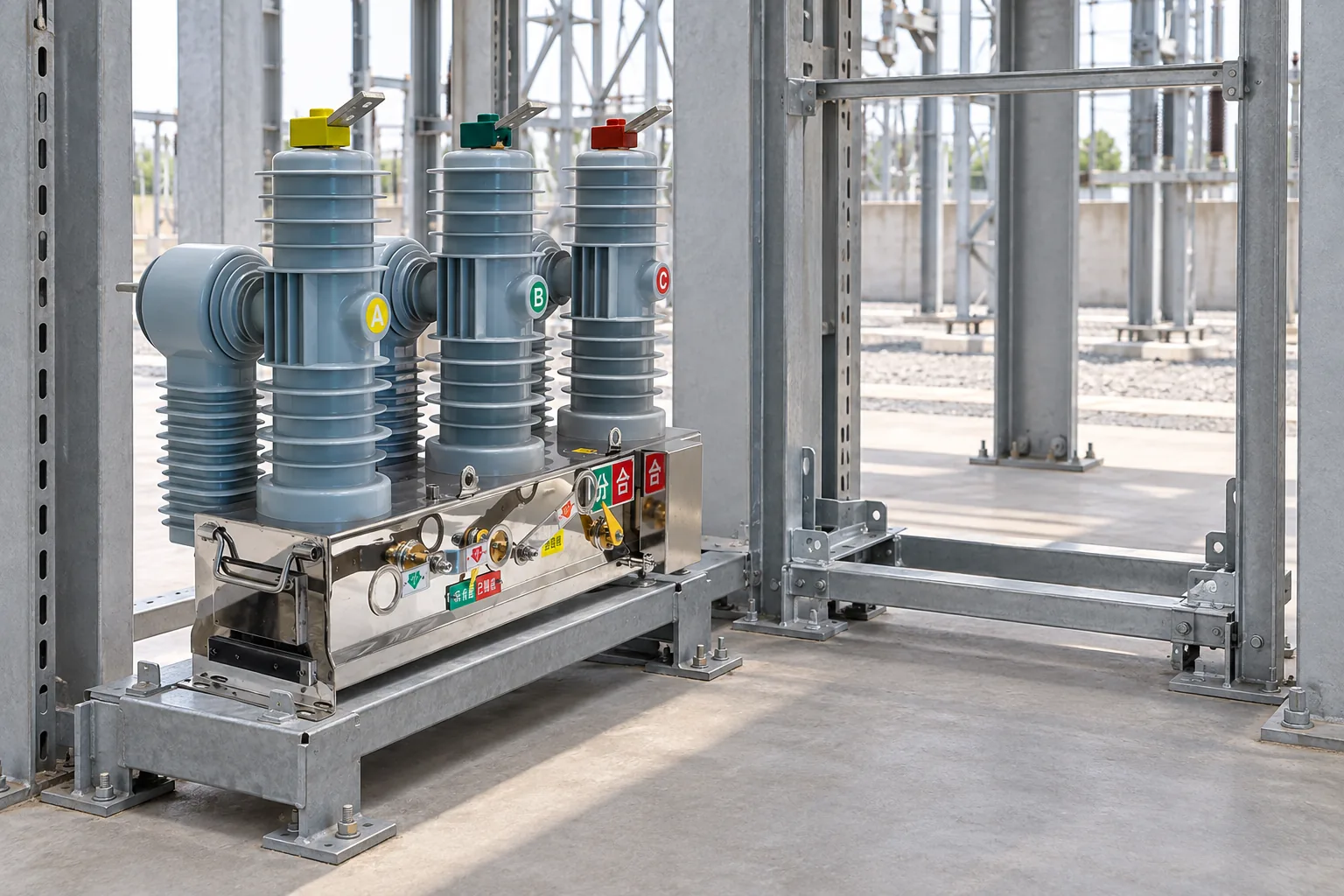
Treat “leading manufacturer” as a claim to verify, not a league table. A defensible China shortlist depends on the exact model, test evidence, documentation, and destination-market service route. Use five actions:
- Issue a duty schedule. Include system and equipment voltage, frequency, insulation levels, fault current and duration, TRV, operating sequence, load duties, installation, altitude, pollution, temperature, and expected operations.
- Define the complete assembly. State whether the requirement concerns a loose breaker, withdrawable truck, fixed unit, ring-main unit, GIS bay, or retrofit package. Identify interruption and insulation media separately.
- Match evidence to the model. Request drawings, nameplate schedule, type-test identifiers, routine-test plan, bill-of-material boundaries, and differences between tested and offered configurations.
- Audit lifecycle support. Compare spares, tools, training, inspection intervals, mechanism support, gas-recovery responsibility, and end-of-life instructions. Reject “zero maintenance” promises.
- Validate the interface before price comparison. For replacements, check the primary and secondary connections, racking, interlocks, earthing, clearances, protection logic, and thermal performance. This VCB mounting and retrofit guide provides a practical starting checklist.
For a China-based VCB enquiry, assess Fuerte through the same process: provide the duty schedule and request model-specific ratings, drawings, and test documents. This ties selection to the application, not an unsupported ranking.
What do buyers ask when comparing SF6 and vacuum breakers?
What is the difference between an SF6 circuit breaker and a vacuum circuit breaker?
An SF6 breaker extinguishes the arc in sulfur hexafluoride gas, while a VCB extinguishes it inside a sealed vacuum interrupter. The surrounding insulation may be air, solid material, or gas in either overall switchgear design, so compare the complete assembly rather than the interrupter alone.
Which is safer: SF6 or vacuum interruption?
Neither label alone proves that an installation is safer. Vacuum interruption avoids SF6 handling in the interrupter, while SF6 equipment requires gas-density, leak, ventilation, recovery, and post-arc by-product controls; both still require correct ratings, interlocks, earthing, arc-risk controls, and trained maintenance.
How do SF6 and VCB maintenance requirements compare?
Both require mechanism, insulation, control, and connection inspections. SF6 equipment adds gas inventory, density or pressure monitoring, leak response, gas quality and recovery tasks; VCB work instead emphasizes mechanism condition, contact-wear indication, and approved vacuum-integrity assessment.
Which breaker has a lower environmental impact?
A VCB with no fluorinated gas elsewhere in the assembly usually avoids operational SF6 leakage and end-of-life gas recovery. The final comparison should still include manufacturing, materials, losses, service life, replacement work, and disposal; EPA states that SF6 has a 100-year global-warming effect 23,500 times that of CO2 and an atmospheric lifetime greater than 1,000 years.
When is SF6 still selected over a VCB?
SF6 may still be selected when a proven high-voltage or compact gas-insulated design uniquely meets the system duty, space, interface, reliability evidence, and project schedule. The buyer must also confirm that destination-market rules permit the equipment and that gas handling and end-of-life recovery are resourced.
Can a vacuum breaker replace an SF6 breaker in existing switchgear?
Sometimes, but rarely as an assumption-based drop-in swap. Engineers must verify ratings, insulation clearances, primary contacts, shutters, racking, interlocks, control voltage, trip and close circuits, protection coordination, heat rise, arc classification, and any required re-testing or manufacturer approval before energization.
Which sources support this SF6-versus-vacuum comparison?
- IEC 62271-100:2021, High-voltage switchgear and controlgear—AC circuit-breakers.
- IEC 62271-1:2017+AMD1:2021, Common specifications.
- Regulation (EU) 2024/573 on fluorinated greenhouse gases.
- U.S. EPA: Sulfur Hexafluoride (SF6) Basics.
The durable choice is the breaker whose tested duty, complete insulation system, service plan, and end-of-life obligations all fit the same project.
To develop a model-specific shortlist, review Fuerte’s vacuum circuit breaker range and contact the team with your single-line diagram, duty schedule, installation conditions, and interface drawings.