


A battery container or inverter package can arrive with a detailed datasheet while the grid connection remains underspecified. The missing information is often between suppliers: who provides the transformer data, who owns the protection settings, and where the export limit is measured. Those gaps can delay commissioning even when each delivered component matches its purchase order. A solar or storage substation enquiry should therefore follow the electrical interfaces from the converter to the connection point. The aim is to establish what each package includes, which system conditions govern it and who must supply the information needed to make the whole arrangement work.
A solar power substation connects the plant’s collection system to the required network voltage and provides the specified switching, measurement, protection and control functions. Battery storage adds charging as well as discharging duties, but a container alone does not define those AC-side interfaces. The US Department of Energy explains that inverters convert DC to AC and can provide grid services when designed and configured to do so. Confirm the inverter characteristics, transformation arrangement, connection requirements and control responsibilities before selecting the medium-voltage equipment or assuming that a package offers every required function.
Where does the inverter end and the substation begin?
The boundary depends on the supply package. An inverter may be supplied alone or within a package that includes transformation and switchgear. The single-line diagram and scope schedule should state what is included, with identified connection points and responsibility for each interface.
DOE’s inverter guidance explains both conversion and possible grid-support functions. It also qualifies operation without grid support: solar-plus-storage systems need to be designed for that purpose. A battery’s presence does not automatically establish islanding or backup capability.
| Interface | Information to agree | Assumption to avoid |
|---|---|---|
| DC system to inverter | Package limits and converter requirements | That the MV supplier defines the battery’s DC design |
| Inverter to transformer | Voltage, power, operating envelope and connections | That nameplate power alone defines every operating state |
| Transformer to MV equipment | Current, fault and insulation duties, physical interfaces | That a voltage match proves overall suitability |
| Plant to grid | Protection, metering, control and operating requirements | That all requirements are included in the inverter package |
Which medium-voltage interfaces need agreement?
A solar power substation needs equipment duties derived from the actual network and plant. Normal export, battery charging where applicable, relevant fault conditions and the intended operating arrangement belong in the specification. Obtain the inverter supplier’s fault-response and control data in the form required by the responsible system-study team.
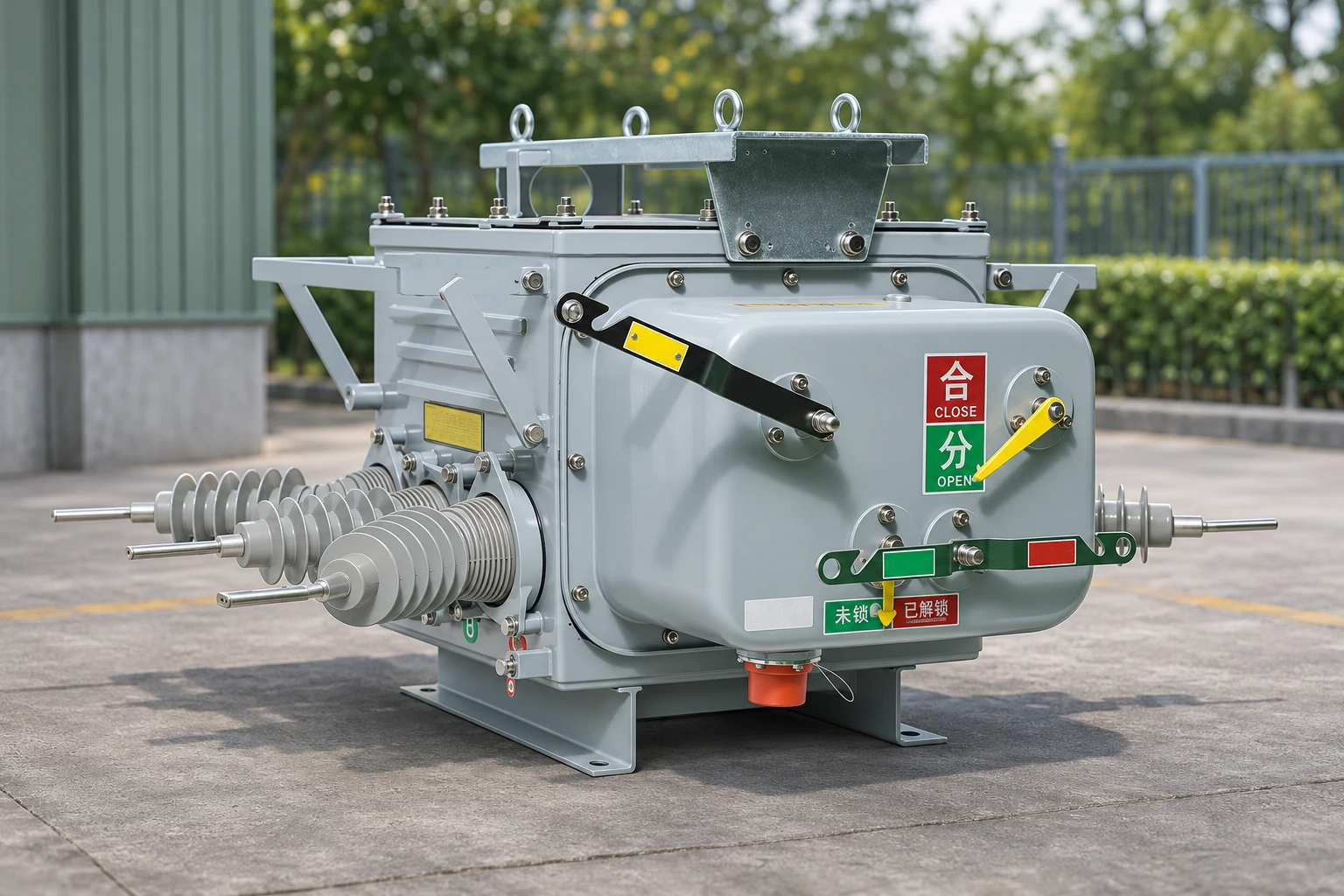
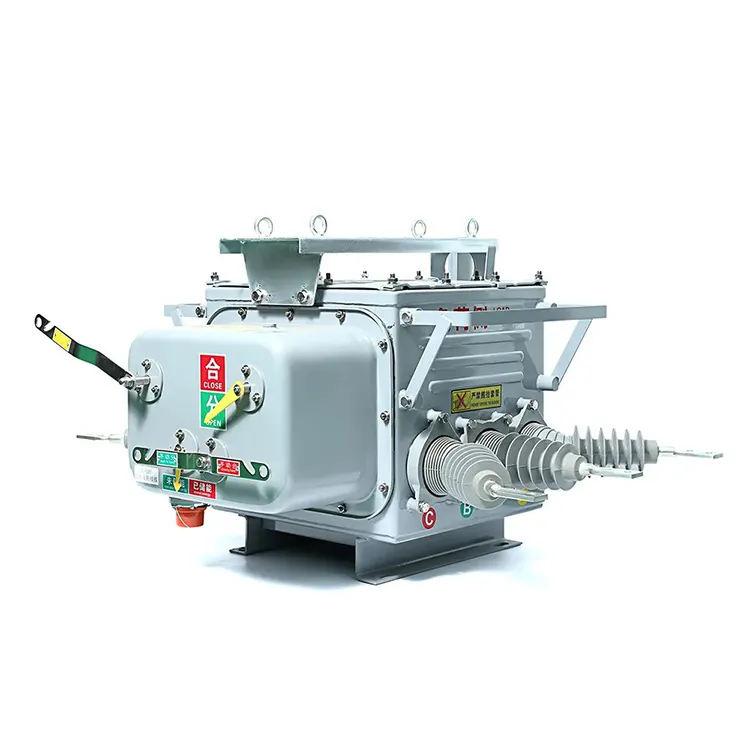
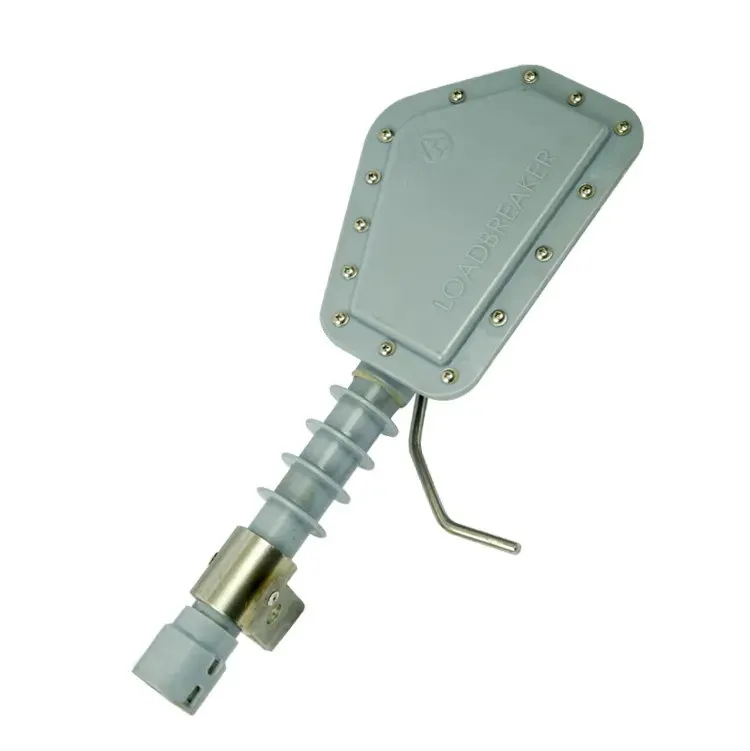
The breaker shown is an example of MV switching equipment, not a complete solar or storage station. Its suitability depends on model-specific ratings and interfaces. The medium-voltage breaker selection guide helps separate those duties from a generic plant power rating.
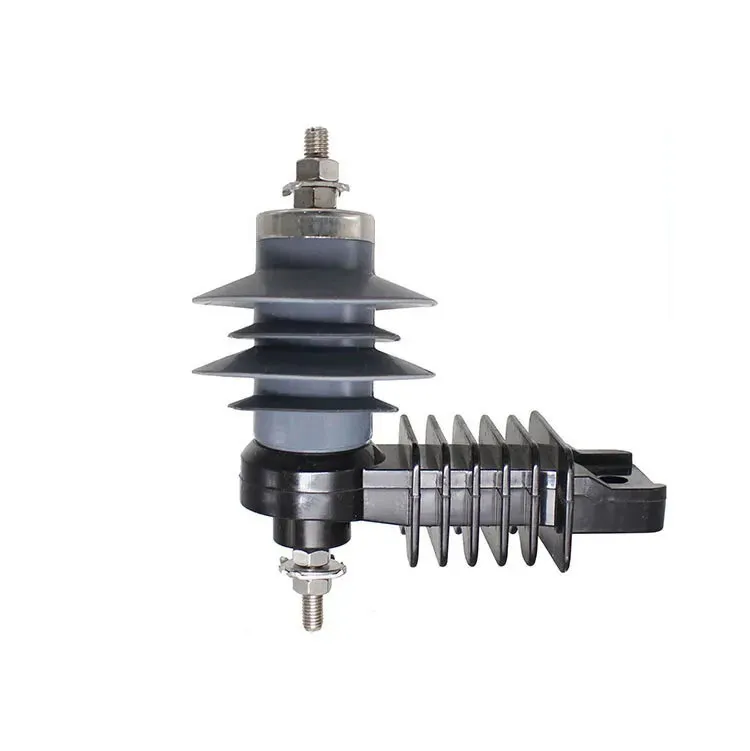
Surge protection is another separate decision. The guide to DC and MV surge protection explains why equipment on one side of the plant cannot simply be carried across to the other without reviewing the applicable conditions.
How do export limits affect controls and metering?
An export limit needs a defined measurement point and an agreed control response. State whether the limit applies at the grid connection, at an inverter output or elsewhere, and identify who supplies the meter, plant controller and communications interface. The selected equipment must support the required implementation, not merely carry a broad ‘smart’ label.
For storage, define charging and discharging states and any restrictions on simultaneous plant operation. Include the agreed response when measurement or communications becomes unavailable. Those behaviours are project requirements to be implemented and tested; they should not be inferred from the presence of a controller.
How should the grid-connection boundary be documented?
| Document or data | Purpose | Responsibility to identify |
|---|---|---|
| Approved single-line diagram | Defines electrical connection points | Plant designer and network interface owner |
| Inverter models and operating data | Supports network and protection studies | Converter supplier and study team |
| Transformer and switchgear data | Defines equipment duties and interfaces | Relevant equipment suppliers |
| Protection and control philosophy | Defines actions, authority and abnormal-condition responses | Responsible protection and control engineers |
| Metering and signal schedule | Identifies measurements, commands and ownership | Plant and grid-side teams |
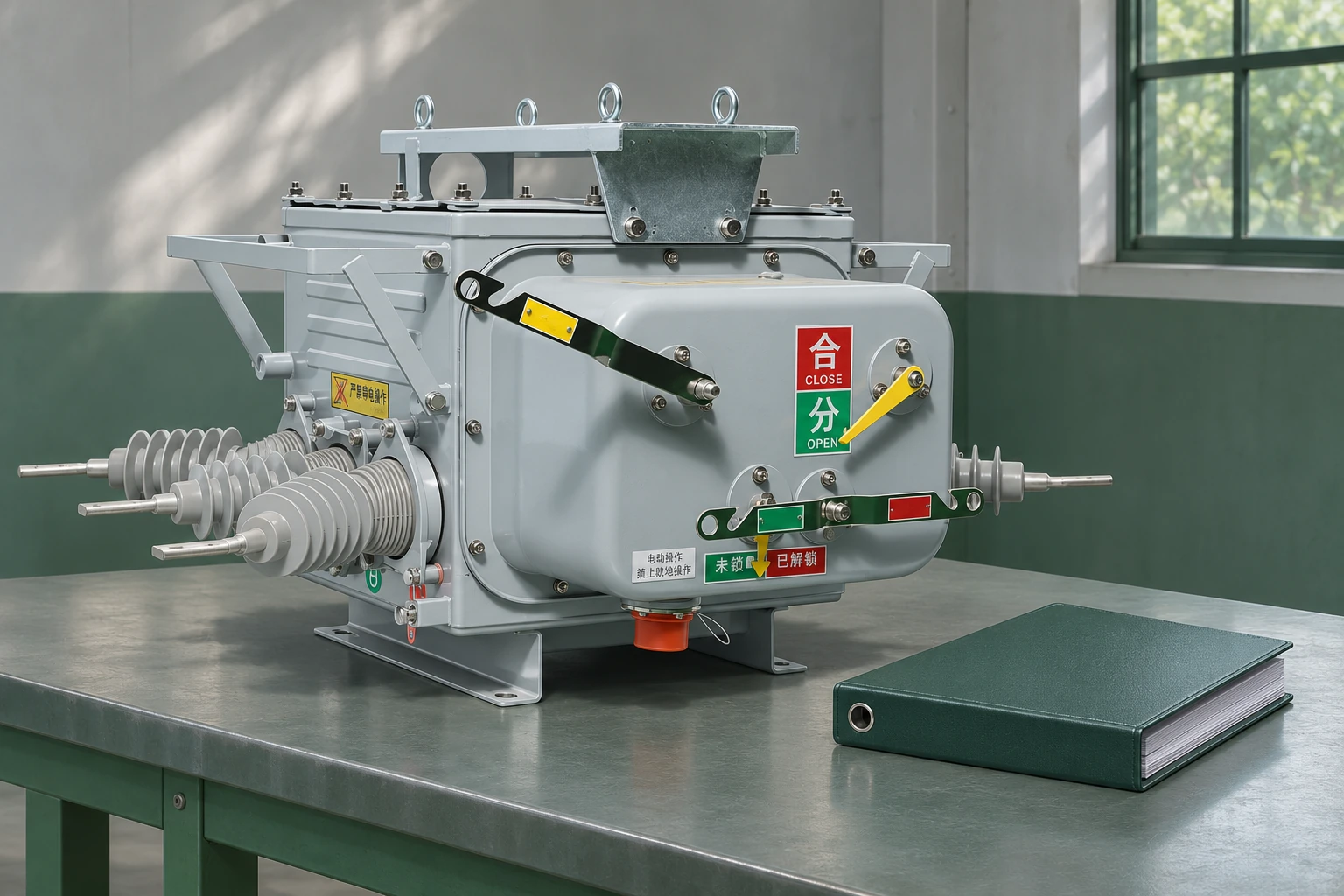
The substation engineering process should reconcile these documents before construction interfaces are fixed. Every unresolved boundary should have an owner and a defined decision, rather than being passed to commissioning as an unexplained assumption.
Which requirements depend on the destination network?
Connection rules, export permissions, protection settings and accepted operating modes depend on the utility and jurisdiction. DOE’s distributed-energy and microgrid guidance provides system context, not approval for a specific installation. The responsible team must establish the applicable connection agreement and technical requirements.
In US workplace installations, 29 CFR 1910.303 includes requirements for suitable ratings and installation. Product evidence, network acceptance and site compliance remain separate checks. None is established by a container dimension, inverter brochure or generated project illustration.
Frequently asked questions
What does a solar power substation connect?
It connects the solar collection system to the required network interface and provides the specified transformation, switching, protection, measurement and control functions. The actual scope depends on the plant design.
How does battery storage connect to a substation?
Storage connects through its power-conversion and AC-side equipment as defined by the single-line diagram. Charging and discharging duties, transformation and grid requirements must all be considered.
Where is voltage stepped up from inverter output?
A transformer can step up the inverter’s AC output to the collection or connection voltage. Its location and ownership depend on whether transformation is integrated into a package or supplied separately.
Which protection interfaces need coordination?
Coordinate inverter behaviour, transformer and feeder protection, measurement inputs, trip interfaces and grid-side requirements. The responsible study team needs the actual supplier data and operating configurations.
How do export limits affect control requirements?
They require a defined measurement point, control responsibility and agreed response to operating changes or lost signals. The requirements should be demonstrated by the project’s commissioning tests.
What electrical data are needed from an inverter supplier?
Request rated and operating voltages, power capability, operating modes, fault-response information, relevant models and control interfaces. The exact data format should be agreed with the network and study team.
Why is a battery container not a complete substation specification?
A container description does not establish the transformer, MV switching, grounding, protection, metering or grid-control arrangement. Its supply boundary must be identified explicitly.
What should be checked at the grid connection boundary?
Confirm the connection voltage, permitted operating modes, protection, metering, export and import limits, signals, ownership and acceptance requirements. Keep these consistent across the connection agreement and equipment documents.
References
Sources checked on 9 November 2026.
- US Department of Energy — Inverters and Grid Services Basics
- US Department of Energy — Distributed Energy Resources and Microgrids Basics
- 29 CFR 1910.303 — Electrical installation requirements (Cornell LII)
Summary
Solar and battery projects become easier to specify when each electrical and control boundary has a clear owner. Begin with the single-line diagram and the connection requirements, then obtain the inverter and transformer data needed for the studies. Define charging and export conditions, protection actions and control authority before selecting the supporting MV equipment. A container or inverter package should never be treated as evidence that all substation interfaces are included. Keep the agreed responsibilities in the procurement and commissioning documents. Fuerte’s vacuum circuit breaker range can be considered for a defined switching role once its model-specific duties and interfaces have been checked against the plant design.