
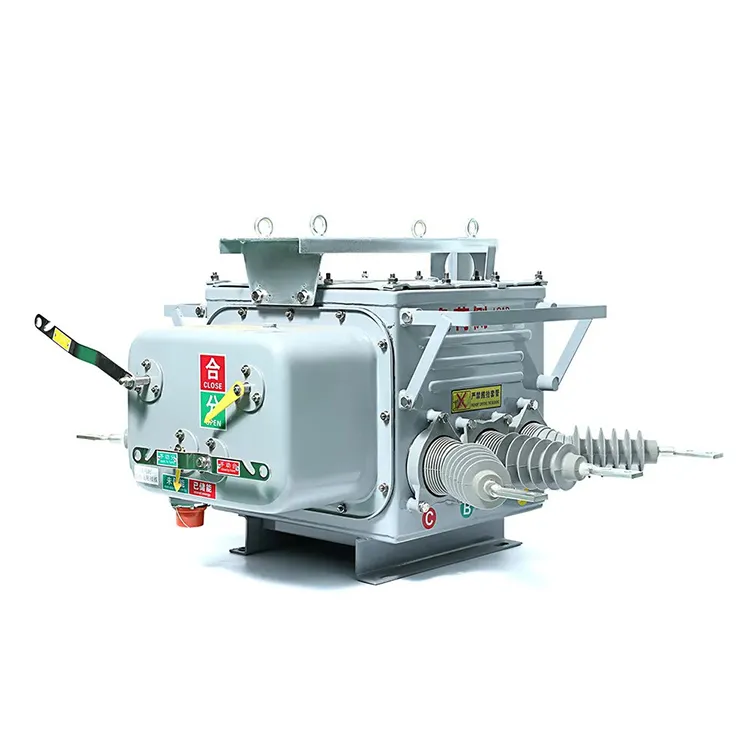


When a protection engineer in Kuala Lumpur encountered trip-circuit alarms during a switchgear replacement, she isolated the feeder, checked the control plug, and watched the new breaker fail its first racking test within minutes. The interrupter was not defective; the drawout unit did not match the cubicle interface or interlocks. This illustrative scenario shows how a correctly rated breaker can still be the wrong type.
Summary: Classify a VCB on at least four axes: system voltage, installation environment, fixed or withdrawable construction, and application duty. IEC 62271-100 addresses AC circuit breakers above 1 kV, while IEC 62271-200 covers metal-enclosed switchgear up to and including 52 kV. Neither standard makes breakers interchangeable. Confirm the complete rating schedule, cubicle or pole interface, service conditions, operating sequence, and test evidence before selecting a type.
How vacuum circuit breakers are classified
A vacuum circuit breaker interrupts alternating current inside a sealed vacuum interrupter. The surrounding assembly provides insulation, operating energy, terminals, controls, interlocks, and environmental protection. “Vacuum” therefore identifies the interruption medium, not one mechanical format.
Which voltage and duty ratings belong in the VCB schedule?
VCBs are most closely associated with medium-voltage distribution, although terminology and class boundaries vary by market. IEC projects commonly specify rated voltages such as 3.6, 7.2, 12, 17.5, 24, 36, or 40.5 kV; North American projects often use equipment classes such as 5, 15, 27, or 38 kV. These are equipment classes, not permission to select from nominal system voltage alone.
The schedule must also state continuous current, rated frequency, short-circuit breaking current, making current, short-time withstand current and duration, insulation withstand levels, operating sequence, transient-recovery-voltage duties, control voltage, and special switching duties. This guide to vacuum circuit breaker ratings explains why a single kV or kA value cannot establish suitability. IEC 62271-100 and IEEE C37.09 use defined test duties to verify performance; they are not simple dimensional classification systems.
When should you choose a fixed or drawout VCB?
A fixed VCB is permanently connected within its panel. Fewer moving interfaces can reduce panel depth and initial cost tendency, but isolation may require upstream devices and a longer outage. It suits sites that do not require rapid breaker exchange.
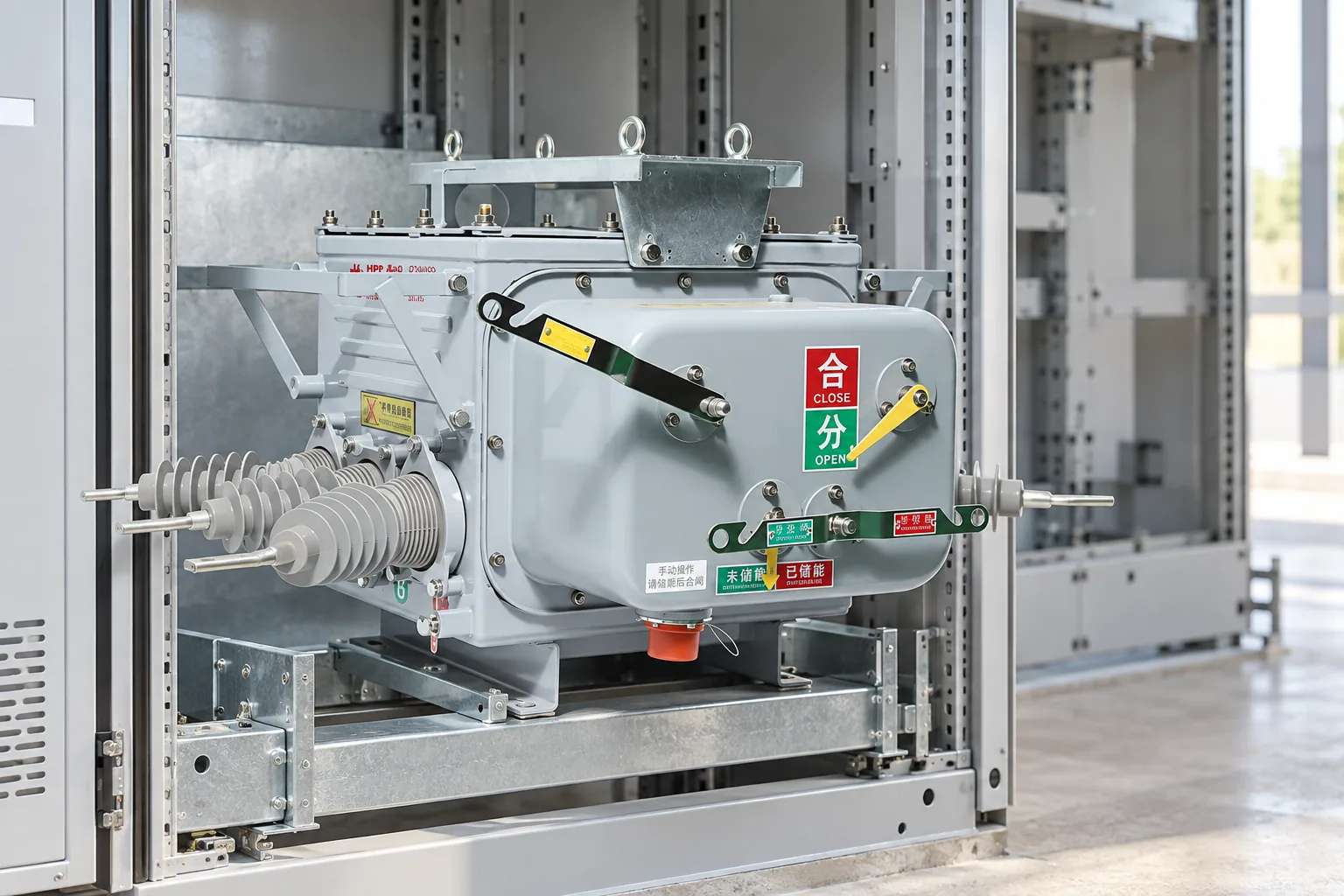
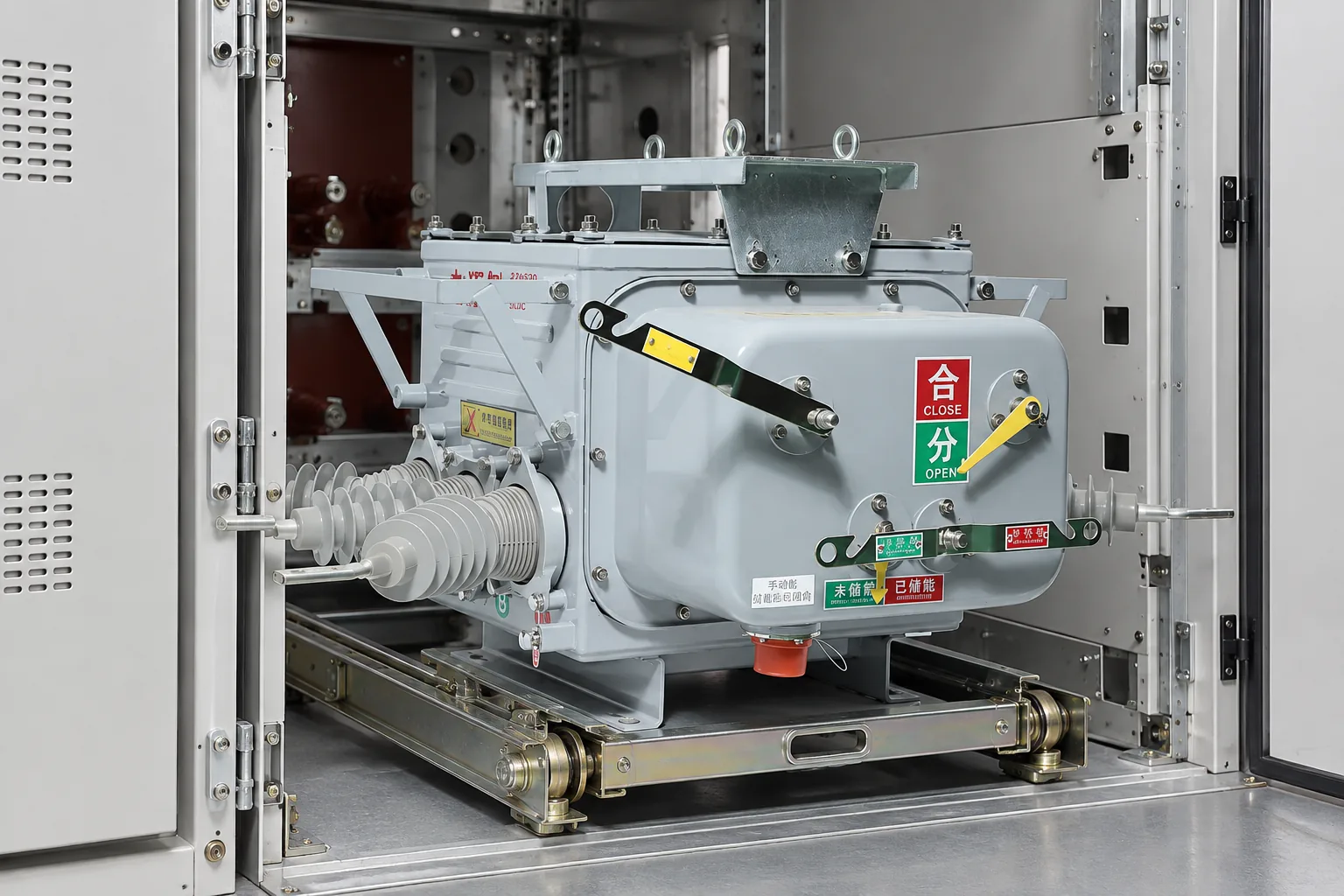
A drawout—also called withdrawable—VCB moves between connected, test, and disconnected positions. Racking, shutters, primary disconnects, secondary plugs, indication, and interlocks form a system. It can accelerate replacement only when breaker and cell are interface-matched.
How do indoor, outdoor, and pole-mounted VCB arrangements differ?
Indoor VCBs rely on a switchroom and enclosure to control rain, ultraviolet exposure, pollution, unauthorized access, and large temperature swings. They may be fixed or drawout and installed in metal-enclosed or metal-clad switchgear. IEC 62271-200 defines construction and classification requirements for AC metal-enclosed switchgear up to and including 52 kV; it evaluates the assembly, not just the breaker truck.
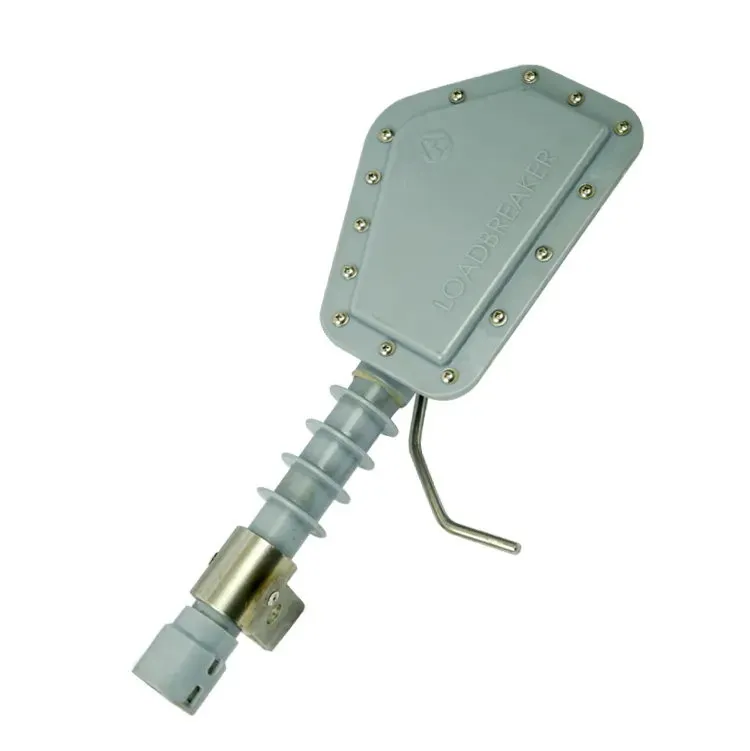
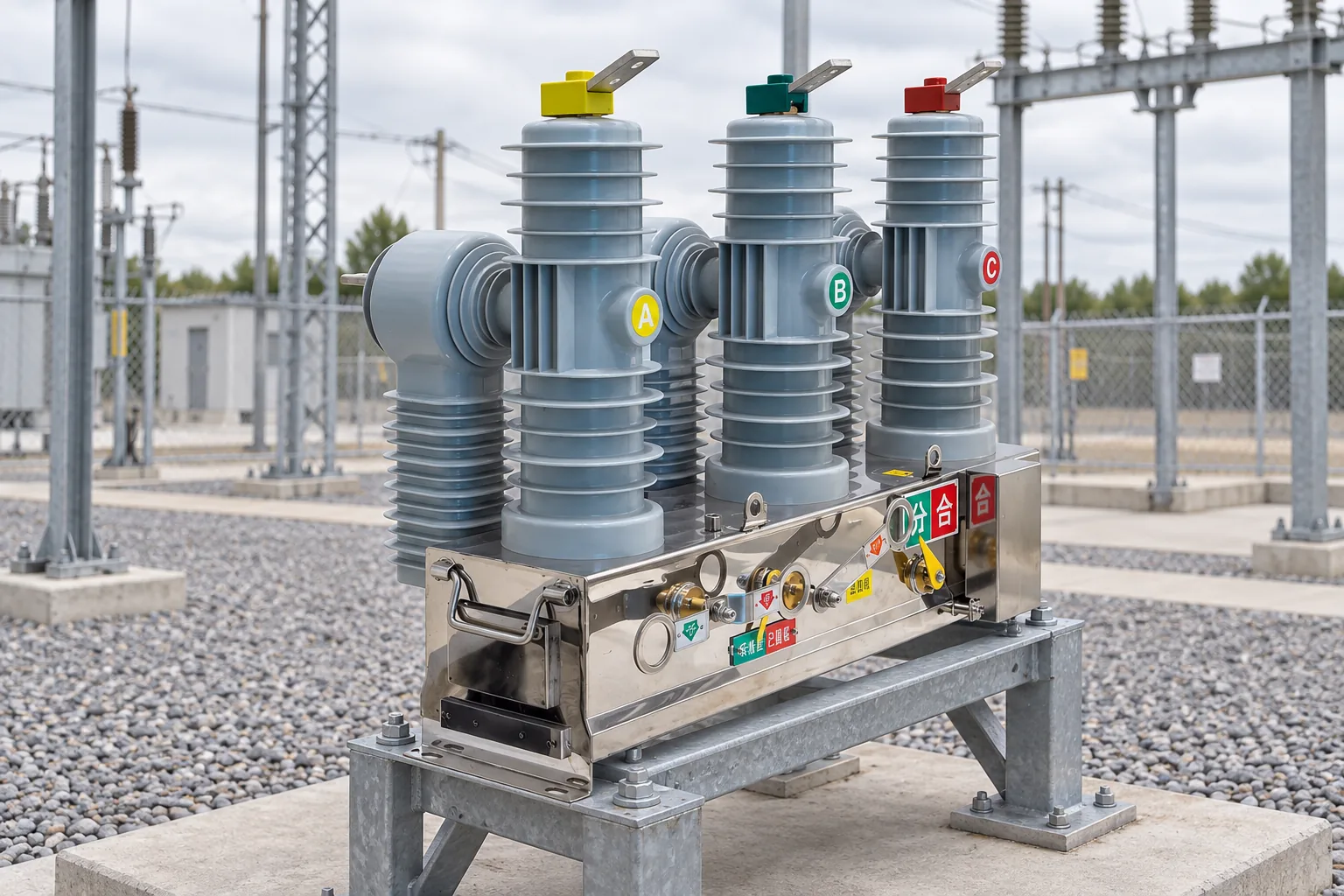
Outdoor VCBs use weather-suitable bushings, insulation, seals, mechanisms, and control cabinets. A pole-mounted version serves overhead distribution and may include protection, sensing, remote controls, and reclosing logic. Not every pole-mounted breaker is a recloser: IEC 62271-111 and IEEE C37.60 specifically address automatic circuit reclosers.
How does VCB construction affect compatibility and lifecycle value?
| VCB arrangement | Best-fit context | Maintenance and compatibility | Cost and TCO tendency |
|---|---|---|---|
| Fixed indoor | Compact new switchboards with planned upstream isolation | Fewer racking interfaces; removal usually takes longer | Lower initial complexity, but potentially longer maintenance outages |
| Drawout indoor | Metal-clad lineups needing test position or rapid exchange | Requires exact primary, secondary, shutter, interlock, and cell fit | Higher interface complexity; downtime savings can justify it |
| Outdoor ground-mounted | Substations, industrial yards, and exposed distribution sites | Weather sealing, creepage, condensation, corrosion, and access matter | Outdoor hardware raises acquisition cost but can avoid a building |
| Pole-mounted | Overhead feeders and remote sectionalizing points | Structure loading, controller power, communications, and climbing access matter | Installation and truck-roll costs can dominate unit price |
| Retrofit or replacement truck | Life extension of an existing switchgear cell | Must match geometry, contacts, interlocks, controls, and heat-rise limits | Can defer lineup replacement, but site modification risk must be priced |
The lifecycle question is which complete arrangement produces the lowest safe cost for the required availability. In an illustrative calculation, if a compatible drawout unit shortens an intervention by four hours, its value is the avoided labor and downtime less racking, spares, training, and mechanism-care costs. Use site-specific rates.
Which VCB arrangement fits each application?
| Application | Likely arrangement | Critical questions before selection |
|---|---|---|
| Industrial motor or transformer feeder | Fixed or drawout indoor VCB | What are the switching frequency, inrush, protection, control power, and outage requirements? |
| Utility or plant substation | Indoor metal-clad or outdoor VCB | What fault, TRV, insulation, operating sequence, environmental, and bus-interface duties apply? |
| Existing cubicle retrofit | Engineered replacement truck or fixed conversion | Do primary contacts, shutters, interlocks, secondary wiring, dimensions, and heat rise match? |
| Overhead distribution feeder | Pole-mounted breaker or automatic recloser | Is reclosing required, and how will sensors, SCADA, controller power, isolation, and surge protection work? |
| Exposed industrial or renewable site | Outdoor ground-mounted VCB | What temperature, altitude, pollution, humidity, salt, dust, solar, seismic, and maintenance conditions apply? |
Application can change the correct type even when two feeders share a voltage. A plant incomer may prioritize drawout interchangeability and rapid restoration; a rarely operated transformer feeder may favor fixed construction; a remote overhead circuit may require a pole-mounted VCB with coordinated controls. For indoor projects, compare the detailed enclosure and interlock considerations among the types of vacuum circuit breaker before freezing panel dimensions.
Which standards and evidence should a VCB specification require?
- IEC 62271-100: requirements and type tests for AC circuit breakers above 1 kV, including making, breaking, dielectric, temperature-rise, and mechanical duties within its scope.
- IEC 62271-1: common specifications and service conditions for high-voltage switchgear and controlgear. Altitude, temperature, pollution, and other departures must be declared.
- IEC 62271-200: requirements and classifications for metal-enclosed AC switchgear up to and including 52 kV. Internal-arc classification, when specified, applies to a tested assembly and arrangement—not a loose VCB.
- IEEE C37.04 and IEEE C37.09: the rating structure and test procedures for AC high-voltage circuit breakers in the IEEE framework. Do not mix IEC and IEEE ratings without an engineering reconciliation.
- IEEE C37.20.2: requirements for metal-clad switchgear. It is relevant when the procurement claim concerns the complete metal-clad assembly.
These are product, assembly, rating, or test standards; citation does not prove third-party certification for every configuration. A vague “IEC/IEEE compliant” claim can lead to rejected submittals, repeat testing, redesign, or delayed energization. State the edition, ratings, tested-model relationship, required reports, and acceptance criteria.
What workflow leads to a defensible VCB selection?
- Define the duty. Supply the single-line diagram, system maximum voltage, frequency, load current, fault study, operating sequence, protection concept, and special switching duties.
- Define the environment. State service, altitude, temperature, humidity, pollution, condensation, seismic and wind requirements, and maintenance access. Review this outdoor VCB specification guide for exposed equipment.
- Choose fixed or drawout deliberately. Compare availability targets, isolation method, spare strategy, racking safety, panel space, interface complexity, and expected outage cost.
- Verify the interface. Approve drawings, primary connections, shutters, interlocks, earthing, secondary plug, control voltage, auxiliary contacts, lifting, and heat-rise basis.
- Request traceable evidence. Ask for model-specific data sheets, drawings, type-test references, routine-test records, manuals, and an agreed inspection and acceptance plan.
At this stage, Fuerte can review a buyer’s data sheet against available configurations and identify missing rating, installation, or interface information. The responsible engineer should retain final authority for application, protection settings, code compliance, and utility or owner acceptance.
What do buyers ask about VCB types and selection?
What are the main types of vacuum circuit breakers?
The most useful categories are fixed and drawout construction; indoor, outdoor, and pole-mounted installation; and the applicable voltage and duty class. Metal-clad, metal-enclosed, retrofit, and recloser-related descriptions add assembly or functional context, so a complete specification normally uses more than one label.
How are VCBs classified by voltage and installation?
They are classified by rated maximum voltage under the selected IEC, IEEE, or regional framework, then by indoor or outdoor service and mounting arrangement. Confirm system maximum voltage and insulation coordination rather than mapping nominal voltage directly to a catalog label.
What is the difference between fixed and drawout VCBs?
A fixed VCB remains connected in its panel and generally needs external isolation for safe maintenance. A drawout VCB racks through connected, test, and disconnected positions in a matched cell, supporting faster exchange but adding shutters, disconnects, interlocks, and compatibility requirements.
Which VCB type is used outdoors?
Use an outdoor-rated VCB assembly with insulation, bushings, housing, seals, mechanism, controls, and mounting documented for the site conditions. A standard indoor breaker should not be placed outdoors merely under an improvised cover.
How do pole-mounted and metal-clad VCBs differ?
A pole-mounted VCB serves an overhead feeder from a utility structure and must integrate controls, protection, communications, and safe field access. A metal-clad VCB is part of compartmented switchgear with grounded metal barriers, shutters, interlocks, and defined assembly requirements; the two formats solve different installation problems.
How should I choose a VCB type for my application?
Start with the fault and load study, then define service environment, installation format, availability target, isolation strategy, interface, operating duty, and governing standards. Compare complete assemblies and model-specific test evidence, not just interrupter technology or purchase price.
Which sources support this VCB classification guide?
- IEC 62271-100, High-voltage switchgear and controlgear—AC circuit-breakers
- IEC 62271-1, Common specifications for AC switchgear and controlgear
- IEC 62271-200, AC metal-enclosed switchgear and controlgear up to and including 52 kV
- IEEE C37.04, Rating structure for AC high-voltage circuit breakers
- IEEE C37.09, Test procedure for AC high-voltage circuit breakers
The durable rule is simple: choose the installation and duty first, then choose the breaker that can prove both. To build a model-specific shortlist, review Fuerte’s vacuum circuit breaker range and contact the team with your single-line diagram, fault study, environmental conditions, interface drawings, and required standards.