

A fuse cutout sample request record should state why a buyer is asking for a sample, which RFQ line it concerns, what identity the supplier has stated, and what evidence or question remains open. The record supports an orderly inquiry; it does not say that a sample is equivalent, accepted, tested, or ready for a project. For a related technical topic, see What Should a Fuse Cutout Drawing Scope Record Show?.
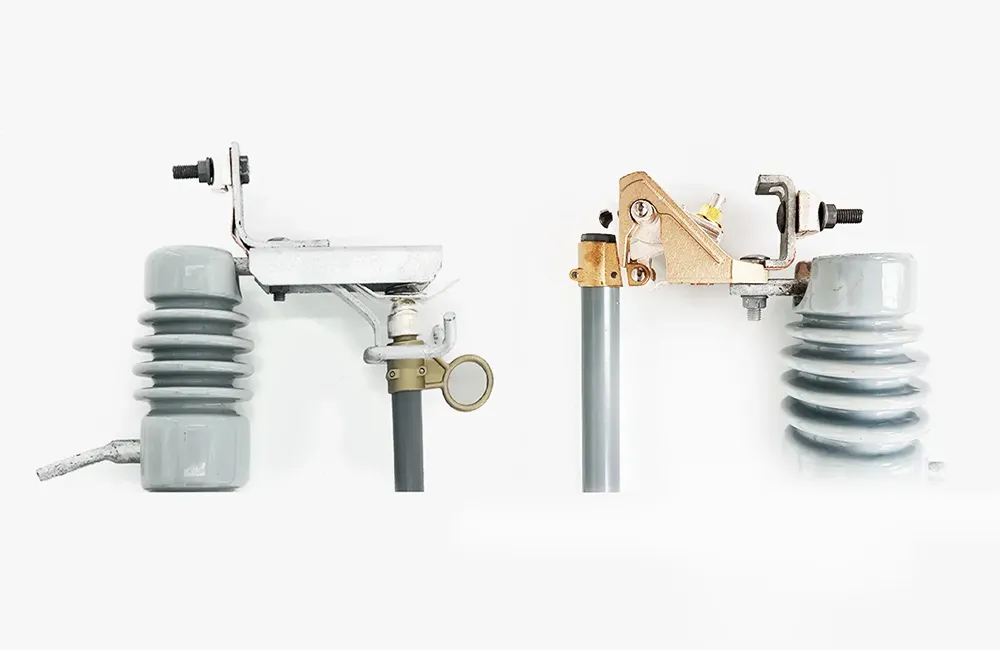
The FUERTE fuse cutout family is a useful product-family entry point. Related procurement reading includes the fuse cutout receiving inspection record and the fuse cutout and fuse link RFQ guide.
Important: Receiving or viewing a sample does not establish a protection result, a rating, certificate applicability, system fit, or release for installation. Decisions of that kind require defined evidence and the responsible process. Source context: CIGRE ELECTRA.
Part 1. Define why the sample is requested
Begin with a written request purpose. It may be to obtain a supplier response, review a stated feature, or preserve an unanswered inquiry; the buyer should say which purpose applies.
This prevents a sample from being treated as a universal answer to every RFQ question. A clear request purpose also gives the supplier a defined way to respond.
Part 2. Identify the request item
Link the request to the buyer line and the supplier-stated item designation. If the offer identity is not known, make that an open question instead of using a photograph or family name as a substitute.
Keep the requested quantity or handling instruction, if relevant, separate from product conclusions. Logistics wording should not be used to infer duty or acceptance.
Part 3. Describe the evidence route
State what record or response the buyer is asking to receive with the sample request. The request can point to a named question, source title, or clarification response without claiming what the eventual evidence will show.
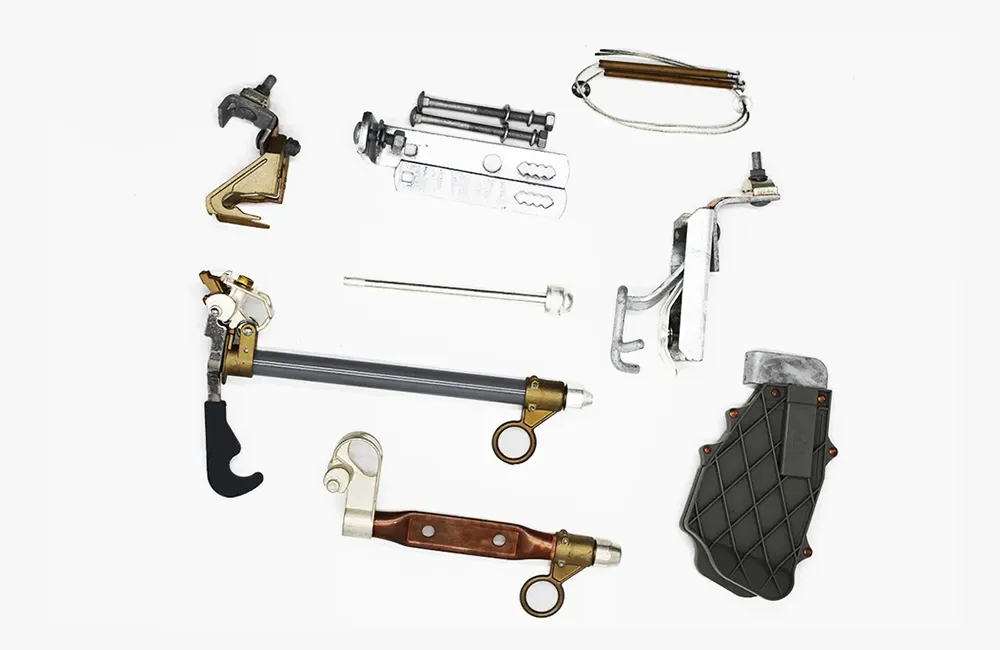
When no source is supplied, record the gap. That is more useful than assuming a product image documents the configuration or its project status.
Part 4. Separate observation from acceptance
An observation can record what the buyer received or which question was raised. Acceptance is a separate decision that depends on the applicable review and evidence.
Keep these labels distinct in the request record. Doing so stops routine sample handling from becoming an undocumented approval step.
Part 5. Build a sample request record
Use a request table that makes each pending question traceable.
| Sample request item | Buyer purpose | Supplier-stated identity | Requested response source | Open review point |
|---|---|---|---|---|
| RFQ line | explain why the sample is requested | designation in offer | quotation or reply | identity not stated |
| Sample context | record handling or reference need | supplier wording | named supporting record | scope not supplied |
| Evidence question | identify requested information | item linked to buyer line | clarification source | answer still open |
| Review handoff | preserve the next decision | no technical conclusion | responsible record | owner to confirm |
The table is a request-control tool. It does not compare ratings, approve an alternative, or define a project release.
Part 6. Direct a named product question
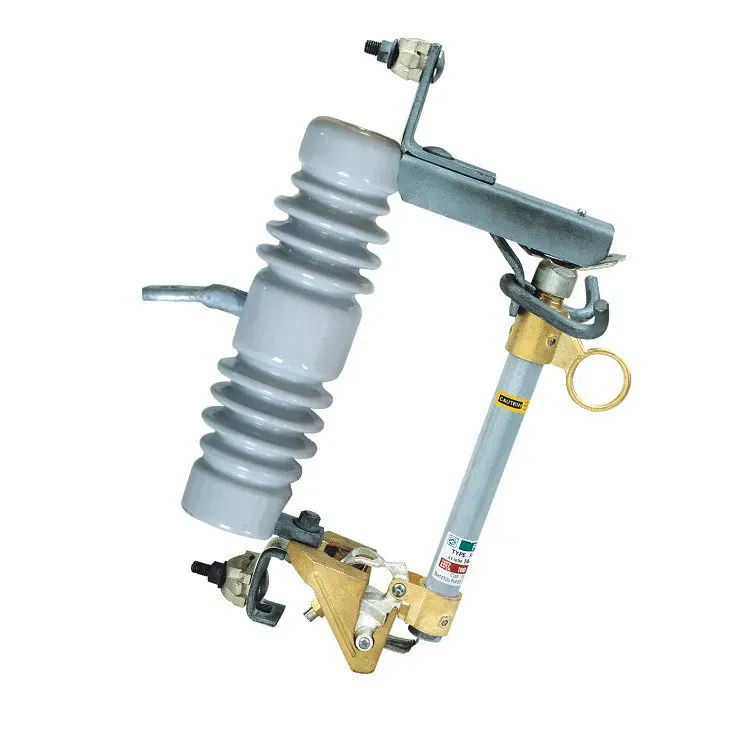
After the request names the buyer line and the specific question, the FSC-30 Drop Out Fuse Cutout page can be used to request current product information.
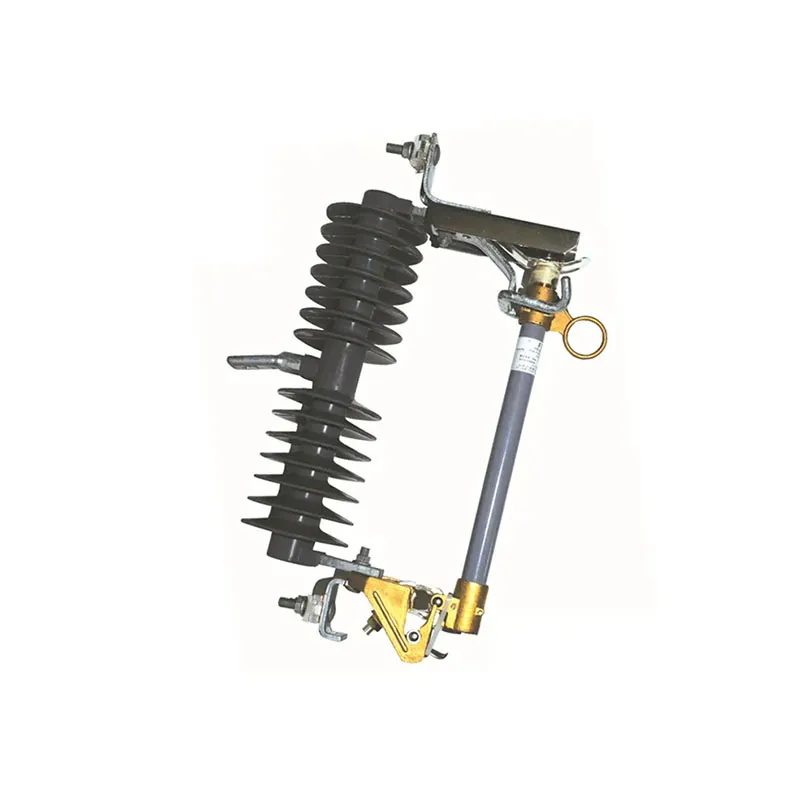
Include the request purpose, supplier-stated identity, and desired response source. This product recommendation route is not a statement that a sample matches the RFQ or is acceptable for an unstated application.
Part 7. Keep the next review visible
Close the record with the unanswered question, source gap, and next responsible review. Do not close a sample request merely because an item or image has been received.
For a defined enquiry, contact FUERTE with the RFQ line, request purpose, named item, and focused question.
FAQ
What is a fuse cutout sample request record?
It is a buyer record that links the sample purpose, RFQ line, stated item identity, requested response, and open review point.
Why state the sample purpose?
The purpose tells the supplier and buyer what question the request is intended to support and prevents broad assumptions.
Can a sample photo identify the offered item?
No. A photo provides visual context but should not replace the supplier’s stated item identity and cited response.
Does receipt of a sample mean approval?
No. Receipt or observation is separate from technical, contractual, project, or acceptance decisions.
What should be kept with the request?
Keep the buyer line, request purpose, supplier-stated identity, source record, and outstanding question together.
Can a buyer request a comparison through this record?
The record can ask for a defined response, but it does not establish equivalence or select between options.
Which FUERTE route supports a named inquiry?
Use the cited FSC-30 product route once the buyer has a specific item and question to submit.
Who decides whether a sample is acceptable?
The responsible project and procurement process must make that decision from the applicable evidence.
References
- CIGRE ELECTRA: professional power-system publication context for evidence-led review.
- IEC Webstore: controlled-document context for defining request boundaries.