
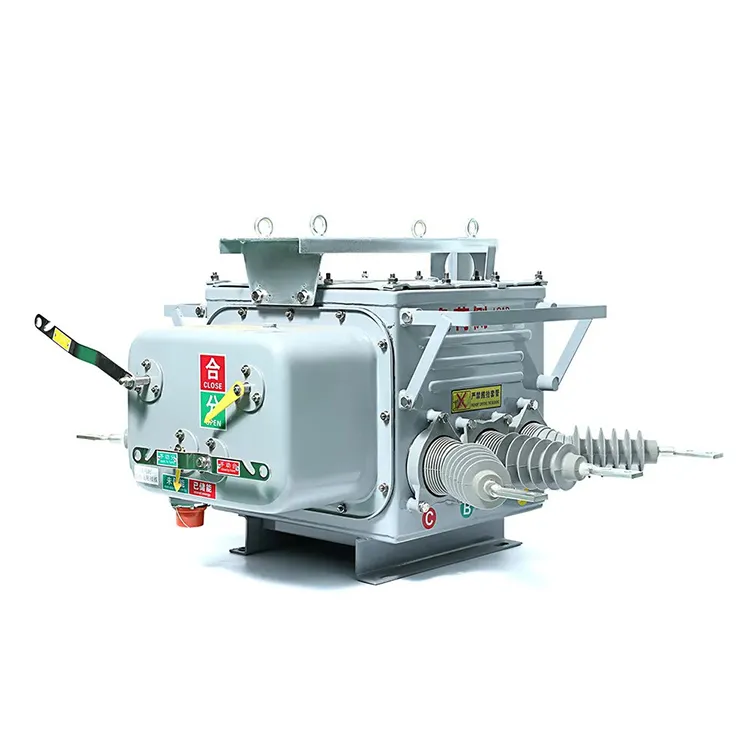
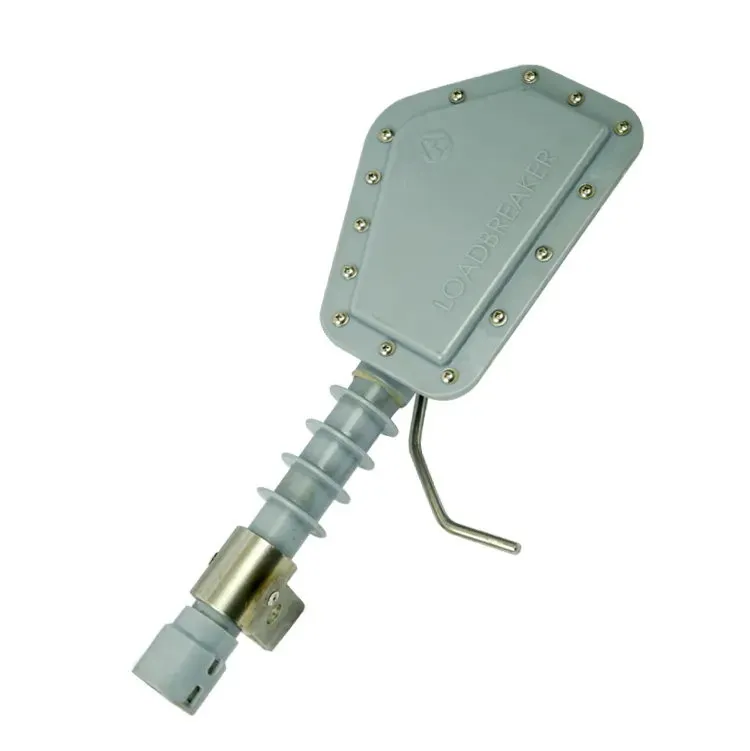


A vacuum circuit breaker nameplate is a reliable starting point for an RFQ only when it is copied exactly and kept separate from the replacement decision. A label may identify a model and several ratings, yet it cannot show the panel interface, control scheme, project duty, or the documents required for approval. The practical objective is a traceable transcription followed by a compatibility review.
Summary: Treat the vacuum circuit breaker nameplate as an identification record. Copy maker, model, ratings, serial or production reference, and every unit exactly; then add system voltage, frequency, continuous and short-circuit duties, insulation level, operating sequence, control voltage, interfaces, and documentation requirements. IEC 62271-100 is a key reference, but the nameplate alone does not prove a replacement is suitable.
Which nameplate fields belong in an RFQ?
| Field group | What to copy | Why it matters |
|---|---|---|
| Manufacturer and model | Full text, prefixes, suffixes, revisions | Identifies the item discussed |
| Rated values | Each value, unit, and label wording | Prevents context loss |
| Serial/reference | Visible production or asset reference | Separates similar units |
| Operating information | Exact fields shown | Avoids assumptions |
| Label condition | Unreadable or missing sections | Shows open actions |
What does the label not establish?
Add the system application, panel or pole interface, earthing, control and auxiliary circuits, cable or bus arrangement, operating sequence, and owner documentation requirements. A field copied from a label is evidence of what is printed; it is not a design approval.
Record breaker component identity alongside the nameplate when the enquiry also concerns a replacement mechanism or auxiliary part.
Which technical ratings should be verified separately?
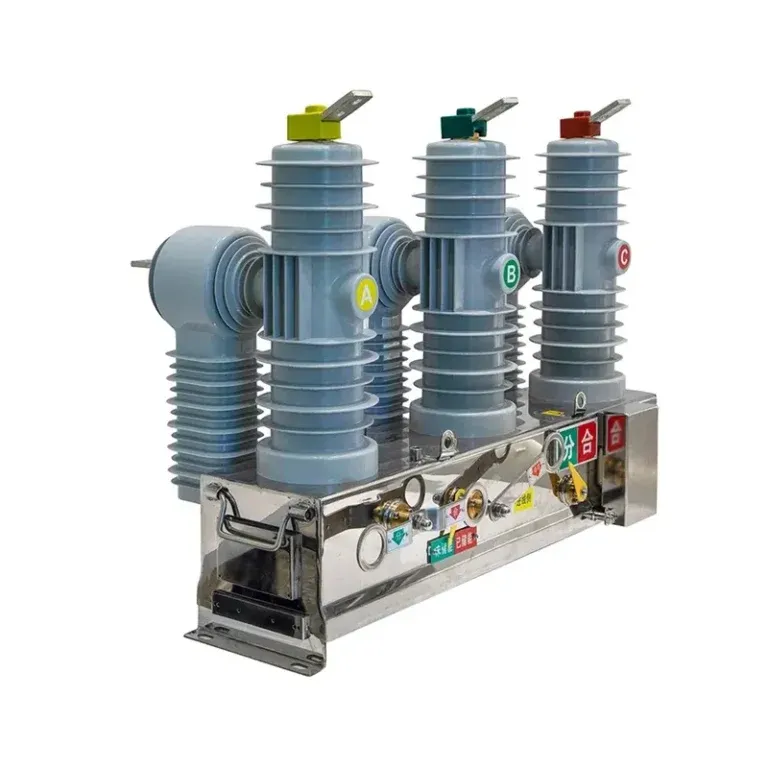
Ask the project team to confirm rated voltage, frequency, continuous current, short-circuit breaking and making duty, short-time and peak withstand current, insulation level, and control voltage where applicable. Do not fill a blank from a similar model or a catalogue family.
| Decision dimension | Evidence | Boundary |
|---|---|---|
| Identification | Full label photo and transcription | Cannot prove fit |
| Electrical duty | Study, schedule, and standard basis | Nameplate may be incomplete |
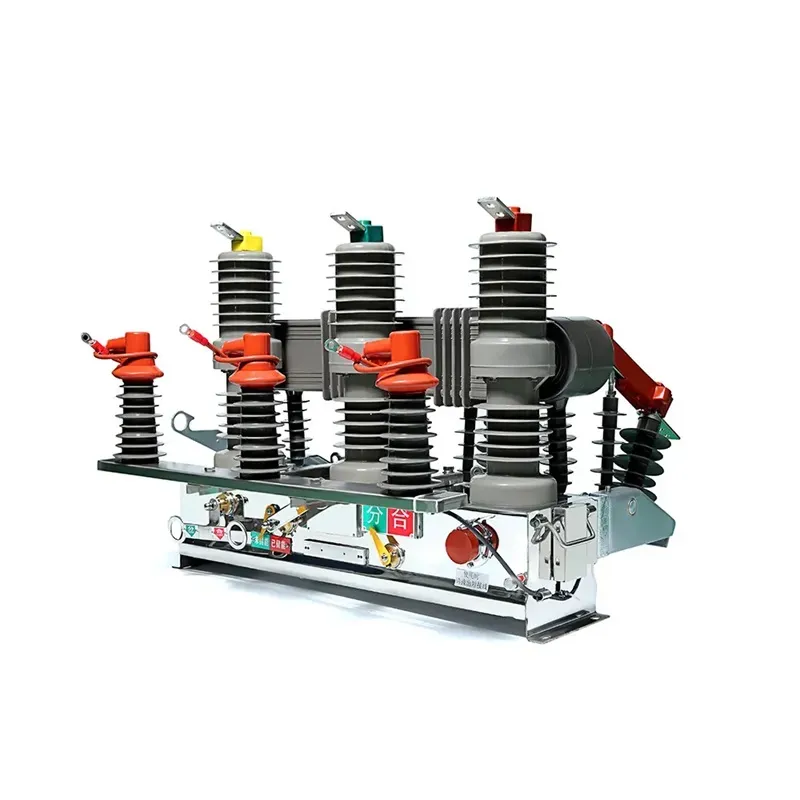
| Interface | Panel drawing and terminal details | Visual similarity is insufficient |
| Documents | Data sheet, drawing, tests, deviations | Brochure is not approval |
How should the RFQ package be assembled?
- Attach a clear full-label photograph and a wider context photograph where permitted.
- Transcribe the label in a field table and mark unreadable values unknown.
- Add single-line, panel, interface, control, and project-standard references.
- Ask bidders to identify the offered model, deviations, and evidence limits.
Compare the result with the vacuum-circuit-breaker category only after the application and interface fields are complete.
Frequently asked questions
Can a nameplate identify a drop-in replacement?
No. It identifies the existing equipment, while fit also depends on interfaces, control circuits, duties, and project approval.
What if the label is partly unreadable?
Record the missing field as unknown and request a better image or controlled document. Do not infer it from a neighboring model.
Should every printed number be copied?
Copy each visible value with its unit and field label. This preserves context for later engineering review.
Which standard should an RFQ cite?
Use the applicable project and product standards, including IEC 62271-100 where relevant, and state the required evidence.
Conclusion
A nameplate transcription reduces ambiguity when it remains an identification record rather than becoming an automatic replacement decision. Copy every field and unit, preserve the label image, then verify system duty, interface, control, documentation, and deviations against the project basis. The action that cannot be skipped is a model-specific compatibility review. Fuerte can route a completed pack to a suitable vacuum-circuit-breaker inquiry, with final acceptance held by the responsible engineer.