

A lightning arrester 20 kv inquiry sits between common 11 kV and 33 kV selection pages, so buyers must record actual system voltage, grounding method, temporary overvoltage expectations, and evidence requirements instead of copying either neighbor class unchanged. Use it to stop automatic rating transfer from 11 kV or 33 kV pages. It is a checklist for procurement and engineering teams — not sizing or approval for 20kv-lightning-arrester-selection-inputs. For a related technical topic, see What Scope Belongs in Transmission Line Lightning Arrester Selection?.
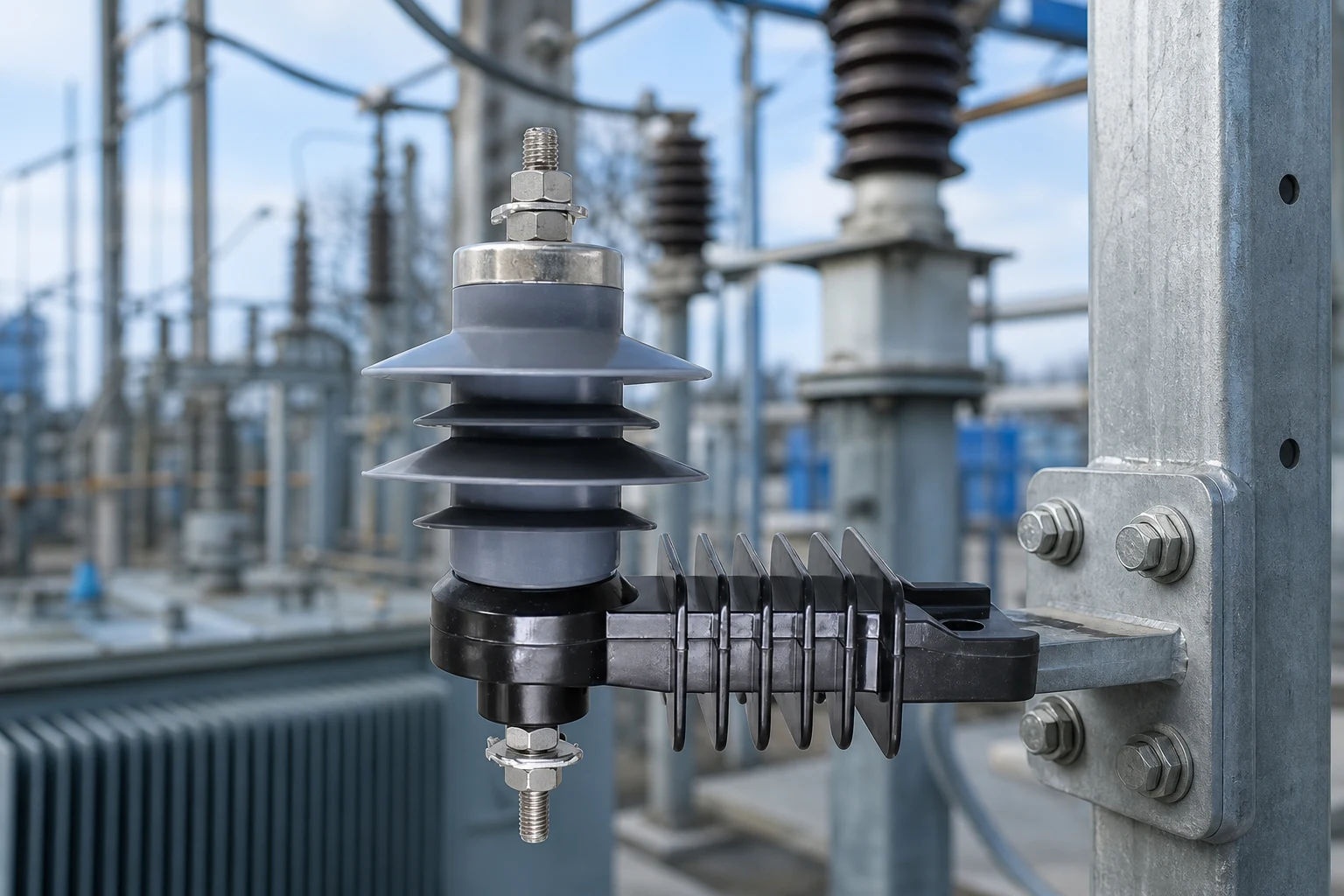
Why does a 20 kV inquiry need its own input checklist?
Many libraries publish strong 11 kV and 33 kV arrester pages. A lightning arrester 20 kv request often inherits language from those neighbors without checking whether system voltage, MCOV discussion, and insulation coordination actually match. Treat 20 kV as its own inquiry package. Copying a neighbor checklist wholesale is a common procurement shortcut that creates mismatched evidence.
Readers searching for lightning arrester 20 kv usually need a project checklist, not a catalog slogan.
Between-class inquiries fail when teams paste 11 kV MCOV talk onto a 20 kV drawing set without model mapping.
How should system voltage and grounding be recorded?
Write the nominal system voltage and grounding method from drawings or utility standards. If the project uses a naming convention that differs from catalog labels, record both the project term and the electrical basis. Do not invent continuous operating voltage numbers in the blog; require suppliers to map offered models to the documented system.
| Input | Source to cite | Do not |
|---|---|---|
| System voltage | Drawing or utility standard | Guess from a neighbor page |
| Grounding method | System description in project docs | Leave blank |
| Protected object | Transformer, line, or other | Assume transformer duty |
| TOV basis | Study or utility spec reference | Invent durations or magnitudes |
| Evidence list | Mandatory datasheet fields | Accept brochure-only replies |
Which TOV and energy questions affect the rating?
Ask which temporary overvoltage scenarios the project study considers and which evidence format suppliers must use. Energy or discharge class questions belong to the specification, not to invented article values. Neighbor-class pages can inform the question list, but they do not authorize transferring ratings between classes.
Important: Neighbor 11 kV or 33 kV selection pages must not be used as drop-in rating sources for a lightning arrester 20 kv inquiry without verified model mapping. (Source: IEC/IEEE surge arrester overview practice; project studies.)
Which installation conditions change the choice?
Clarify whether the arrester protects a transformer, a line section, or another asset. Mounting, lead length, and grounding ownership change with that context. RFQs that only say 20 kV without protected-object notes leave suppliers free to assume a convenient duty that may not match the site.
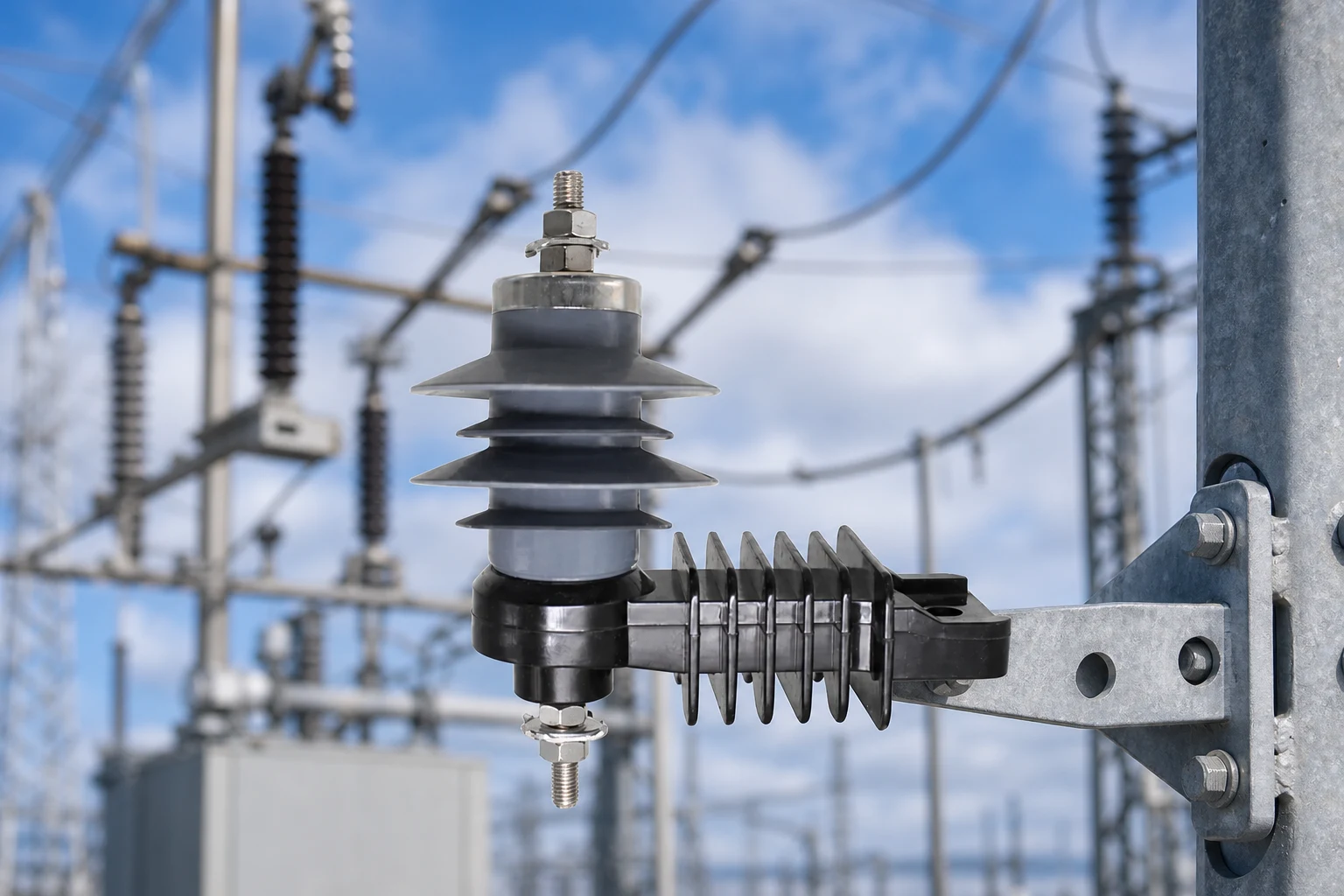
| Neighbor page | What you may reuse | What you must not copy |
|---|---|---|
| 11 kV selection | Process questions and RFQ structure | Automatic rating transfer |
| 33 kV selection | Higher-class evidence questions | Automatic uprating claims |
| Metal-oxide transformer guide | MOV technology discussion | Wrong protected-object assumption |
How should neighbouring voltage guides be used?
Use sibling guides for shared process questions such as grounding RFQ language or metal-oxide selection logic. Keep this page focused on the between-class input discipline. Avoid republishing the MV surge RFQ checklist title or angle; link to it when a full field list is needed.
When comparing neighbor-class pages, keep a side-by-side note of which fields were reused as process versus which ratings were blocked from transfer.
Related reading: 11kV lightning arrester selection; 33kV lightning arrester selection; metal-oxide surge arrester selection for distribution transformers.
When is product discussion useful?
Finish the input table first, then discuss FUERTE arrester routes that match the documented class and duty. Product recommendation here means a controlled inquiry path, not a claim that a catalog photo equals 20 kV approval. Attach the input table to every quote request.
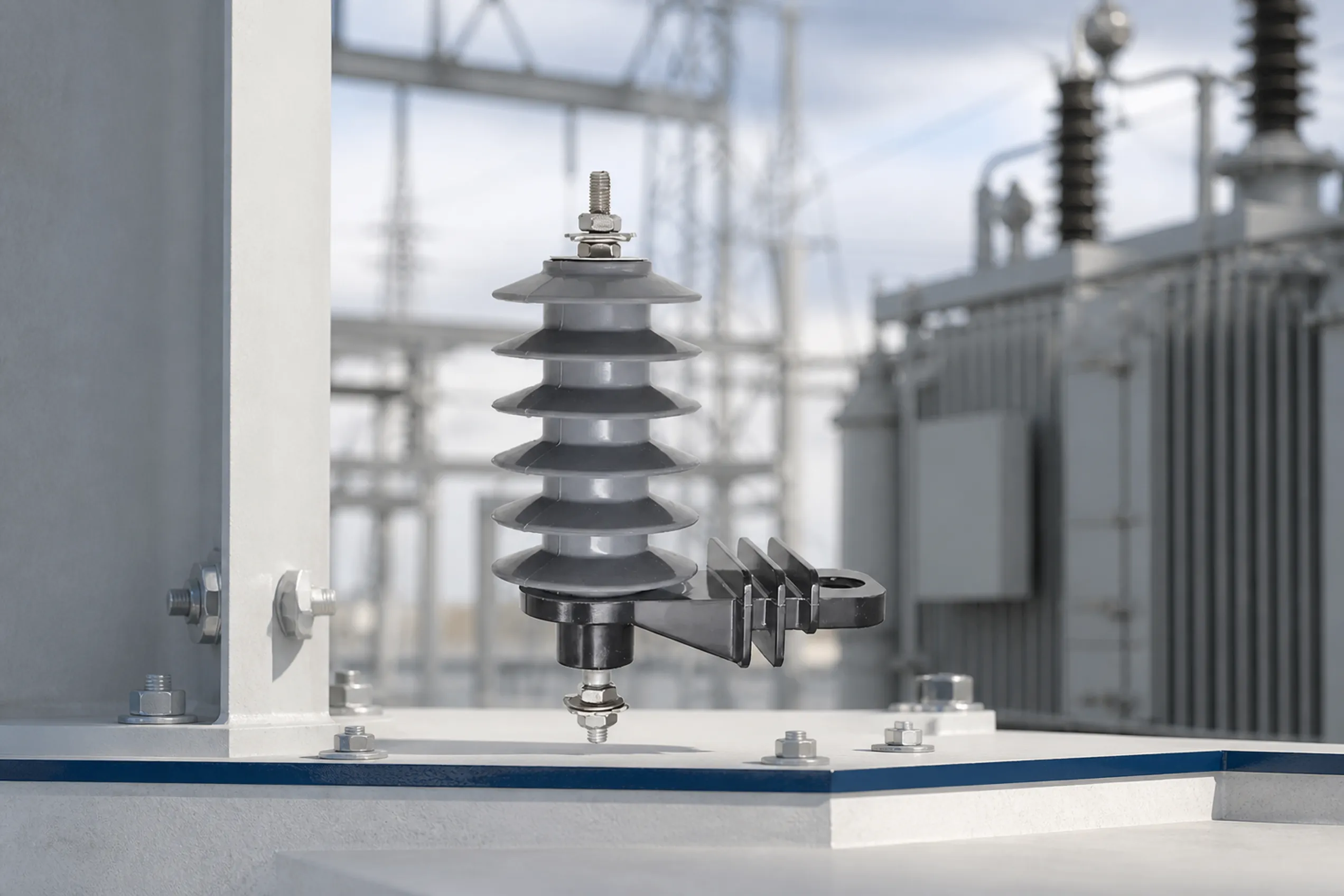
| Signal | FUERTE route | Condition |
|---|---|---|
| Inputs support distribution-class talk | Y510W-11 Surge Arrester | Verified against project class |
| Inputs support higher-class talk | YH510W-33 / YH510W-33J Surge Arrester | Study basis attached |
| Incomplete inputs | No product claim yet | Finish RFQ table first |
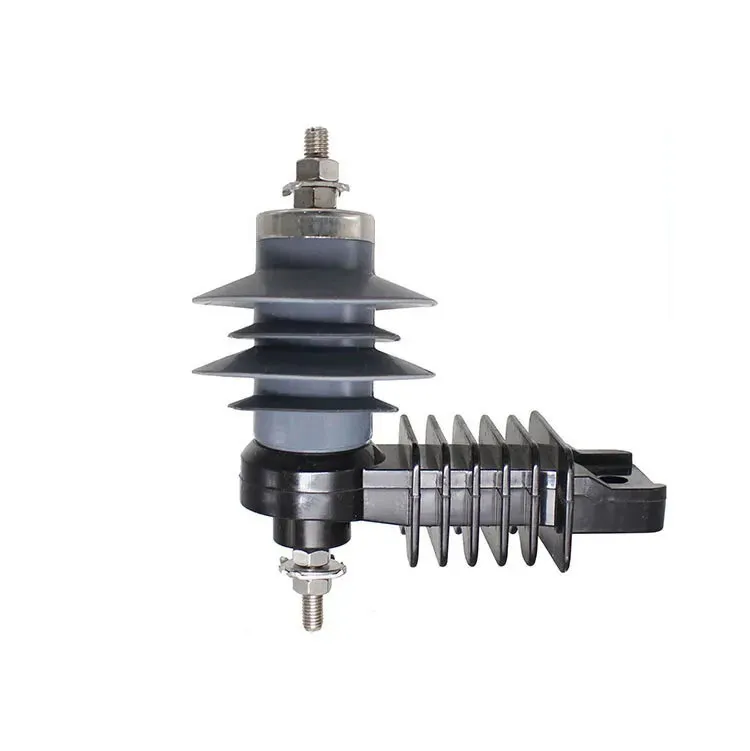
- Y510W-11 Surge Arrester — discuss only when documented system inputs support this route.
- YH510W-33 / YH510W-33J Surge Arrester — discuss when project class and studies point higher.
Source the inputs first, then use the FUERTE Lightning Arrester context or contact FUERTE for a model-specific review.
What remains outside a 20 kV inquiry?
Treat this page as a selection-input guide for lightning arrester 20 kv language between neighboring classes. It does not publish ratings, certify products, or replace insulation coordination studies.
FAQ
Why treat 20 kV separately from 11 kV and 33 kV pages?
Because neighbor checklists can mis-transfer ratings and protected-object assumptions if system inputs differ.
What is the minimum input set?
System voltage, grounding method, protected object, TOV basis reference, and mandatory evidence fields.
Can I copy MCOV numbers from an 11 kV article?
No. Require model-specific mapping to the documented 20 kV system.
Where do energy class numbers come from?
From project specifications and manufacturer data for the offered model—not from this blog.
Is a transformer arrester always correct for 20 kV lines?
Only when documents assign that duty; otherwise state the actual protected object.
Should I still read the MV surge RFQ checklist?
Yes for full field coverage; this page focuses on between-class discipline.
What makes two 20 kV quotes comparable?
Same input table, same inclusions, and exact model identity with datasheets.
Does this page approve a 20 kV arrester?
No. Approval requires responsible engineers and verified evidence.
Why can two 20 kV networks need different arrester ratings?
A 20 kV label does not establish maximum system voltage, earth-fault behaviour, TOV magnitude or clearing time. IEC 60099-5:2018 gives application recommendations above 1 kV, while IEC 60071-2:2023 covers insulation coordination. For a 20 kV lightning arrester request, record grounding, fault-clearing time, insulation levels, installation position, residual-voltage target, discharge duty and lead routing. This gives the surge arrester rating a design basis and keeps 20 kV arrester selection separate from copied 11 kV or 33 kV values.
Can an 11 kV arrester value be copied into a 20 kV inquiry?
No. Highest voltage, earthing and TOV conditions must be checked before proposing any rating.
Summary
A 20 kV label does not establish maximum system voltage, earth-fault behaviour, TOV magnitude or clearing time. Confirm the project inputs, match the exact product evidence and record unresolved assumptions before purchase.