
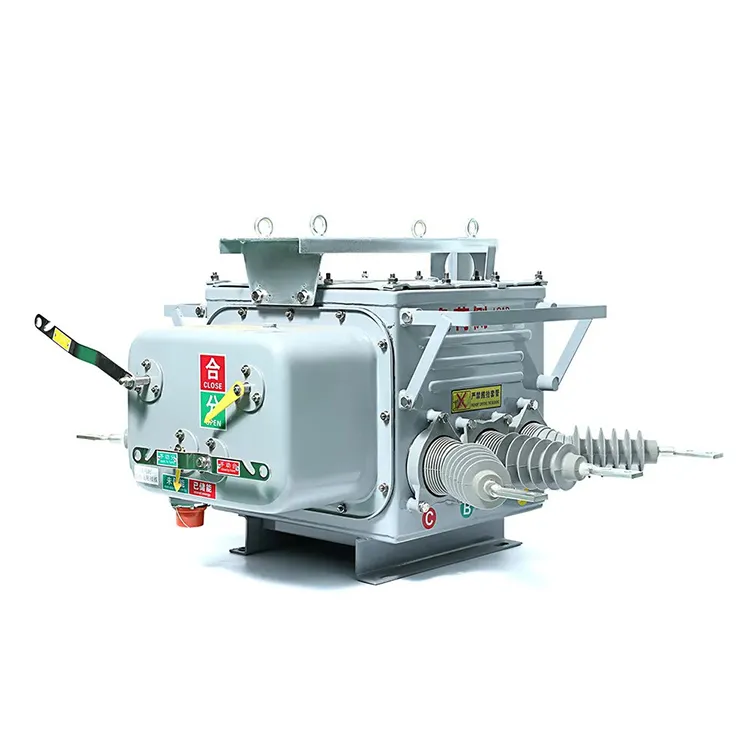
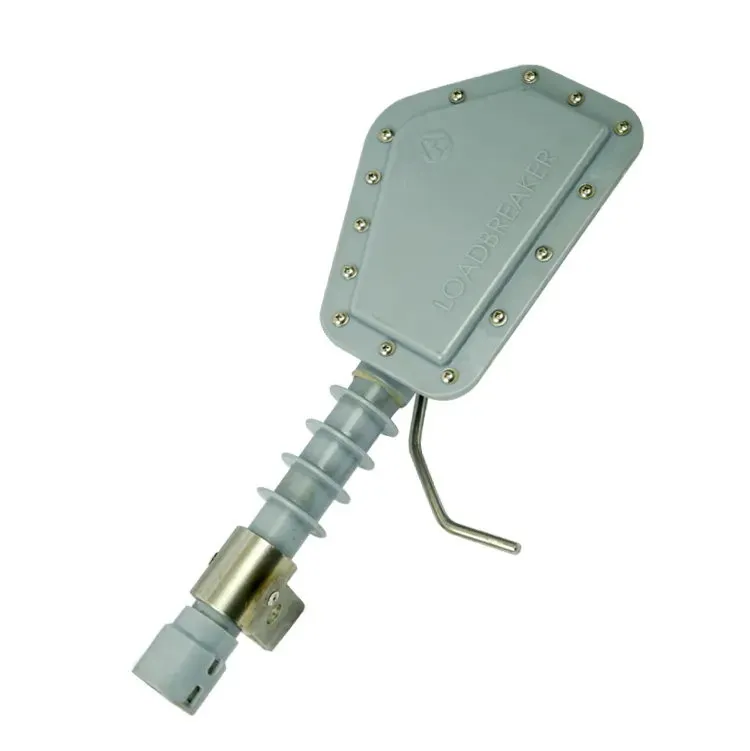


A vcb panel quotation becomes comparable only when the buyer treats the request as an assembly specification, not as a breaker part number with an enclosure note. The RFQ should state enclosure and site inputs, define the main-circuit and VCB module boundary, list interlocks and auxiliaries, require a document register with compliance and deviation rows, and fix how quotations will be compared before issue.
Across utility, EPC, and industrial projects, “VCB panel” can mean a metal-enclosed cubicle, a column-mounted outdoor assembly, or a switchgear line-up section with shared bus and auxiliaries. The practical control is a written scope boundary and a response schedule that names the offered configuration, not a catalogue photograph.

What should a VCB panel RFQ define as the assembly scope?
A panel RFQ begins with the function the project must document: a protected medium-voltage switching position within a defined enclosure, with stated interfaces to bus, control, and upstream/downstream equipment. Start from the published vacuum circuit breaker product family only as product-line context; the RFQ itself must carry assembly-level inputs. For a related technical topic, see 11kV Vacuum Circuit Breaker Selection: System Inputs Beyond Voltage Class.
This article controls specification and procurement evidence. It does not repeat the operating-principle overview in what is a vacuum circuit breaker or the wider buyer guide in the technical guide to vacuum circuit breakers. It also does not teach installation or field troubleshooting.
Which enclosure and site conditions belong in the RFQ?
Record whether the assembly is indoor metal-enclosed, outdoor column-mounted, containerized, or another named arrangement. Include the installation location class, altitude, temperature and humidity limits, corrosion or pollution exposure, seismic or wind constraints where applicable, and required ingress protection as defined by the owner or basis of design.
Avoid copying environmental values from a marketing brochure. The supplier should respond against the buyer’s stated limits and flag missing inputs rather than silently assuming indoor switchgear conditions for an outdoor application.
Where does the VCB module end and the panel scope begin?
The RFQ must show where the VCB module ends and where bus, cable terminations, instrument transformers, surge arresters, or earthing switches begin. Without that boundary, two suppliers can quote different inclusion scopes while using the same breaker name.
| Interface item | Buyer should define | Supplier should return |
|---|---|---|
| Main bus and terminations | Voltage class reference, arrangement, and connection type | Offered bus rating basis and included terminations |
| VCB module | Required switching functions and operating mechanism type | Exact offered breaker module and stated limitations |
| CT/VT provisions | Required locations, ratios, and accuracy class references | Included or excluded provisions with drawing reference |
| Upstream/downstream limit | Single-line diagram reference and owner boundary | Exceptions tied to the same diagram revision |
Important: IEC publishes scopes for metal-enclosed switchgear in IEC 62271-200 and for circuit-breakers in IEC 62271-100. Those publications guide vocabulary; they do not certify that an unnamed panel configuration meets a project requirement.
Which controls and interlocks must be named?
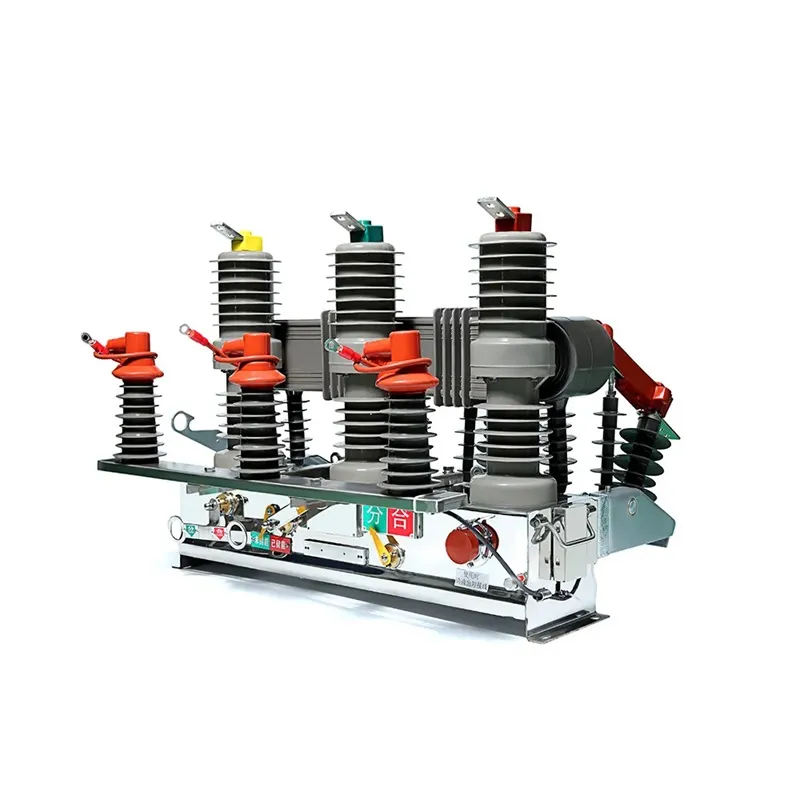
Interlocks, auxiliary switches, trip coils, close coils, motor operators, local/remote control selectors, and relay interfaces should be listed as named functions with voltage levels and quantity expectations. A panel quotation that omits these rows often hides scope that the buyer assumed was included.
| Control element | Buyer input | Supplier response |
|---|---|---|
| Closing and tripping circuits | Control voltage, duty, and interlock logic reference | Wiring diagram sheet and coil ratings as offered |
| Auxiliary contacts | Required contact functions and quantities | Contact list tied to the offered configuration |
| Interlocks | Named mechanical/electrical interlock requirements | Stated provided interlocks and exclusions |
| SCADA/relay interface | Protocol or hardwired I/O expectation | Terminal schedule or exception note |
Which drawings and test records make offers comparable?
At quotation stage, request a named offered configuration, outline and general-arrangement drawings, single-line diagram reference, wiring diagrams, bill of materials for the quoted scope, document register, compliance/deviations schedule, and any routine or type test reports the buyer’s specification names for the exact offered SKU.
The document set must identify the same configuration across every attachment. A breaker data sheet that does not match the cubicle outline drawing is an open item, not a silent substitute.
| Review point | Question | Acceptable record |
|---|---|---|
| Configuration match | Do all documents identify the same offer? | SKU and revision across the package |
| Scope | Are auxiliaries and bus items included or excluded? | Compliance row with drawing reference |
| Evidence | Are test reports tied to the offered configuration? | Named report and applicable scope note |
| Exception | Has a deviation been made explicit? | Deviation row and buyer disposition |
How should buyers compare panel quotations?
Before issue, fix the currency, validity period, incoterms or delivery basis, required response format, and the rule for comparing optional items. Require each bidder to complete the same compliance/deviations table against the buyer’s controlled specification revision.
A catalogue breaker rating or a generic switchgear brochure does not replace project approval documents. Treat any uncited performance value as an open engineering item until the exact offered configuration and supporting documents are reviewed.
Fit boundary
This checklist suits buyers preparing a controlled panel RFQ for medium-voltage projects. It is not a default recommendation for undefined enclosure scope, missing interface drawings, or requests that expect a complete engineered switchboard without assembly-level inputs and named evidence.
Which product documents should accompany a panel inquiry?
Once the RFQ inputs and response schedule are ready, the Column Vacuum Circuit Breaker page can anchor a supplier conversation around a named FUERTE product context. Ask the supplier to confirm the exact offered configuration, current drawings, included auxiliaries, and documents relevant to the panel scope you defined.
Send the controlled specification and comparison table through contact FUERTE when the document register and boundary rows are complete.
FAQ

What belongs in a VCB panel specification?
State enclosure and site inputs, the main-circuit boundary, interlocks and auxiliaries, required drawings, test evidence, and the comparison rules bidders must follow.
Which enclosure details should an RFQ state?
Include indoor/outdoor arrangement, location class, environmental limits, ingress protection as defined by the owner, and any corrosion or pollution exposure relevant to the site.
Why must interlocks and auxiliaries be listed separately?
They change wiring, testing, and scope. Listing them as named functions prevents silent exclusions in otherwise similar breaker quotations.
What documents should accompany a panel quotation?
Request outline drawings, wiring diagrams, a document register, compliance/deviations schedule, and any test reports named in the buyer specification for the exact offered configuration.
How should buyers define equipment boundaries?
Use the controlling single-line diagram and an interface table that shows what the panel includes versus what remains with upstream or downstream equipment.
Can catalogue ratings replace project documents?
No. Catalogue values are marketing or family-level context until the exact offered configuration and supporting documents are reviewed against the project requirement.
What control interfaces belong in the RFQ?
Name control voltages, trip and close circuits, auxiliary contacts, interlocks, motor operators, and any SCADA or relay interface the operating philosophy requires.
When should the supplier be contacted?
After the RFQ inputs, boundary table, and document register are assembled—not before the assembly scope is defined.
Why is a breaker report not a panel qualification?
The buyer should separate the VCB panel assembly from the breaker module. IEC 62271-200:2021 covers prefabricated metal-enclosed switchgear above 1 kV up to and including 52 kV, while IEC 62271-100:2021+AMD1:2024 covers three-phase AC circuit-breakers above 1 kV. These scopes are not interchangeable evidence. Write the boundary into the RFQ: busbar, cable compartments, CT/VT provisions, earthing switch, interlocks, relay interfaces, control supply, enclosure and internal-arc requirements. A medium-voltage switchgear quotation is auditable when each bidder returns the same drawing revision and deviation schedule; a vacuum circuit breaker report alone does not qualify the complete cubicle.
Does a VCB rating qualify the complete panel?
No. The assembly, bus, enclosure, interfaces and declared service conditions need their own applicable evidence.
Summary
The buyer should separate the VCB panel assembly from the breaker module. Confirm the project inputs, match the exact product evidence and record unresolved assumptions before purchase.
References
- IEC 62271-200: High-voltage switchgear and controlgear—Part 200: AC metal-enclosed switchgear and controlgear for rated voltages above 1 kV and up to and including 52 kV
- IEC 62271-100: High-voltage switchgear and controlgear—Part 100: Alternating-current circuit-breakers
- IEEE C37.20.2: IEEE Standard for Metal-Clad Switchgear
- IEC 62271-200:2021
- IEC 62271-100:2021+AMD1:2024