
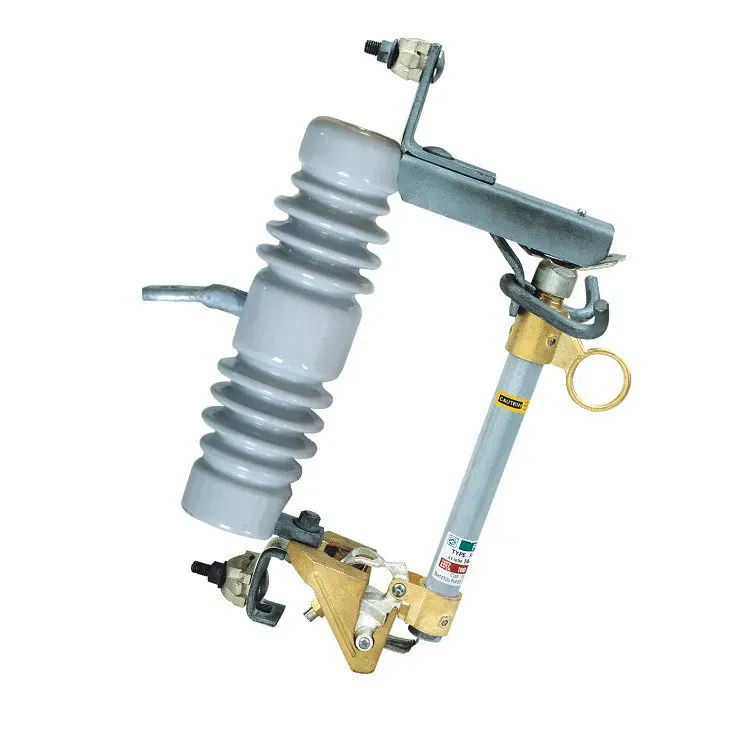
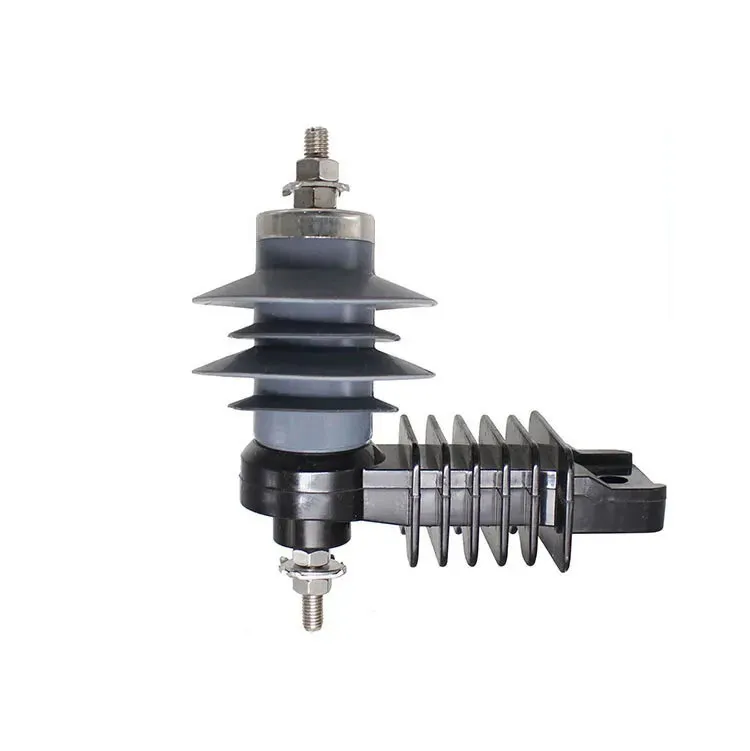
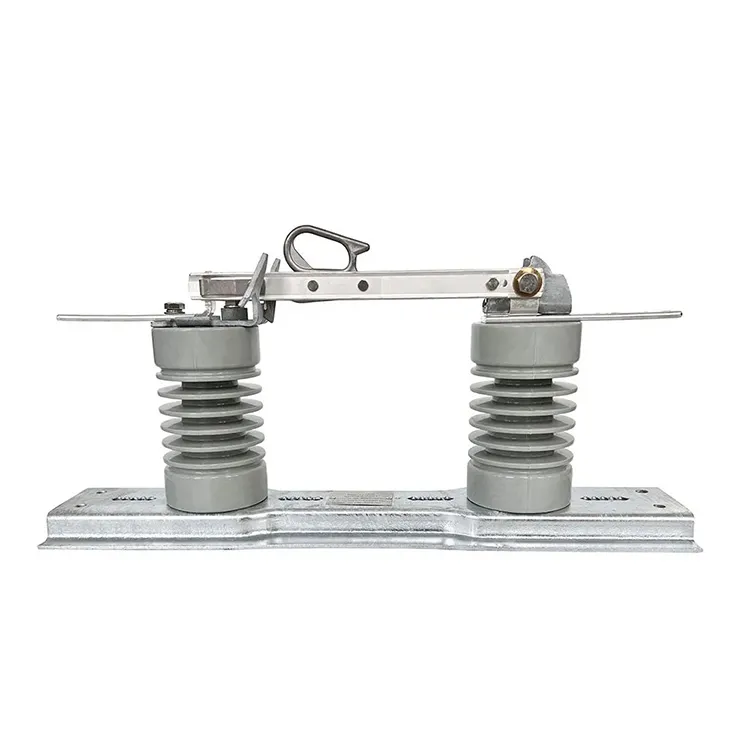
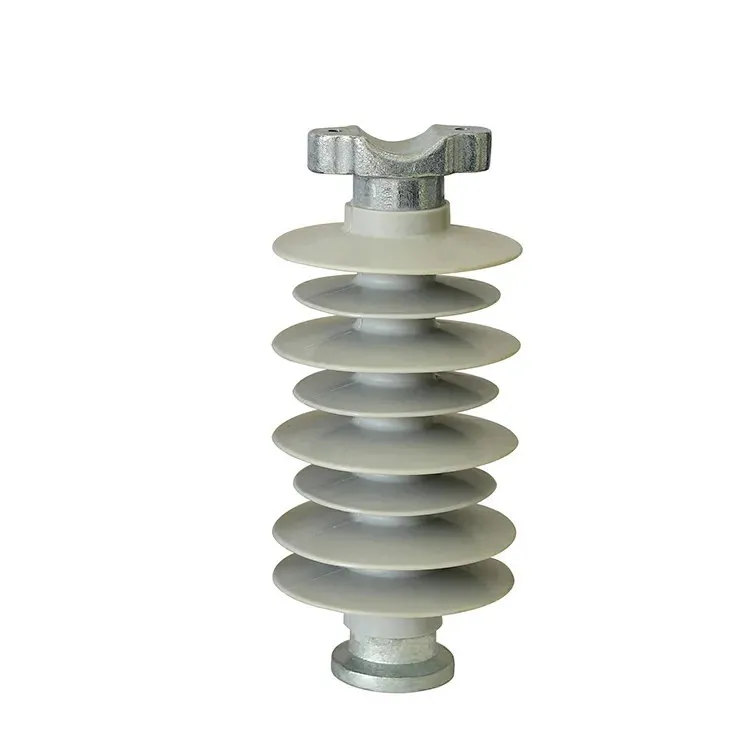
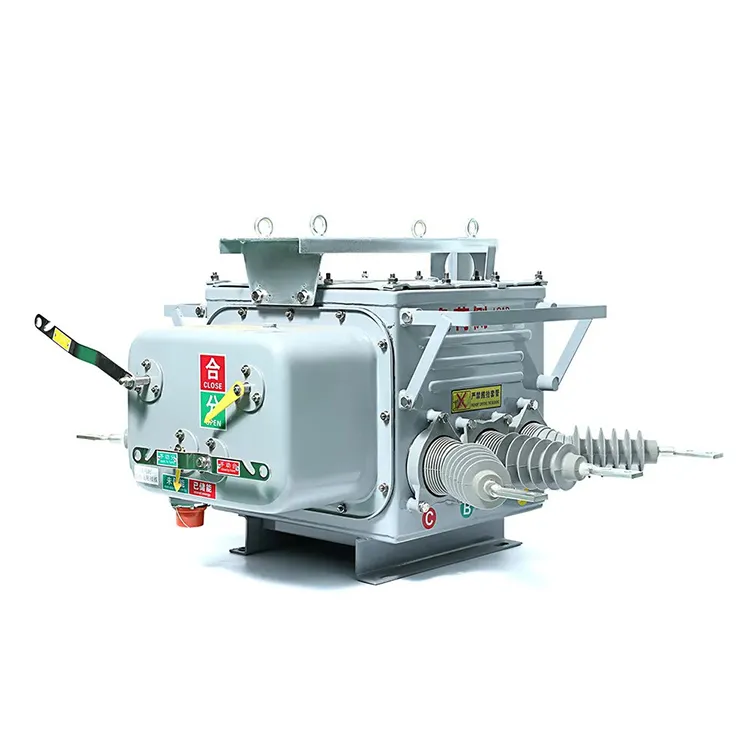
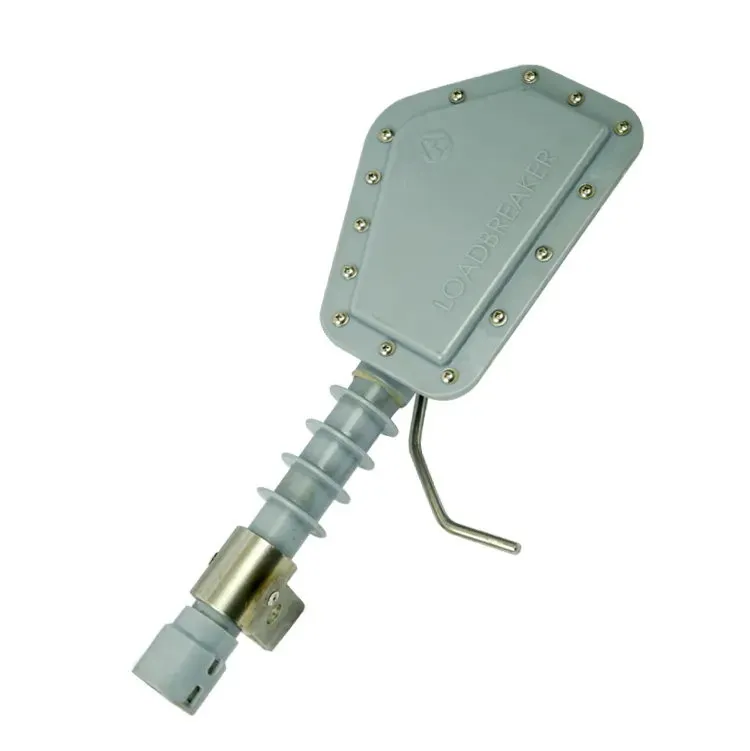


Catalogs make it look simple: search for an 11kV lightning arrester, match the number on the feeder single-line diagram, done. Real selection runs in the opposite direction. The voltage label is only the entry point; the decisions that make an arrester purchase defensible come from system inputs — the network’s actual operating voltage, its earthing arrangement, the continuous-voltage requirement from the owner’s study, discharge-duty questions, and the physical installation position with its earth path. For a related technical topic, see 33kV Lightning Arrester Selection: What to Confirm Beyond Voltage.
This guide walks through those inputs for 11 kV distribution applications and ends with the evidence an RFQ should carry. It quotes model parameters only as published on the cited product page, and it does not replace the owner’s insulation-coordination study, earthing design, or installation approval.
What the 11 kV label does and does not tell you?
Two different quantities hide behind one number. On the network side, 11 kV names a system voltage class used across many distribution grids. On the device side, an arrester carries its own rated voltage and a maximum continuous operating voltage, which are equipment ratings defined by the product standard. Background such as the Wikipedia surge arrester overview explains why these ratings exist, and the two sides connect through engineering review rather than through matching digits.
The label therefore starts the conversation without finishing it. Whether a given arrester family suits a given 11 kV network depends on how that network holds voltage during earth faults, what temporary overvoltages the owner’s study expects, and where the unit will physically sit — none of which appears in the product name.
Family-level orientation helps at this stage. The FUERTE lightning arrester range shows the distribution families this article uses as product context for the 11 kV class.
How should buyers system voltage and earthing: the first two inputs?
Selection review begins with the network, and the first fact to record is the actual system voltage at the installation point, confirmed by the owner rather than assumed from the nominal class. Some 11 kV-class networks operate with margins or local variations that the review must know about.
Earthing comes immediately after, because it decides how hard the arrester works between surges. During an earth fault, the voltage on the healthy phases depends on how the system neutral is treated — solidly earthed, impedance earthed, or isolated — and the arrester connected phase-to-earth must ride through that condition. The same system data also shapes the temporary-overvoltage review that sits alongside the continuous rating.
| System input | Why the review needs it | Who provides it |
|---|---|---|
| Actual system voltage at the point of installation | Sets the continuous phase-to-earth stress on the arrester | Network owner |
| Earthing arrangement of the network | Determines healthy-phase voltage behavior during earth faults | Network owner or design consultant |
| Temporary-overvoltage conditions and durations | Stress events the rating review must cover | Owner’s system study, where available |
| Expected fault-clearing practice | Influences how long abnormal voltage persists | Protection philosophy documents |
A useful discipline: record each value with its source and revision. A quotation built on labeled, owner-confirmed inputs is comparable across suppliers; one built on assumptions is not.
How should buyers from system data to rated voltage and continuous-voltage duty?
Because a gapless metal-oxide column is energized continuously, its continuous-voltage capability is the pivot of the whole review. The owner’s study converts system voltage, earthing behavior, and temporary-overvoltage expectations into a continuous-operating-voltage requirement, and candidate SKUs are then checked against that requirement using their published data.
Published family values give the review something concrete to check. As one example in this class, the Y510W-11 surge arrester product page lists a rated voltage of 11 kV and a maximum continuous operating voltage of 9.4 kV for the family. Those figures are the page’s published data, quoted here as review inputs only — whether they satisfy a specific network’s requirement is exactly what the owner’s engineering confirms.
Resist the shortcut of deriving the requirement inside a blog page or a spreadsheet copied from another project. This guide deliberately presents the logic without numeric selection rules, because the correct values are project facts, and the standards context for the ratings themselves sits in IEC 60099-4.
How should buyers energy, discharge current, and coordination questions?
Voltage ratings answer the steady-state question; duty questions answer what happens when surges actually arrive. For distribution arresters, the review asks how much surge energy the location can deliver, how often events are expected, and what nominal discharge current class the specification requests — the Y510W-11 page, for example, lists 5 kA and 10 kA options for the family.
Exposure drives those answers. Line length, shielding, keraunic conditions, nearby equipment, and the position of other protective devices all change the duty picture, which is why energy and class decisions belong to the engineering review rather than to catalog reading.
Coordination completes the duty view. An arrester works as part of the insulation-coordination scheme — its protective level is compared against equipment withstand with margin, and its position relative to protected equipment matters. Where the protected asset is a distribution transformer, the dedicated guide on metal-oxide surge arrester selection for distribution transformers owns that workflow; this page stops at the system-input level.
How should buyers installation position and the earth path?
Position turns an electrical review into a physical one. Common 11 kV installation points include transformer terminals, line structures at exposed sections, and cable terminations where overhead lines meet underground runs; the owner’s drawings define which point a given purchase serves. Each position brings its own clearances, brackets, lead lengths, and access questions.
The earth side deserves equal attention. A short, direct earth lead, a defined connection to the earthing system, and a documented earth path are standing expectations in arrester installation reviews, and the drawing set should show them rather than leave them to site improvisation.
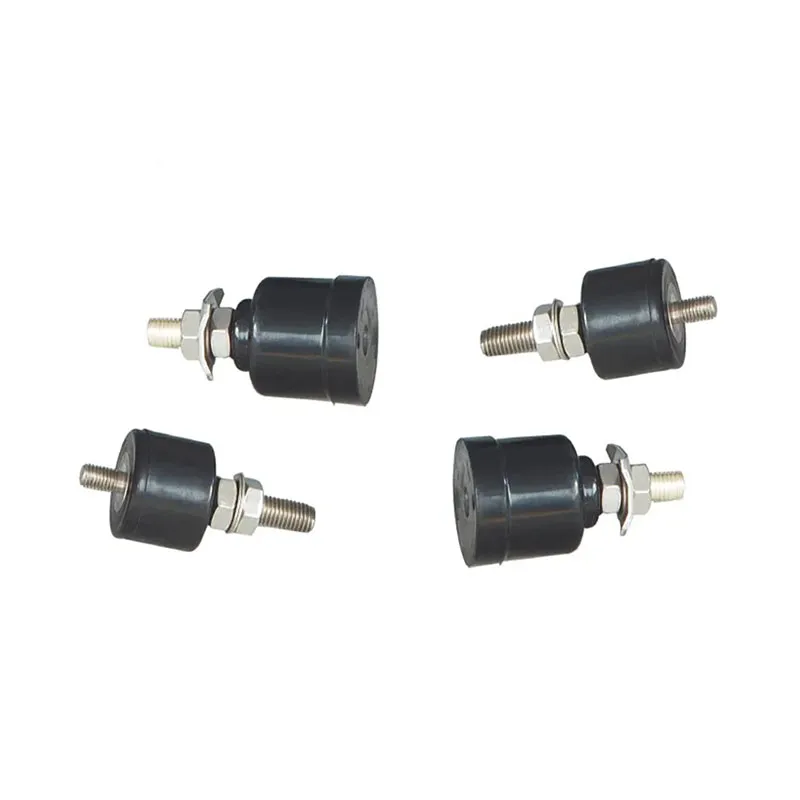
Accessory hardware lives on this same path. Disconnectors that separate a failed unit from earth, along with discharge counters and leakage indicators where the owner’s maintenance philosophy requests them, are fitted in the earth-lead route, so the RFQ should state whether such accessories are in scope and who supplies them.
How should buyers accessories, documentation, and the RFQ package?
A complete 11 kV arrester RFQ reads like a small project file, not a one-line request. Industry-media coverage of overhead distribution systems shows how much of distribution-hardware buying is really documentation and program discipline, and arresters follow the same pattern.
| RFQ element | What to state | Evidence attached |
|---|---|---|
| System identification | Voltage, earthing arrangement, installation point | Owner-confirmed system data and drawing references |
| Requested ratings | Rated voltage, continuous-voltage requirement, discharge current class | Study extract or owner specification |
| Physical scope | Mounting, brackets, lead arrangement, clearances | Layout or structure drawing |
| Accessories | Disconnectors, counters, indicators, bird guards, clamps | Maintenance philosophy notes |
| Quantities and delivery | Batch sizes, schedule, packing expectations | Program plan |
| Documentation requests | Drawings, type-test summaries, routine-test records, manuals | Procurement specification list |
Supplier-side evaluation criteria — production capability, quality processes, and export documentation — are covered in the broader article on lightning surge arresters for power grids, which complements this input-focused page.
One controlled package, sent identically to each candidate supplier, keeps the offers comparable and makes exclusions visible early.
How should buyers product context for the 11 kV class?
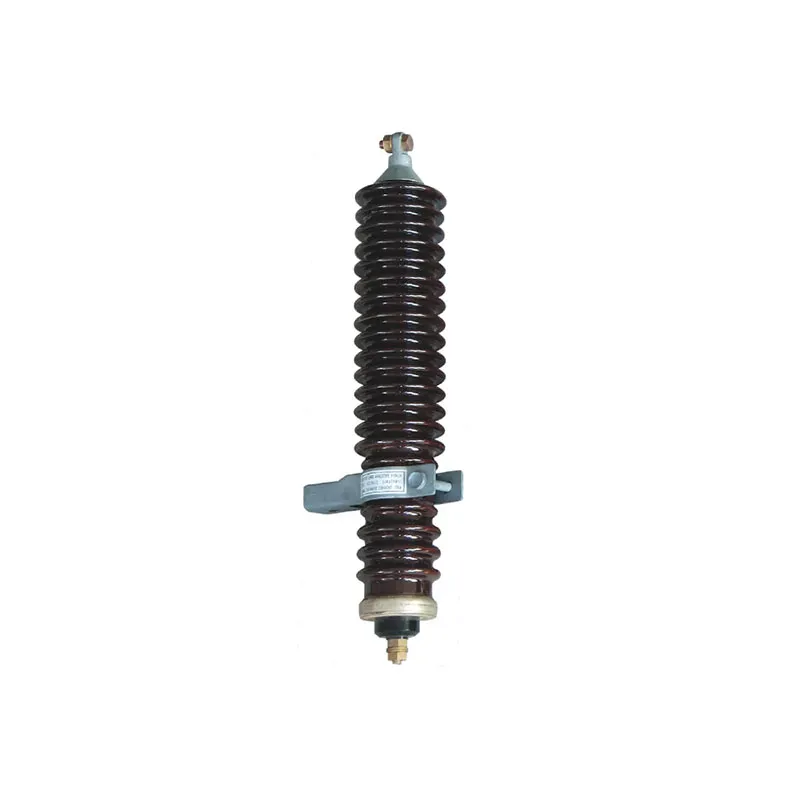
For the 11 kV class specifically, the Y510W-11 surge arrester product page lists the family as a distribution-type, gapless zinc oxide design in a polymer housing, with a rated voltage of 11 kV, a maximum continuous operating voltage of 9.4 kV, nominal discharge current options of 5 kA and 10 kA, and IEC 60099-4:2014 named as the referenced standard.
Read that as bounded product context, not as a universal recommendation. The page’s family data does not establish fit for a particular feeder, earthing arrangement, or duty, and this article claims no test results, certifications, lifetime figures, or protection outcomes for any SKU; the exact SKU documentation requested in the RFQ completes the review.
When the input set from Parts 2 through 6 is assembled, send it through the FUERTE contact route. A supplier answering a complete package can state its assumptions, propose the matching family options, and list what still needs owner confirmation — which is the response an evidence-led purchase needs.
A useful 2026 review adds one evidence checkpoint that many legacy articles omit: the standard edition and the voltage terminology must be recorded together. IEC 60099-4 is the relevant reference for metal-oxide arresters on AC circuits above 1 kV, while MCOV, rated voltage, temporary overvoltage exposure, residual voltage and energy duty answer different questions. A catalogue number therefore cannot replace the owner’s insulation-coordination basis. Record the source document, revision date and the system earthing assumption beside every value in the RFQ.
The same discipline applies to physical installation. Lead length, earth routing, equipment separation and the actual protected terminal can change the engineering review even when two offers carry the same nominal voltage label. Current search results repeatedly surface MCOV, TOV, residual-voltage and energy questions, but those are prompts for verification, not universal setpoints. Buyers should ask suppliers to identify the test report, declared standard edition, drawing revision and unresolved project input rather than turning a general guide into a guaranteed protection claim.
FAQ
What does the 11kV rating on a lightning arrester refer to?
The product name refers to the arrester’s rated voltage, an equipment rating defined by the product standard. It is related to, but not the same thing as, the network’s 11 kV system voltage class, and the two are connected through the owner’s engineering review.
How does the earthing arrangement change an 11 kV arrester review?
Earthing determines how the healthy phases behave during earth faults, which sets the voltage the arrester must hold continuously and temporarily. The same nominal system voltage can therefore lead to different requirements on different networks.
What is MCOV and who confirms the requirement?
Maximum continuous operating voltage is the voltage the arrester can hold continuously, published per SKU — the Y510W-11 page lists 9.4 kV for that family. The requirement it must satisfy comes from the owner’s study of system voltage, earthing, and temporary overvoltages.
Which nominal discharge current applies to 11 kV distribution arresters?
Distribution specifications commonly request the class from the exposure and duty review; the Y510W-11 family page lists 5 kA and 10 kA options. The engineering review, not the catalog, decides which class a project specifies.
Where is an 11 kV lightning arrester installed?
Typical points include transformer terminals, exposed line structures, and cable terminations, always defined by the owner’s drawings. Each position brings its own mounting, lead-routing, and earth-path requirements.
What should an 11 kV arrester RFQ include?
State the system voltage and earthing arrangement, requested ratings, installation position, accessory scope, quantities, and documentation requirements in one controlled package, with each input labeled by source and revision.
Does this guide select an arrester for a specific transformer?
No. Transformer-terminal selection has its own published guide, and this page provides the system-input logic for the 11 kV class in general.
What should a 2026 surge-arrester RFQ record first?
Start with the protected interface, system voltage and earthing arrangement, continuous-voltage requirement, temporary-overvoltage exposure, installation drawing and requested standard edition. Ask the supplier to identify each source document and every unresolved project input. A nominal voltage label alone cannot establish the correct device or a protection outcome.
Does MCOV by itself select a metal-oxide arrester?
No. MCOV describes the maximum continuous power-frequency operating voltage in the relevant terminology, but selection also depends on system earthing, temporary overvoltage, insulation coordination, discharge duty, residual-voltage evidence and installation geometry. The owner or EPC study should control the final values; the article provides a review path rather than a universal rating table.
Why should lead routing appear in the arrester review?
The arrester protects at its connection point, so the conductor and earth paths form part of the physical protection arrangement. Length, bends, separation and routing can change the voltage seen at the protected terminal. Record the proposed layout and ask for a drawing-based review instead of assuming that two devices with the same catalogue voltage have identical installed behavior.
References
- IEC 60099-4, Metal-oxide surge arresters for AC power circuits above 1 kVOfficial IEC scope and test-standard reference; accessed 2026-10-08.
- NEMA surge arrester standardsStandards-navigation reference for arrester terminology and application; accessed 2026-10-08.
- PSCAD metal-oxide surge arrester referenceDefines MCOV in modelling context; project values remain to be confirmed.
- Surge arrester selection: MCOV, voltage and energyCurrent SERP topic signal for buyer questions; numeric claims require project evidence.