
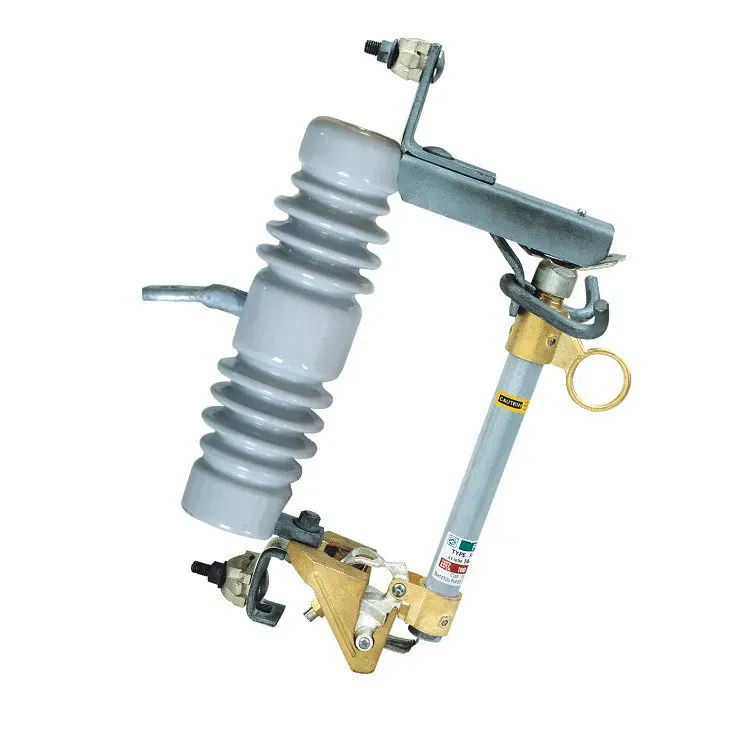
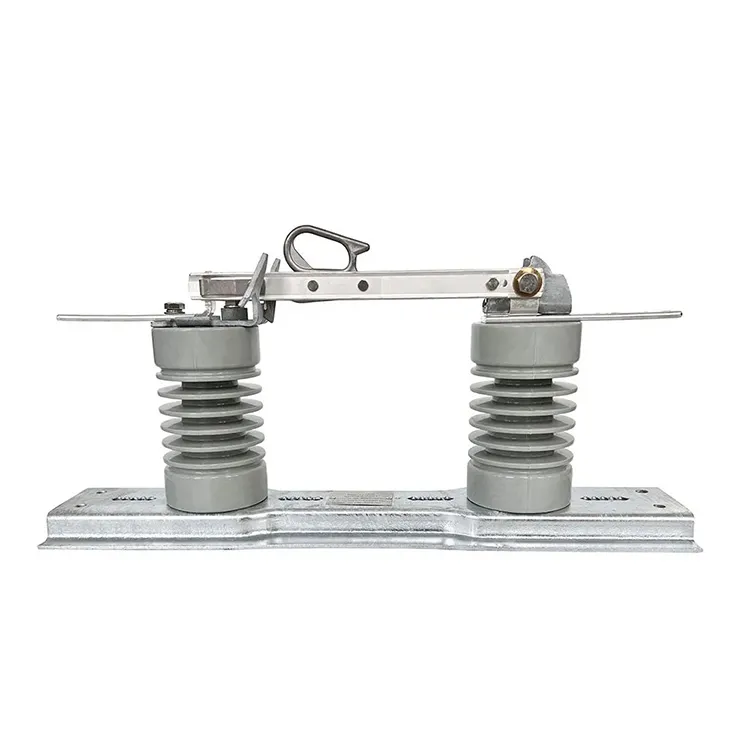
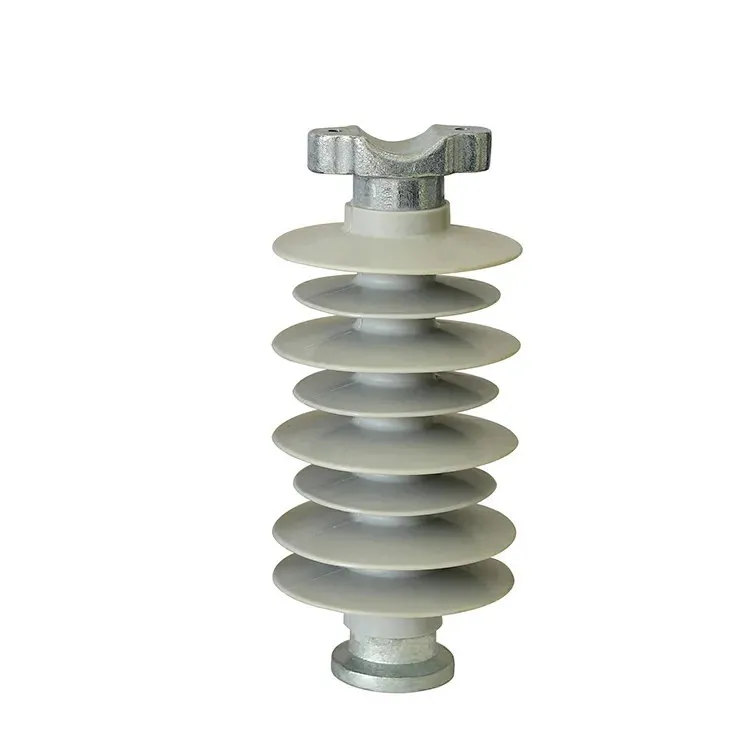
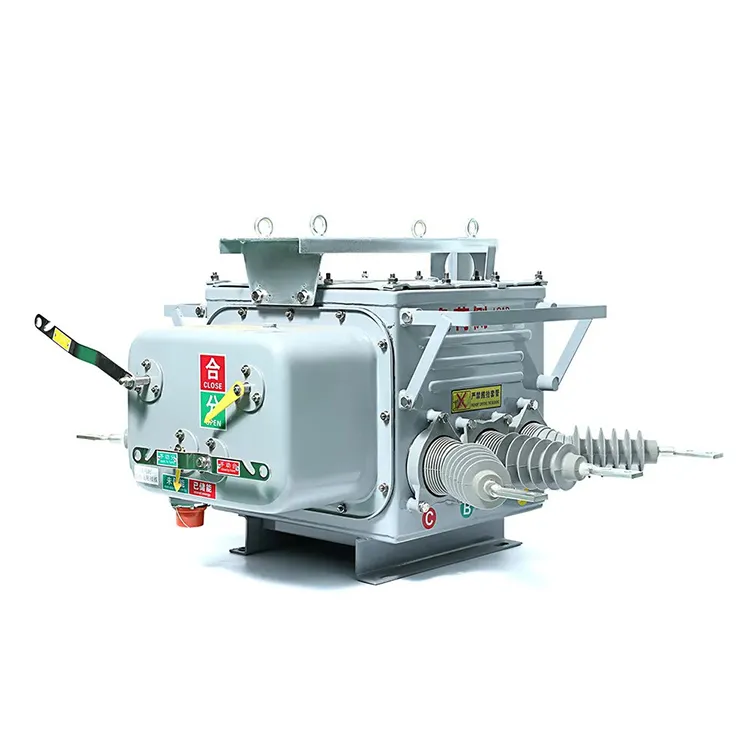
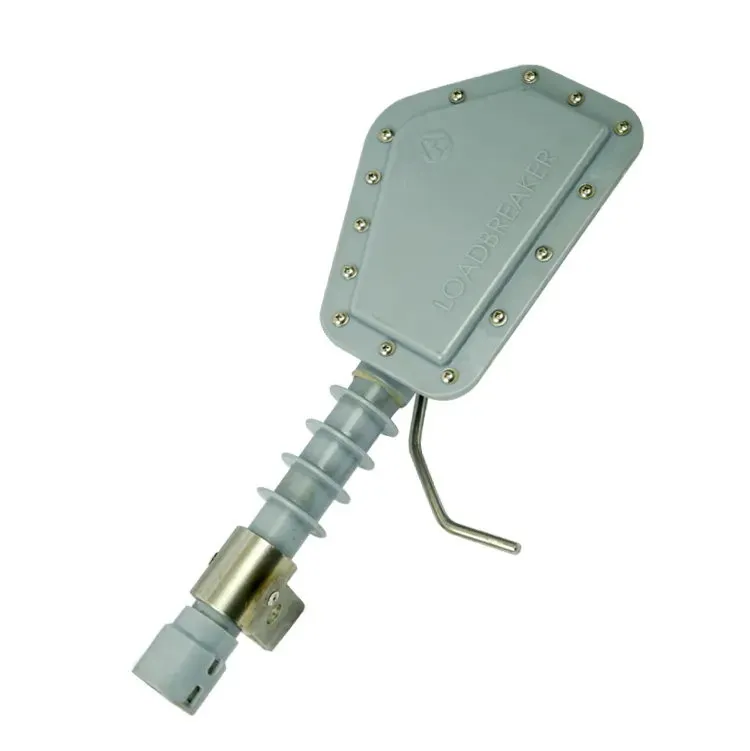


Before zinc oxide varistors existed, overhead lines were protected by air itself. A horn gap arrester stretched an arc between two diverging horns until it broke; a rod gap simply let the surge jump a set distance between two electrodes. Both designs still turn up on legacy structures, in old tender documents, and in audit photographs, so buyers reviewing medium-voltage hardware need to know what they are looking at and what to specify instead.
This explainer covers how each open-gap device works, where the two designs were used, the limits that retired them from mainstream feeder protection, and how to frame a modern metal-oxide inquiry. FUERTE does not supply horn gap or rod gap devices; the product links in this article are modern gapless alternatives shown for context only.
Where open-gap lightning protection came from?
Early telegraph and power systems needed a way to give lightning a path to ground that did not pass through equipment windings. The simplest answer was an air gap connected between the line and earth, sized so that normal operating voltage could not jump it but a lightning overvoltage could. Background references such as the Wikipedia lightning arrester overview describe these spark-gap devices as the starting point of the arrester family.
Two shapes dominated that first generation. The rod gap kept the electrodes plain and parallel, while the horn gap curved them into diverging horns that gave the arc somewhere to go after sparkover. Everything that followed in arrester engineering, from gapped silicon carbide units to today’s gapless metal-oxide designs, was an attempt to fix what open gaps could not do.
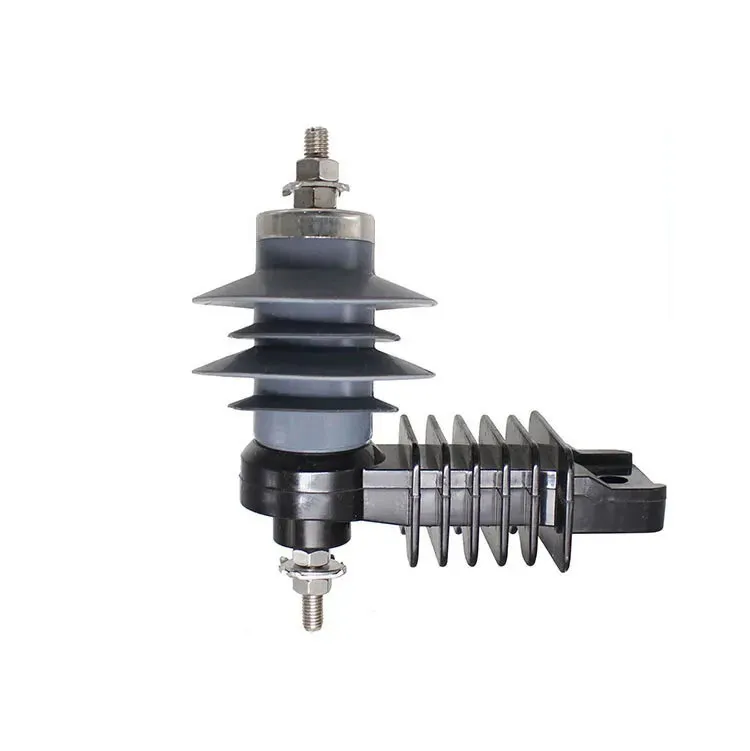
For orientation on the modern end of that timeline, the FUERTE lightning arrester range shows the gapless medium-voltage families this article uses as contrast context.
How a rod gap arrester works?
A rod gap arrester is close to the minimum possible protective device: two metal rods, one connected to the line conductor and one to earth, separated by a tuned air distance. When an overvoltage raises the line potential far enough, the air between the rods breaks down and the surge discharges to ground across the arc.
Almost all of the design effort went into one number: the gap distance. Too small a gap risks sparkover on normal switching events; too large a gap lets damaging overvoltages pass untouched. Field practice therefore treated rod gaps as coarse, last-resort backup protection rather than precise equipment protection.
Clearing the arc is the hard part. The rods do nothing to extinguish the power-frequency current that follows the surge across the ionized path, so the fault usually persists until an upstream protective device disconnects the circuit. In effect, a rod gap converts an overvoltage event into a supervised outage.
How a horn gap arrester works?
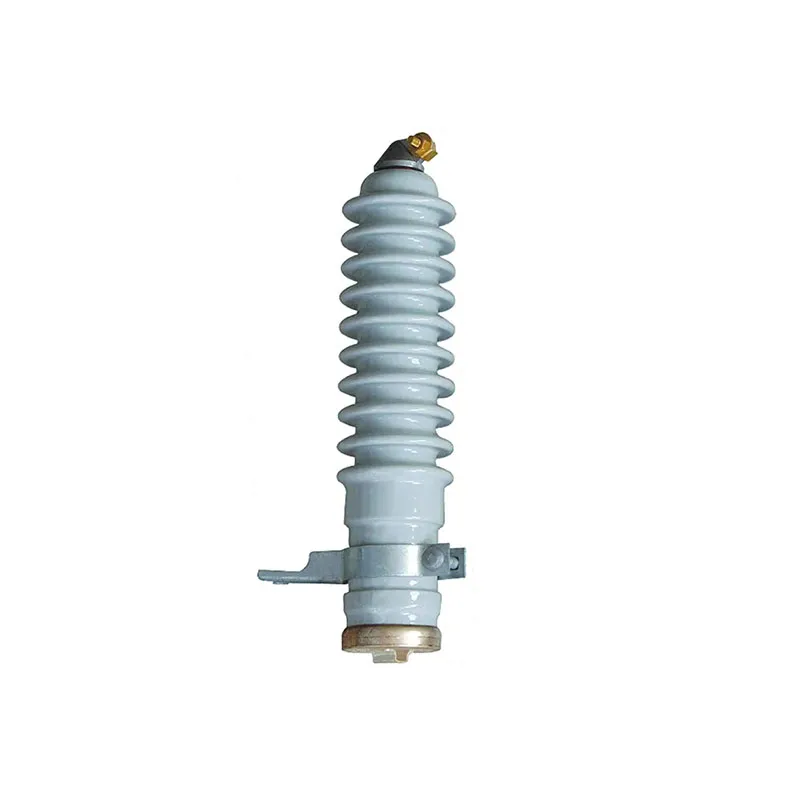
The horn gap keeps the same sparkover idea but reshapes the electrodes into two horns that diverge upward, narrowest at the bottom and widest at the top. Sparkover happens at the narrow bottom section, where the gap distance is set for the protected circuit.
What happens next is the design’s contribution. Heated by its own current, the arc rises along the horns, and the widening separation stretches it longer and longer; the combination of rising heat and electromagnetic forces pushes the arc upward until it becomes unstable and breaks. Under favorable conditions, a horn gap can therefore clear its own arc instead of waiting for an upstream trip.
Weather and duty set the limits of that self-clearing action. Wind, rain, contamination, electrode wear, and the magnitude of the follow current all influence whether the arc actually extinguishes, so horn gaps behaved less predictably than enclosed protective devices and needed periodic inspection of the horn surfaces and the gap setting.
How should buyers horn gap vs rod gap: structure and duty compared?
Seen side by side, the two devices answer the same question with different levels of ambition. The rod gap only provides a sparkover path, while the horn gap also attempts arc extinction.
| Aspect | Rod gap arrester | Horn gap arrester |
|---|---|---|
| Electrode shape | Two plain rods facing each other | Two diverging horn-shaped electrodes |
| Sparkover location | Fixed gap between rod tips | Narrow bottom section of the horns |
| Arc handling | No extinction feature; arc persists | Arc rises and stretches along the horns toward self-extinction |
| Typical historical role | Coarse backup gap on structures and bushings | Line and station protection before enclosed arresters matured |
| Sensitivity to weather | Sparkover distance affected by conditions | Sparkover and arc travel both affected by conditions |
| Maintenance focus | Gap distance and electrode condition | Horn alignment, surface wear, and gap setting |
Neither device limits voltage after sparkover, and neither reseals against the system voltage the way a modern arrester block does. The comparison matters mainly for identification: audit teams that can tell a purposeful horn gap from a leftover rod gap can record legacy hardware correctly and plan renewals with the right expectations.
Where gap devices still appear today?
Open gaps did not vanish; they moved to the edges of the network. Renewal surveys and brownfield projects still meet them in several forms, and each appearance deserves a note rather than an automatic removal order, because some gaps are deliberate parts of the owner’s insulation-coordination scheme.
| Residual appearance | What it usually is | Review prompt |
|---|---|---|
| Arcing horns on insulator strings | Deliberate backup gap directing flashover away from insulator surfaces | Confirm the owner’s coordination intent before changing anything |
| Rod gaps near bushings on legacy equipment | Coarse backup protection from the original installation era | Record the setting and ask the owner for the design basis |
| Gap hardware on old rural feeders | Original-era protection never upgraded | Flag for engineering review of a modern arrester retrofit |
| Training and testing yards | Demonstration hardware kept intentionally | No purchasing action; educational use |
Safety framing belongs in the record as well. General occupational references such as the OSHA electrical safety topic page illustrate why line-hardware audits treat exposed arc paths and earth connections as inspection items; project-specific rules always come from the owner and the applicable local requirements.
How should buyers the limits that ended open-gap protection for MV feeders?
Sparkover-only protection carries three built-in problems. First, an open gap does nothing to limit the voltage that reaches equipment before the gap fires, and its sparkover level drifts with weather, altitude, and electrode condition. Second, once fired, the gap gives the system a bolted path to earth, so every operation risks becoming a power-frequency fault that protection must clear. Third, there is no reseal: the device cannot return to standby while energized the way a varistor column can.
Enclosed arresters answered those weaknesses in stages, and the industry timeline in the Wikipedia surge arrester overview runs from gapped silicon carbide units to today’s gapless zinc oxide designs. A gapless metal-oxide arrester conducts progressively as voltage rises, limits the overvoltage across the protected equipment, and returns to a high-resistance state on its own after the surge passes. For a related technical topic, see Metal-Oxide vs Silicon Carbide Lightning Arresters: A Technical Comparison.
Standards context follows the same direction. Modern distribution arresters are specified against the metal-oxide standard IEC 60099-4, which is also the standard named on current FUERTE product pages, so renewal projects that replace gap hardware generally specify gapless metal-oxide units rather than new gap devices.
How should buyers modern metal-oxide alternatives and inquiry context?
To be direct about scope: FUERTE does not supply horn gap or rod gap devices. This site’s arrester catalog is gapless metal-oxide distribution equipment, so a legacy-gap renewal conversation here is a conversation about modern replacements, not about sourcing new gap hardware.
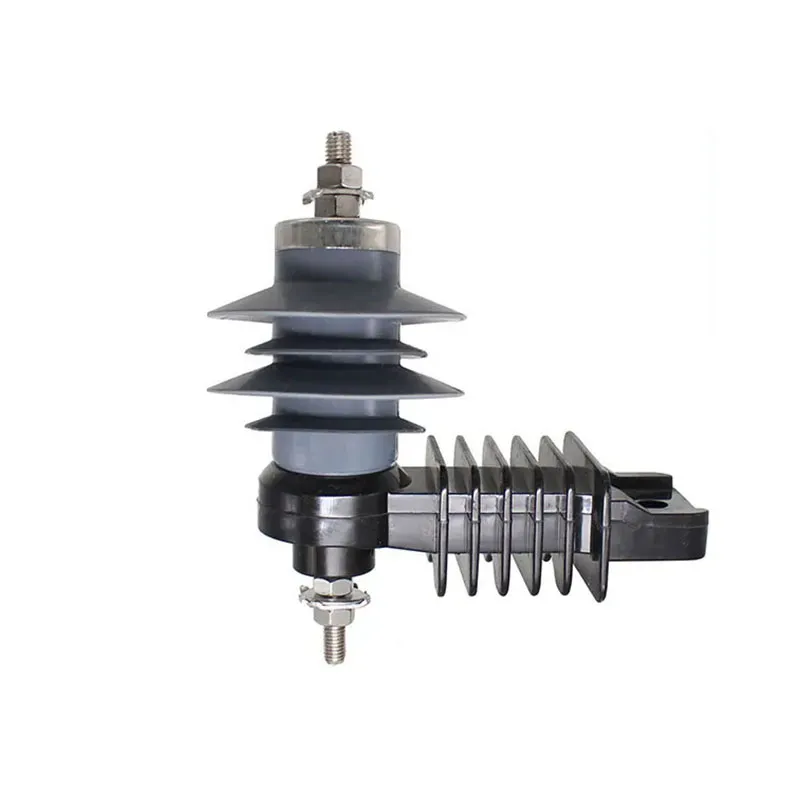
As product context for the lower medium-voltage range, the YH5W-6 / YH10W-6 surge arrester product page lists a rated voltage of 6 kV, a maximum continuous operating voltage of 5.1 kV, nominal discharge current options of 5 kA and 10 kA, gapless zinc oxide construction in a polymer housing, and IEC 60099-4:2014 as the referenced standard. Those are the page’s published family values, quoted here as context only; they do not establish fit for any specific feeder, and this article makes no test, certification, lifetime, or protection-outcome claims. Voltage classes differ by network, so treat the family page as an entry point rather than a universal recommendation.
Naming can complicate replacement paperwork, because legacy documents may call any of these devices a lightning arrester. One reference on the difference between surge arrester and lightning arrester aligns the terminology. When the protected asset is a distribution transformer, the published guide on metal-oxide surge arrester selection for distribution transformers owns that selection workflow.
An inquiry moves fastest with the application data attached: system voltage and earthing arrangement, the legacy hardware being replaced, mounting context, requested ratings, quantities, and documentation requirements, sent through the FUERTE contact route. The supplier can then state assumptions clearly and flag what still needs owner confirmation.
A useful 2026 review adds one evidence checkpoint that many legacy articles omit: the standard edition and the voltage terminology must be recorded together. IEC 60099-4 is the relevant reference for metal-oxide arresters on AC circuits above 1 kV, while MCOV, rated voltage, temporary overvoltage exposure, residual voltage and energy duty answer different questions. A catalogue number therefore cannot replace the owner’s insulation-coordination basis. Record the source document, revision date and the system earthing assumption beside every value in the RFQ.
The same discipline applies to physical installation. Lead length, earth routing, equipment separation and the actual protected terminal can change the engineering review even when two offers carry the same nominal voltage label. Current search results repeatedly surface MCOV, TOV, residual-voltage and energy questions, but those are prompts for verification, not universal setpoints. Buyers should ask suppliers to identify the test report, declared standard edition, drawing revision and unresolved project input rather than turning a general guide into a guaranteed protection claim.
FAQ
What is a horn gap arrester?
It is an early open-gap protective device with two diverging horn-shaped electrodes connected between line and earth. A surge sparks over at the narrow bottom of the horns, and the arc then rises and stretches along the widening gap, which helps it extinguish.
How does a rod gap arrester differ from a horn gap arrester?
A rod gap is a plain sparkover gap between two electrodes with no arc-clearing feature, so its arc usually persists until an upstream device trips. A horn gap adds shaped electrodes that actively encourage the arc to lengthen and break.
Why are horn gap electrodes shaped like diverging horns?
The shape gives the arc a path to travel. Heat and electromagnetic forces drive the arc upward along the horns, the widening separation stretches it, and a sufficiently stretched arc becomes unstable and extinguishes.
Are horn gap or rod gap arresters still used today?
They survive in narrow roles: arcing horns on insulator strings, coarse backup gaps on legacy equipment, old rural feeders awaiting renewal, and training yards. New medium-voltage protection purchases are generally gapless metal-oxide arresters.
Why do modern distribution networks prefer metal-oxide arresters?
A gapless metal-oxide unit limits voltage progressively as a surge arrives, avoids the bolted earth fault that follows gap sparkover, and returns to standby on its own. Open gaps offer none of those behaviors and drift with weather and wear.
Does FUERTE supply horn gap or rod gap arresters?
No. FUERTE’s catalog covers gapless metal-oxide distribution arresters. Legacy gap hardware appears in this article only as engineering background, and the linked product pages are modern alternative context.
What should a replacement inquiry for legacy gap devices include?
State the system voltage and earthing arrangement, describe the legacy hardware and its location, and add mounting context, requested ratings, quantities, and documentation requirements. The owner’s engineering review then confirms the final selection.
What should a 2026 surge-arrester RFQ record first?
Start with the protected interface, system voltage and earthing arrangement, continuous-voltage requirement, temporary-overvoltage exposure, installation drawing and requested standard edition. Ask the supplier to identify each source document and every unresolved project input. A nominal voltage label alone cannot establish the correct device or a protection outcome.
Does MCOV by itself select a metal-oxide arrester?
No. MCOV describes the maximum continuous power-frequency operating voltage in the relevant terminology, but selection also depends on system earthing, temporary overvoltage, insulation coordination, discharge duty, residual-voltage evidence and installation geometry. The owner or EPC study should control the final values; the article provides a review path rather than a universal rating table.
Why should lead routing appear in the arrester review?
The arrester protects at its connection point, so the conductor and earth paths form part of the physical protection arrangement. Length, bends, separation and routing can change the voltage seen at the protected terminal. Record the proposed layout and ask for a drawing-based review instead of assuming that two devices with the same catalogue voltage have identical installed behavior.
References
- IEC 60099-4, Metal-oxide surge arresters for AC power circuits above 1 kVOfficial IEC scope and test-standard reference; accessed 2026-10-08.
- NEMA surge arrester standardsStandards-navigation reference for arrester terminology and application; accessed 2026-10-08.
- PSCAD metal-oxide surge arrester referenceDefines MCOV in modelling context; project values remain to be confirmed.
- Surge arrester selection: MCOV, voltage and energyCurrent SERP topic signal for buyer questions; numeric claims require project evidence.