
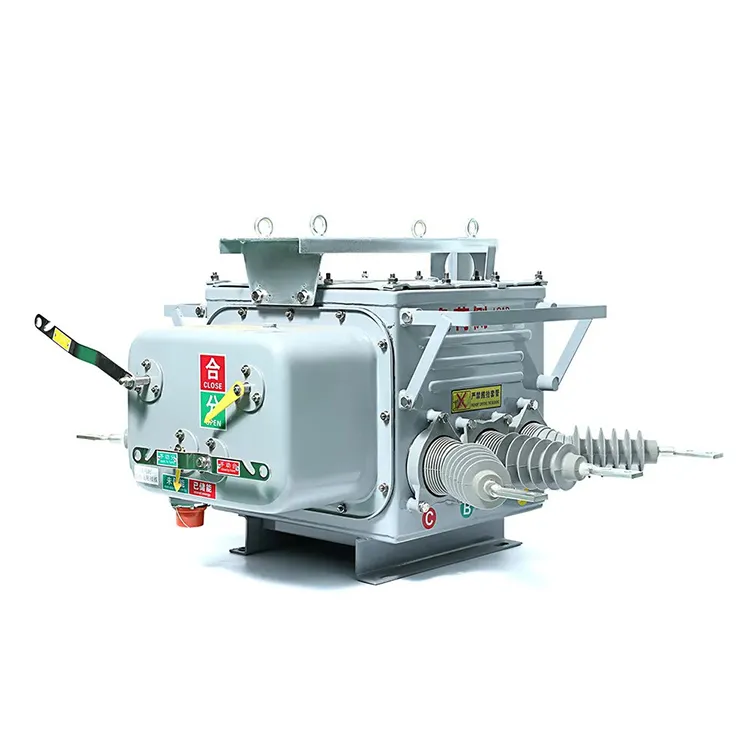
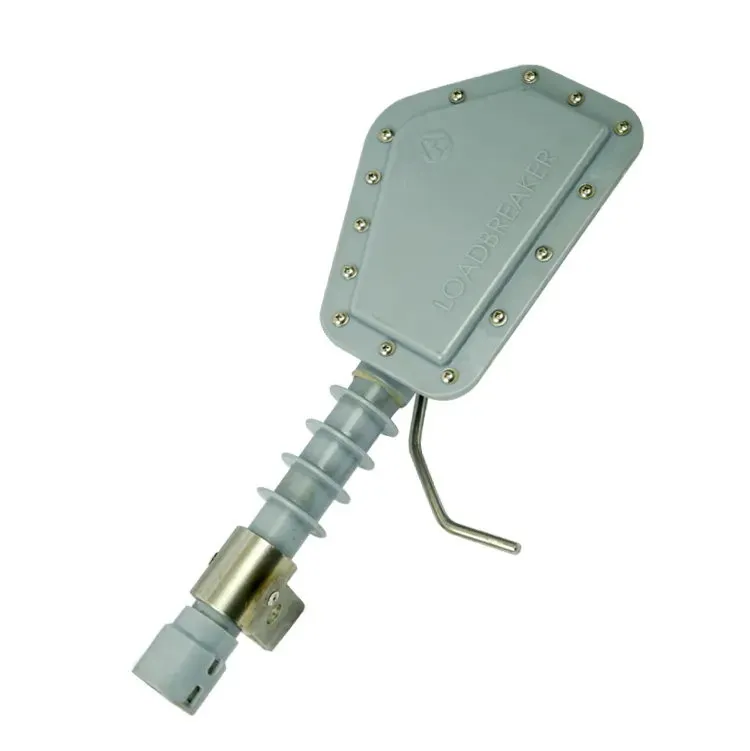


When Anil, a homeowner in Kochi, noticed a storm building over the Arabian Sea, he unplugged the television and switched off the main breaker. A nearby strike still left his router and an appliance control board dead within seconds. The post-incident inspection found that the roof rod was not bonded to the service earthing system and there was no coordinated surge protective device (SPD) at the incoming panel. The lesson is useful for any Kerala home: a visible rod is not automatically a complete lightning protection design; selection, routing, bonding and verification determine whether the system works as intended.
Summary: For a Kerala residence, first establish whether the risk calls for an external lightning protection system (LPS), a service-entry SPD, or both. IEC 62305 addresses lightning protection for structures, while IEC 61643 addresses SPDs used on low-voltage circuits; they solve related but different problems. Ask a qualified electrical or lightning-protection professional to survey the site, coordinate the air terminal, down conductors and earth electrodes where needed, and specify an SPD at the service entrance. Confirm the design against the latest applicable Indian and Kerala requirements before installation.
For a broader India-focused context, see Lightning Arrester for Home India.
What does “lightning arrester for home in Kerala” actually mean?
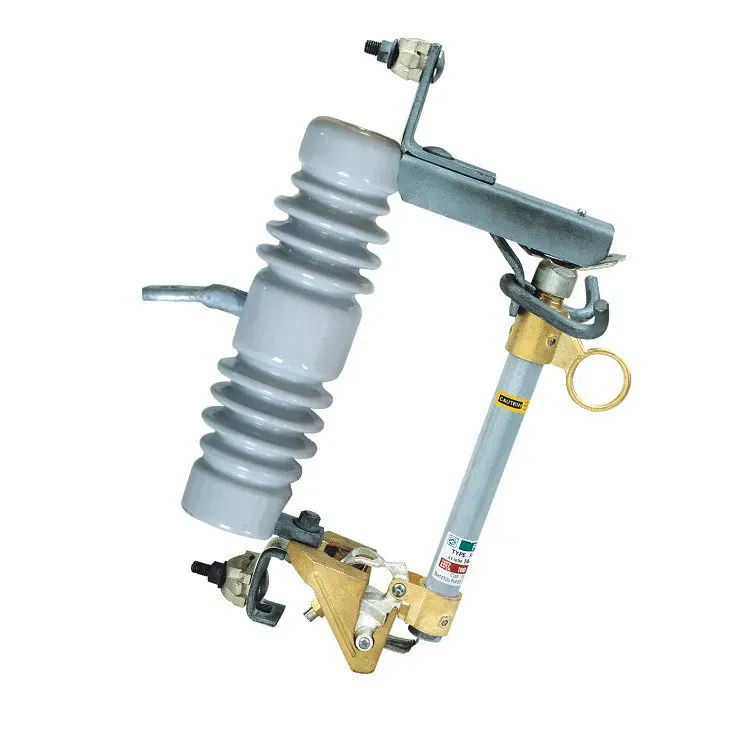
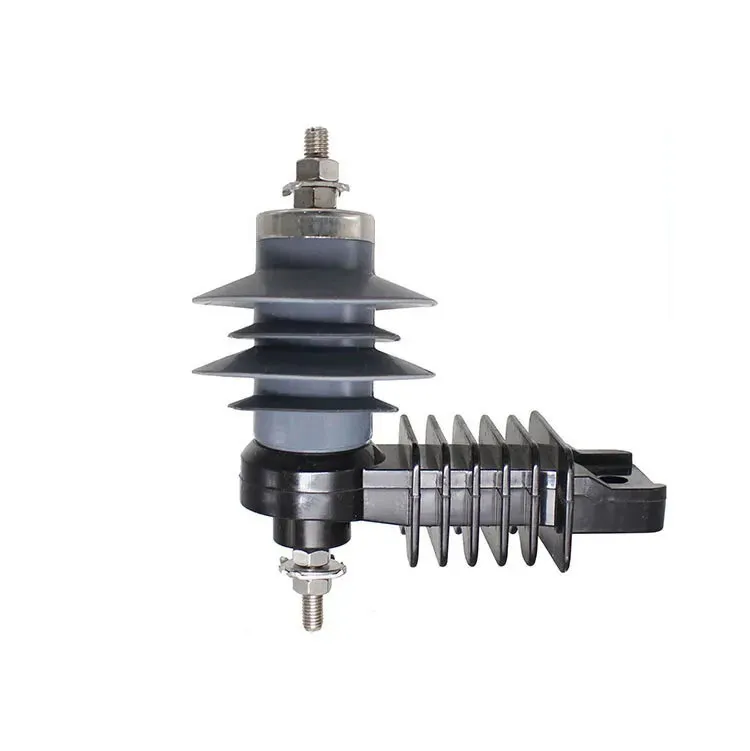
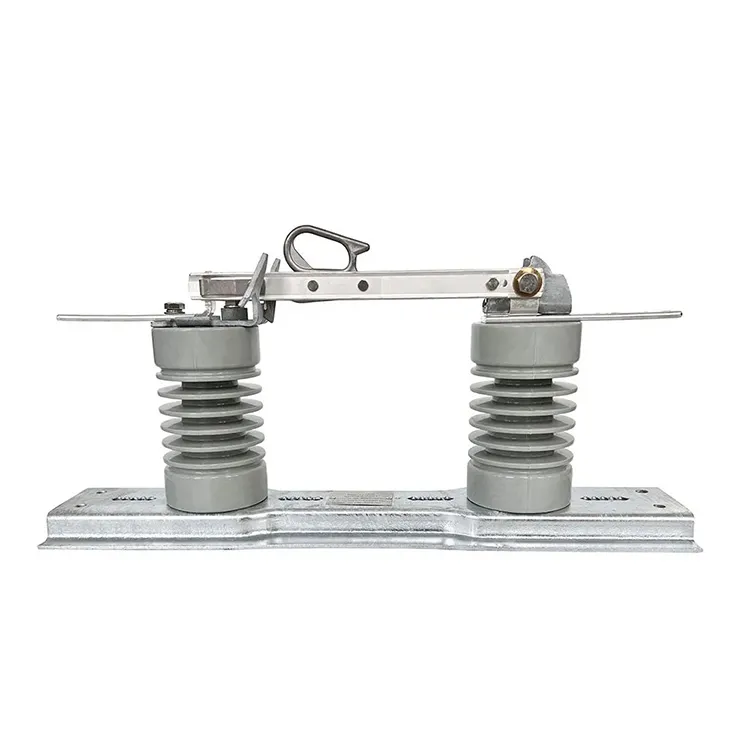
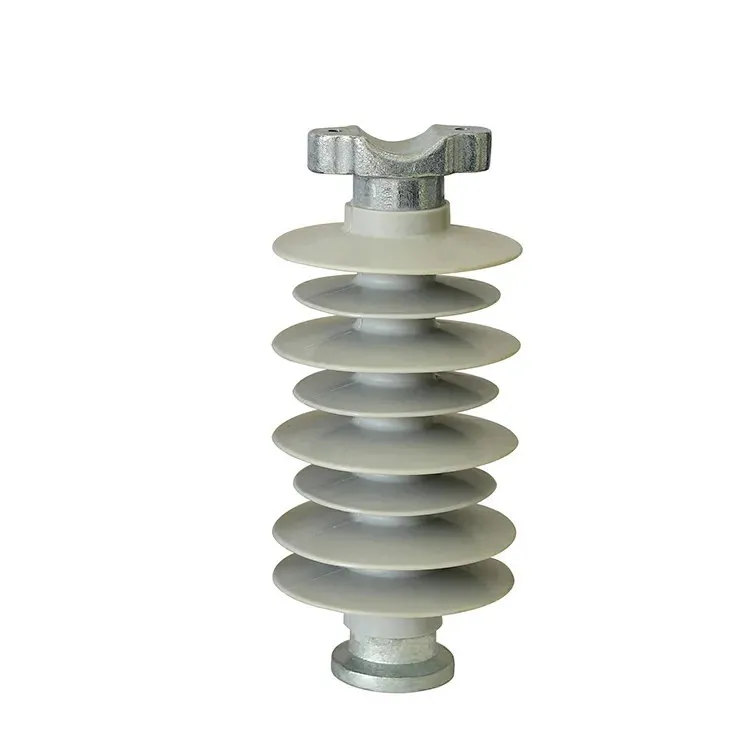
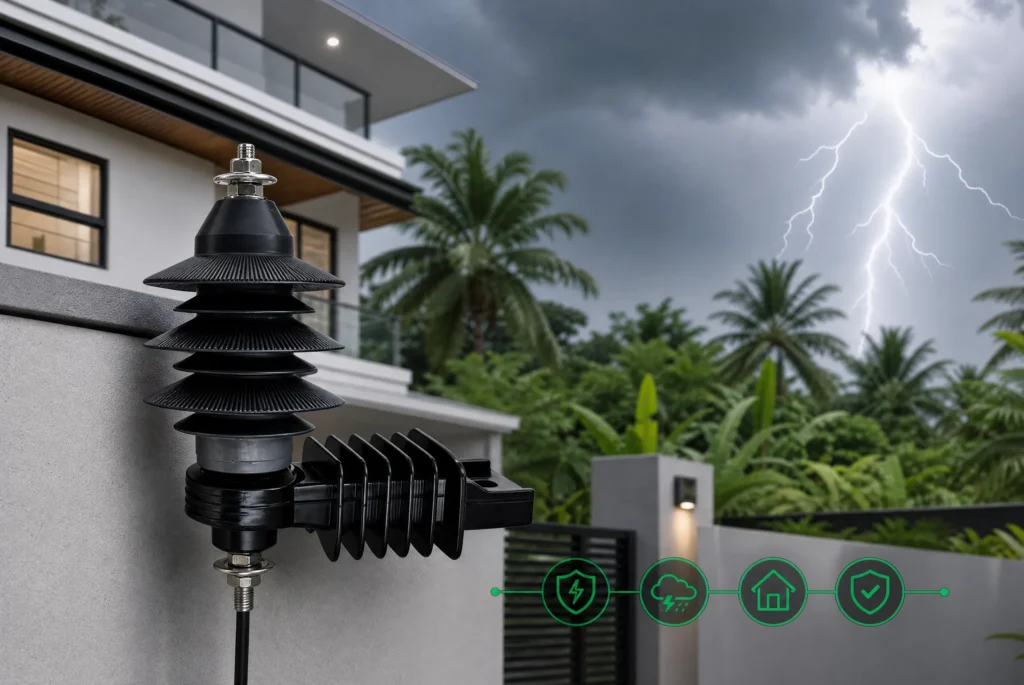
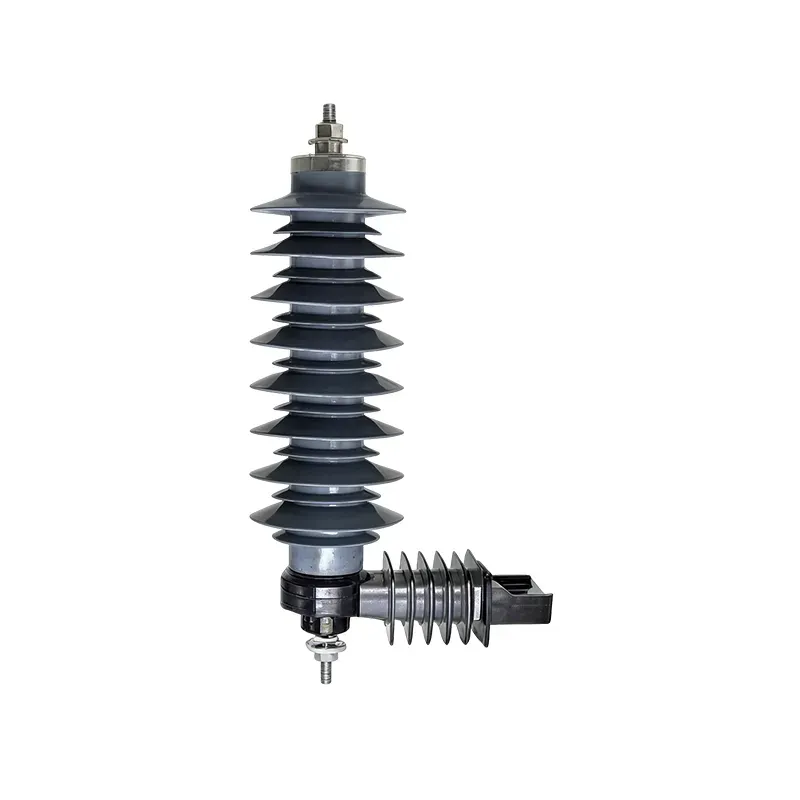
In residential conversations, “arrester” may describe either an external LPS on the building or a surge arrester/SPD inside the electrical installation. An external LPS intercepts a direct strike and provides a controlled path to earth. An SPD limits transient overvoltage on power or signal circuits so that a nearby strike, utility event or induced surge is less likely to damage connected equipment. A complete risk-based design can require both; neither device should be represented as a universal substitute for the other.
A lightning arrester therefore needs to be specified by its function and location, not by the name on a product label. Roof geometry, building height, nearby trees or taller structures, incoming utility lines, soil conditions, exposed electronics and the consequences of an outage all affect the design. A home in a dense part of Thiruvananthapuram may have a different exposure and earthing route from a detached house on open ground near Palakkad.
How an external LPS and an SPD work together
Air terminal, down conductor and earth electrode
An air terminal is the intentional interception point on the roof or another suitably designed part of the structure. It does not “pull” lightning to the house; it provides a defined collection point when an LPS is justified. A down conductor carries the lightning current from the air-termination system toward earth. Designers generally seek a short, direct route with appropriate separation, bends, fixings and bonding so the current does not jump to internal metalwork or wiring.
The earth electrode system disperses current into the soil. It may use rods, tapes, foundation electrodes or another arrangement selected after a survey; the electrode type and layout must suit the soil and the existing protective-earthing network. Equipotential bonding is important because dangerous voltage differences can appear between the LPS, electrical service, water pipes and other conductive services during a strike. A qualified installer should document connections and test results rather than relying on a rod that is simply driven into the ground.
Service-entry SPD for power and electronics
An SPD is installed in the electrical system, commonly at the service entrance and, when the design calls for it, at downstream distribution boards or sensitive equipment. It diverts a transient and limits the voltage seen by the circuit; it does not intercept a direct strike on the roof. The device, backup overcurrent protection, conductor lengths, earthing and coordination with downstream SPDs should be selected as one system. For a Kerala home with solar equipment, a pump, an internet connection or an automatic gate, signal and DC circuits may need their own assessment.
For practical reading on the distinction between a structural LPS and surge protection, see the service-entry surge protection discussion in the related technical guide.
Does a Kerala home need an LPS, an SPD, or both?
The table below is a decision aid, not a substitute for a site-specific risk assessment. A professional may recommend both measures, especially where a direct strike could endanger occupants or where an interruption would be costly.
| Question | External LPS (air terminal, conductors, earth electrodes) | Service-entry SPD |
|---|---|---|
| Primary purpose | Provide a defined path for a direct lightning current around the structure. | Limit transient overvoltage on connected electrical or electronic circuits. |
| Typical trigger for review | Exposed or tall building, open site, vulnerable roof, occupancy risk, or a risk assessment indicating structural protection. | Electronic equipment, overhead or long utility runs, solar or communications equipment, or a need to reduce surge-related failures. |
| Main design work | Air-termination layout, down-conductor routing, separation, bonding and earth-electrode design. | SPD class and rating, short connection leads, protective coordination, backup protection and bonding. |
| What it cannot do alone | It does not guarantee that appliance circuits will see no transient; internal bonding and SPDs may still be needed. | It is not a roof lightning rod and should not be sold as protection against a direct strike to the building. |
| Verification | Visual inspection, continuity and earth-system checks according to the design and applicable practice. | Installation inspection, correct connection and manufacturer-recommended status checks; replace after a damaging event if indicated. |
What a Kerala site survey should cover
A competent installer should begin with a documented survey, not a catalogue choice. Review the roof plan, height changes, construction materials, existing earth and neutral arrangements, incoming services, solar or generator connections, nearby conductive paths and the location of people during storms. Ask how the proposed system will maintain separation from internal wiring and how an extension or a future rooftop installation would be bonded.
The installation plan should show air terminals (if required), down-conductor routes, test or inspection points, earth electrodes, bonding points and the service-entry SPD. Conductors should be secured to the building and protected from mechanical damage; penetrations should be weatherproofed. The installer should provide a handover record with as-built routing, product data, test observations and a maintenance interval. Do not accept a claim that a system is “maintenance-free” or that one rod protects every appliance without evidence.
Kerala’s monsoon, saline air in coastal areas and high humidity make corrosion inspection especially relevant. Schedule a visual review after major roof work, an extension, a lightning event or any change to the earthing and electrical installation. The exact checks and intervals should follow the design, manufacturer instructions and local professional practice.
Which standards and local approvals matter?
IEC 62305 is a family of standards for protection against lightning, including risk management, protection of structures and protection of electrical and electronic systems within structures. IEC 61643-11 covers low-voltage AC surge protective devices and their performance and test requirements. These standards describe design or test scope; citing one does not by itself prove that an entire installed system is certified, suitable for a particular home or compliant with every local rule.
In India, the applicable edition of the National Building Code, the Central Electricity Authority safety framework, Bureau of Indian Standards publications and local electricity-supply requirements may all be relevant depending on the building and installation. Kerala authorities or the distribution licensee may impose additional approval, earthing or inspection requirements. Confirm the current rules with the responsible licensed professional or authority before work starts; do not infer approval from a marketing phrase such as “IEC compatible.”
For procurement, request the exact standard and edition claimed, test documentation for the SPD or LPS component, installation instructions, corrosion and environmental information, and the installer’s inspection record. A test method is not the same thing as a blanket product certification, and a component’s certificate cannot replace a design review.
How to compare quotes for a home system
- Define the exposure. Record the building height, roof materials, site openness, nearby trees or structures, utility entry points and the equipment that must remain available.
- Request a written survey. The proposal should distinguish direct-strike protection from surge protection and show how bonding and earthing will be handled.
- Check compatibility. Confirm the service voltage, earthing arrangement, prospective fault conditions and any solar, generator, telecom or data circuits before choosing an SPD.
- Verify workmanship. Require labelled routes, accessible inspection points, weatherproof fixings, continuity/earthing checks and a handover record.
- Plan maintenance. Agree what will be inspected after monsoon damage, a known strike, roof alterations or an electrical upgrade.
CNFuerte can help buyers compare a configuration and documentation against the project brief; the final LPS and SPD arrangement should remain the responsibility of the qualified designer and installer. Browse the lightning protection products only after the site requirements are clear.
Frequently asked questions
Does every house in Kerala need a lightning rod?
No. The need for an external LPS depends on the building, exposure, occupancy and consequences of a strike. A documented risk assessment may recommend an LPS, an SPD, both, or other measures; a qualified professional should make that determination.
Can an SPD replace a roof lightning arrester?
No. An SPD limits transient voltage on circuits, while an external LPS provides a path for a direct strike to the structure. They address different coupling paths and may need to be coordinated rather than substituted.
What should a site survey for a home lightning system include?
It should review roof geometry, building height, materials, nearby structures, utility and communication entries, existing earthing, bonding, sensitive equipment and future alterations. The deliverable should identify the proposed routes, connection points, checks and maintenance responsibilities.
Does IEC 62305 mean the installation is automatically approved in Kerala?
No. IEC 62305 provides an international lightning-protection framework, but local Indian and Kerala requirements still apply. Confirm the current authority, building and electricity-supply obligations for the specific property and retain the installer’s design and inspection records.
How often should a residential lightning-protection system be checked?
Use the inspection interval in the design and manufacturer instructions, with an additional review after a known strike, major storm damage, roof work or an electrical change. Coastal or highly corrosive environments may justify closer visual attention.
References
- International Electrotechnical Commission (IEC), standards catalogue for IEC 62305 and IEC 61643.
- Bureau of Indian Standards (BIS), Indian standards and conformity information.
- Central Public Works Department, public works and electrical guidance resources.
For a Kerala home, the safest decision is not “rod or no rod” in isolation; it is a documented design that matches the building, the earthing network and the equipment at risk. A correctly routed LPS can manage a direct-strike path, while a coordinated SPD can reduce damaging transients on the circuits people actually use. Review the survey, standards scope and local requirements before accepting a quotation. If you want a configuration and documentation discussion, contact CNFuerte’s team with your location, building type and existing electrical details; we can help frame the questions for your qualified local installer. Protection starts with a clear design record, not a promise on a label.