
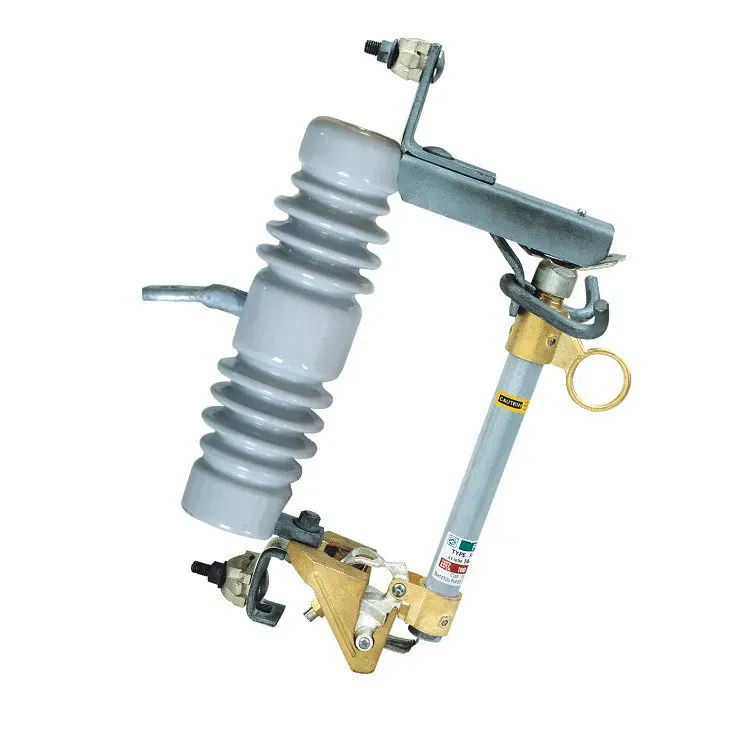
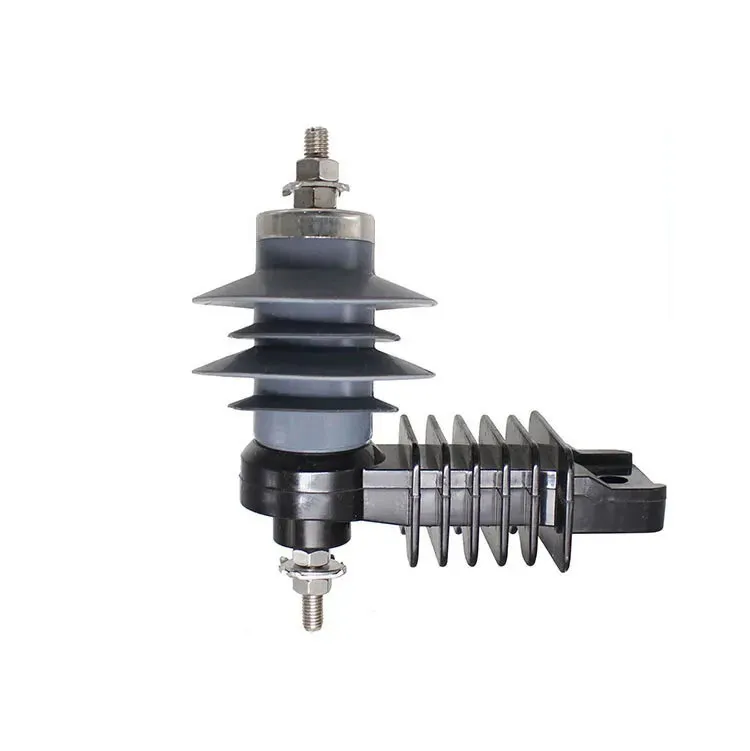
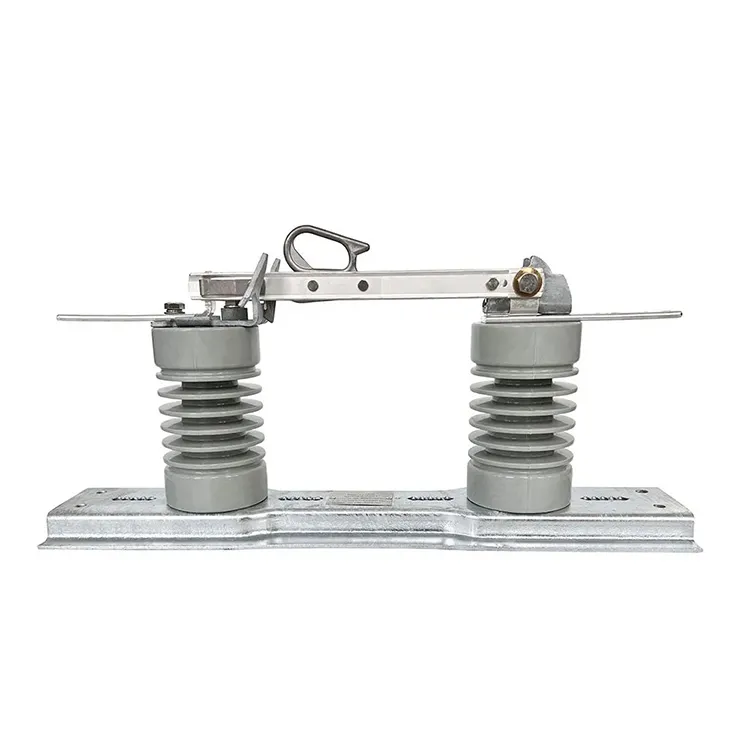
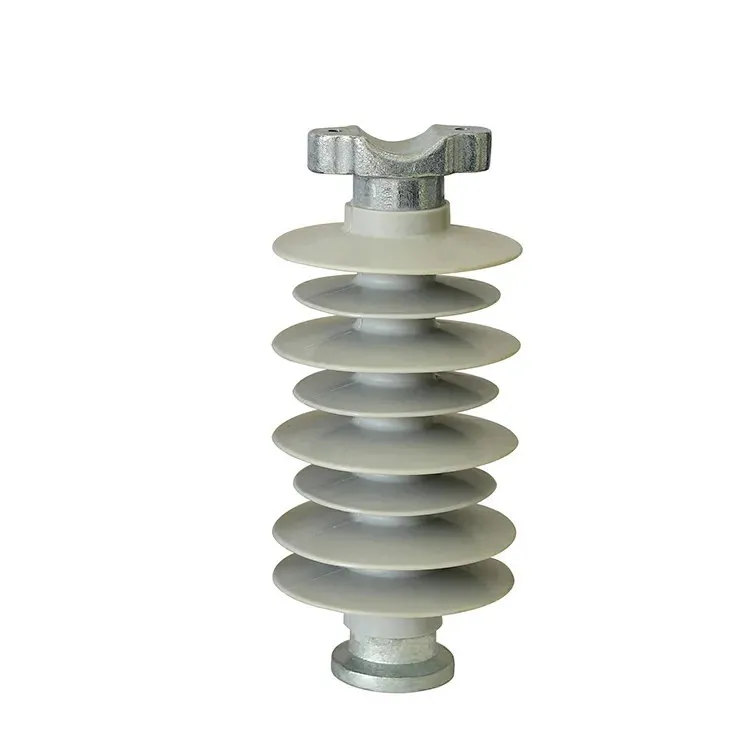
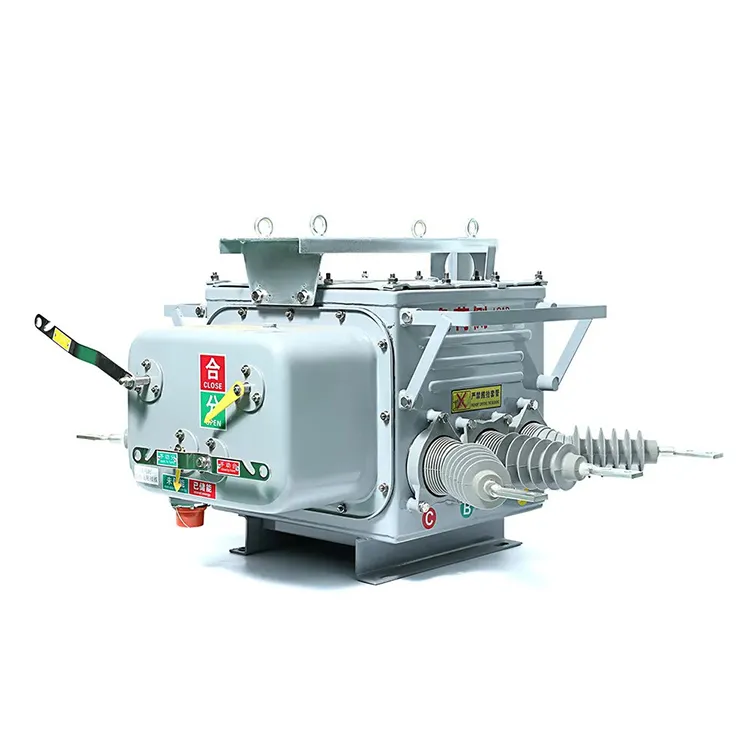
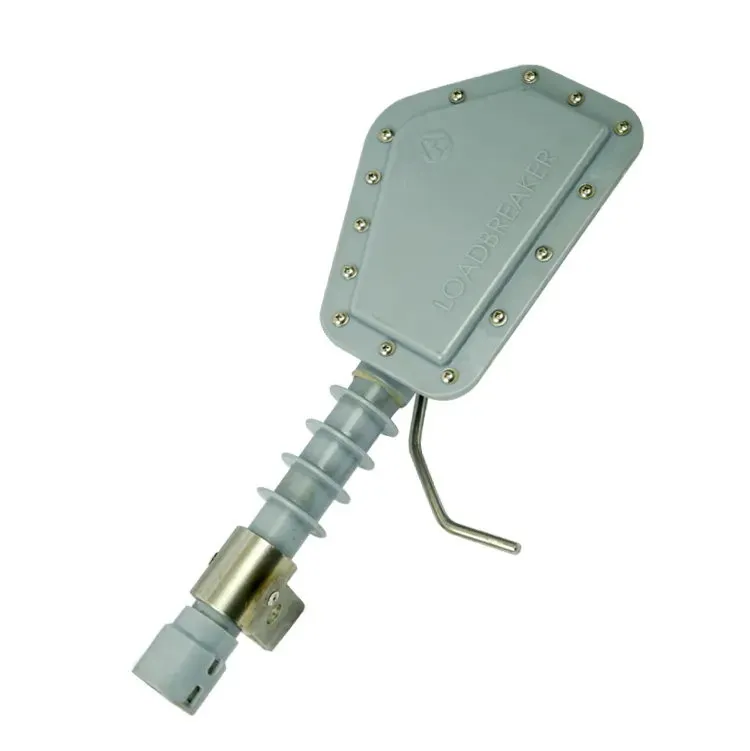


Searching for a “lightning arrester for home” usually means one of three different needs: protecting the structure from a direct strike, limiting surges that enter through the electrical service, or protecting sensitive appliances from residual transients. Those needs are related, but they are not solved by one device. A safe design coordinates an external lightning protection system where required, low-voltage surge protective devices (SPDs), bonding and earthing, and protection for every metallic service entering the building. For a related technical topic, see Срабатывающий предохранитель для дома в штате Керала.
most homes use an SPD at the main distribution board rather than the medium-voltage metal-oxide arrester installed on utility lines. If a risk assessment calls for external lightning protection, air terminals, down conductors and an earth-termination system form another layer. Point-of-use protectors can supplement these layers, but they do not replace them.
What does “lightning arrester for home” actually refer to?
The word arrester is used loosely in consumer searches. In power-distribution engineering, a surge arrester is normally a shunt-connected device used on circuits above 1 kV. In a residential low-voltage installation, the corresponding protective product is normally called an SPD. A lightning rod or air terminal is different again: it is part of an external system intended to intercept a strike and conduct lightning current toward earth through designed paths.
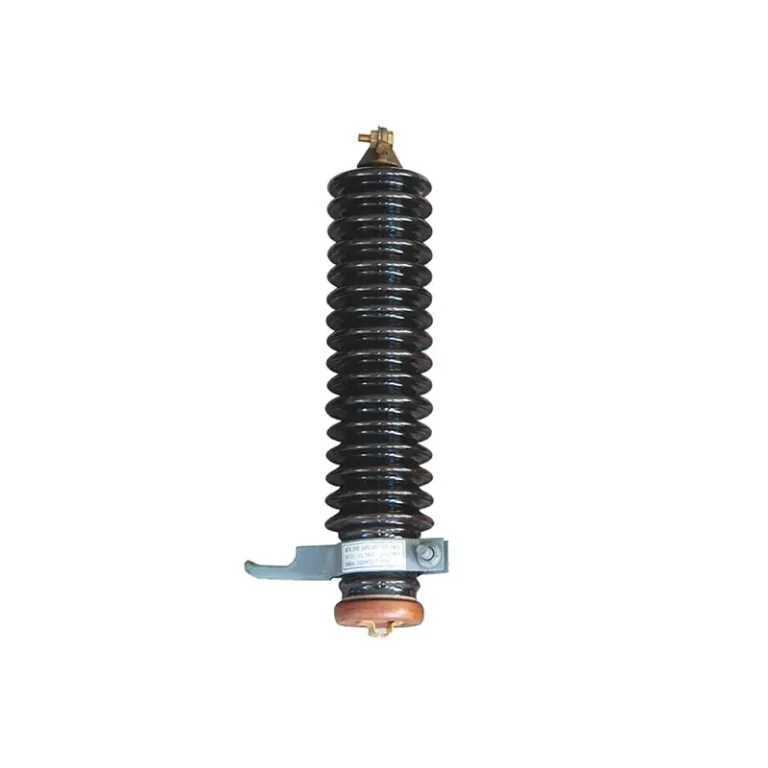
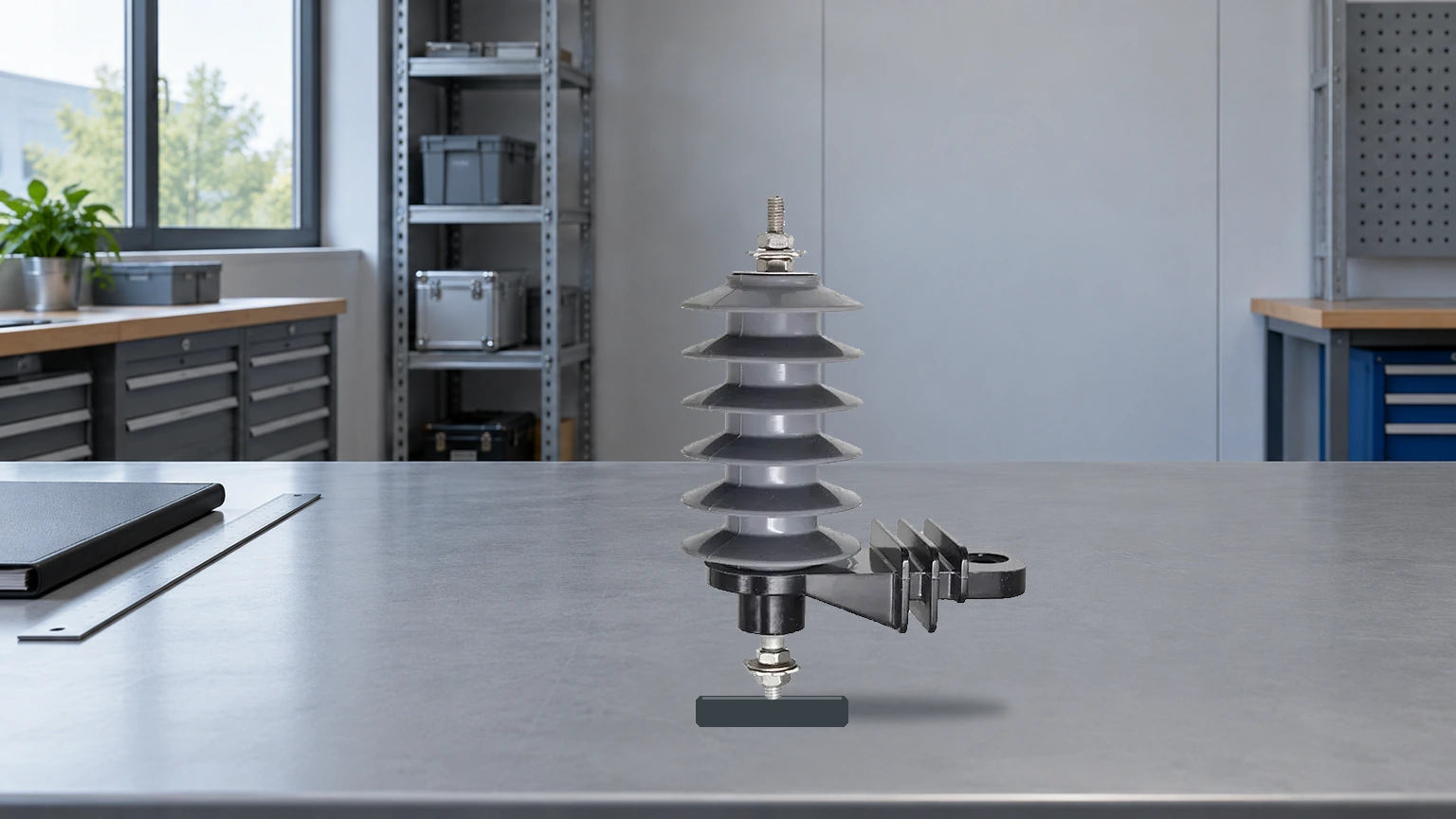
Fuerte’s lightning arrester product range is intended for power-system sourcing and should not be treated as a substitute for a residential SPD selected under the building’s low-voltage design.
A homeowner therefore should not buy a utility-class arrester merely because its voltage or discharge-current number appears large. Start by identifying the circuit and installation point. Our explanation of the difference between surge arrester and lightning arrester provides the terminology background, while the electrician or lightning-protection designer must apply the local wiring and building rules.
| Protection layer | Main job | What it does not do |
|---|---|---|
| External lightning protection | Provides an interception, down-conductor and earth-termination path when the risk assessment requires it | Does not by itself limit every surge on internal power, data or PV wiring |
| Main-board SPD | Limits transient overvoltage and diverts surge current at the electrical service or distribution board | Does not intercept a strike or correct poor bonding and earthing |
| Downstream or point-of-use SPD | Limits residual transients closer to sensitive equipment | Does not substitute for coordinated upstream protection |
| Data, coaxial and control-line protection | Limits surges on non-power metallic services | Does not protect the power circuit |
What changed in the current IEC guidance?
Two IEC publications help distinguish external lightning protection from protection of the electrical installation. IEC 62305-4:2024 covers surge protection measures for electrical and electronic systems within structures. Its third edition adds material on current sharing in photovoltaic installations, system-level testing and induced voltages in SPD-protected installations. This matters because a modern house may have rooftop PV, an inverter, battery storage, communications wiring and electronic controls that create more than one surge entry path.
IEC 61643-11:2025 applies to SPDs connected to AC low-voltage power systems up to 1,000 V RMS. The new edition clarifies testing of complete devices, protection modes and assemblies; it also revises duties involving combined protection modes, T1/T2 follow current, short-circuit performance, dielectric tests and electrically separated circuits. Referencing this standard is not evidence that a particular product is certified. The buyer still needs a configuration-specific declaration and the relevant test documentation.
Use a five-step home protection review
1. Define the building and exposure
Record the building height and construction, local lightning exposure, incoming line type, presence of an external lightning protection system, and whether the service is overhead or underground. Include detached garages, outbuildings, antennas, metal roofs and long outdoor cable runs. A site-specific risk assessment determines whether external protection is required; a product seller cannot make that decision from the word “home” alone.
2. Identify every conductive entry path
List the utility supply, PV DC cabling, inverter AC connection, telephone or Ethernet cables, coaxial feeds, gate controls, CCTV, well pumps and any other metallic service. A surge can create damaging potential differences between services even if one circuit has an SPD. Bonding and coordinated protection should be reviewed as a system.
3. Record the low-voltage system data
The installer needs the nominal system voltage, frequency, earthing arrangement, available short-circuit current, upstream protective device and permitted connection mode. These inputs affect maximum continuous operating voltage, temporary overvoltage duty, protection modes, backup protection and short-circuit coordination. The newest product standard specifically highlights fault conditions and TOV stress when an SPD is connected to a non-linear source or different frequency.
4. Select and coordinate SPD locations
A service-entrance device, distribution-board device and equipment-level protector may be coordinated where the design requires multiple stages. Type or test class is not a universal quality ranking: it relates to the intended duty and test waveform. Follow the manufacturer’s coordination method and local installation rules. Our broader lightning surge protection guide explains why voltage class, installation point and TOV duty must be evaluated together.
5. Verify conductor routing, bonding and inspection access
Long, looped connection conductors add inductive voltage during a fast surge. The SPD should be installed with routing and conductor sizes that follow its instructions and the applicable code. The board also needs safe isolation, compatible backup protection and enough access to inspect status indicators or replace modules. Work inside a service panel should be performed by a qualified electrician; the device can remain connected to hazardous voltage even when no storm is present.
How should homes with solar PV be handled?
PV adds DC conductors, an inverter and often long rooftop cable routes. Do not assume that an AC-board SPD protects the DC side. Record the maximum PV open-circuit voltage under the site’s minimum temperature, inverter topology, array earthing arrangement, cable route and whether external lightning protection is present. Use an SPD intended for the relevant DC application and voltage, coordinate it with the inverter manufacturer’s instructions, and review separation or bonding requirements with the lightning-protection design.
IEC 62305-4:2024 now includes an informative annex on current sharing in PV installations, but that does not create a universal layout for every roof. The exact design depends on the building, external protection, wiring geometry and local rules.
What should a homeowner request from an installer?
- A simple drawing showing the main board, sub-boards, PV, data services, bonding points and proposed SPD locations.
- The nominal voltage, earthing system and expected short-circuit current used for selection.
- The SPD’s maximum continuous operating voltage, voltage protection level, protection modes, test class/type, short-circuit rating and required backup protection.
- The edition and scope of the claimed product standard, plus model-specific documentation rather than a generic badge.
- A record of connection length and routing, inspection method, replaceable-module status and end-of-life indication.
- Confirmation that external lightning protection, if present, has been considered in the SPD and bonding design.
For a practical terminology check before comparing quotations, see our article on surge protectors and lightning arrestors. It separates the voltage-domain and installation-location questions that catalog labels often blur.
Часто задаваемые вопросы
Is a plug-in surge strip enough for lightning protection?
No. A plug-in protector can be a downstream layer for compatible equipment, but it does not replace service-entry protection, correct bonding, earthing or an external lightning protection system where one is required.
Does every house need an external lightning rod?
Not necessarily. The need depends on a risk assessment, local regulation, building characteristics and exposure. An electrician or qualified lightning-protection designer should evaluate the site rather than applying a universal answer.
Can I install a main-board SPD myself?
Main-board work involves hazardous live parts, fault-current coordination and code requirements. Use a qualified electrician who can verify the earthing arrangement, upstream protection, conductor routing and device compatibility.
Does an SPD protect against sustained overvoltage?
An SPD is designed for transient overvoltage. Temporary or sustained abnormal voltage can be a different duty. Check the device’s declared TOV behaviour and use appropriate voltage-monitoring or protection equipment where the system study requires it.
How often should home surge protection be checked?
Follow the manufacturer’s instructions and the inspection plan for the installation. Check status indicators after known surge events and during electrical inspections, but do not open energized equipment without authorization. Replace modules only with the specified compatible parts.
Does a home surge protector protect every connected device?
No. Protection depends on the device location, wiring, earthing and the surge paths entering the property. A qualified installer should review the service, panel, connected systems and any required downstream protection.
What a home protection review should confirm
A residential enquiry needs a clear protection boundary. residential surge protection may involve a service-entry device, a panel device and point-of-use protection, while a Type 1 SPD and Type 2 SPD are not selected by label alone. Earthing arrangement, service configuration, conductor length and solar PV protection can change the review, so the installer should document the actual board and connection path.
RFQ fields to record
| Review field | What the buyer should record |
|---|---|
| Service and earthing arrangement | Confirm supply conductors, earthing system and the point where protection will be installed. |
| SPD type and coordination | State the intended Type 1/Type 2 role and check coordination with downstream devices. |
| PV, data and external services | Review additional entry paths when solar, telecom or external metalwork is present. |
Резюме
A suitable lightning-protection plan for a home is a coordinated design, not a single oversized device. Begin with the building and incoming services, distinguish external lightning protection from low-voltage SPDs, verify the earthing system and fault conditions, and protect PV, data and other metallic paths where required. A qualified installer should document the device ratings, locations, conductor routing and inspection method so that each protection layer has a clear and verifiable role.