
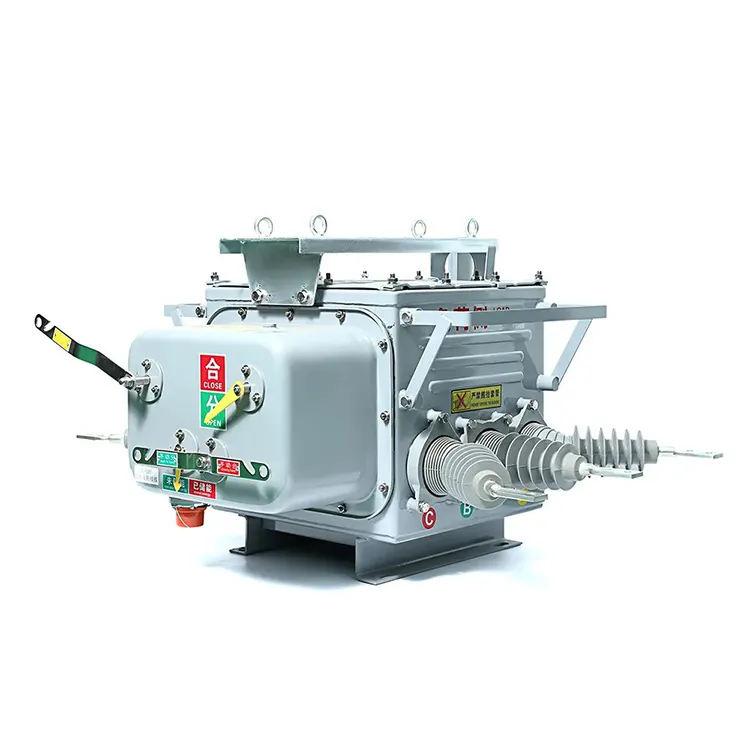
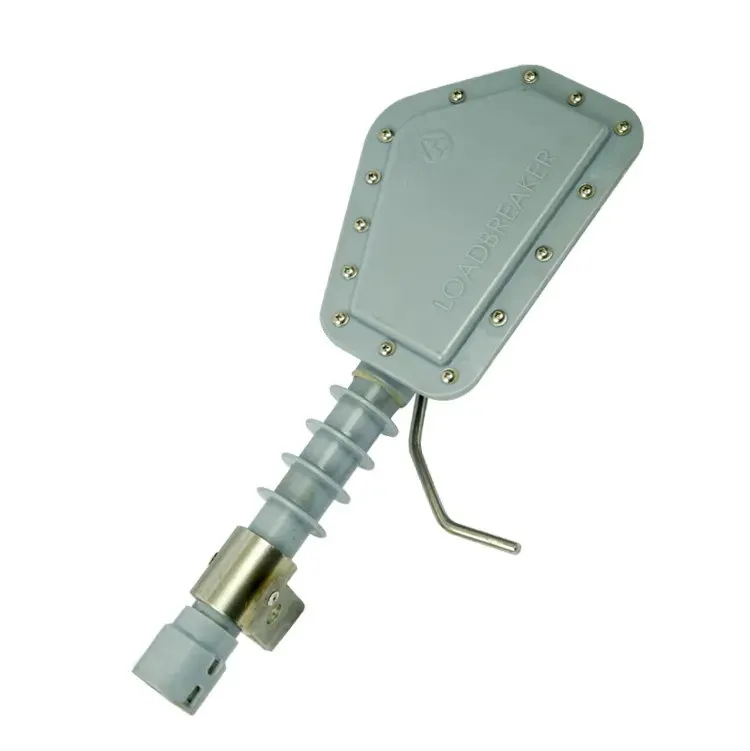


Growing electricity demand can support investment in distribution equipment, but it does not tell a buyer how many vacuum circuit breakers will be ordered. New load can be accommodated through spare capacity, transformer upgrades, new feeders or wider substation work. Market reports that combine those activities into a single growth percentage can be difficult to use for purchasing decisions. This article examines the power distribution VCB market through verifiable demand indicators, equipment applications and procurement requirements, with particular attention to what a global forecast does and does not establish for a local project.
The power distribution вакуумный выключатель market is best assessed by actual feeder and switchgear projects, not by electricity growth alone. In its July 2026 update, the IEA forecast global electricity demand growth of 3.6% in 2026 and 3.8% in 2027, following 3% in 2025. These are electricity-demand figures, not VCB sales growth. For procurement, separate new substations, additional feeders, replacement breakers and automation projects. Each has different equipment quantities, approval requirements and delivery risks. No standalone VCB market-size or CAGR estimate is asserted here without an auditable equipment-specific dataset.
What does the latest electricity forecast actually show?
The IEA’s Electricity Mid-Year Update 2026 identifies industrial activity, appliances, electric vehicles, cooling, heat pumps and data centres as structural demand drivers. Its 2026 and 2027 values are forecasts, not completed-year measurements. It also identifies downside risks, so the figures should be treated as a dated outlook rather than a guaranteed order pipeline.
For the United States, the same update forecasts electricity consumption growth of close to 2% in 2026. A global 3.6% figure must not be relabeled as U.S. demand growth. Neither figure identifies how many distribution substations need new breakers. Local utility plans, approved projects and equipment schedules are the relevant next evidence.
Which projects create demand for distribution VCBs?
New or expanded substations can require incoming, bus-section and outgoing feeder breakers, depending on the selected architecture. Industrial expansion can require additional switchgear or replacement of equipment with insufficient ratings. An asset-renewal project may replace existing breakers without adding demand or network capacity.
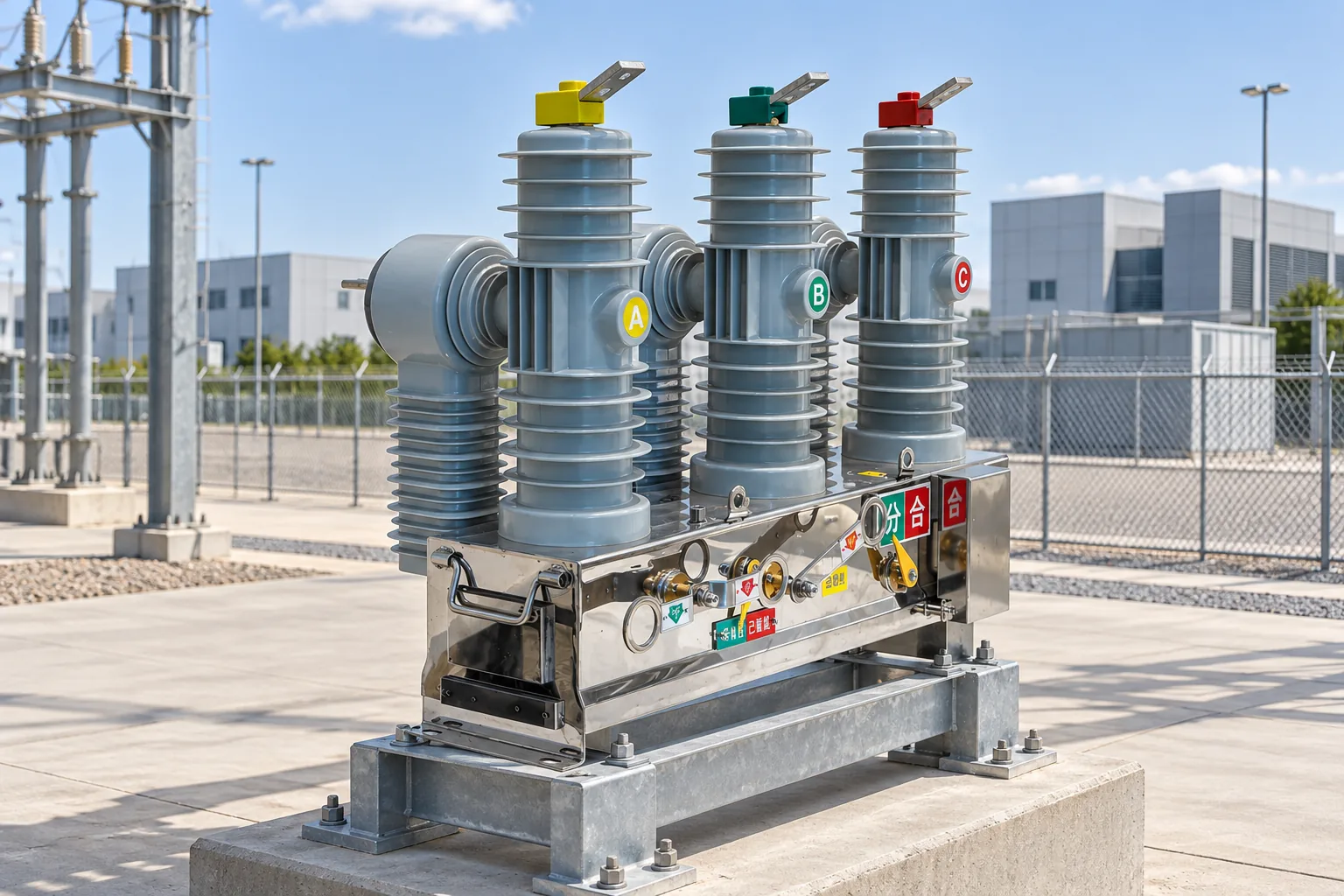
The relationship between breaker ratings and protection requirements explains why a load-growth figure cannot determine equipment duty. Available fault current and the circuit’s switching requirements need their own engineering assessment.
| Project category | Evidence of a real opportunity | What should not be inferred |
|---|---|---|
| New distribution substation | Approved design and defined breaker-equipped bays | Every announced project has reached equipment procurement |
| Industrial load expansion | Confirmed capacity, connection and switchgear scope | Additional electricity use always requires a new VCB |
| Asset replacement | Identified installed base and replacement strategy | A replacement necessarily increases network capacity |
| Feeder automation | Defined protection and remote-control functions | Every automation project buys a new breaker body |
| F-gas transition | Applicable market rules and complete insulation specification | A vacuum interrupter alone makes switchgear F-gas-free |
Why should replacement demand be tracked separately?
Distribution switchgear replacement can be driven by condition, unsupported parts, changed fault duty or a need to revise protection and operation. These drivers differ from new construction. A replacement project may prioritize cabinet compatibility and outage duration over the lowest component price.
Use the repair-or-replace assessment to identify what evidence supports renewal. A device’s age alone is not a sufficient forecast of replacement volume. Condition, serviceability and the ability to verify continued suitability matter.
How does the F-gas transition affect the product mix?
The EU’s F-gas rules create specific requirements for affected new switchgear. The Finnish Environment Institute describes restrictions beginning in 2026 for medium-voltage primary and secondary distribution switchgear through 24 kV, and in 2030 above 24 kV through 52 kV, subject to the regulation’s scope and derogations. These are regional requirements, not a worldwide ban on all existing equipment.
A buyer must distinguish vacuum interruption from the surrounding insulation medium. Vacuum breakers can be incorporated into different switchgear insulation systems. The detailed SF6 and vacuum technology comparison explains why a complete gas declaration is needed before classifying a proposal as F-gas-free.
What makes a supplier proposal usable?
State the destination-market standards, utility approval process, installation conditions and complete supply scope. Request model-specific drawings, test evidence, protection interfaces, spare-parts support and a clear acceptance procedure. IEC breaker and assembly standards provide useful distinctions, but an IEC reference is not proof that every U.S. utility or other purchaser will accept a model.
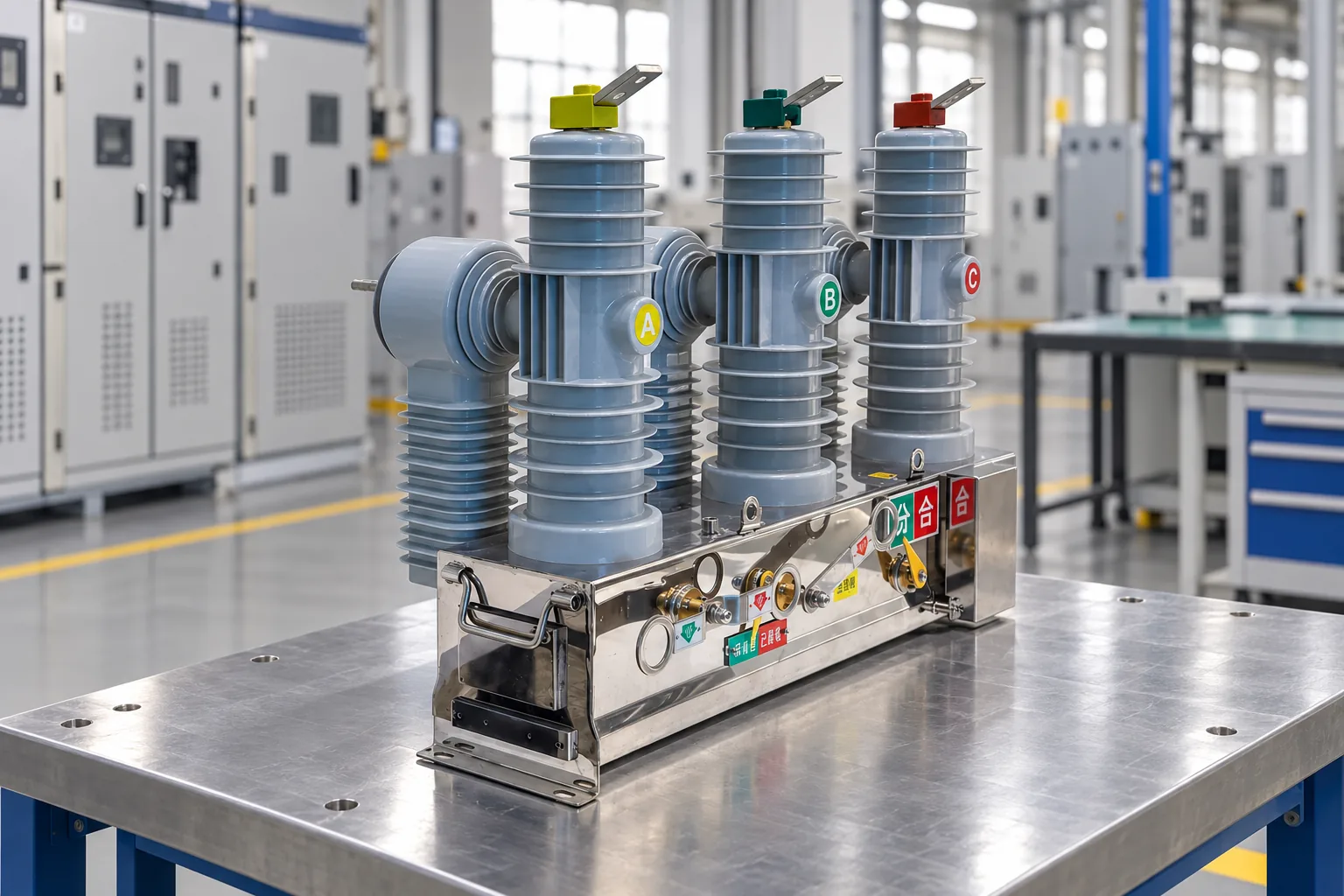
VCB supplier qualification should also establish who supplies the relay, sensors, control power and commissioning support. A breaker-only quotation and a complete switchgear quotation cannot be compared as equal market prices. Verify commercial delivery dates against the actual approval and manufacturing sequence rather than assuming a general industry lead time.
How can a buyer build a practical demand forecast?
Start with named projects and record their stage: proposal, approved design, tender, order or installation. Count only the breaker scope shown in the available schedule. Keep new capacity, replacements and optional expansions separate, and identify whether the purchase is a component or a complete assembly. This produces a forecast that can be updated when project evidence changes.
For a distributor, also segment by local voltage class, installation arrangement and purchaser approval. A broad global demand trend may support investigation, but stocked models should reflect the equipment customers can actually specify and accept.
Часто задаваемые вопросы
What is driving the distribution VCB market in 2026?
Potential drivers include network expansion, industrial connections, asset renewal and changes in equipment requirements. Their effect on VCB orders must be checked through local projects rather than inferred from electricity growth alone.
Is the IEA’s 3.6% forecast a VCB market CAGR?
No. It is the July 2026 forecast for global electricity-demand growth in 2026. It does not measure VCB sales, revenue or shipments.
Does data-centre growth guarantee more distribution breaker orders?
No. Actual orders depend on location, network capacity, connection design, equipment scope and project timing. A demand driver is not a purchase order.
Do all distribution VCBs meet the same standards?
No. Applicable IEC, IEEE, national and utility requirements differ by project. Request the exact standard editions and model-specific evidence required by the purchaser.
Will SF6 restrictions replace every installed breaker?
No. The EU rules distinguish putting affected new equipment into operation from existing assets and provide defined exceptions. Existing asset decisions require their own compliance and condition assessment.
What should be compared in a market-price survey?
Use equal voltage, current, fault duty, mounting, controls, test scope and delivery terms. Separate breaker components from complete switchgear assemblies.
Резюме
The electricity outlook provides context for distribution investment, while named projects establish a more useful basis for equipment demand. Keep global forecasts separate from regional figures, and distinguish new capacity from replacement and automation work. Avoid assigning electricity-growth percentages to breaker revenue or shipments. For purchasing, define ratings, approvals and supply scope before comparing suppliers. Record the stage of each project so an announced development is not counted as an equipment order, and separate optional expansion from confirmed purchasing scope. Fuerte’s vacuum circuit breaker range can be considered against a documented project requirement. A forecast built from approved equipment schedules is more actionable than an unsupported market-size headline.
Ссылки
- IEA — Electricity Mid-Year Update 2026, Executive summary (23 July 2026)
- IEC 62271-100:2021+AMD1:2024 — AC circuit-breakers
- IEC 62271-200:2021+AMD1:2024 — AC metal-enclosed switchgear and controlgear
- Eaton — Medium-voltage VCP-T vacuum circuit breakers
- Finnish Environment Institute — The transition to SF6-free electrical switchgear will begin in 2026