
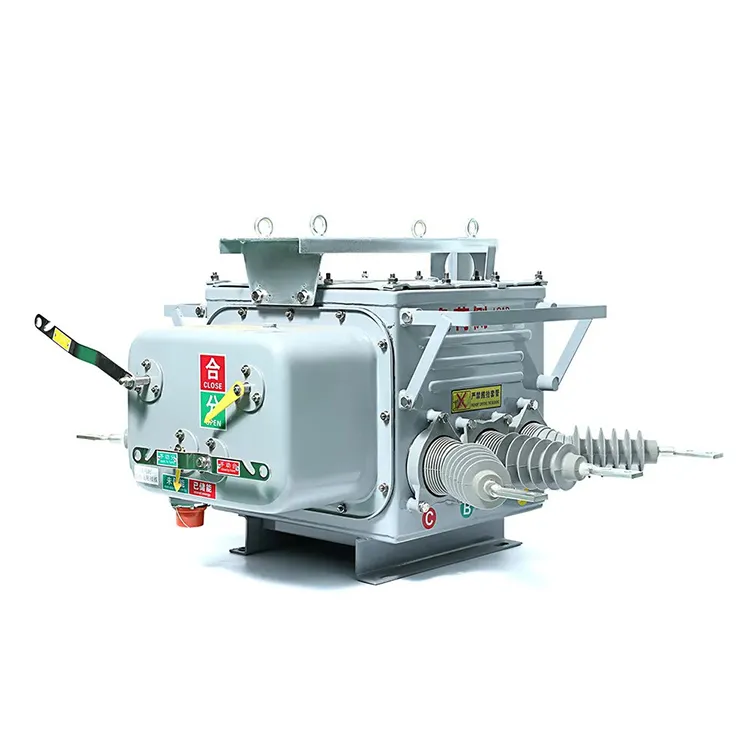
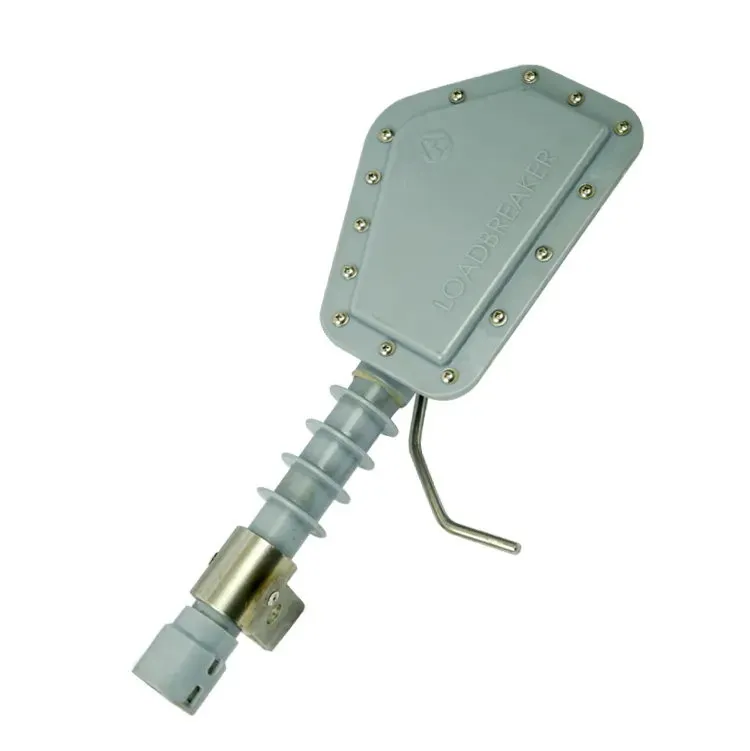


vacuum circuit breaker cost decisions should include a documented vacuum circuit breaker cost efficiency comparison.
Illustrative scenario: When an EPC commissioning engineer in Birmingham specified a replacement feeder breaker, the team selected the lowest quoted unit and installed it during a tight outage window. A nuisance trip appeared during functional testing, and the visible failure looked like a defective breaker. The review instead found a mismatch between the interrupting duty, relay settings and the existing switchgear interface. Rework, testing and a second outage erased the apparent saving.
Резюме: A cost-efficient vacuum circuit breaker (VCB) is the one that meets the actual duty over its service life, not necessarily the one with the lowest purchase price. Compare IEC 62271-100 or IEEE C37.04/C37.09 test evidence, expected switching duty, maintenance labor, outage exposure and losses in a transparent total-cost model. We recommend fixing the required ratings and interface first, then evaluating lifecycle cost and payback with clearly labeled, site-specific assumptions.
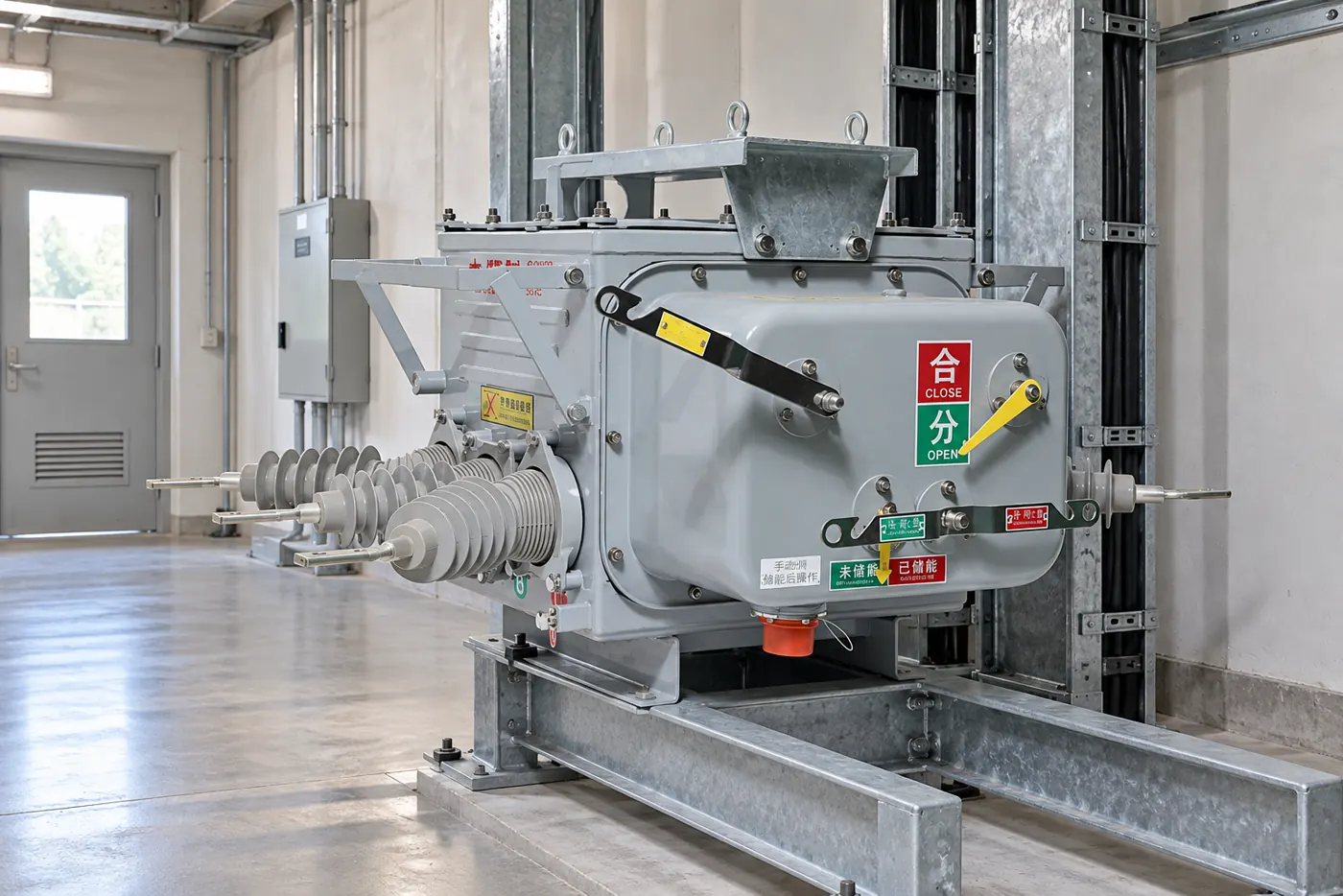
VCBs interrupt current in a sealed vacuum interrupter and are widely used in medium-voltage distribution and industrial systems. The chamber can reduce contamination-related maintenance, while the mechanism, controls and enclosure still require inspection. Cost efficiency depends on the complete feeder assembly and operating pattern; convert “low maintenance” claims into tasks, intervals and evidence.
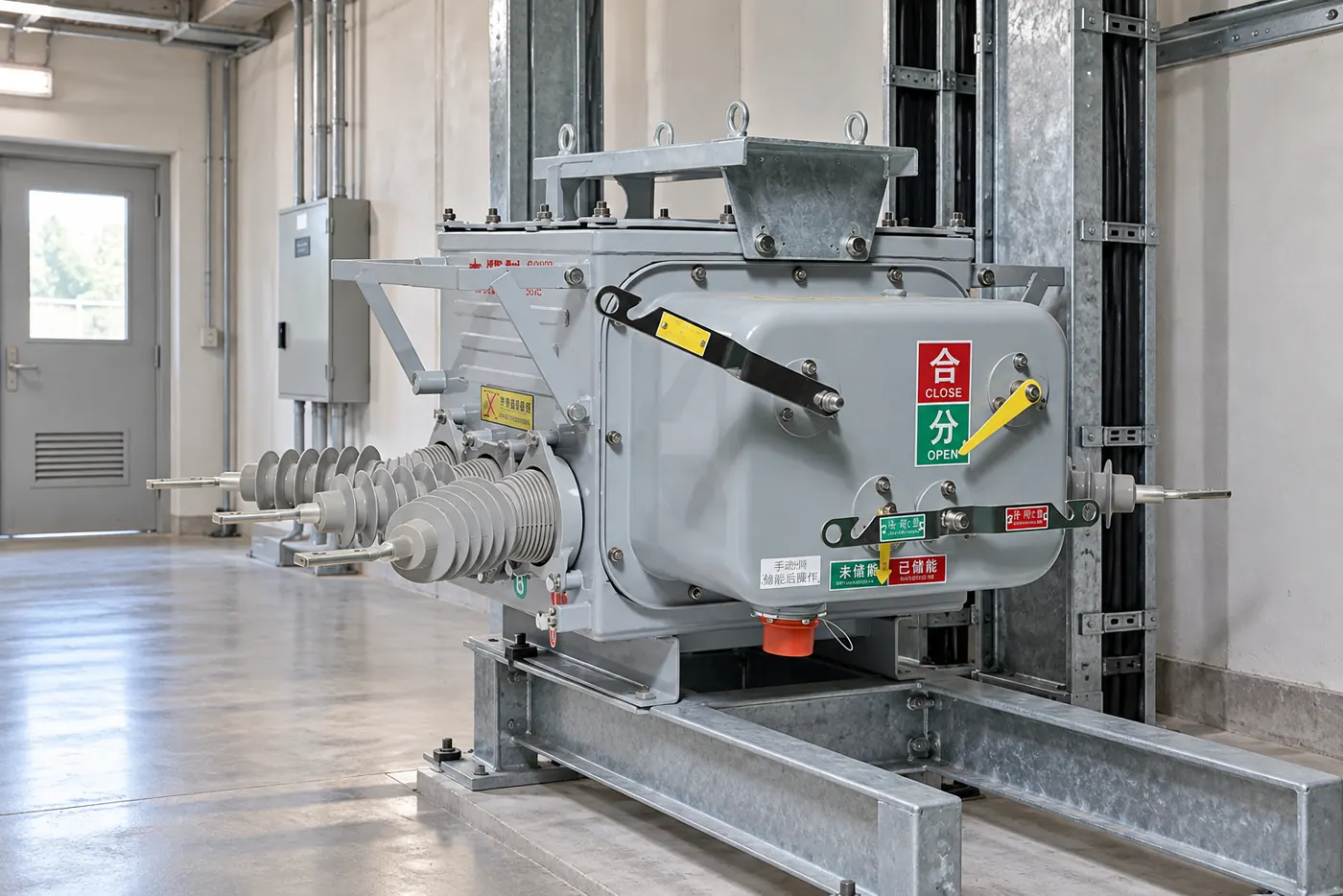
How does lifecycle cost differ from purchase price?
The purchase price covers the quoted breaker, mounting arrangement, accessories and documentation. Lifecycle cost adds engineering, freight, installation, commissioning, maintenance, spares, training, testing, losses and end-of-life handling. Downtime can dominate when a feeder serves a continuous process or regulated network.
In the request for quotation, state whether price includes the breaker only, cassette, relay, interlocks, enclosure, site tests and commissioning. A like-for-like boundary prevents scope being shifted to the EPC.
How do you build an auditable VCB ownership model?
Record initial cost (C0), planned maintenance (Cm), corrective work (Cr), outage exposure (Cd), losses (Ce) and end-of-life cost (Ceol). Discount future costs when required; show low, base and high cases instead of one “savings” percentage.
Illustrative calculation (not a quote): Option A at 1.0 cost unit initially plus 0.20 annually for eight years totals 2.6 units before outages and losses. Option B at 1.2 plus 0.10 annually totals 2.0. The difference matters only if duty and maintenance assumptions match; replace “units” with approved site values.
Compare short-circuit current, duration, making current, sequence and transient recovery voltage with declared ratings. Our guide to vacuum circuit breaker breaking capacity specifications explains why nameplate current alone is insufficient.
How do maintenance and downtime change the VCB cost case?
The vacuum interrupter is sealed, but a VCB is not maintenance-free. Typical work includes visual inspection, mechanism checks, insulation cleaning, control-circuit checks, timing measurement and interlock verification. Follow the manual, switching frequency, environment and asset risk policy for intervals.
Translate labor into hours and access conditions. Front withdrawal may reduce exposure compared with fixed-unit disassembly, but the benefit depends on switchgear design and trained personnel. Include permits, isolation, proving dead, test setup and return-to-service checks—not only hands-on time.
Downtime is an expected-value cost: event probability multiplied by consequence. Use failure data where available; otherwise run sensitivity cases. Planned outage coordination, a spare-breaker strategy and remote switching can outweigh a small quote difference.
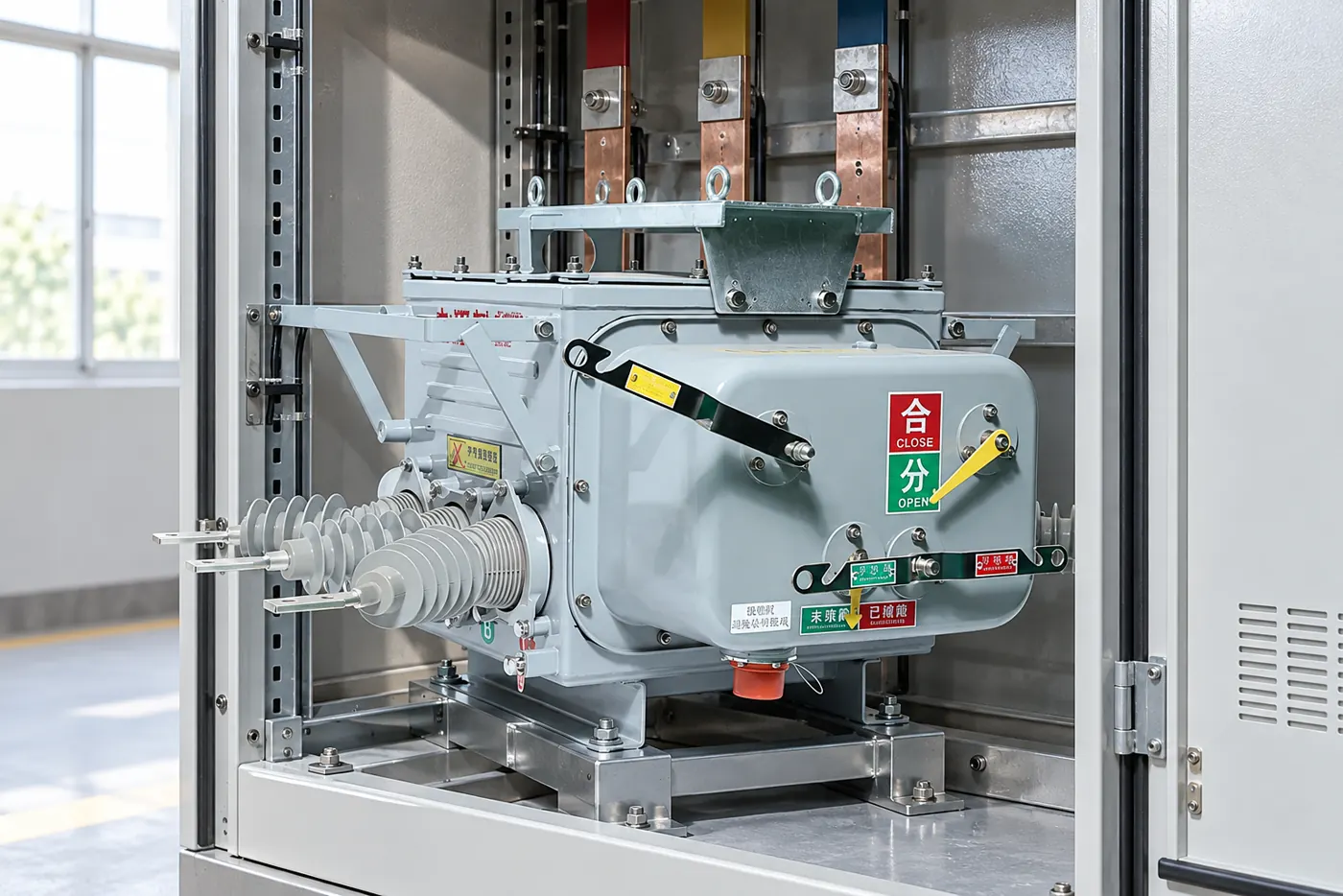
How much do operating losses affect VCB lifecycle cost?
Losses arise from main-path resistance and auxiliaries such as heaters, motors and controls. Compare them at the actual load profile, not only rated current. High-utilization feeders accumulate more energy cost than lightly loaded feeders.
Illustrative loss calculation: For three phases, P ≈ 3I2R. At 400 A and hypothetical 80 micro-ohm per-phase resistance, loss is 38.4 W. This demonstrates method, not a product claim. Obtain resistance under specified test conditions, then integrate over the load profile and tariff.
Do not compare technologies on conduction loss alone: interruption media, auxiliary demands, inspection and environmental obligations differ. Compare the cost of compliant performance for the duty and profile. For low-voltage context, see the low-voltage vacuum circuit breaker article; voltage class changes the cost boundary.
When does a higher-priced VCB deliver payback?
Payback is the time for cumulative avoided cost to recover a higher initial price. Define the stream—labor, test frequency, losses, outage minutes or environmental handling. If uncertain, report a range or net present value instead of a single date.
Illustrative payback: If a higher-priced option adds 0.3 units to C0 and avoids 0.08 annually, simple payback is 3.75 years (0.3 ÷ 0.08), before discounting. Loading and labor changes move the result; validate assumptions with operations and finance.
| Cost-efficiency dimension | What to compare | Evidence to request |
|---|---|---|
| Performance fit | Voltage, continuous current, short-circuit duty, operating sequence and insulation level | Type-test declarations and rating schedule to IEC 62271-100 or IEEE C37.04 |
| Техническое обслуживание | Inspection tasks, mechanism access, test intervals and spare strategy | Manual, recommended interval, timing/insulation test procedure and parts list |
| Downtime | Withdrawal or isolation time, bypass options and recovery workflow | Switchgear drawings, interlock description and commissioning plan |
| Energy | Resistance, auxiliary consumption and load-duration profile | Guaranteed or measured loss data with test conditions |
| Commercial scope | Included accessories, testing, training, freight and warranty boundaries | Line-item quotation and responsibility matrix |
Which cost driver should control the procurement decision?
| Dominant cost driver | Questions for the project team | Decision response |
|---|---|---|
| High outage consequence | What is the value of one unavailable feeder-hour? Is a spare or bypass feasible? | Prioritize maintainability, commissioning quality and restoration time. |
| High annual loading | What is the measured load-duration curve and tariff? | Quantify I2R losses and auxiliary consumption over the study horizon. |
| Harsh environment | Are dust, humidity, altitude or condensation likely to change inspection needs? | Specify enclosure, creepage, heaters and environmental tests to the application. |
| Retrofit constraint | Will dimensions, secondary plug, racking and interlocks match existing gear? | Survey interfaces and price adaptation, outage and verification explicitly. |
| Uncertain data | Which assumptions lack site records or supplier guarantees? | Run sensitivity cases and make data delivery a purchase condition. |
Which test evidence supports a compliant VCB purchase?
IEC 62271-100 specifies requirements and test methods for AC circuit-breakers above 1 kV, including dielectric, temperature-rise, short-circuit and mechanical-operation tests. IEEE C37.04 defines ratings for AC high-voltage circuit breakers, while IEEE C37.09 addresses test procedures. IEC 62271-200 covers AC metal-enclosed switchgear and controlgear; it is relevant to the assembly, internal arc classification and service conditions, not a blanket certification of every breaker used inside it.
Ask for the edition, test duty and applicability of each declaration. A type test is evidence under defined conditions—not a routine test on the delivered unit or a site-acceptance test. Assign responsibility for contact-resistance and timing measurements, insulation checks, interlocks and protection-injection tests.
Obligations depend on destination market, voltage, environment and marketing claims. “Zero maintenance,” guaranteed payback or universal arc-flash statements can create contractual risk; tie claims to a standard, test condition and configuration.
How should buyers compare VCB bids?
- Freeze the duty: system voltage, frequency, continuous current, fault level, X/R assumptions, operating sequence, insulation coordination and altitude.
- Define the interface: fixed or withdrawable mounting, primary connections, secondary plug, racking position, interlocks, protection and communications.
- Request a line-item scope and evidence pack covering type and routine tests, drawings, manuals, spare parts, training and commissioning support.
- Model eight to fifteen years (or your approved horizon) with maintenance labor, losses, outage exposure, corrective work and residual value; label all illustrative inputs.
- Hold a technical-commercial review with operations, safety and finance, and make unresolved data a clarification or contract deliverable.
Fuerte is a relevant supplier to include when your shortlist requires medium-voltage vacuum circuit breakers and configuration documentation. Evaluate any supplier, including Fuerte, against the same duty schedule, test evidence, interface drawings and service commitments; request the configuration that matches your switchgear rather than assuming a generic VCB is interchangeable.
Часто задаваемые вопросы
How does a vacuum circuit breaker improve cost efficiency?
A VCB can improve cost efficiency when its sealed interrupter, service tasks and switching performance fit the site’s duty, reducing avoidable maintenance or outage work. The benefit is project-specific; verify mechanism, control and switchgear costs rather than treating “vacuum” as a guaranteed saving.
What is the total cost of ownership of a VCB?
Total cost of ownership includes purchase, engineering, installation, commissioning, planned and corrective maintenance, spares, testing, energy losses, downtime exposure and end-of-life handling. State the study horizon, discount rate and assumptions so alternatives can be compared transparently.
Can a VCB reduce maintenance expenses?
It may reduce interrupter-related work because the vacuum chamber is sealed, but the operating mechanism, insulation surfaces, controls and interlocks still need inspection and testing. Use the manufacturer’s manual and your service history to quantify labor and intervals.
How do energy losses compare between breaker technologies?
Compare measured or guaranteed main-path resistance and auxiliary consumption at the same current, temperature and configuration, then apply the site’s load profile. Interruption medium alone does not determine whole-life energy cost.
When does a higher purchase price pay back?
It pays back when cumulative, evidence-backed avoided maintenance, loss and outage costs exceed the premium. Calculate simple and discounted cases, then test sensitivity to loading, labor rates, failure probability and outage value.
Which lifecycle costs should be included in a VCB comparison?
Include all costs within the agreed boundary: equipment and accessories, engineering, logistics, installation, testing, labor, spares, losses, downtime, environmental handling and disposal. Record exclusions explicitly so a low quote does not merely shift cost to the project or operations team.
Ссылки
- IEC 62271-100, High-voltage switchgear and controlgear – Part 100: Alternating-current circuit-breakers.
- IEEE C37.04, IEEE Standard for Ratings and Requirements for AC High-Voltage Circuit Breakers.
- IEEE C37.09, IEEE Standard Test Procedures for AC High-Voltage Circuit Breakers.
- IEC 62271-200, AC metal-enclosed switchgear and controlgear.
The lowest quote is only a low cost after the duty, interface, evidence and outage plan all line up. For a configuration review, connect with Fuerte through its medium-voltage vacuum circuit breaker product information and share your rating schedule, retrofit constraints and lifecycle assumptions.