

A request for a 20 kV fuse cutout often arrives with a voltage label and little else. That shortcut makes it tempting to copy a 15 kV or 27 kV catalogue page, even though insulation level, continuous current, fault duty, link class, and mounting details may differ. The safe selection path starts with system inputs and treats neighboring voltage classes as references, not automatic substitutes.
Summary: A 20 kV fuse cutout RFQ should document system voltage, insulation/BIL basis, continuous current, available fault level, fuse-link expectations, switching duty, and mounting context before a model is proposed. IEC 60282 provides the fuse reference framework; IEEE and utility specifications may add local requirements. Confirm every number against the approved drawing or study.
Which system inputs belong in a 20 kV fuse-cutout request?
| Masukan | Source to cite | Reject when |
|---|---|---|
| System voltage and frequency | Utility standard or single-line diagram | Copied from another class |
| Insulation level/BIL | Insulation schedule | No reference shown |
| Continuous current | Design-basis calculation | Unattributed estimate |
| Fault level | Study or utility value | Slogan-only fault claim |
| Fuse link | Protection study and link class | Link scope silent |
Why can’t 15 kV and 27 kV pages be treated as substitutes?
They can provide process guidance, but ratings, insulation coordination, creepage, and mechanical dimensions may not transfer. Ask the bidder to identify the exact 20 kV-rated configuration and state the standard and test basis used.
What mounting and operating details should be captured?
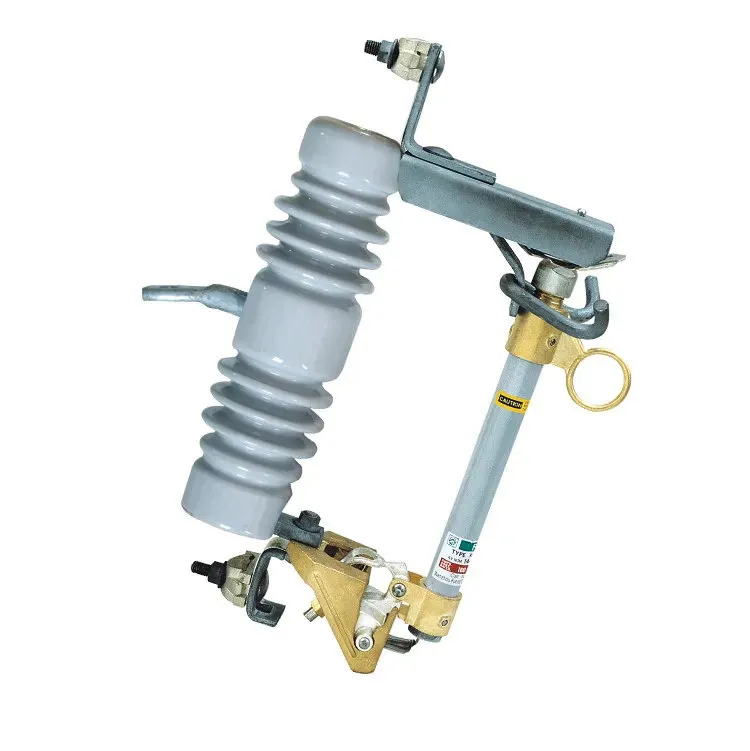
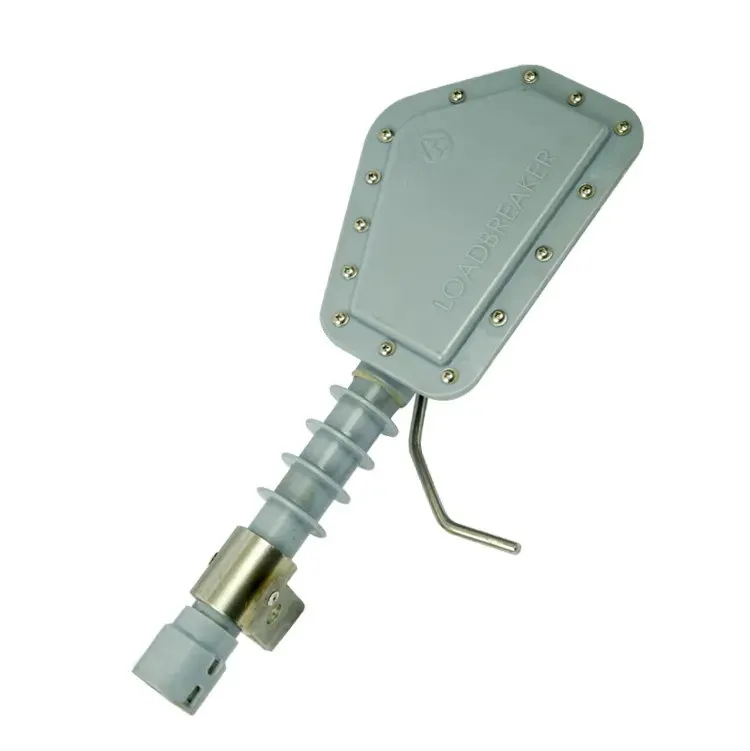
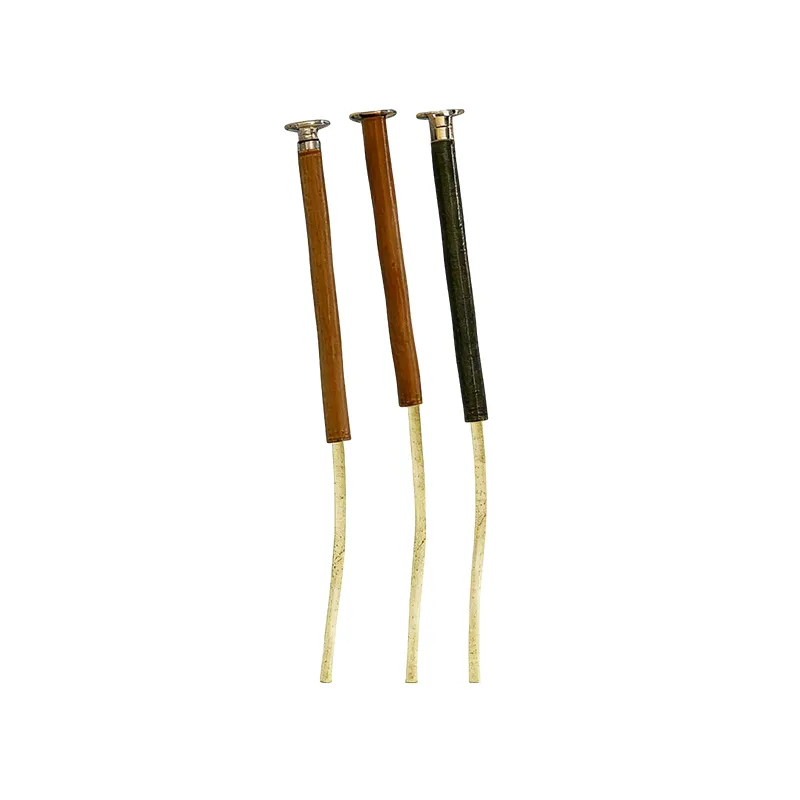
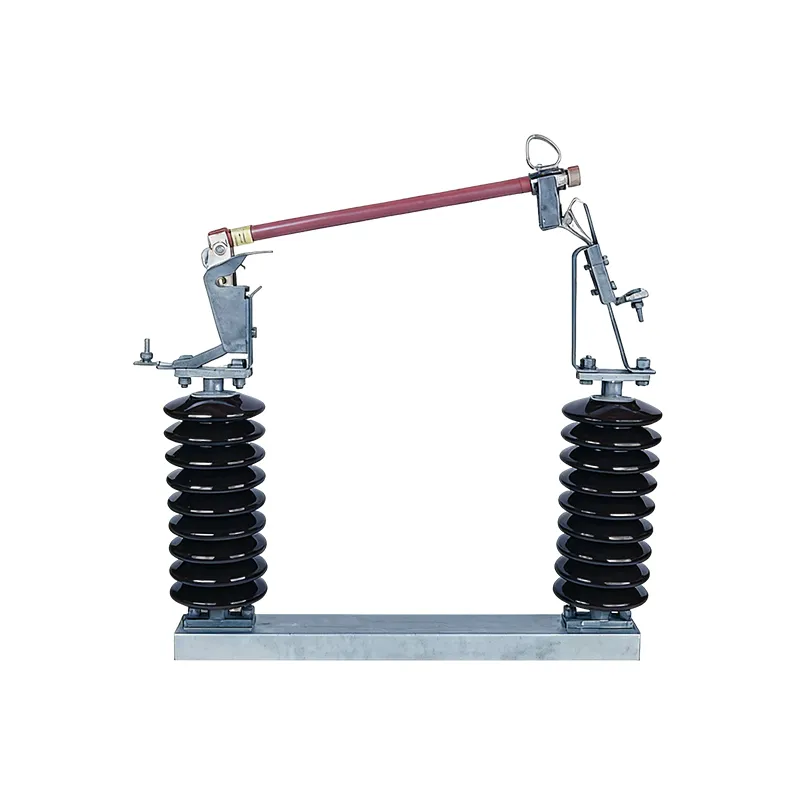
Record phase arrangement, bracket and pole interface, conductor connection, dropout indication, earthing, and whether standard, linkbreak, or loadbreak operation is required. A product image cannot establish the complete installation kit or the owner’s switching procedure.
| Dimensi keputusan | Evidence | Boundary |
|---|---|---|
| Protection | Link characteristics and coordination basis | No unreviewed substitution |
| Insulation | System schedule and test references | Voltage label alone is incomplete |
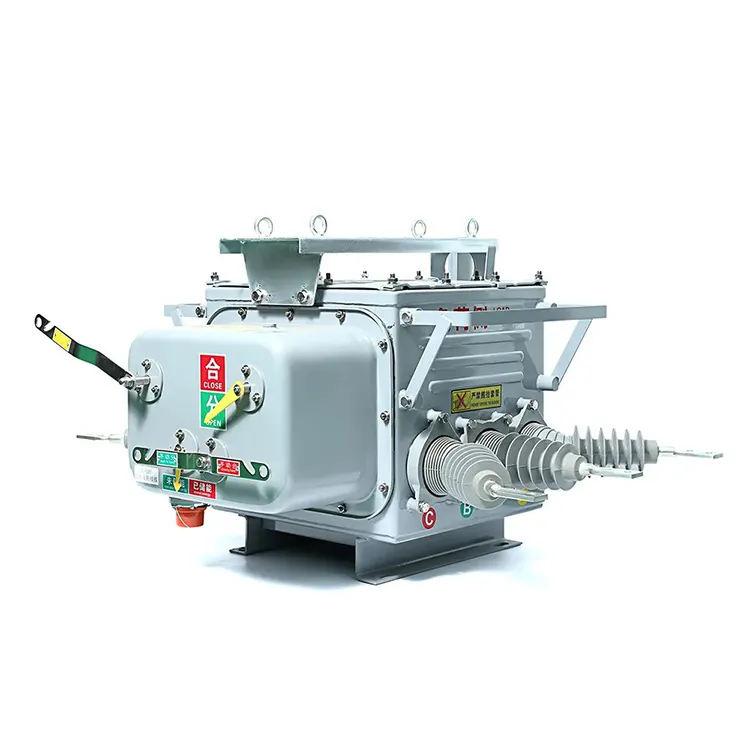
| Interface | Drawings and hardware dimensions | Photo is not a drawing |
| Operation | Owner procedure and duty rating | Visible dropout is not loadbreak proof |
How should procurement release the inquiry?
- Attach the single-line diagram, insulation schedule, and fault-study reference.
- State link class, current basis, and any loadbreak or linkbreak requirement.
- Request model-specific data, dimensions, tests, and deviations.
- Hold approval with the responsible protection and line-design team.
Use the fuse-cutout category to route a documented question, and compare with the 15 kV guide only for process context.
Pertanyaan yang sering diajukan
Is a 20 kV cutout simply a 15 kV cutout with a different label?
No. The complete insulation and duty basis must be checked. A nearby class is not an automatic replacement.
Does “20 kV” identify the required BIL?
No. Use the project insulation schedule and applicable utility or standard requirement.
Can the fuse link be selected after the cutout?
The cutout and link should be reviewed together against coordination and interface evidence. Do not leave link scope implicit.
What if fault level is not available?
Mark it open and request the approved study or utility value. Do not substitute a catalogue maximum as the project duty.
Kesimpulan
A 20 kV fuse-cutout decision is a system-input exercise before it is a catalogue exercise. Confirm voltage, insulation, current, fault level, link coordination, interface, and operating duty from controlled project documents; then ask for a model-specific offer with deviations visible. Do not copy a 15 kV or 27 kV page into the RFQ and assume equivalence. Fuerte can review the completed input pack through its fuse-cutout route, while final selection remains an engineering approval.