
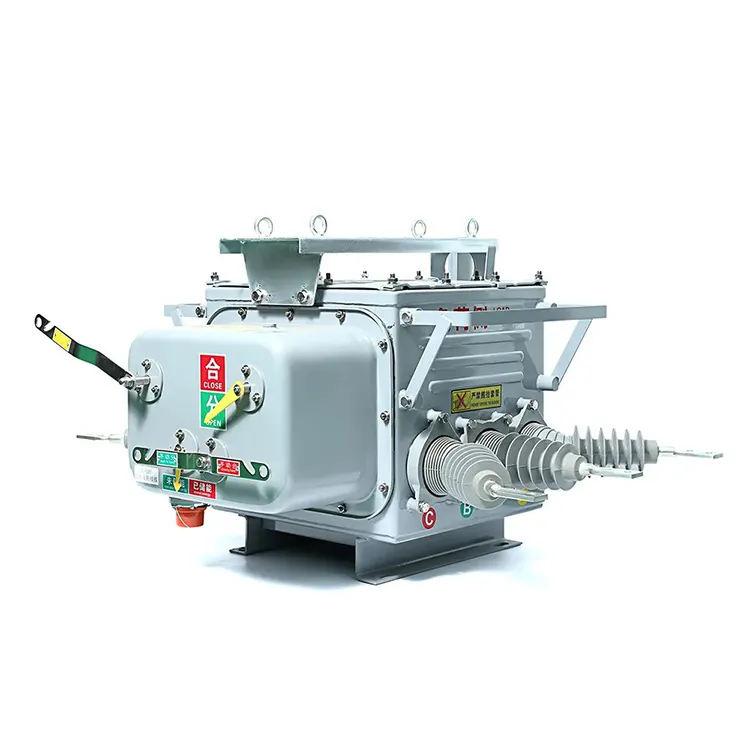
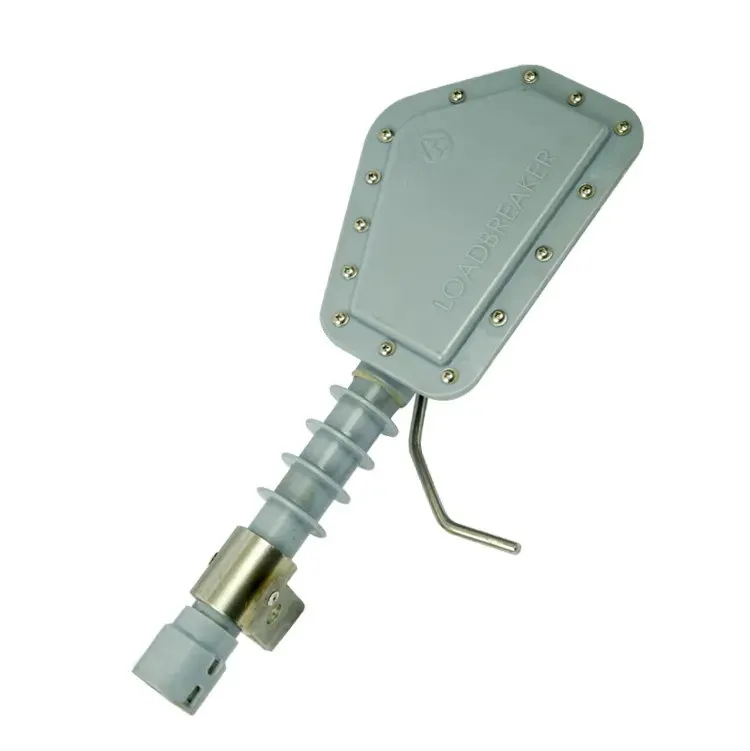


A vacuum circuit breaker is often described as if it were a general answer for every medium-voltage feeder. The useful question is narrower: what is the breaker expected to switch, where will it sit, and which fault or transient duties apply? A utility feeder, an industrial motor, a generator terminal and a capacitor bank can all be called “medium voltage,” but they do not create the same application brief. A breaker selected from voltage alone can fit the headline number and still fail the project review. This guide maps common use cases to the extra information a buyer should provide.
Which applications commonly use a medium-voltage VCB?
Utility and industrial distribution feeders use VCBs to clear faults and switch circuits in primary distribution. ABB lists cables, overhead lines, substations, motors, transformers, generators and capacitor banks among its application inputs. In commercial buildings and infrastructure, the breaker normally sits upstream in medium-voltage switchgear; it is not a replacement for a low-voltage household circuit breaker.
Renewable plants and on-site generation add bidirectional or generator-fed fault contributions that may change the interruption review. The correct product route depends on the network study and the equipment duty, not on the renewable label by itself.
Which special loads deserve a separate duty review?
Generator applications can produce delayed current zero and severe TRV. ABB identifies a dedicated VD4G product for generator duties. Capacitor-bank switching can require controlled switching or a product designed for the associated inrush and restrike conditions; ABB lists VD4-CS for that application. Arc-furnace transformer switching is another specialised case in ABB’s catalogue.
These examples are decision boundaries, not a universal product recommendation. A feeder breaker should not be presented as a generator or capacitor solution without the relevant evidence and application review.
What changes between indoor switchgear and an outdoor installation?
The same interrupter principle does not remove installation differences. Indoor metal-enclosed switchgear brings enclosure, interlock, withdrawable or fixed construction, busbar and secondary-interface questions. Outdoor equipment adds weather exposure, pole or tank arrangement, clearances, local controls and environmental service conditions.
Confirm the complete assembly and its operating instructions. IEC 62271-200:2021 addresses AC metal-enclosed switchgear, while IEC 62271-100:2021+AMD1:2024 addresses AC circuit-breakers; those scopes should not be collapsed into one certificate claim.
Which application input should appear in the enquiry?
| Aplicación | Extra question | Why it matters |
|---|---|---|
| Utility or industrial feeder | Fault level, feeder type and switching duty | Confirms interrupting and making requirements |
| Motor or transformer feeder | Starting, inrush and switching frequency | Checks transient and operating-cycle implications |
| Conexión del generador | Generator contribution, synchronisation and TRV study | May require a dedicated generator-duty review |
| Banco de condensadores | Bank arrangement, inrush and back-to-back duty | Controls restrike and transient assessment |
| Renewable plant | Grid interface, inverter contribution and protection scheme | Avoids treating every plant as the same feeder |
Why is a residential reference easy to misunderstand?
A residential or commercial user may receive power through a medium-voltage primary network, but the VCB is normally part of utility or building primary switchgear. It is not the device used at a household socket. The site boundary and switchgear ownership should be stated in the enquiry.
How should an application brief be released?
Record the system voltage and frequency, short-circuit study, load type, installation, operating sequence, control power, interface and required evidence. Then identify whether the breaker is fixed, withdrawable, pole-mounted or integrated in another assembly. FUERTE’s vacuum circuit breaker range is a starting point for named configurations; the ZW20-12 product page does not by itself approve a different duty.
Preguntas frecuentes
Are vacuum circuit breakers used for motors and transformers?
They can be, when the complete breaker and protection arrangement are rated for that load. Starting, inrush and switching frequency must be included in the review.
Can one VCB cover a generator and a utility feeder?
Not automatically. Generator-fed faults and TRV can require a dedicated duty assessment and product evidence.
Are capacitor-bank breakers the same as feeder breakers?
They may use the same interruption technology, but capacitor switching can introduce specific inrush, restrike and controlled-switching requirements. Confirm the bank arrangement.
Does outdoor use require a different breaker?
It requires an arrangement and enclosure suited to the environment and installation. Review the outdoor equipment documentation rather than transferring an indoor rating.
Resumen
Medium-voltage vacuum circuit breakers are commonly used in utility distribution, industrial and commercial primary distribution, substations, renewable-energy plants, generator systems and selected capacitor-bank duties. The suitable configuration depends on load type, fault contribution, transient recovery voltage, switching frequency, installation format and control interface. ABB’s public range separates general products from dedicated generator, capacitor and arc-furnace applications, illustrating why “vacuum” is a technology description rather than a complete duty specification. Start with the network and load, then confirm the tested breaker and switchgear arrangement.
Conclusion
Where a VCB is used matters as much as the fact that it uses vacuum interruption. Begin with the network and load, isolate special duties such as generator, capacitor and furnace switching, and then check the installation format, control interfaces and tested assembly. Voltage is an entry field; it is not a complete selection rule. Keep the application study and the offered configuration together so later reviewers can see why the breaker was chosen. FUERTE’s vacuum circuit breaker category can help identify a candidate, while the contact team can respond to a project-specific application brief.