
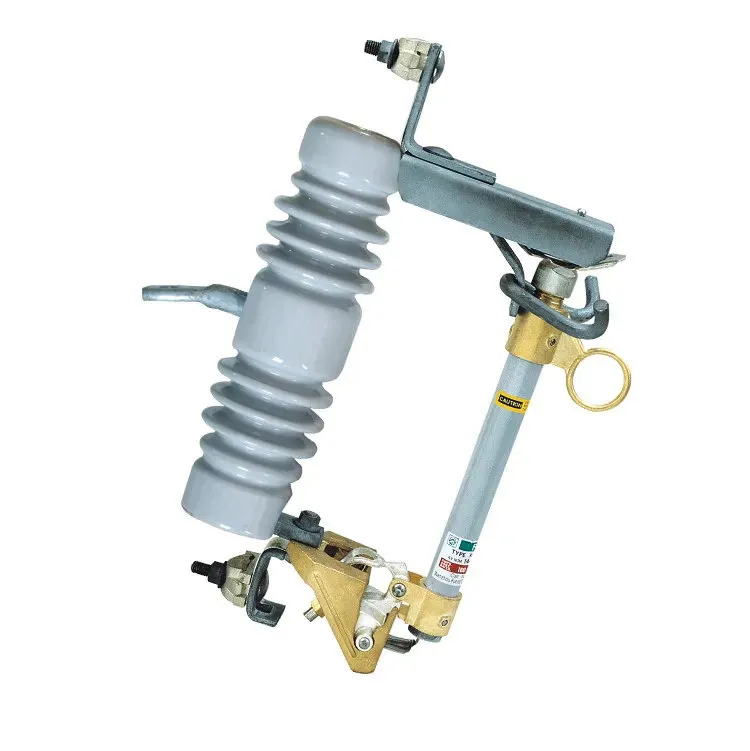
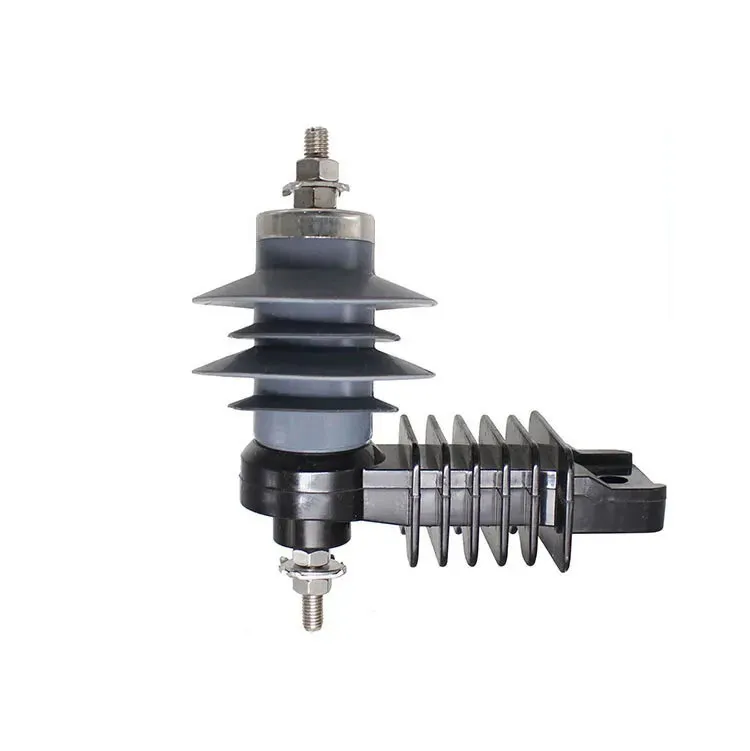
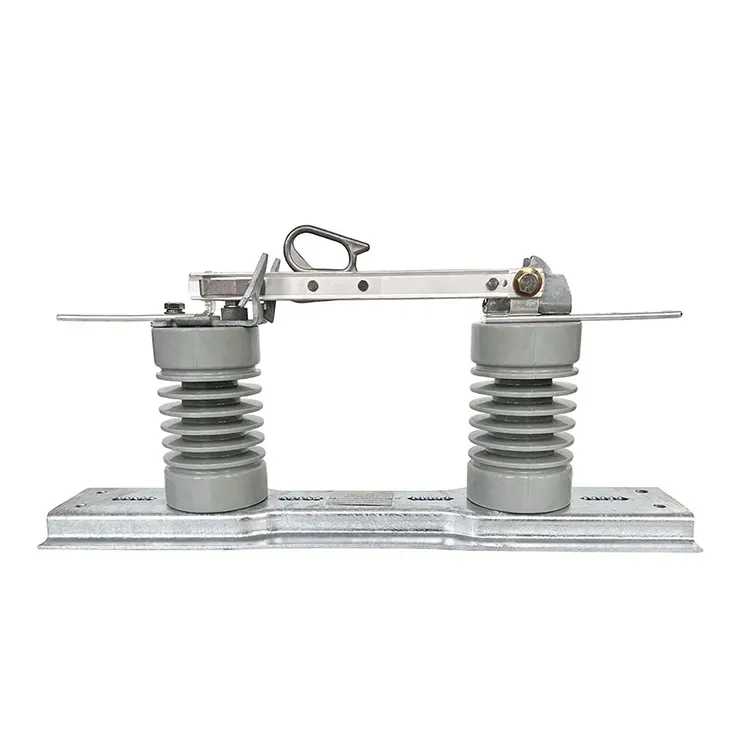
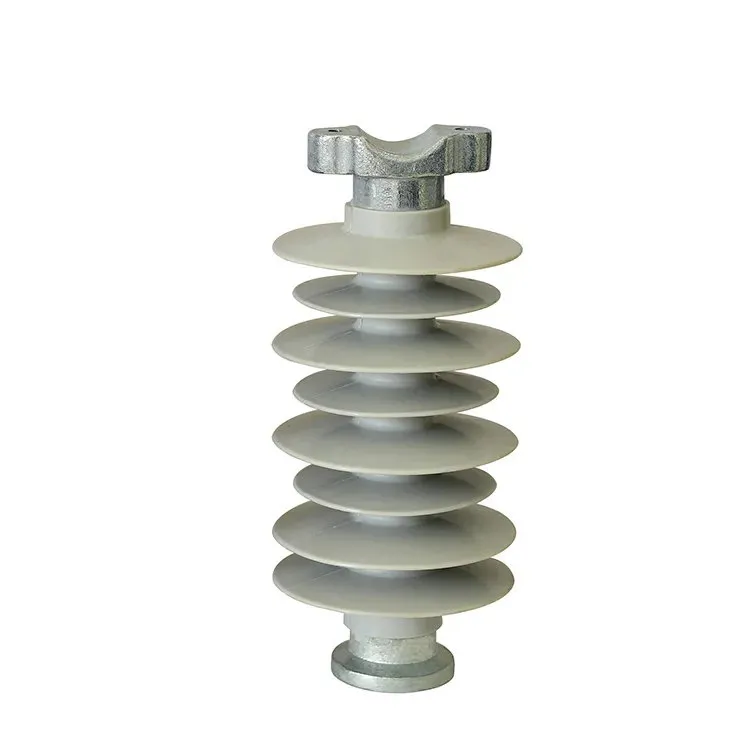
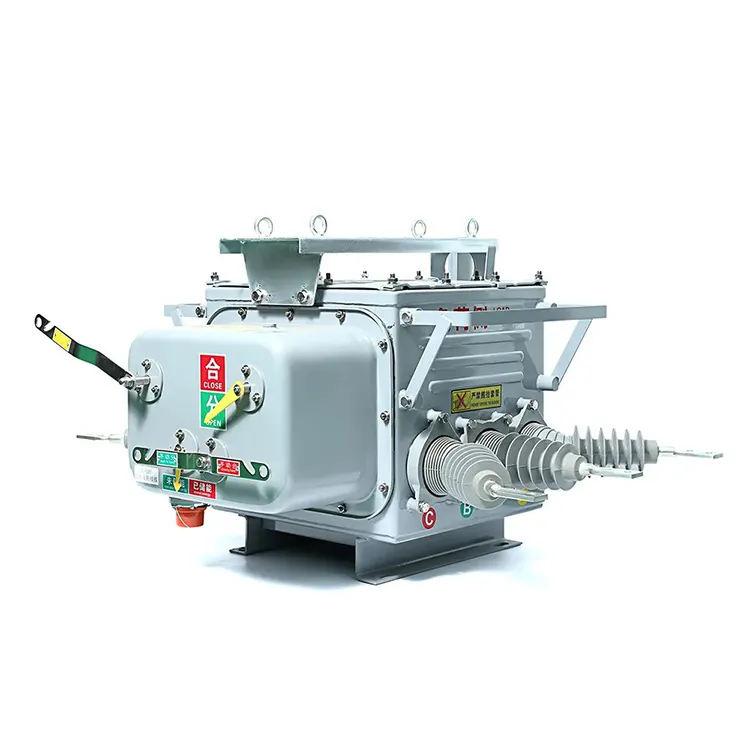
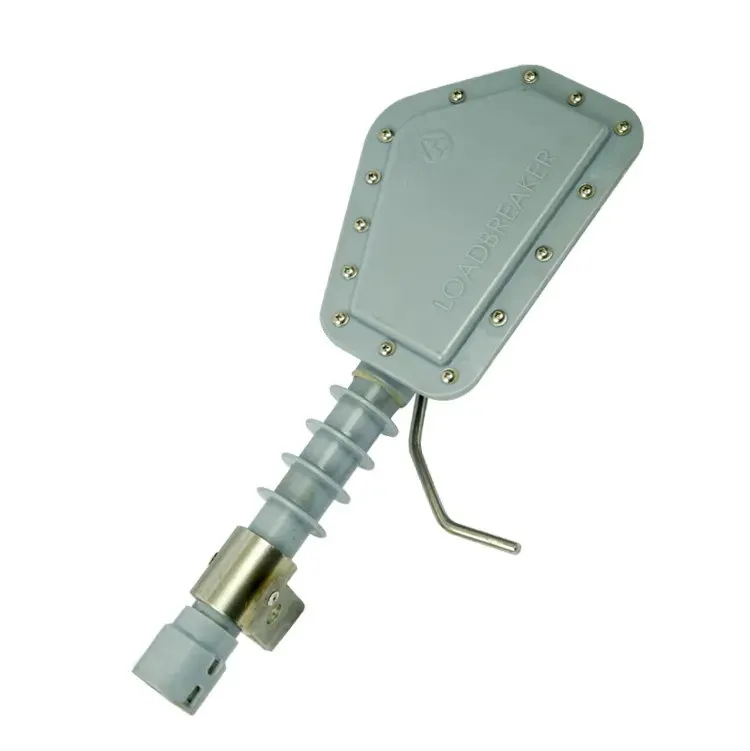


Mounting a breaker on a pole can place protection closer to a feeder section, but the installation is more than a switch suspended above the road. The pole must support it, the protection must receive usable measurements, and the controls must retain the energy needed to trip. Remote commands also need to produce the intended physical result. This guide explains how to specify those functions and why a pole-mounted vacuum breaker should not automatically be called a recloser.
A pole mounted فراغ مفتاح الحماية combines vacuum interruption with an outdoor mounting arrangement for an overhead distribution application. Automatic reclosing requires a suitable complete device, protection controller and commissioned scheme; it is not established by pole mounting. Check voltage, insulation, fault duty, mechanical support, sensing, auxiliary power and local operating requirements. For example, Eaton describes its NOVA as a vacuum-interrupting recloser combined with an automated microprocessor control. That documented system function is different from assuming any outdoor breaker can provide the same behavior.
When does a pole-mounted breaker need reclosing?
Reclosing can be useful on circuits where the protection policy permits an automatic attempt to restore supply after a trip. Whether it is appropriate depends on the feeder, connected equipment, fault behavior and operating rules. A line section with distributed generation or personnel at work may require different blocking and isolation arrangements.
Specify whether the project needs fault interruption only, automatic reclosing, remote switching or a combination. The difference between a recloser and a circuit breaker should be resolved before reviewing quotations. Avoid buying the main unit first and assuming a controller can later add every missing duty.
What must the protection controller know?
The scheme needs measurements appropriate to its functions. Current-sensor ratios, accuracy, polarity and wiring affect protection performance. Voltage measurements, where required, must also suit the intended logic. State what happens for phase faults, earth faults and abnormal supply conditions, and have the settings coordinated with the network.
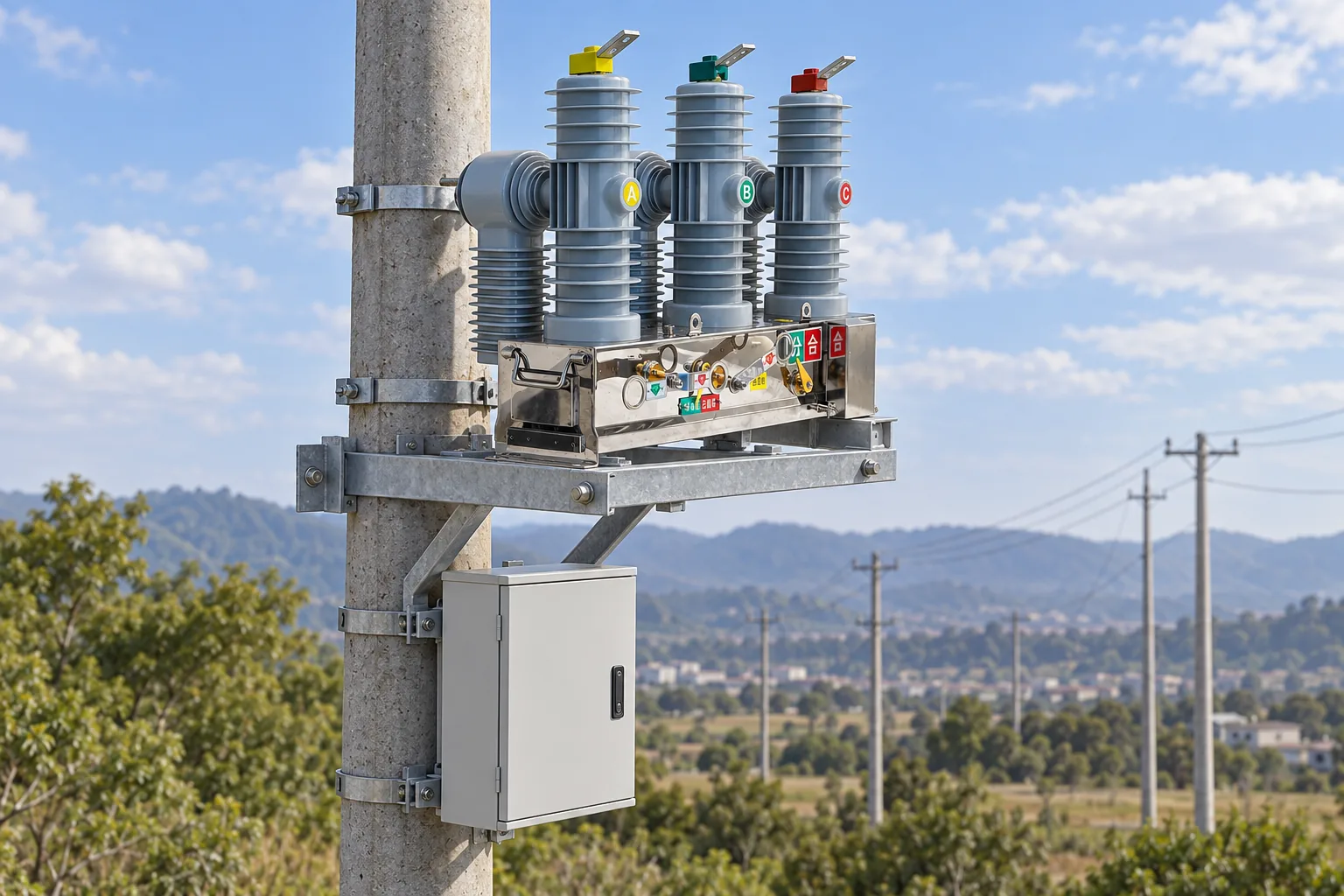
Feeder protection coordination includes downstream devices and the upstream substation protection. A fast local trip is not automatically selective. Where reverse power flow is possible, the protection engineer should assess whether directional or other additional functions are needed rather than relying on a standard setting file.
Can the breaker still trip when its supply is lost?
Identify how the device and controller obtain operating energy. Ask what functions remain available during loss of the auxiliary supply and how any battery or stored-energy system is supervised. The answer depends on the exact equipment and interface; it should not be inferred from the actuator description.
ال guide to breaker controls and operating mechanisms explains the difference between sensing a fault, issuing a trip command and physically opening the contacts. Commissioning should prove that complete chain under the defined power conditions.
| الوظيفة | ما الذي يجب التحقق منه | What is insufficient |
|---|---|---|
| إزالة العيوب | Rated interruption and coordinated protection | A controller trip indication alone |
| إعادة الإغلاق التلقائي | Approved sequence, timing, blocking and lockout | The presence of a close coil |
| Remote operation | Commands, local authority and confirmed state feedback | A working communications link alone |
| Power availability | Trip/close energy and supply supervision | An untested backup-power claim |
| Pole installation | Structural support, clearances and service access | A bracket that appears to fit |
What does the pole and line design need to establish?
The utility or responsible designer must assess the pole, brackets and attachments for the relevant equipment weight, conductor forces and local environmental loads. Installation drawings also need to address phase clearances, grounding, surge protection and the operating position. No generic mounting height or universal clearance is suitable for every network and jurisdiction.
Plan how personnel will operate, isolate and maintain the installation without treating the breaker-open indication as proof of isolation. Identify the required disconnecting and earthing arrangements and possible backfeed sources. The details belong in the utility’s approved design and switching procedures.
Which remote-control checks prevent misleading status indications?
Test local and remote control authority, command acknowledgement, actual position feedback and the defined response to communications loss. Check that maintenance blocking cannot be overridden by an ordinary remote close command. State which alarms require immediate action and how time-stamped events will be interpreted.
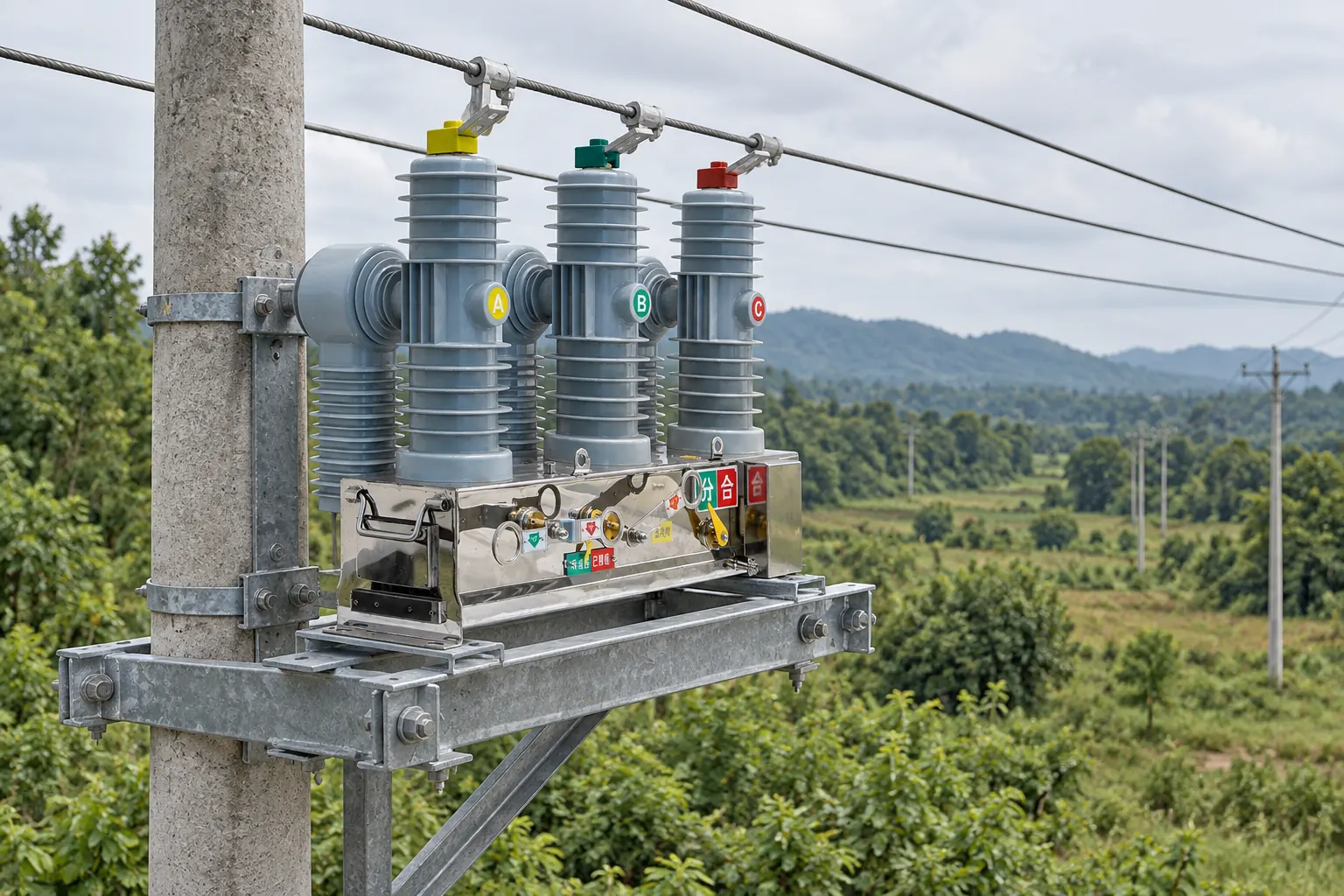
On a remote feeder, a communication problem should be distinguishable from a breaker or control-power problem. The discussion of pole-mounted recloser applications provides context for selecting the automation function. Do not use a protocol name as a substitute for an agreed point list and tested operating behavior.
How should a remote installation be maintained?
Use the model instructions, actual environmental exposure, operation history and protection events to establish the service plan. Include inspection of insulation and terminals, enclosure seals, supports, grounding, power supplies and communications where applicable. A sealed interrupter does not make the whole installation maintenance-free.
Record baseline results and retain event data after trips. If repeated operations occur, determine their cause rather than simply resetting the controller. The appropriate response may involve the feeder or protection settings rather than the breaker mechanism.
الأسئلة الشائعة
Is a pole-mounted VCB the same as a recloser?
No. Pole mounting describes installation. A recloser provides a specified automatic trip-and-reclose function through its complete hardware and control arrangement.
Can every pole-mounted breaker connect to SCADA?
No. Confirm the controller, interface, communications equipment, point list and local/remote control logic for the exact proposal.
Does a VCB need batteries on a pole?
The power arrangement is product-specific. Some systems use batteries or other stored-energy arrangements; others use different supplies. Verify the required functions during loss of power.
Can reclosing be enabled on a feeder with solar generation?
Only after the network protection and operating review establishes suitable conditions, coordination and blocking. Distributed generation can change current flow and restoration assumptions.
What is the correct installation height?
It must come from the utility’s approved design and applicable local rules, considering electrical clearances, access and structural requirements. A universal number would be misleading.
Does opening the breaker make the line safe to work on?
No. Isolation, absence-of-voltage verification, earthing and protection against backfeed must follow the authorized work procedure.
ملخص
Choose the pole-mounted protection function before choosing the hardware. Establish whether the feeder needs a breaker, an automatic recloser or additional remote-control features, then verify the complete measurement, protection and operating-energy chain. The pole, clearances, grounding and maintenance arrangements need their own approved design. The operator should have an agreed response to communications failure, power-supply alarms and lockout, with a clear distinction between remote indications and confirmed equipment condition. Fuerte’s pole-mounted breaker equipment can be reviewed against that specification. Confirm every control and reclosing function for the exact model rather than inferring capability from its outdoor housing, mounting bracket or vacuum interrupters.