
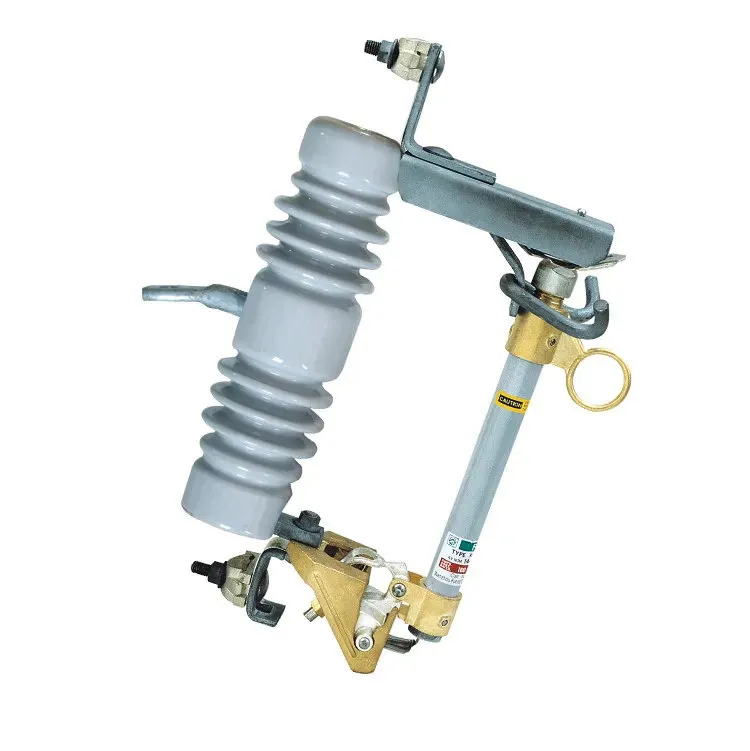
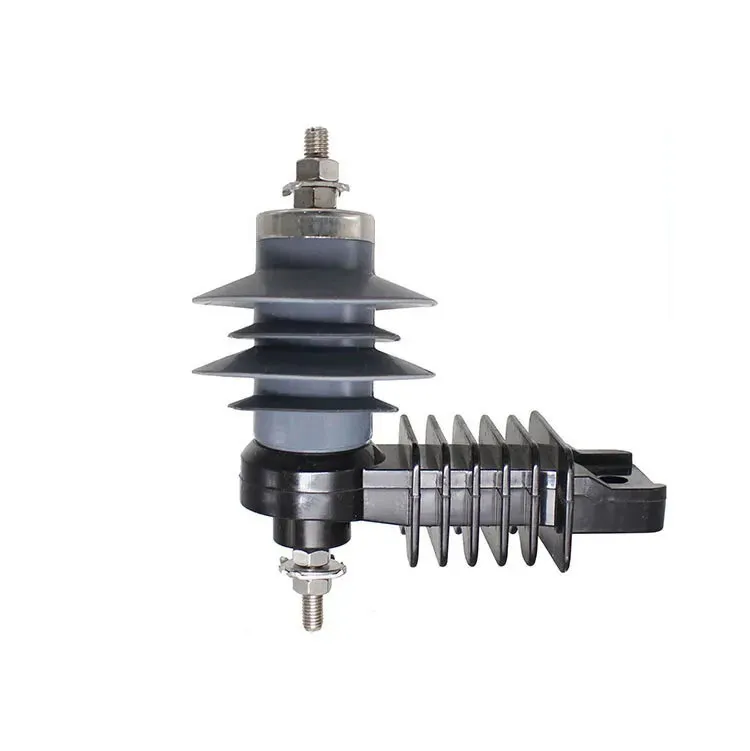
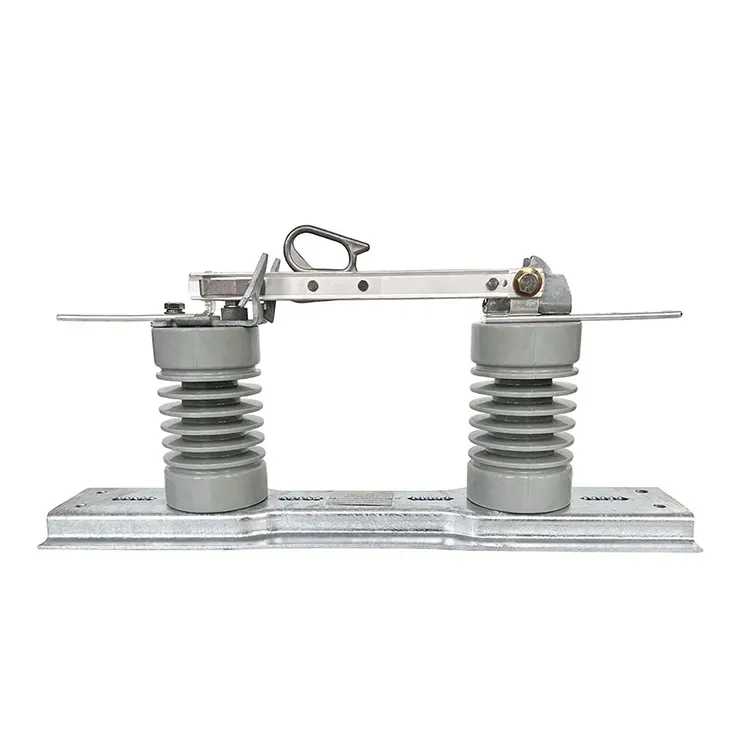
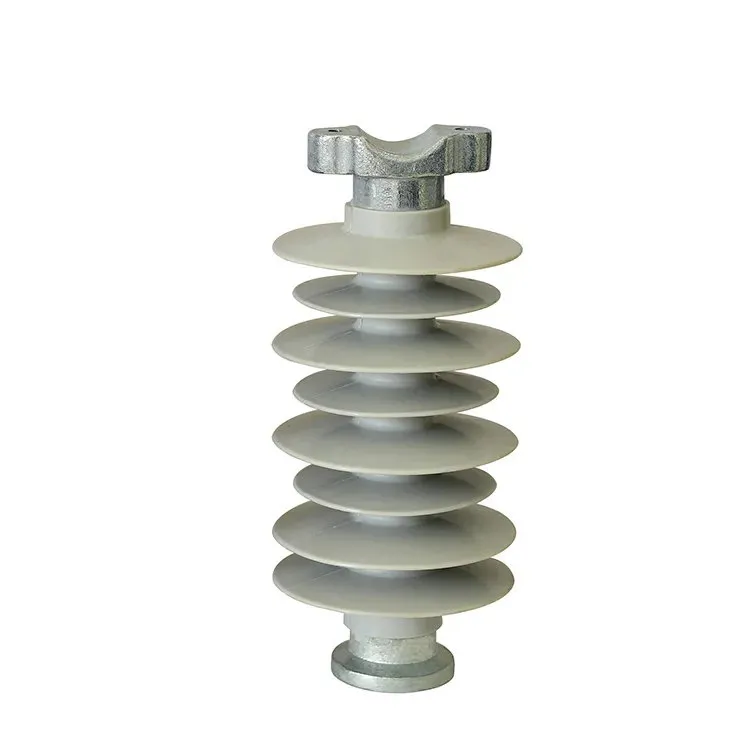
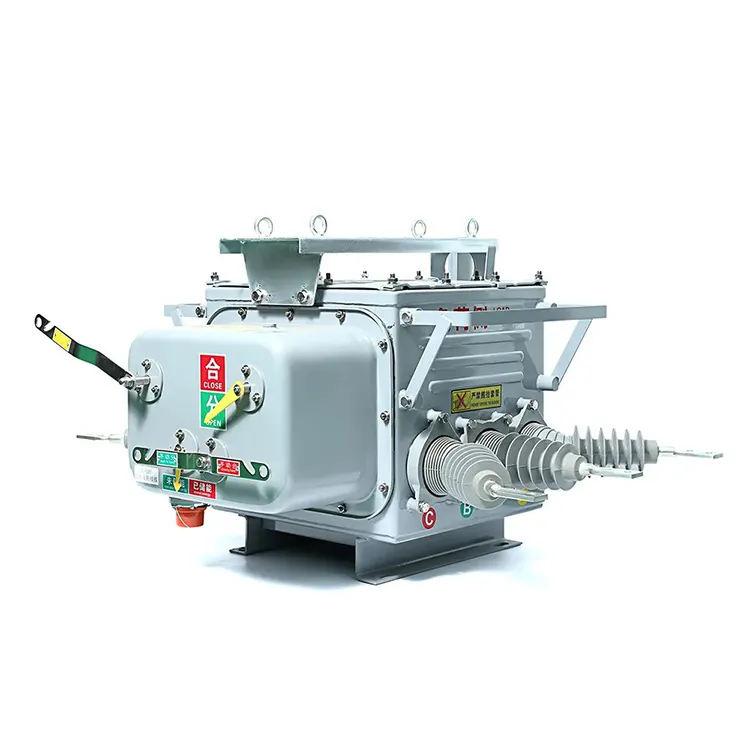
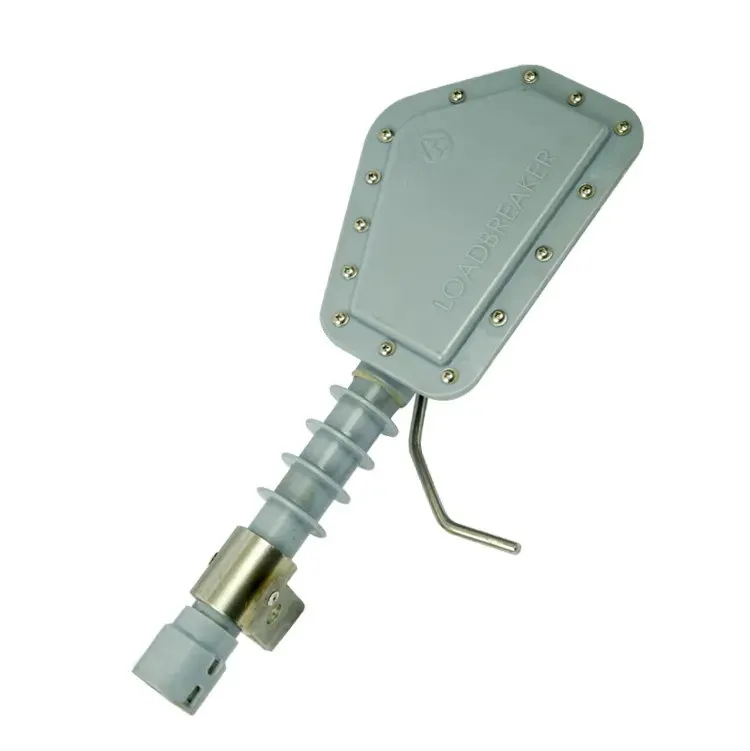


A fuse-cutout receiving record is a release-control document, not a protection study. The receiving team can compare the delivery with the approved order, capture visible markings, and identify missing paperwork. It cannot authorize energization or infer coordination from a familiar shape. Keeping those boundaries explicit prevents a warehouse check from becoming an unreviewed engineering decision.
Summary: A fuse cutout receiving inspection record should tie each package and item to the purchase order, approved offer, model reference, quantity, visible condition, photographs, document revision, and discrepancy action. IEC 60282 and project procedures define technical boundaries; receipt comparison alone does not prove installation suitability, operating condition, or interchangeability.
What should be checked against the approved order?
| Record field | Receiving observation | Release boundary |
|---|---|---|
| Order identity | PO, line item, approved offer | Do not substitute a family label |
| Model/marking | Package and item text | Clarify unreadable fields |
| Quantity | Count by line item | Do not infer completeness |
| الظروف | Visible damage or packaging issue | Internal condition remains open |
| Documents | Drawing/data revision and packing record | Missing files require action |
Which observations should photographs support?
Take wide and close-up images tied to the order line, packaging, markings, and visible interfaces where site procedure permits. Record date, item reference, and photographer or inspection record. A photo supports an observation; it does not prove an internal rating or model substitution.
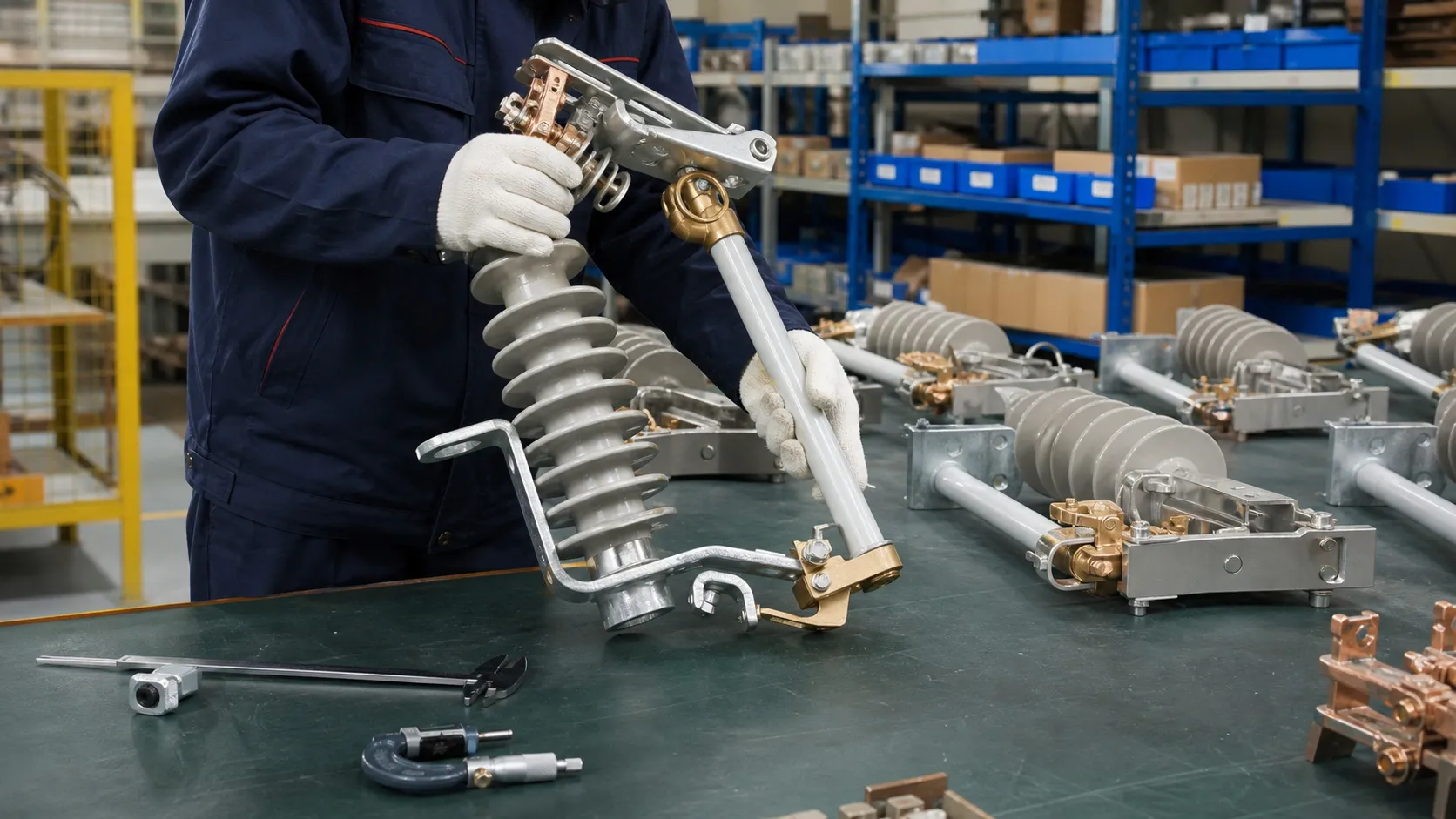
Use cutout component identification to distinguish a missing holder, terminal or mounting item from a discrepancy in the complete assembly.

What must stay outside receiving inspection?
Protection coordination, interrupting duty, installation suitability, operating sequence, and energization authorization belong to the responsible engineering and owner processes. The receiving record should flag a discrepancy and route it; it should not resolve the technical question by assumption.
| Issue type | Action | Owner |
|---|---|---|
| Marking mismatch | Hold and request supplier clarification | Procurement/quality |
| Missing drawing | Log document action | Document control |
| Visible damage | Preserve evidence and inspect per procedure | Quality/site |
| Technical uncertainty | Escalate to engineering | Responsible engineer |
How should a discrepancy be closed?
- Cite the order line and supporting photograph or document.
- Describe the observed mismatch without assigning an unverified cause.
- Request a written supplier response and revised record where needed.
- Keep release or hold with the owner’s approved process.
For identification support, see the fuse-cutout parts guide and the fuse-cutout category.
الأسئلة الشائعة
Does receiving inspection authorize installation?
No. It compares delivered evidence with the approved order. Installation and energization require the owner’s qualified process.
Can a photo prove the cutout rating?
No. It can record visible markings and condition. Rating and duty require controlled technical documents.
What should happen when quantity is correct but documents are missing?
Record the delivery and open a document discrepancy. Do not treat physical count as technical release.
Who closes a technical mismatch?
The designated procurement, quality, document-control, and engineering owners should follow the project procedure.
خاتمة
A receiving inspection earns trust by recording what arrived and routing what remains uncertain. Compare each item with the approved order, preserve traceable photographs and document revisions, and escalate technical questions instead of resolving them at the warehouse. Do not use receipt acceptance as a substitute for coordination or energization approval. Fuerte can answer a documented fuse-cutout clarification request when the order line and evidence are supplied.