


A control-centre display can show a breaker as open while the underlying signal is stale or its meaning has been configured incorrectly. The problem is not solved by adding more data points. Substation automation needs agreement about what each signal represents, where it originates and which functions depend on it. The same discipline applies to commands: a remote request, a permitted operation and confirmed equipment movement are different events. Before choosing communication hardware, define the protection, control and monitoring duties, operating authority and required failure responses. These decisions determine what the system must communicate and what commissioning must demonstrate.
Substation automation combines devices and systems that protect circuits, control equipment and report operating information. Protection responds to defined electrical conditions; control implements authorized actions; monitoring provides measurements, alarms and status. IEC 61850 covers more than a protocol name: the IEC describes data models, engineering language and communication services as parts of the series. A project must still specify the actual functions, mappings, timing and interfaces. Loss of a remote connection does not have one universal consequence; the required local and remote behaviour must be established and tested for the chosen architecture.
How do protection, control and monitoring differ?
| Function | Main purpose | Question to settle |
|---|---|---|
| Protection | Detect defined abnormal electrical conditions and initiate the intended response | Which inputs, logic and trip paths does it depend on? |
| Control | Carry out authorized equipment actions | Who has authority and which permissives apply? |
| Monitoring | Report measurements, alarms and equipment status | What is the source, quality and update behaviour of each value? |
| Event recording | Support analysis of the sequence of events | Where is the event timestamp generated and how is time maintained? |
Substation automation should not blur those distinctions. A monitoring alarm is not automatically a protection trip, and an accepted command is not proof that the equipment reached the requested state. Each relationship belongs in the functional design.
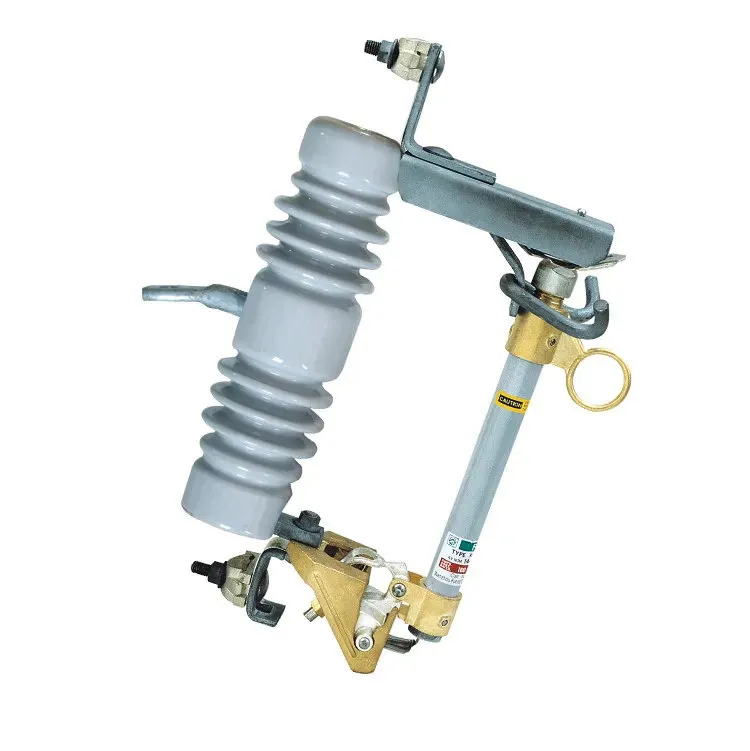
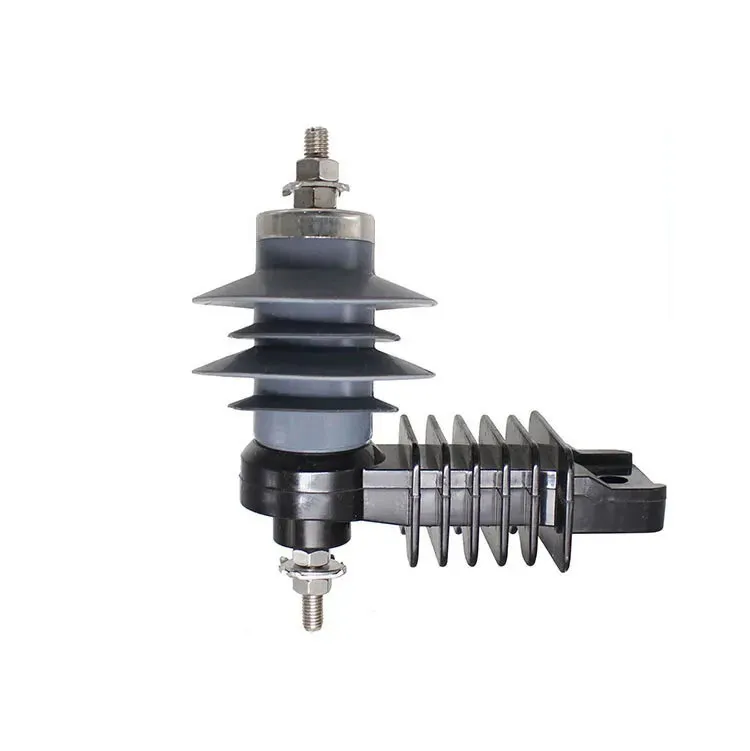
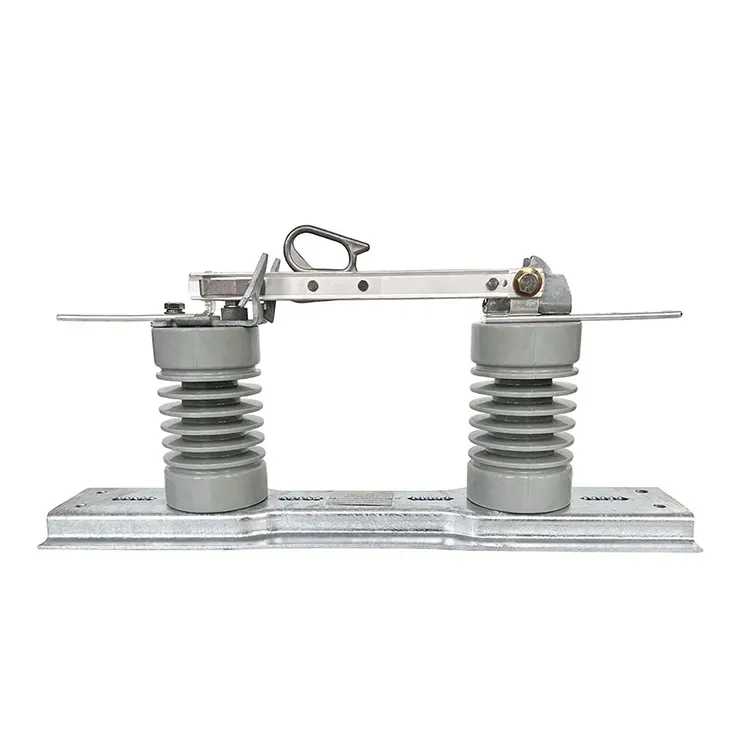
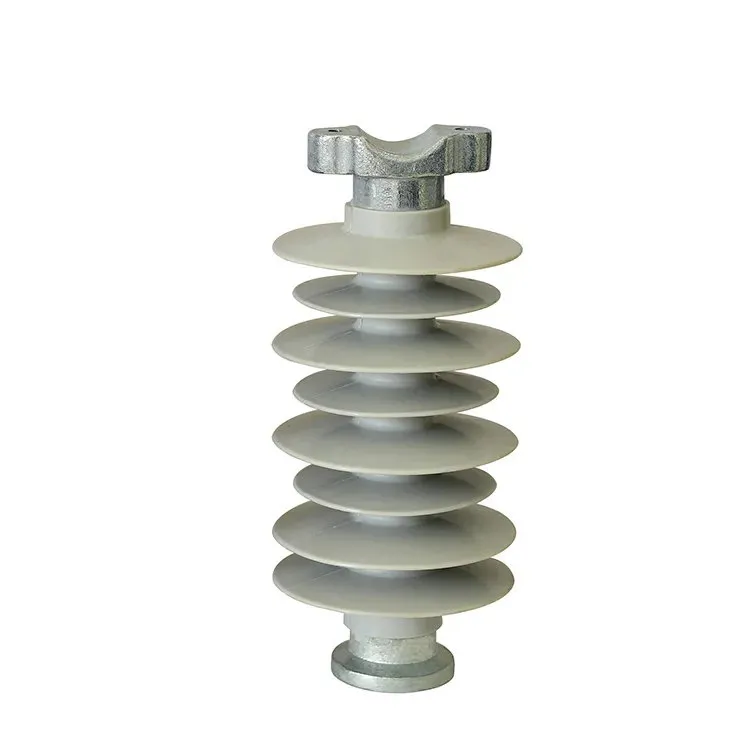
The substation component guide explains the primary equipment and measurement roles beneath these functions. Automation must describe the real equipment rather than assuming every device has the same controls or feedback.
What must be confirmed at the breaker interface?
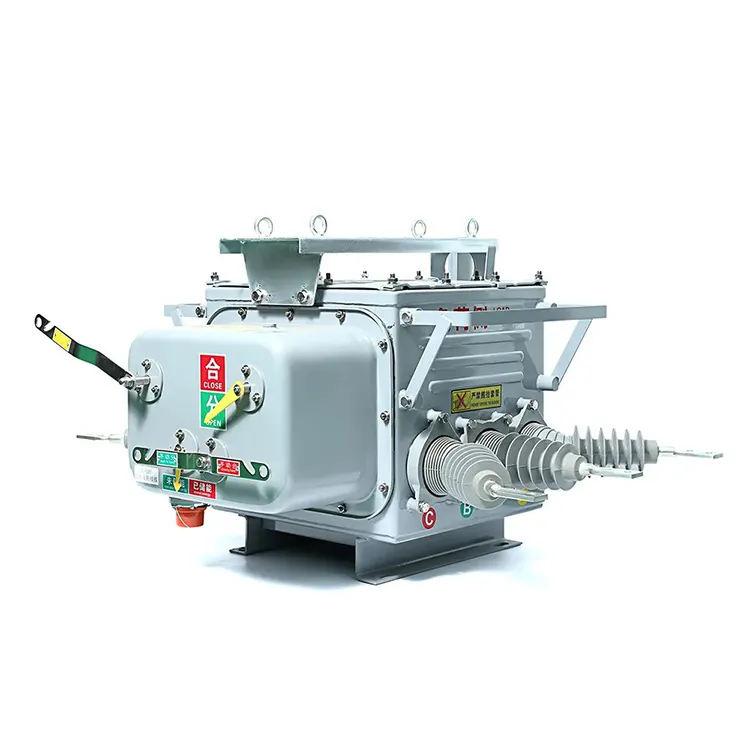
Identify the actual control supply, command inputs, status contacts, available indications and required interlocks. Confirm the supplier’s terminal schedule and the project’s signal definitions. A model name or photograph cannot establish an IEC 61850 interface or a particular remote-control capability.
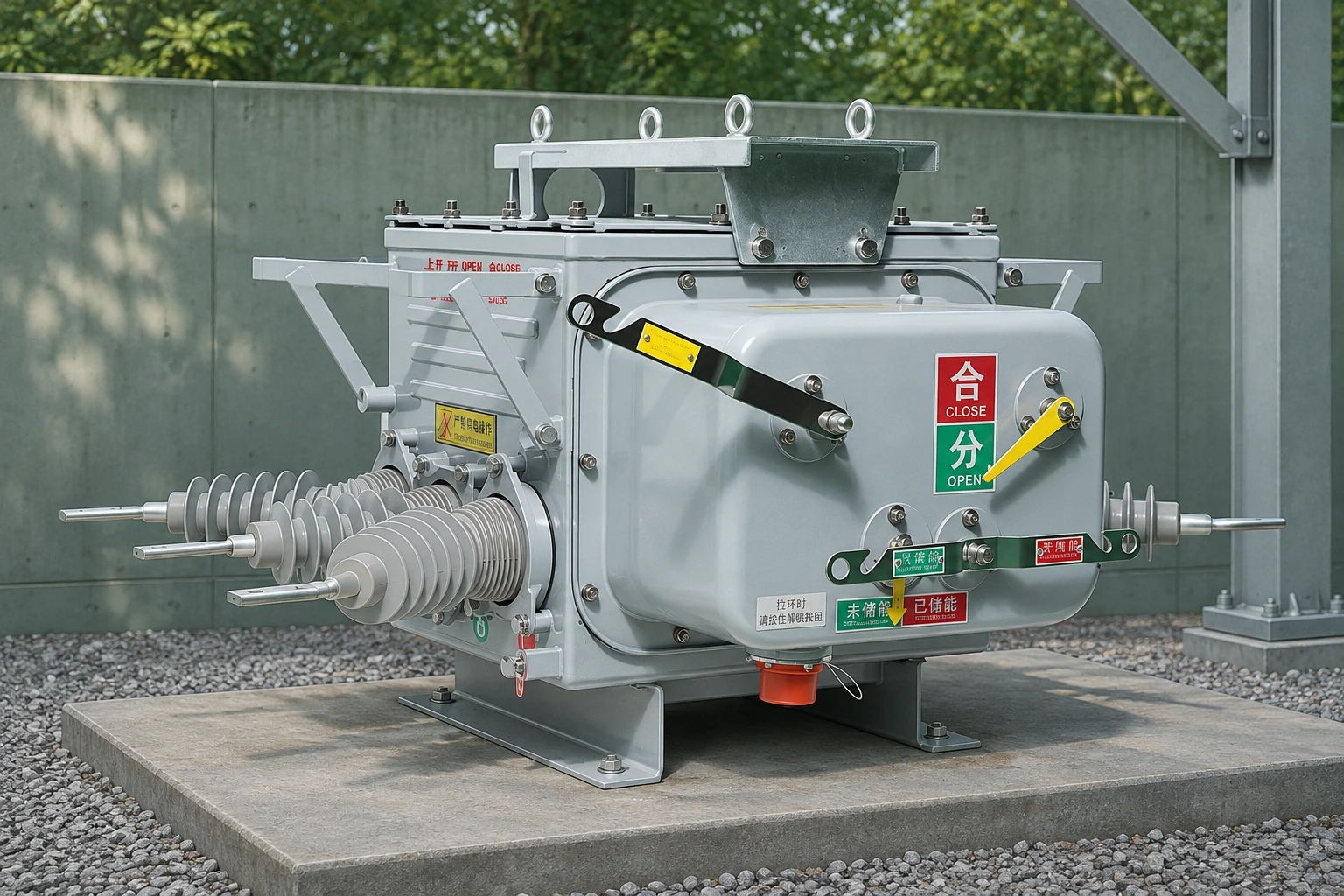
The depicted breaker is primary equipment used to illustrate that documentation boundary. Review its breaker control interfaces against the offered configuration, and resolve the difference between a command being issued, accepted and physically completed.
What does an IEC 61850 requirement need to specify?
The IEC’s official IEC 61850 overview identifies the data model, SCL engineering language and communication services as distinct parts of interoperability. Writing only ‘IEC 61850 compliant’ in an enquiry leaves important engineering choices unresolved. State the applicable parts and editions, required functions and data, engineering-file exchange and acceptance requirements.
The IEC 61850 reference identifies mappings such as MMS, GOOSE and sampled values. Their names are not interchangeable descriptions of a single link. The design must identify which services are actually used, their required performance and the connected devices. Do not assume that the presence of an Ethernet port establishes those capabilities.
What should happen when communication or time synchronization fails?
Separate the control-centre link from local station and protection communications. Failure of each can affect different functions. The specification should state how unavailable data is identified, which controls remain possible, how authority is handled and what alarms are generated. It should also define recovery, including the treatment of stale or queued commands.
For event records, identify the timestamp source and required time accuracy. A log’s displayed precision does not prove that its devices were synchronized. The system should make relevant loss-of-time or data-quality conditions visible so that an event sequence is not interpreted with false confidence.
| Condition | Behaviour to define | Evidence to request |
|---|---|---|
| Remote link unavailable | Local authority, indications and recovery | Functional specification and demonstrated test results |
| Required station message unavailable | Effect on each dependent function | Architecture-specific failure tests |
| Time source unavailable | Time quality, alarms and recording behaviour | Time-synchronization test records |
| Conflicting command sources | Authority selection and command rejection | Approved logic and functional checks |
Which functions need end-to-end commissioning tests?
Test representative measurements and indications from their source to the intended display or destination. Test command authority, permissives, feedback and failure responses through the complete relevant path. Protection testing must follow the approved scope and procedures, not be inferred from a successful monitoring demonstration.
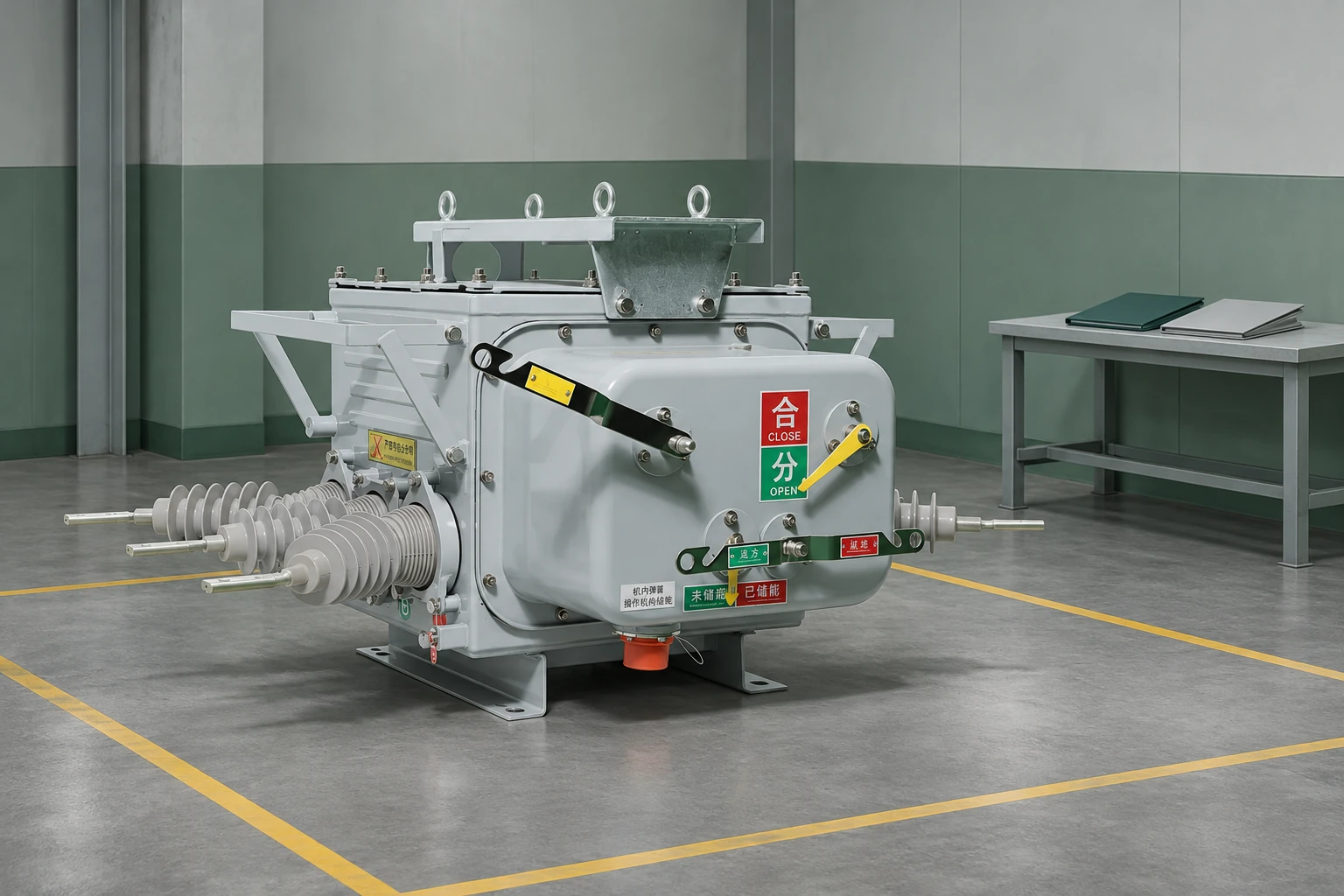
Maintain configuration revision control for drawings, signal schedules, engineering files and settings. A passed test identifies a configuration; changing that configuration requires an assessment of the affected checks.
NIST SP 800-82 Revision 3, published in September 2023, addresses operational-technology security alongside performance, reliability and safety requirements. As checked on 9 November 2026, the NIST page also points to an initial public draft of Revision 4. Keep the final publication and a draft distinct when setting project requirements. Access control and change management need to fit the station’s operating responsibilities.
Frequently asked questions
What is substation automation?
It is the coordinated use of devices and systems for protection, equipment control, monitoring and associated information exchange. The required functions depend on the station and operating arrangements.
How do protection, control and monitoring functions differ?
Protection initiates responses to defined electrical conditions, control carries out authorized actions, and monitoring reports information. Their inputs and dependencies should be documented separately even when one device supports several functions.
What information is sent to a control center?
Typical information includes measurements, equipment status, alarms and event records. Specify the source, meaning, quality and update behaviour of each required item rather than sending data without a defined use.
How do time stamps support event analysis?
They help reconstruct the sequence of events when the timestamp source and synchronization are understood. Displayed time precision alone does not establish the accuracy of an event sequence.
Which communications interfaces should be specified?
Identify the actual services and protocols, applicable editions, data mappings, engineering files, timing requirements and connected devices. A general protocol label does not complete the interface specification.
What happens when a remote communication link fails?
The outcome depends on the architecture and configured functions. Define and test local authority, unavailable-data indications, alarms and recovery rather than assuming that all protection or control behaves the same way.
How is local operating authority coordinated with remote control?
The approved control philosophy must define authority selection, permissives and handling of conflicting requests. Commissioning should demonstrate both permitted and rejected operations through the relevant interfaces.
Which automation functions need commissioning tests?
Test the required measurement, indication, command, interlock, event, timing and failure-response functions. Protection and security-related checks need their own approved scope and evidence.
References
Sources checked on 9 November 2026.
- IEC — Official IEC 61850 overview: models, engineering and communications
- Wikipedia — IEC 61850: services and protocol mappings
- NIST SP 800-82 Revision 3 — Guide to Operational Technology Security (2023)
Summary
Substation automation works best when every function and interface has a clear meaning before the equipment is configured. Distinguish protection from control and monitoring, then define signal quality, command authority, timing and failure behaviour. Specify the relevant communication services and engineering deliverables, and test the complete paths on which the required functions depend. Keep records tied to the actual configuration so that a later change does not silently invalidate commissioning evidence. A protocol label or a live display cannot demonstrate all of this. Fuerte’s vacuum circuit breaker products should be reviewed as primary equipment with model-specific control interfaces; communications capabilities must be confirmed rather than inferred.