
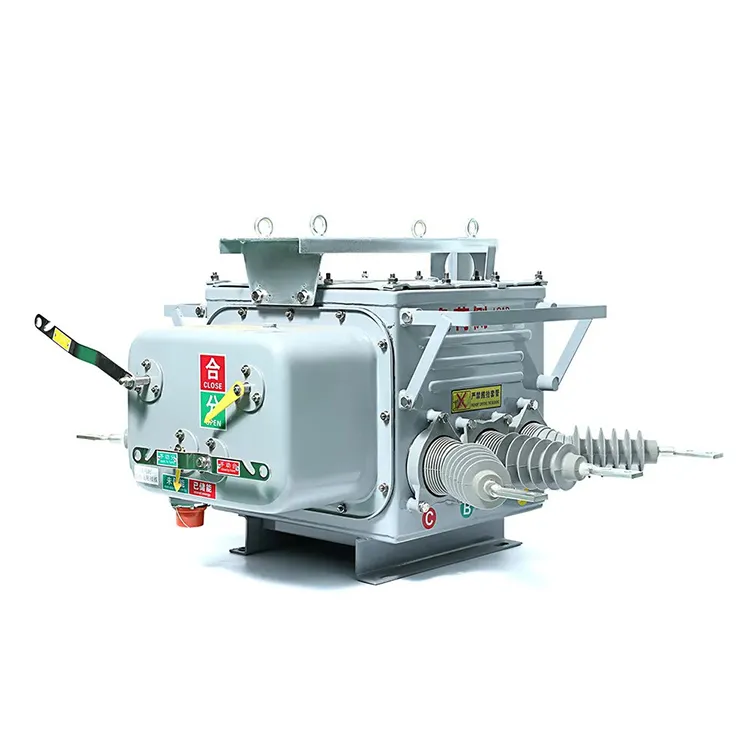
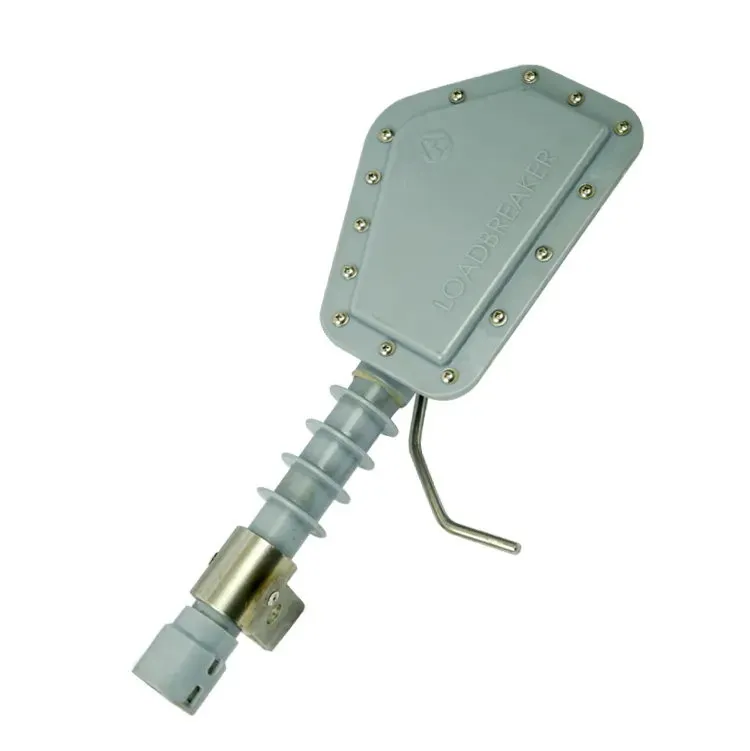


Buyers searching vacuum circuit breaker switchgear usually need one question answered first: is the RFQ buying a circuit-breaking component, a metal-enclosed assembly, or both under a split supply chain? A vacuum circuit breaker (VCB) quotation typically addresses interrupting and switching duty for a defined module. Switchgear specifications normally add enclosure, busbar, interlocking, and internal layout as part of the assembly boundary. Until that split is written down, price comparisons and protection reviews talk past each other.
The workable approach on export projects is a scope register plus interface schedule, both locked to one diagram revision. That register becomes the anchor for compliance rows, supplier exceptions, and energization hold points—not the catalogue title on the cover page.
Part 1. Separate component scope from assembly scope
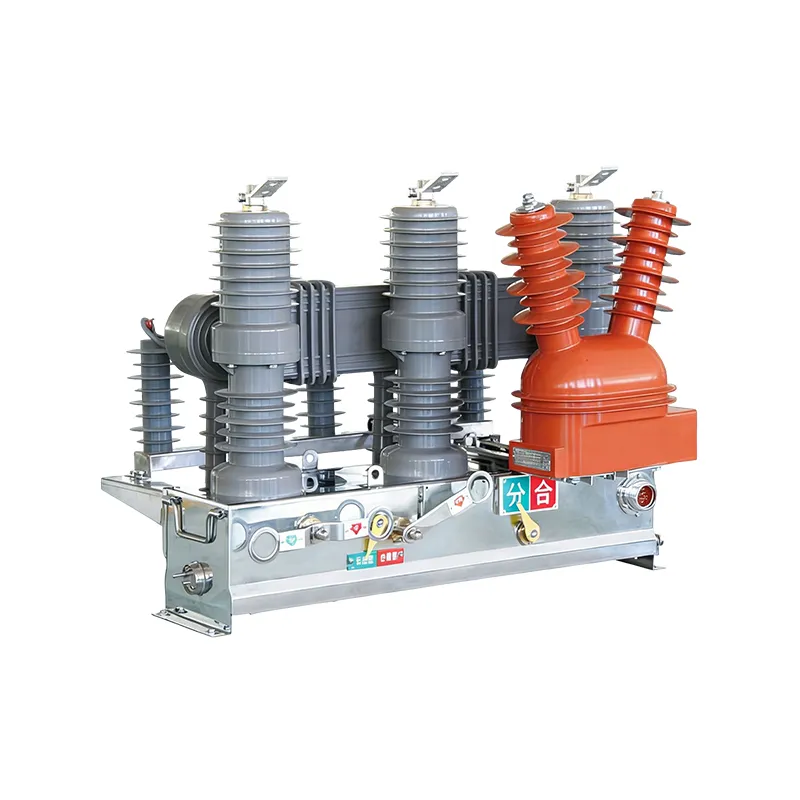
Medium-voltage documentation stacks several labels on one sheet: “VCB,” “switchgear,” “panel,” “unit.” IEC 62271-100 frames alternating-current circuit-breakers as equipment within its published scope. IEC 62271-200 frames metal-enclosed switchgear and controlgear assemblies separately. Those scopes help buyers write requirements; they do not approve any unnamed supplier configuration.
Open the published vacuum circuit breaker product family when the need is clearly a breaker module, then tie the review to the owner single-line diagram. This page is a boundary guide. It deliberately avoids the definition article, the operating-principle article, and the general technical buyer guide. For system-level application narrative, see the live vacuum circuit breaker for medium voltage switchgear article, which serves a different search intent.
Part 2. Clarify who owns each protection task
Fault interruption, selective coordination, relay setting, interlock logic, and enclosure integrity are related—but they are not automatically bundled because the words “VCB” and “switchgear” appear together. The owner specification should list each task, the responsible party (breaker OEM, panel builder, integrator, or owner engineer), and the evidence expected at each gate.
Important: A breaker datasheet does not, by itself, assign relay settings or prove that a multi-vendor assembly meets the owner protection study. Close those items through project documents and named test records (IEC 61936-1).
| Duty area | Typical VCB/component offer | Typical switchgear/assembly offer |
|---|---|---|
| Interrupting function | Module ratings and operating mechanism as documented | Same module plus mounting and clearances inside enclosure |
| Bus and connections | Termination interface at module boundary | Busbar layout, ratings as stated on assembly drawings |
| Interlocking | Auxiliary contacts and relays as listed | Panel door, earthing, and operational interlocks as drawn |
| Protection scheme | Component auxiliaries only if included | Relays, CT/VT mounting, scheme drawings as specified |
| Evidence | Breaker type-test and routine records by ID | Assembly drawings, internal layout, factory test register |
Part 3. Lock mechanical and control interfaces early
Split-supplier projects fail quietly at interfaces: control voltage class, auxiliary contact counts, cable entry, earth bar connection, and withdrawable versus fixed mounting. Capture each interface on a two-column schedule—buyer requirement versus supplier offer—with a drawing reference and a test or inspection record column.
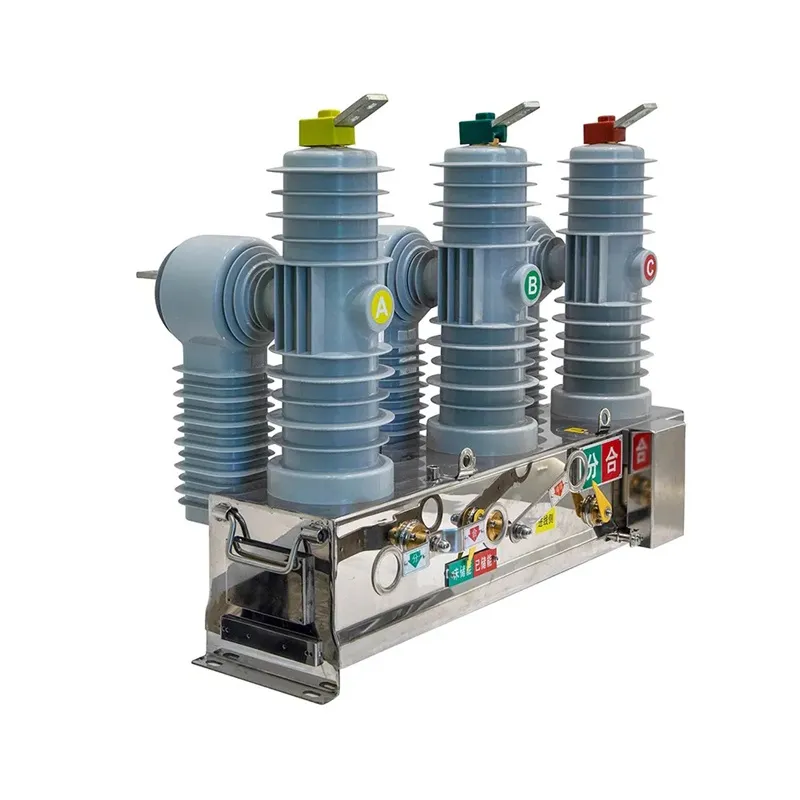
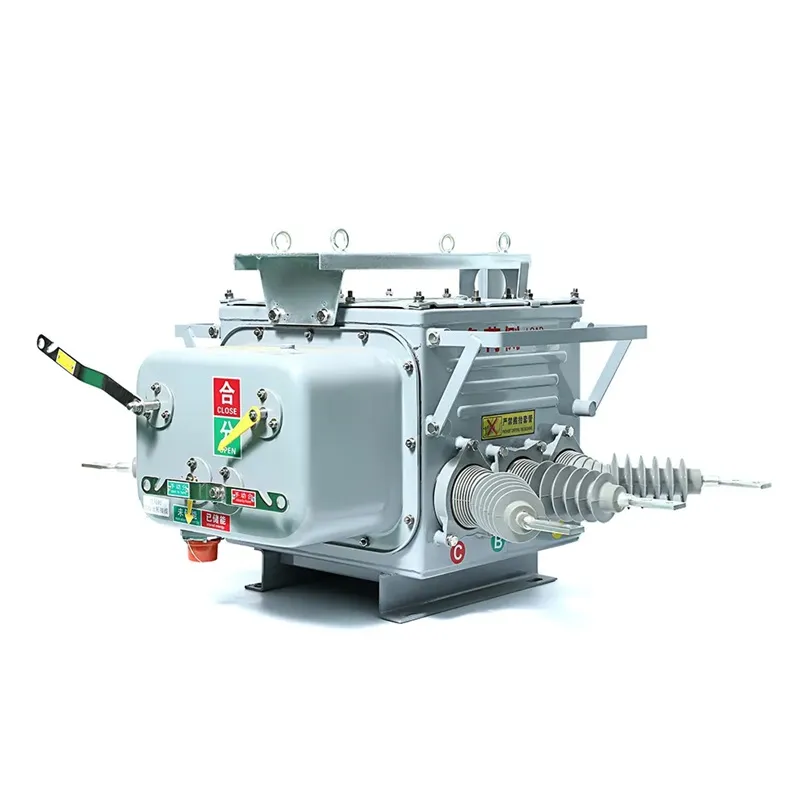
When the vacuum interrupter sits inside a pole or column arrangement, state whether procurement covers the interrupter cartridge alone, the operating mechanism, or the complete outdoor switching device. That one line prevents two “compliant” bids from describing different deliverables.
Part 4. Structure the RFQ document pack
Quotation-stage packages should be comparable row by row. Minimum buyer inputs: scope register (component / assembly / split), diagram revision, interface schedule, environmental class, and a numbered document request list. Minimum supplier returns: offered SKU, outline drawing revision, auxiliary diagram, exclusions, and a compliance matrix keyed to the buyer schedule.
IEEE C37.04-2018 aligns ratings terminology for AC high-voltage circuit breakers; use it to normalize wording, not to skip configuration-specific evidence (IEEE C37.04-2018).
| Buyer line item | Send with RFQ | Supplier response field |
|---|---|---|
| Scope register | Component, assembly, or split table | Confirmed category + exclusions |
| Protection ownership | Named tasks and responsible party | Offered scope vs “by owner/others” |
| Interface schedule | Drawing refs and connection list | Included / excluded / TBD |
| Document list | Required IDs at quotation stage | Register with revision and language |
| Exception process | How deviations are dispositioned | Deviation log with row links |
Part 5. Close gaps before the deviation log hardens
Treat open interface rows and ambiguous scope language as release blockers. When a bidder prices a breaker while the specification describes a line-up section with bus and relays, record the mismatch as a formal deviation—not as a footnote on a cover email. Disposition choices remain approve, clarify and re-bid, or reject; “understood implicitly” is not a valid state.
Review environmental and mounting assumptions with the same rigor as electrical ratings. Outdoor column equipment referenced on an indoor switchgear spec is a common source of silent exclusions.
Part 6. Product line entry and fit limits
After the scope register shows a component-level VCB need, the ZW32-12/630-20 Vacuum Circuit Breaker page gives a concrete FUERTE starting point for a document-led conversation. Request mapping between your interface schedule and the supplier outline drawing revision.
Fit boundary
Appropriate when the buyer has separated component from assembly scope and can attach diagram and interface inputs. Not appropriate as a stand-in for a switchgear line-up specification, a protection coordination deliverable, or approval of an unnamed panel configuration. Catalogue context starts the inquiry; project documents close it. For a related technical topic, see VCB Panel Specification: RFQ Inputs for Medium-Voltage Projects.
Share the scope register and compliance matrix via contact FUERTE when those attachments are revision-controlled.
FAQ
Does “vacuum circuit breaker switchgear” name one deliverable?
Usually no. Treat it as overlapping search language until the scope register names component versus assembly deliverables and interfaces.
Can one supplier quote cover both scopes?
Yes, when the offer explicitly lists breaker module and assembly functions with one document register. Otherwise assume split scope until proven.
Where do relay settings belong?
With the party named in the protection study and owner specification—typically not implied by a breaker catalogue line.
What if the RFQ only lists a breaker tag on a panel drawing?
Ask whether enclosure, bus, and relays are included in the quoted scope or marked “by others” on the interface schedule.
Which IEC publications help vocabulary only?
IEC 62271-100 for circuit-breakers and IEC 62271-200 for assemblies—neither replaces SKU-specific evidence.
Should buyers compare price before scope alignment?
No. Align scope registers first; otherwise lower price may reflect a narrower, non-equivalent offer.
How is this different from the switchgear application blog?
That article discusses application context; this one controls procurement boundaries and evidence splits.
When is contact justified?
After the scope register, interface schedule, and document list are ready for supplier mapping.
References
- IEC 62271-100: High-voltage switchgear and controlgear—Part 100: Alternating-current circuit-breakers
- IEC 62271-200: High-voltage switchgear and controlgear—Part 200: AC metal-enclosed switchgear and controlgear assemblies
- IEEE C37.04-2018: IEEE Standard for Alternating-Current High-Voltage Circuit Breakers Rated on a Symmetrical Current Basis
- IEC 61936-1: Power installations exceeding 1 kV a.c. and 1.5 kV d.c.
What has to be separated when comparing a VCB with switchgear?
A vacuum circuit breaker is a switching component or withdrawable assembly; switchgear is the wider enclosure, busbar, protection, control, interlock and cable-interface system. IEC 62271-100 and IEC 62271-200 therefore lead to different evidence questions. The quotation should identify which duties belong to the breaker, which belong to the complete assembly and which interfaces are excluded.
For a fair comparison, freeze the single-line diagram, rated data, short-circuit study, control voltage, racking position, cable termination, interlock matrix and type/routine-test documents before evaluating price. IEEE C37 requirements may apply when the project specification uses North American practice.
Summary
Do not compare a breaker quotation with a switchgear quotation as though they were the same scope. Align the assembly boundary and interface evidence first; only then can price, delivery and lifecycle support be compared fairly.