
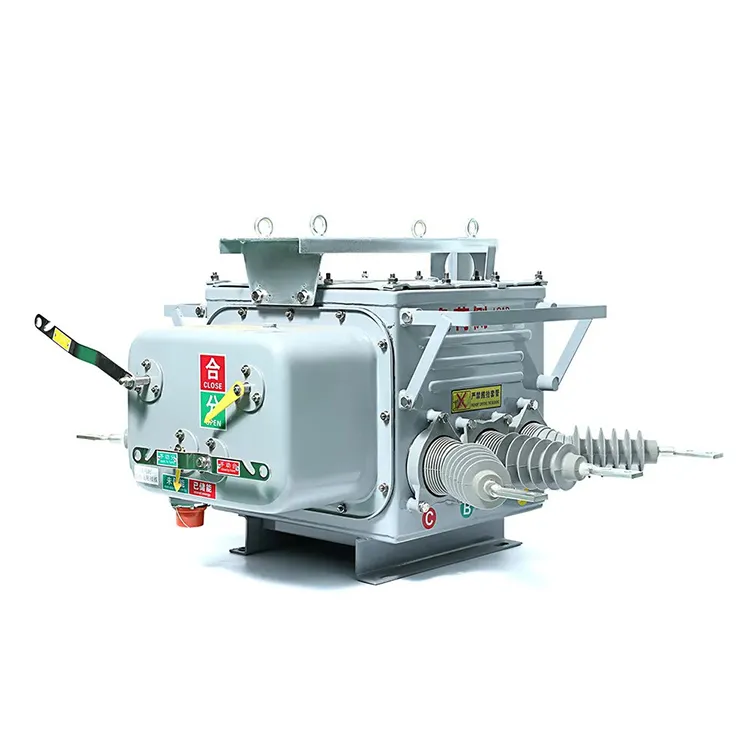
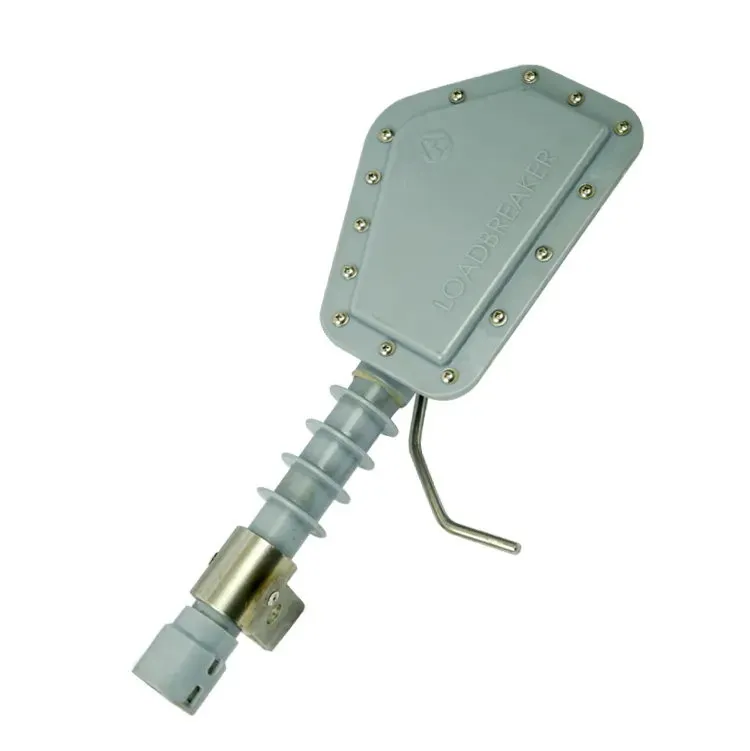


Distribution networks that have been in service for several decades usually carry two generations of overvoltage protection side by side. New purchases are almost always based on the metal oxide lightning arrester, a gapless design built around zinc oxide varistor blocks, while many older structures still carry gapped silicon carbide units from earlier programs. Buyers meet both families in audits, renewals, and spare-parts requests, so the difference between them is a practical procurement topic rather than a history lesson.
This comparison explains how each design is built, why their voltage-current behavior differs, and which questions belong in a replacement inquiry. It does not select an arrester for a specific transformer, substitute for an insulation-coordination study, or certify any product for a project.
Part 1. Why two arrester technologies share one distribution network
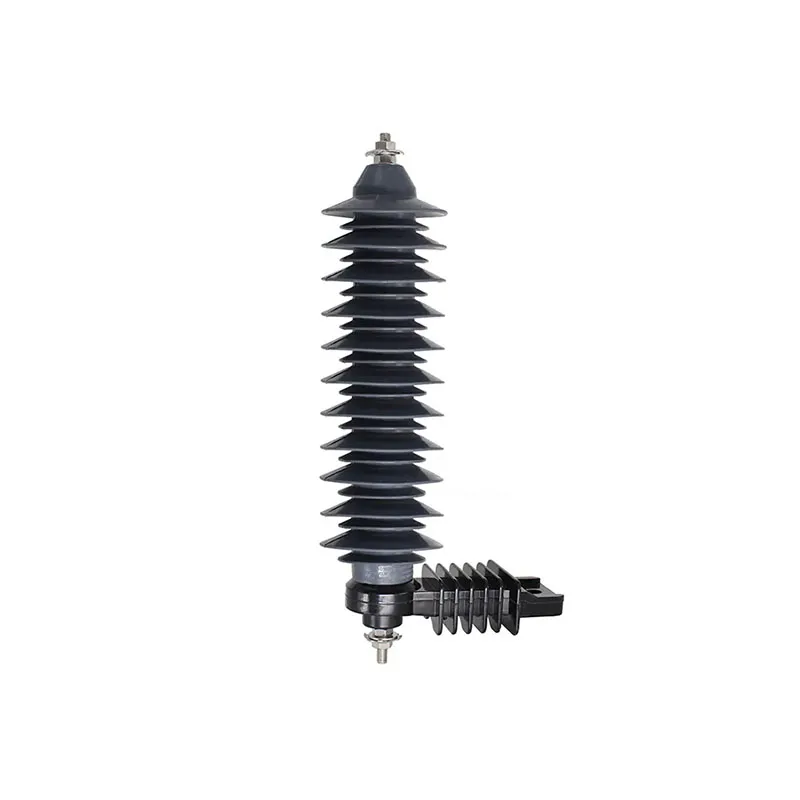
Silicon carbide arresters served as the standard line and equipment protection for much of the twentieth century. Industry references such as the Wikipedia surge arrester overview describe how manufacturers then moved to gapless metal-oxide designs once zinc oxide varistor technology matured, and most new medium-voltage purchases now follow that later generation.
Networks do not change out protective devices all at once. A feeder rebuilt last year may carry gapless metal-oxide units next to a pole section that still holds gapped silicon carbide arresters from an older program, which is exactly why renewal planning needs a clear picture of both designs.
For family-level orientation on current gapless products, the FUERTE lightning arrester range shows the medium-voltage distribution families this article uses as product context.
Part 2. How a gapped silicon carbide arrester is built
A gapped silicon carbide arrester stacks two kinds of elements inside one housing: a set of series spark gaps and a column of silicon carbide blocks. Under normal operating voltage, the gaps hold off the system voltage so that almost no current flows through the blocks.
When a lightning or switching overvoltage arrives, the gaps spark over and connect the silicon carbide column to the line. The blocks then conduct the surge to ground while limiting the voltage across the protected equipment to their discharge characteristic.
Because silicon carbide is only moderately nonlinear, the blocks would keep conducting a substantial current at normal system voltage once the gaps have fired. The series gaps therefore carry a second duty: after the surge passes, they must interrupt the power-frequency current that continues to flow, and many designs added grading components to share voltage across the gap stack for that purpose.
Part 3. How a gapless metal-oxide arrester is built
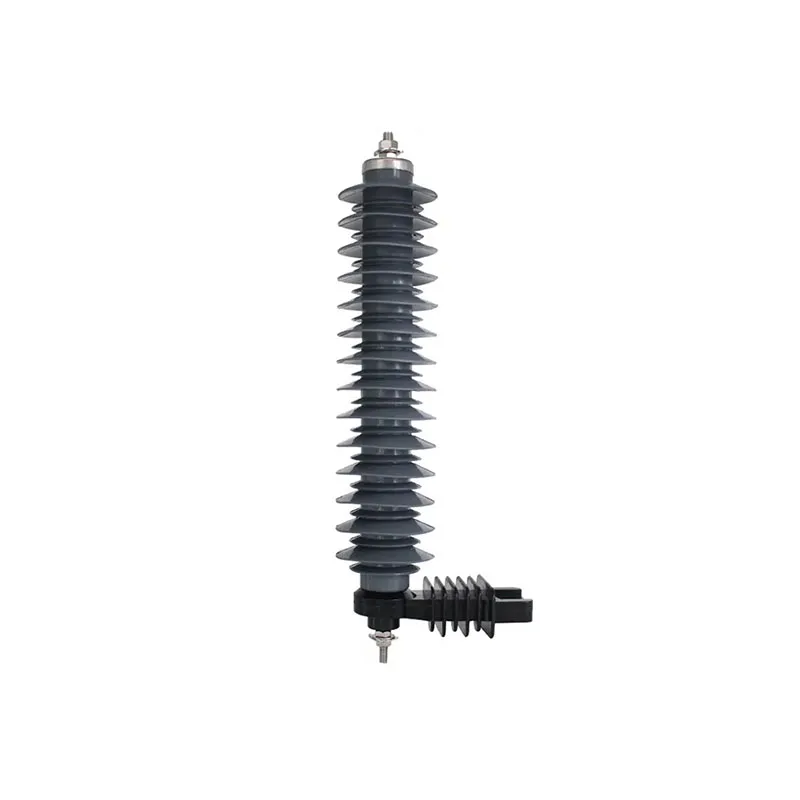
Inside a gapless metal-oxide arrester there is essentially one active element: a column of zinc oxide varistor blocks, connected between line and ground with no series gap. Background such as the Wikipedia varistor article explains that these ceramic blocks conduct almost nothing at continuous operating voltage yet turn strongly conductive when voltage rises.
That extreme nonlinearity removes the need for spark gaps. The block column faces system voltage continuously, passes only a small leakage current in normal service, and moves into conduction directly when a surge raises the voltage across it.
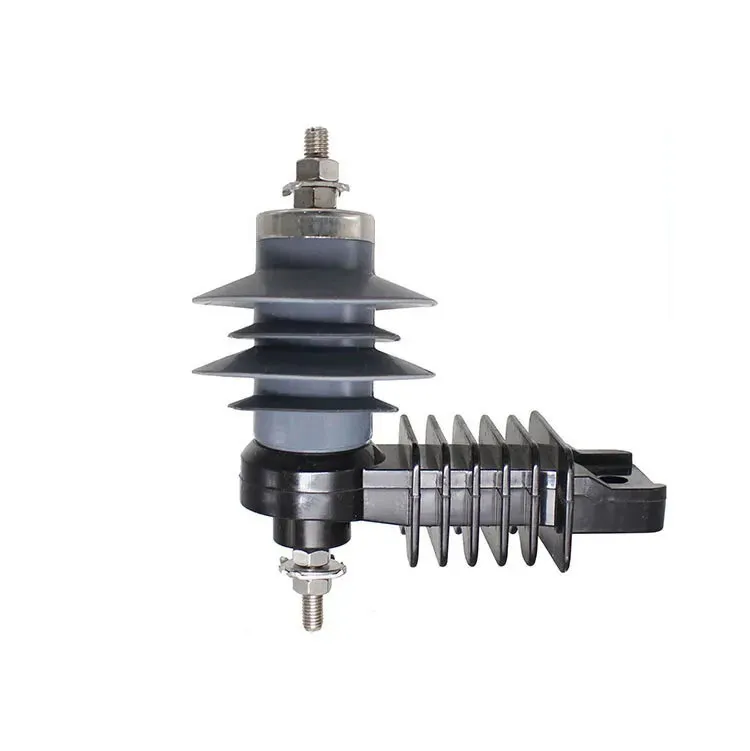
Construction choices then follow the application. Distribution-class units for overhead lines are commonly supplied in polymer housings with brackets, disconnectors, and earth-lead accessories, and standards context for the type sits in IEC 60099-4, the metal-oxide arrester standard referenced by product documentation.
Part 4. Voltage-current behavior: the decisive difference
The practical gap between the two generations comes down to how sharply resistance falls as voltage rises. Zinc oxide blocks are far more nonlinear than silicon carbide blocks, which changes what the rest of the device has to do.
| Aspect | Gapped silicon carbide design | Gapless metal-oxide design |
|---|---|---|
| Active material | Silicon carbide blocks, moderately nonlinear | Zinc oxide varistor blocks, highly nonlinear |
| Series spark gaps | Required to isolate blocks in normal service | Not required in the standard distribution design |
| State at system voltage | Blocks disconnected until a gap sparkover | Blocks energized continuously with small leakage |
| Surge response | Gap sparkover, then block conduction | Direct transition of the blocks into conduction |
| After the surge | Gaps must interrupt power-frequency follow current | Blocks return to a high-resistance state on their own |
| Typical status in procurement | Legacy installed base and renewals | Default technology for new distribution purchases |
Sparkover behavior also shapes protection quality. A gapped design only starts limiting voltage after its gaps fire, while a gapless metal-oxide unit begins conducting as the voltage climbs, without waiting for a sparkover event.
None of this table assigns ratings to a specific product. Rated voltage, continuous operating voltage, and discharge parameters remain SKU-level data that must come from the exact product page or quotation documents.
Part 5. Follow current, gap duty, and the retirement of silicon carbide
Follow current is the power-frequency current that keeps flowing through a fired gap stack and its silicon carbide column after the surge has passed. Every operation therefore ends with an interruption duty, and the gaps must clear that current at a natural current zero to return the arrester to standby.
Over years of service, that interruption duty takes a toll. Gap erosion, moisture ingress, and sealing condition all influence whether an aging gapped unit still behaves as designed, which is one reason utilities began tracking the condition of older fleets closely.
After zinc oxide varistor columns proved able to hold system voltage directly, the industry direction became clear. A design with no gaps has no follow current to interrupt, so manufacturers broadly shifted their distribution ranges to gapless metal-oxide construction, and silicon carbide units gradually left mainstream catalogs. Availability of genuinely new silicon carbide stock should be confirmed with suppliers rather than assumed.
Part 6. Replacement questions when legacy units come up for renewal
Renewal of a silicon carbide arrester is a review, not a like-for-like swap. The two technologies describe their duty with different terms, so the replacement inquiry should restate the application data instead of copying an old nameplate line by line.
| Replacement question | Why it matters | Evidence to collect |
|---|---|---|
| What are the system voltage and earthing arrangement? | Continuous-voltage duty for a gapless unit follows from the system, not from the old nameplate alone | System data confirmed by the network owner |
| Which equipment does the arrester protect? | Protection distance and lead routing depend on the installed position | Pole or bay drawing with the mounting point |
| What ratings does the old unit show? | The legacy nameplate is a reference input, not a selection result | Nameplate photo plus any fleet records |
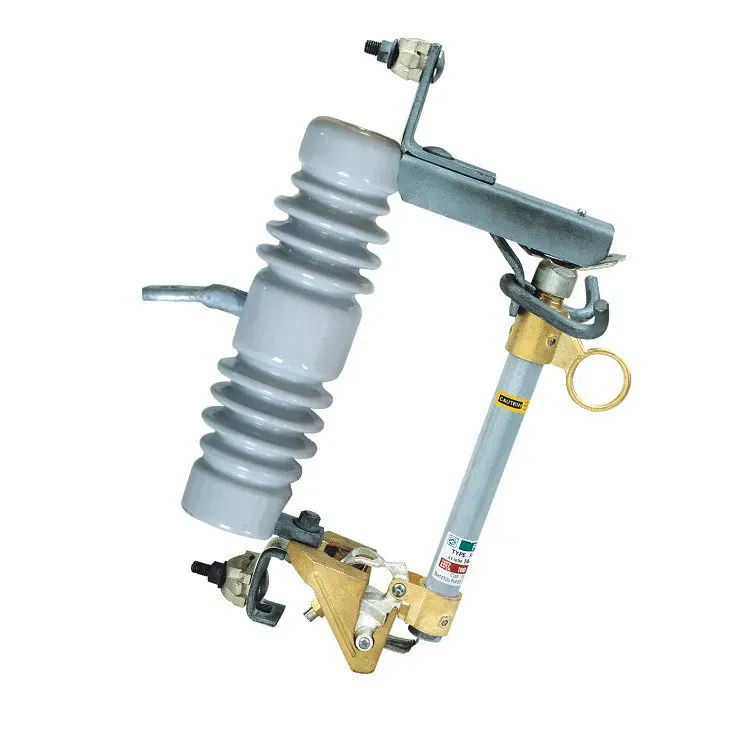
| Which accessories must carry over? | Brackets, disconnectors, and earth leads differ across designs | Site hardware list for the affected structures |
| Who confirms the final selection? | Ratings and coordination remain an engineering decision | Owner or consultant sign-off route |
When the protected asset is a distribution transformer, the selection logic has its own dedicated guide. The published article on metal-oxide surge arrester selection for distribution transformers covers continuous operating voltage, energy, and mounting workflow for that case, and this comparison intentionally does not repeat it.
Terminology can also confuse renewal paperwork, because older documents may mix device names. One reference on the difference between surge arrester and lightning arrester is enough to align wording before an inquiry goes out.
Part 7. Product context and inquiry evidence for metal-oxide units
Buyers who need current gapless product context can use the YH510W-36 / YH510W-36J / YH510W-36L surge arrester product page as a discussion entry point. That page lists a rated voltage of 36 kV, a maximum continuous operating voltage of 29 kV, nominal discharge current options of 5 kA and 10 kA, gapless zinc oxide construction in a polymer housing, and IEC 60099-4:2014 as the referenced standard for this family.
Those values describe the published family data only. They do not establish fit for a particular feeder, duty class, or project, and this article makes no test, certification, lifetime, or protection-outcome claims for any SKU; this is product context rather than a universal product recommendation.
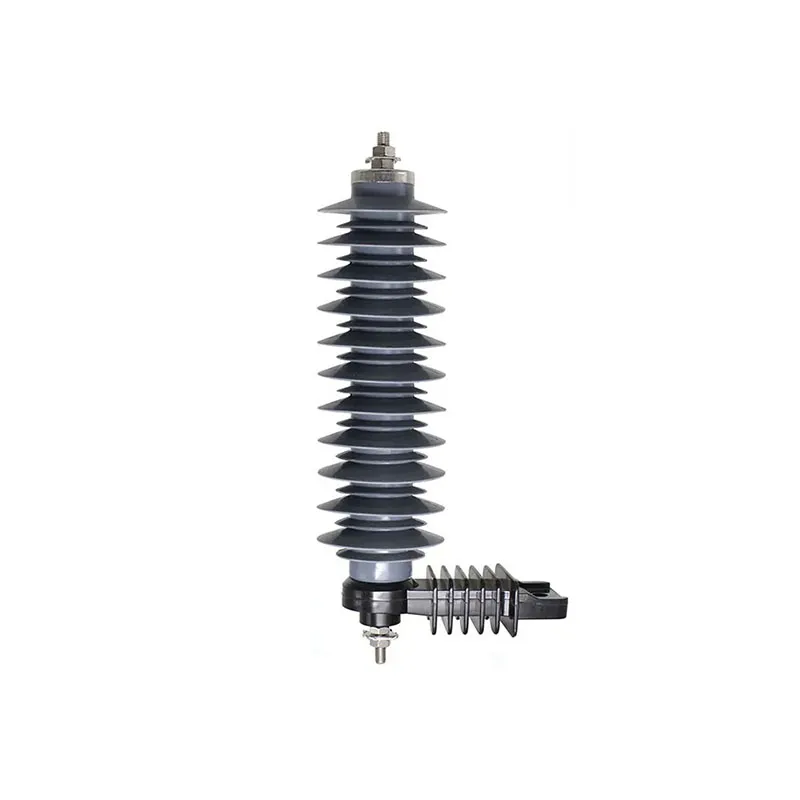
To move from comparison to quotation, send the system voltage, earthing arrangement, requested ratings, installation context, quantity, and documentation requirements through the FUERTE contact route. A complete inquiry lets the supplier state assumptions clearly and flag anything that still needs owner confirmation.
FAQ
How does a metal oxide lightning arrester differ from a silicon carbide arrester?
The metal-oxide design uses highly nonlinear zinc oxide blocks that connect to the line with no series gap, while the silicon carbide design needs spark gaps to isolate its less nonlinear blocks in normal service. The gapless unit also has no power-frequency follow current to interrupt.
Why do silicon carbide arresters need series spark gaps?
Silicon carbide blocks would conduct a significant current at normal system voltage if they were connected directly. The gaps hold the blocks off the line until an overvoltage causes sparkover, and they interrupt the current that continues after the surge.
What is follow current in a gapped arrester?
Follow current is the power-frequency current that keeps flowing through the fired gaps and blocks after the surge has been discharged. The gap stack must clear this current at a current zero before the arrester returns to standby.
Are silicon carbide arresters still manufactured?
Mainstream distribution ranges moved to gapless metal-oxide construction, and silicon carbide units now appear mostly as legacy installed base. Availability of new silicon carbide stock varies, so confirm it directly with suppliers instead of assuming catalog coverage.
Can a metal-oxide arrester replace a silicon carbide unit one for one?
Not automatically. The renewal review should restate system voltage, earthing, protected equipment, mounting, and accessory requirements, because the two technologies describe their duty differently and the old nameplate is only an input.
Does this comparison replace transformer arrester selection work?
No. Transformer-specific selection, including continuous operating voltage and energy review, belongs to the linked transformer-selection guide and to project engineering. This page only explains the technology difference.
What information supports a metal-oxide arrester inquiry?
Provide the system voltage and earthing arrangement, the requested ratings, the installation context, quantities, and the documentation you expect with delivery. Product pages supply family-level context, and the exact SKU documentation completes the review.
References
- Technology overview and the shift to gapless designs: Wikipedia, Surge arrester
- Zinc oxide varistor background: Wikipedia, Varistor
- Metal-oxide arrester standards context: IEC 60099-4 publication page
- Industry standards landscape: NEMA surge arrester standards page