
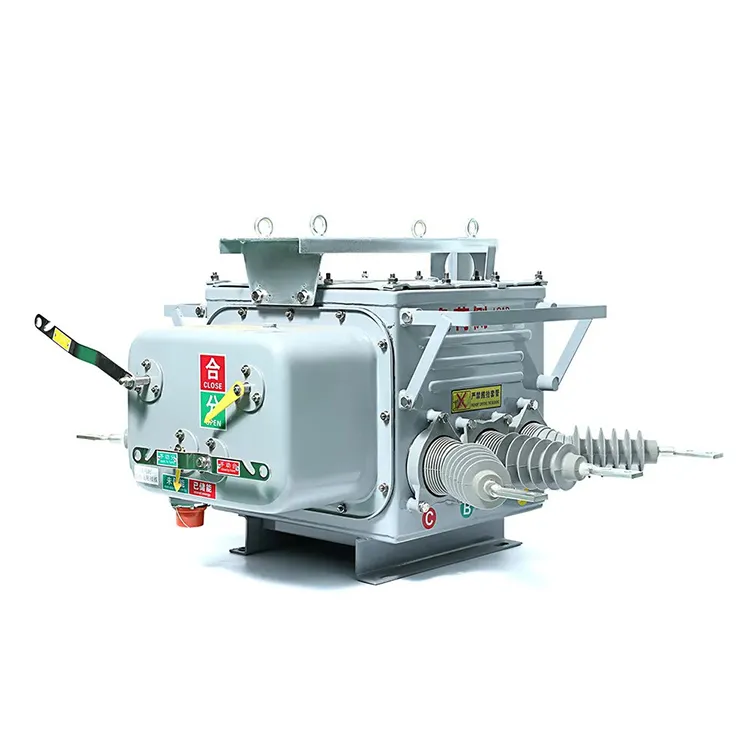
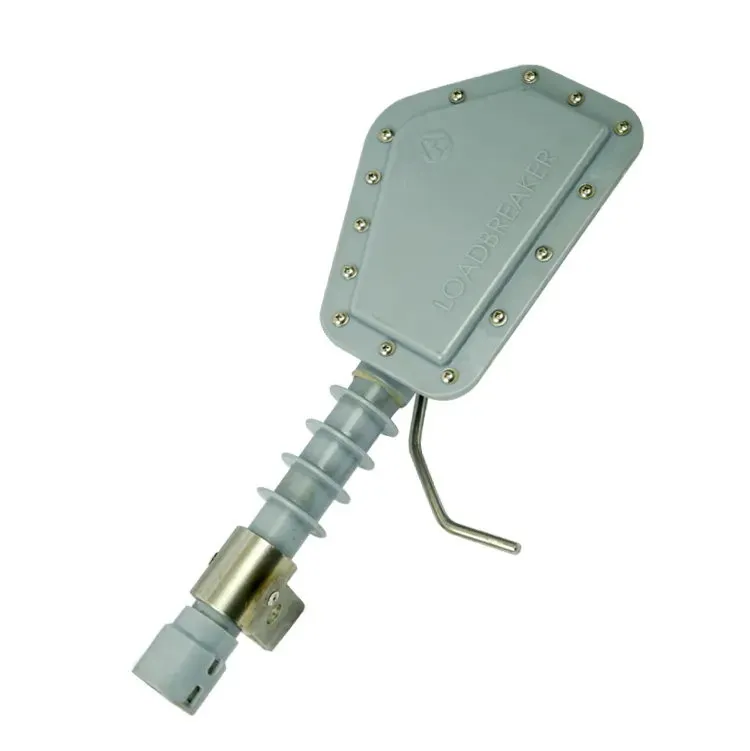


A medium-voltage breaker can match a panel’s voltage label and still be unsuitable for the available fault current, operating duty or control arrangement. The buying decision therefore starts with the network study and the complete switchgear interface, rather than the name of the interruption technology. A vacuum circuit breaker uses a sealed interrupter, but the mechanism, contacts, insulation and controls must work together under the specified conditions. This guide explains what a VCB does, how its ratings should be compared and which drawings and test records a buyer should request before accepting the offered configuration.
Summary: A VCB interrupts current inside a sealed интерферный вакуумный переключатель, where separating contacts extinguishes the arc without an arc-sustaining gas. The rated voltage (for example, a 12 kV class) describes the system and insulation envelope; it does not by itself state the breaker’s short-circuit breaking capability, which is specified separately in kA and verified under the applicable test duty. IEC 62271-1:2017+A1:2021 provides common AC switchgear specifications above 1 kV, while IEC 62271-100:2021 addresses AC circuit-breakers. Buyers should start with a fault study and the manufacturer’s type-test and routine-test evidence before comparing packages.
A vacuum circuit breaker is a switchgear device that opens and closes an AC circuit and interrupts fault current using a sealed vacuum interrupter. The interrupter contains fixed and moving contacts, a ceramic or glass envelope, shields and terminals. The surrounding breaker mechanism supplies the stored energy and motion needed to separate the contacts; the switchgear assembly adds insulation, interlocks, sensing and connections appropriate to the installation.
Searchers usually have one of two intents: they may want a plain-language definition and operating explanation, or they may be comparing a VCB for a substation, plant, building or renewable-energy collector system. The first intent needs a clear explanation of the interrupter. The second needs a duty-based specification review, not a generic claim that every VCB fits every panel.
Как работает вакуумный предохранитель?
During normal operation, current flows through the closed contacts. When the control circuit commands an opening, the operating mechanism separates the contacts and an arc forms from metal vapour released at the contact surfaces. In the vacuum interrupter, the arc is typically extinguished at a current zero as the vapour condenses and the gap recovers dielectric strength. The mechanism then holds the required open position and the external circuit can be isolated according to the switchgear design.
For a visual explanation of contact motion, arc behaviour and current interruption, see how a vacuum circuit breaker works. The article should be read alongside the breaker’s operating diagram and test documentation; a simplified animation cannot replace a duty calculation.
Core Components and Their Procurement Implications
Compare vacuum circuit breaker configurations only after confirming the fault duty, operating sequence and panel interfaces.
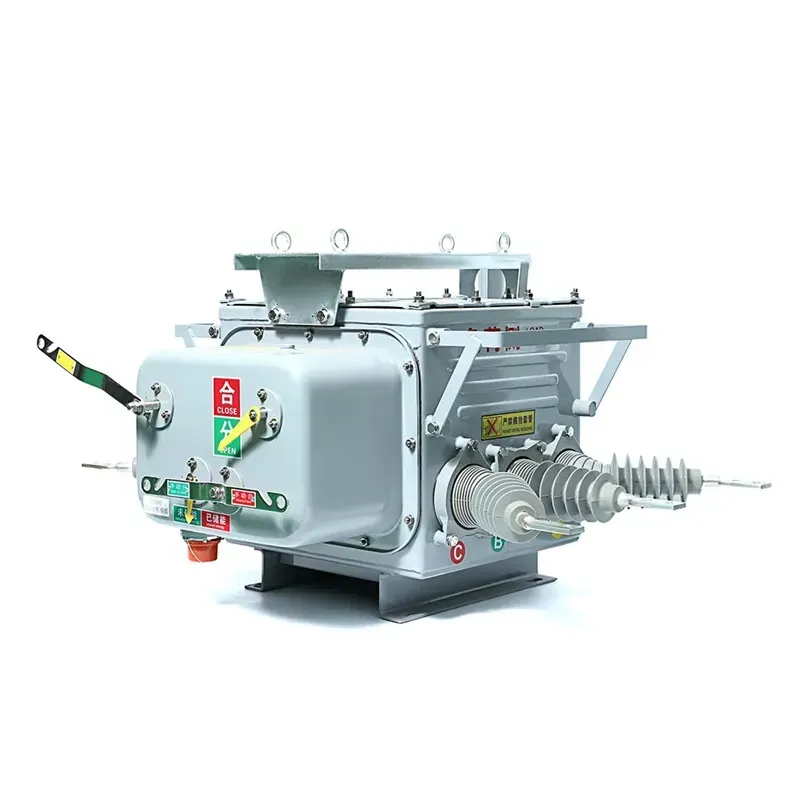
| Component | Функция | What a buyer should verify |
|---|---|---|
| Вентилятор-переключатель | Sealed chamber in which the contacts open and the arc is interrupted. | Interrupter identity, rated values, dielectric and mechanical test evidence, and compatibility with the proposed mechanism. |
| Contacts and shields | Carry load current and shape the electric field during interruption. | Manufacturer drawings, contact wear limits and the maintenance instructions that apply to the assembly. |
| Operating mechanism | Stores and releases energy to close, open and latch the contacts. | Control voltage, trip/close timing, anti-pumping logic, interlocks and the specified operating sequence. |
| Insulation and enclosure | Provides phase-to-phase, phase-to-earth and open-gap insulation in the switchgear. | Insulation level, clearances, installation altitude and the enclosure or panel interface. |
Rated Voltage Is Not Short-Circuit Duty
Two ratings are often confused during purchasing. Rated voltage (Ur) is the declared voltage class for which insulation, clearances and switching performance are designed. Rated normal current (Ir) is the continuous current the main circuit is designed to carry under specified conditions. Rated short-circuit breaking current (Isc) is the RMS current the breaker can interrupt under the specified IEC test sequence; it is normally stated in kA and must be checked against the calculated fault level.
Short-time withstand current and duration, peak withstand current, making current, operating sequence and transient recovery voltage add further constraints. A breaker with the correct voltage class can still be unsuitable if its breaking or withstand duty is below the installation requirement. Ask the supplier to state each rating on the same datasheet and to identify the applicable test report rather than accepting a single headline number.
Specification Comparison for a VCB Shortlist
| Specification | What it answers | Доказательства для запроса | Selection question |
|---|---|---|---|
| Rated voltage (Ur) | Which system-voltage and insulation class is covered? | Datasheet, insulation-level declaration and applicable routine-test record. | Does it match the highest system voltage and installation conditions? |
| Rated normal current (Ir) | What continuous load current can the main circuit carry? | Thermal design data and routine-test evidence for the offered configuration. | Is the rating adequate after ambient, enclosure and load-derating factors? |
| Rated short-circuit breaking current (Isc) | What prospective fault current can it interrupt? | Type-test report to IEC 62271-100:2021 or the contractually specified equivalent. | Is it at least the calculated fault level at the point of installation? |
| Short-time withstand current and duration | What fault current can the closed path withstand before clearing? | Withstand-current and duration declaration for the exact pole and busbar arrangement. | Does it coordinate with upstream and downstream protection clearing times? |
| Operating sequence and endurance | How will the breaker perform during the specified close-open and reclosing duty? | Declared operating sequence, mechanical/electrical endurance and mechanism test records. | Does the duty match the protection scheme and switching frequency? |
| Installation and interfaces | Will the breaker fit the panel, control circuit and service environment? | Outline drawing, terminal plan, interlock schedule, altitude and environmental limits. | Are dimensions, connectors, shutters and interlocks compatible without unapproved changes? |
Where VCBs Fit and What They Do Not Prove
VCBs are commonly specified in medium-voltage metal-enclosed switchgear for utility distribution, industrial plants, commercial buildings, motor or transformer feeders and renewable-energy collector systems. The application alone does not establish suitability: the engineer still has to verify fault current, insulation coordination, load profile, earthing arrangement, switching duty and local installation rules.
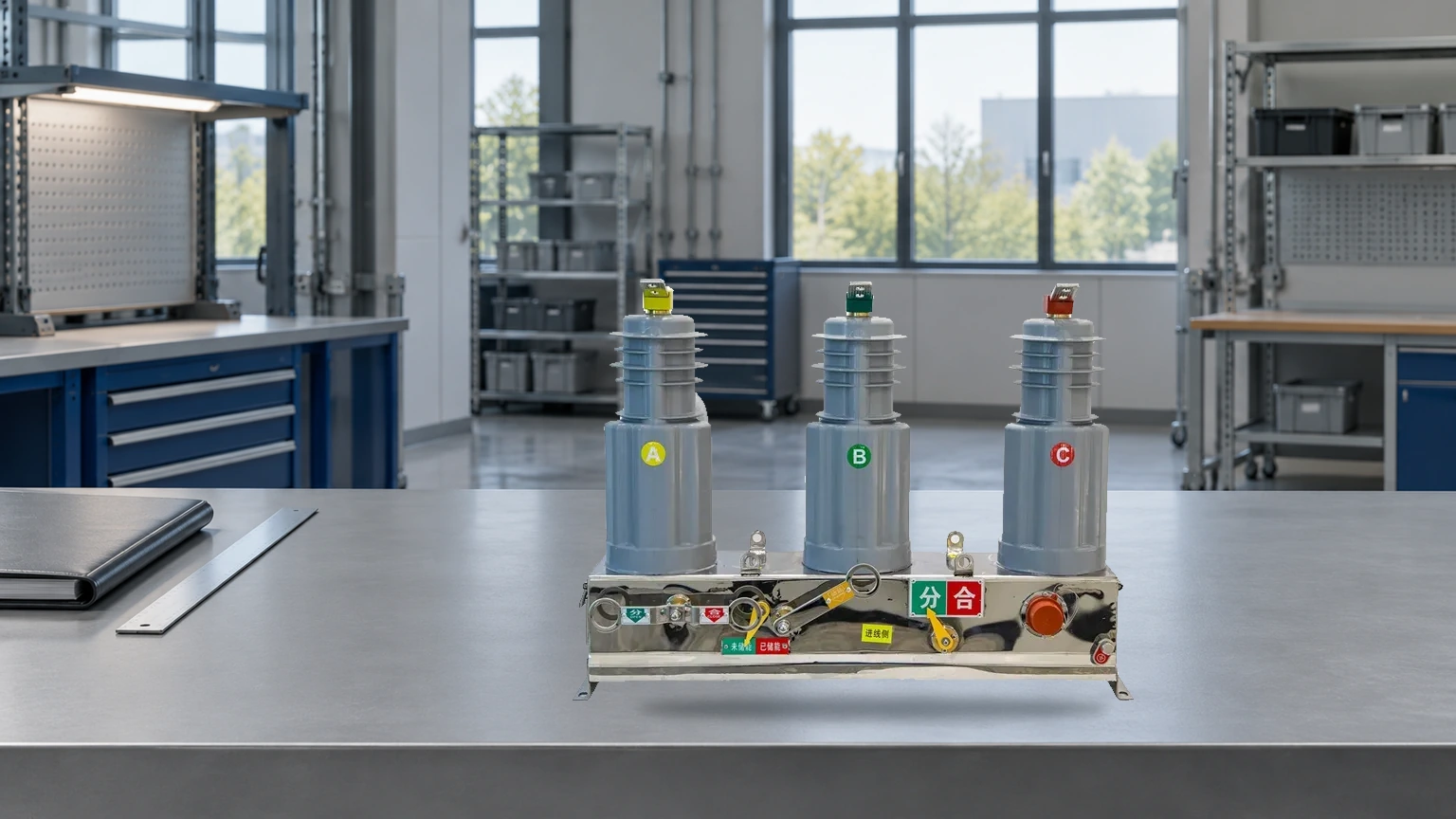
A vacuum interrupter also does not automatically prove lower total cost, a fixed service life or a particular environmental rating. Maintenance intervals, replacement policy and lifecycle cost depend on the complete breaker, operating duty, environment and the supplier’s documented limits. Treat those items as contract requirements to be evidenced, not as universal VCB properties.
Standards and Compliance Checks
- IEC 62271-1:2017+A1:2021 sets common specifications for AC switchgear and controlgear for rated voltages above 1 kV, including common service conditions, ratings and test concepts. It is a product-standard framework, not a blanket certificate for every configuration.
- IEC 62271-100:2021 specifies requirements and tests for AC circuit-breakers. Use it to identify the declared breaking, making, withstand and operating duties and to check that the report covers the offered design.
- IEC 62271-200 may apply to the metal-enclosed switchgear assembly, including construction and internal-arc classification, when that assembly is in scope. Confirm the edition and project specification for the destination market.
- Local grid codes, electrical installation rules and contract specifications determine which additional documents, markings or conformity assessments are needed. A type test is evidence for a defined design and duty; it is not the same thing as a universal safety or performance claim.
Primary references include the IEC 62271-1:2017+A1:2021 publication page, the IEC 62271-100:2021 publication page, and the IEC catalogue entry for IEC 62271-200. Always verify the edition named in the purchase specification and the destination jurisdiction.
How to Select a Vacuum Circuit Breaker
- Calculate the duty first. Record the system voltage, prospective short-circuit current, X/R assumptions, load current, earthing method and required clearing sequence.
- Match the complete rating set. Compare rated voltage, insulation level, normal current, breaking current, making current, short-time withstand and operating sequence in one schedule.
- Check the exact assembly. Confirm panel dimensions, primary disconnects, shutters, interlocks, control voltage, auxiliary contacts, altitude and ambient conditions.
- Request evidence. Ask for type-test references, routine-test scope, drawings, wiring diagrams, manuals, spare-parts policy and a statement of deviations from the tender specification.
- Compare lifecycle obligations. Clarify inspection intervals, contact or interrupter replacement criteria, support response and what is included in commissioning; do not assume a generic lifespan or maintenance saving.
For a buyer-oriented checklist and terminology guide, use the technical guide to vacuum circuit breakers for medium-voltage buyers. CN Fuerte can then map the documented requirements to an available configuration; the final selection should remain tied to the project’s fault study and compliance review.
FAQs
What is a vacuum circuit breaker used for?
A VCB is used to switch and interrupt AC circuits, especially in medium-voltage switchgear for feeders, transformers, motors, substations and similar distribution equipment. The appropriate model depends on the system ratings, fault duty, operating sequence and installation environment.
What voltage range do vacuum circuit breakers support?
Many VCB applications are in the medium-voltage range, but the usable range is defined by the manufacturer’s rated-voltage and insulation declarations, not by a universal number. Check the highest system voltage, power-frequency withstand and lightning-impulse withstand for the exact configuration.
How is a VCB’s short-circuit rating different from its voltage rating?
Rated voltage identifies the system and insulation class. Rated short-circuit breaking current identifies the prospective fault current the breaker can interrupt under the specified test duty, usually in kA; both ratings must meet the project calculation.
How are vacuum interrupters tested?
Testing is performed as part of the applicable circuit-breaker and switchgear standards, with type and routine tests covering items such as dielectric withstand, current interruption, temperature rise, mechanical operation and control circuits. Request the report reference and scope for the offered design rather than relying on a generic “IEC tested” statement.
Can a VCB handle transformer or motor inrush current?
It may be suitable when the complete switching duty, making current, protection settings and transient conditions are within the declared ratings. Inrush behaviour is application-specific, so confirm the study and coordination rather than treating “VCB” as an automatic approval.
Are vacuum circuit breakers always cheaper or safer than other breaker types?
No universal price or safety ranking applies. Total cost and risk depend on the complete switchgear, duty, maintenance plan, installation and compliance evidence; compare documented lifecycle obligations and test coverage for the actual project.
Выводы
A vacuum circuit breaker is best understood as a tested switching assembly whose vacuum interrupter is only one part of the solution. The key buying discipline is to separate rated voltage from continuous current and short-circuit duty, then confirm insulation, operating sequence, interfaces and evidence under IEC 62271-1:2017+A1:2021 and IEC 62271-100:2021 as applicable. A voltage label alone cannot validate a fault-duty choice, and a generic claim about maintenance, safety or lifespan cannot replace project data. The memorable principle is simple: specify the duty first, then select the breaker. If your team is ready to compare documented configurations, review CN Fuerte’s vacuum circuit breaker product range and contact the technical team with the fault study, panel details and required test documents.