


A polymer insulator packing request should do more than ask for a carton label. Receiving teams need to connect each unit, package, and shipment mark to the buyer reference and the exact offered identity, while engineering teams still need separate evidence for ratings, tests, and project fit. When those records are mixed together, a legible label can be mistaken for an acceptance certificate. IEC 61952:2008 includes provisions related to transport, storage, and installation for composite line-post insulators, and IEC 62217:2025 defines general test and acceptance frameworks for polymeric HV insulators. The practical RFQ task is to specify what packing and marking records support logistics traceability and what claims must remain in technical documents.
What should the buyer identify before asking for packing records?
Start with the purchase reference, line item, destination, quantity basis, required model or performance description, and the buyer’s document revision. If the offered identity is still open, ask the supplier to state the exact model and configuration before specifying the label. A packing request that uses only “polymer insulator” cannot reliably distinguish pin, post, suspension, or tension configurations or different voltage classes. Keep any unknown field visible in the RFQ clarification process and preserve unit traceability through receiving.
- Assign a buyer reference and line item to each package and unit record.
- State the exact offered model, configuration, and quantity basis.
- Define the required fields at unit, package, pallet, and shipping-document levels.
- Name the document or reviewer that will close receiving questions.
Which marking fields support traceability without making unsupported claims?
Request fields that identify the transaction and item: buyer reference, line item, package or pallet ID, quantity, supplier name or code when required by the project, exact model, configuration, and any agreed lot or serial reference. Add orientation, lifting, storage, or environmental handling marks only when the supplier’s controlled instructions define them. Do not ask a carton label to carry an unverified rating, certification logo, test result, or compatibility claim. Those statements belong to the applicable technical documents and approved marking specification.

| Record level | Useful fields | Do not infer |
|---|---|---|
| Unit | Model, configuration, agreed identity and trace reference | Performance or certification from appearance |
| Inner package | Quantity, package ID and buyer line | Acceptance status |
| Outer package or pallet | Shipment reference, count, handling and orientation marks | Hidden unit condition |
| Packing list | Package IDs, contents and document revision | Substitute for inspection or test records |
How should packing evidence stay separate from technical acceptance?
A packing list and label record show what the supplier states was packed and how it was identified. Receiving inspection determines what arrived, whether visible damage or quantity discrepancies exist, and which further documents are required. Technical acceptance uses the project specification, approved drawings, inspection and test records, and qualified review. IEC 61952:2008’s transport, storage, and installation provisions are useful standards context, but they do not make a shipment record an acceptance certificate.
What should happen when a label field is missing or inconsistent?
Keep the discrepancy open and identify the package, field, photograph or document reference, and responsible response. Do not silently rewrite a label or assume that a model name on one carton applies to every unit. Ask the supplier for a controlled correction, packing-list amendment, or clarification, then record the reviewer’s disposition. If the inconsistency affects the offered identity or technical scope, route it through the RFQ clarification log before release.

When can a buyer use a product route for a packing inquiry?
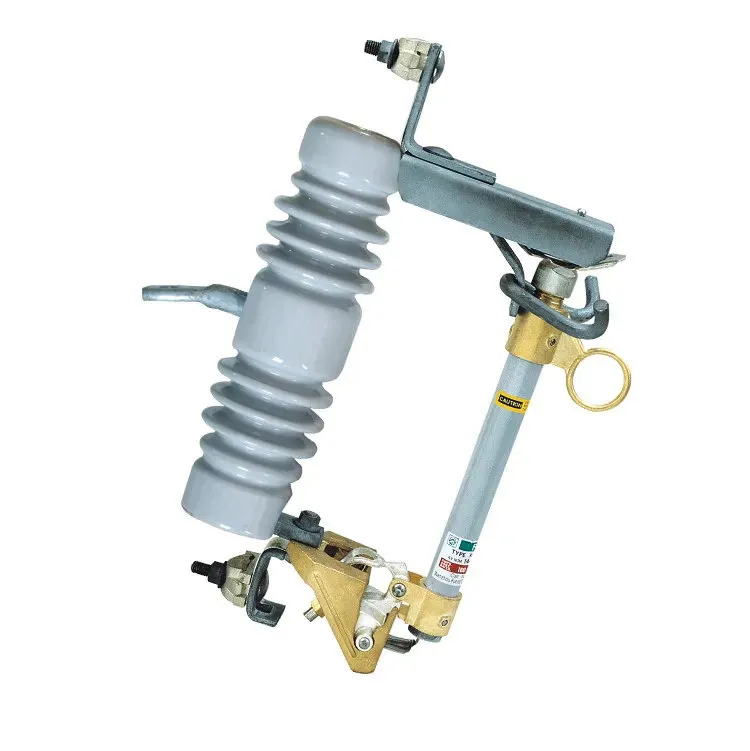
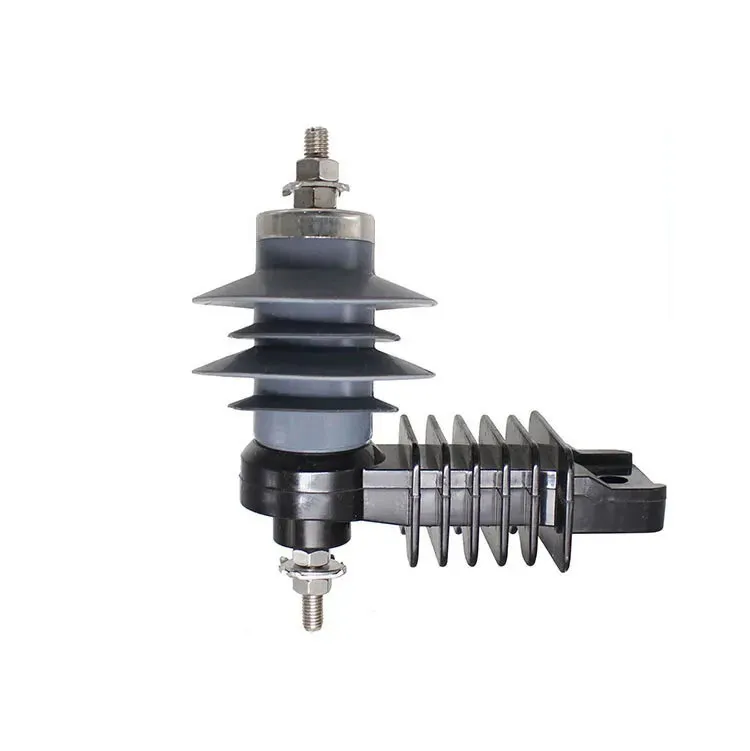
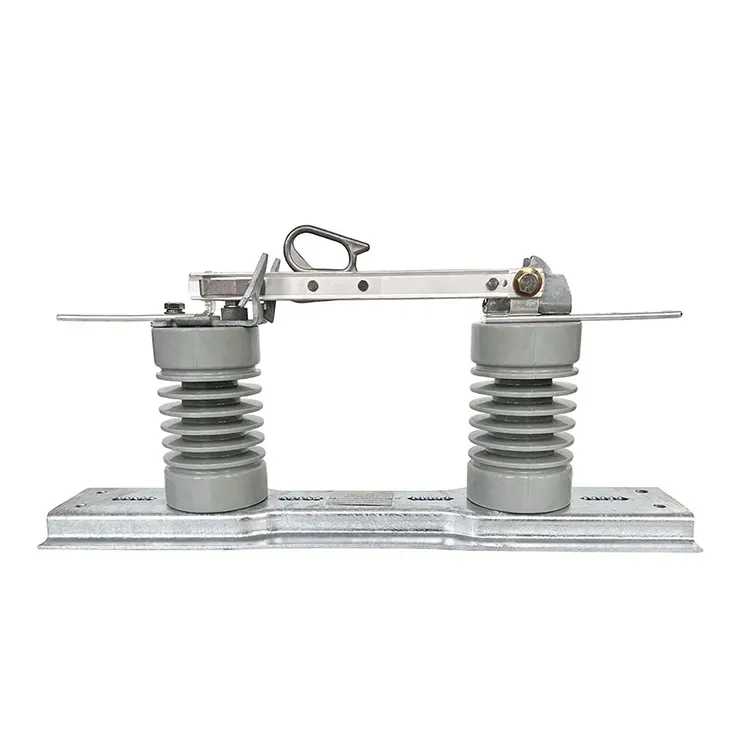
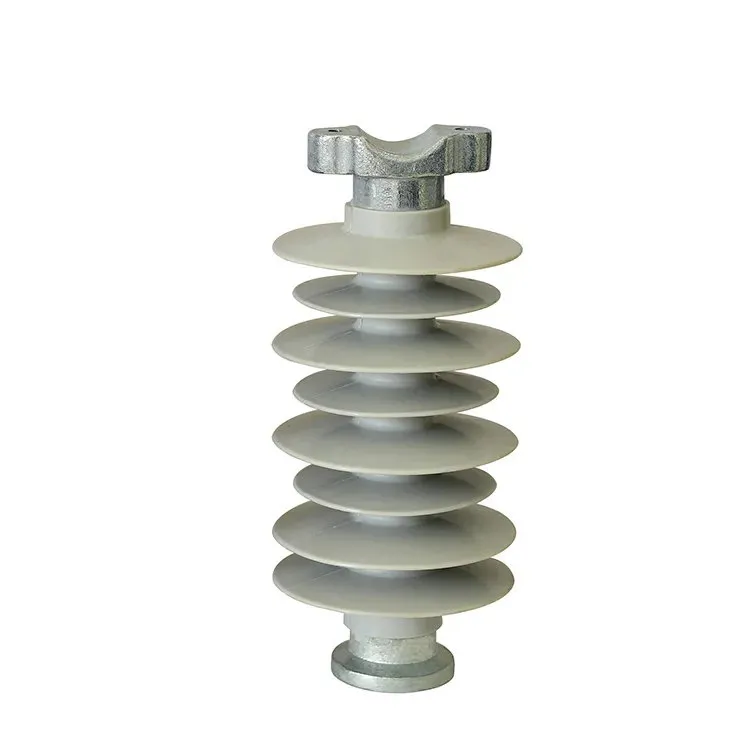
Use a product route after the buyer reference, exact model, quantity, package level, and required fields are known. The FUERTE FPQ3-33 route can support a defined request for model-specific documents or marking details. A product image can help locate a family, but it cannot identify every supplied unit or replace the buyer’s receiving and release process.
FAQ: What do buyers ask about polymer-insulator packing records?
Can a carton label prove an insulator’s rating?
No. It supports identification. Rating and acceptance require the exact technical identity and applicable evidence.
What should a buyer identify first?
Start with the buyer reference, line item, exact offered model or configuration, quantity basis, and document revision.
Is a packing list the same as an acceptance record?
No. A packing list supports logistics control. Receiving and technical acceptance require separate inspection and project review.
How should a missing label field be handled?
Record the package and field as an open discrepancy and request a controlled correction or source-backed clarification.
Summary: Which packing and marking records should a polymer insulator RFQ request?
Request a controlled packing and marking record that identifies the buyer reference, shipment or package ID, unit quantity, exact offered model or configuration, supplier lot or serial reference where used, package count, handling or storage instructions, and the related packing list or inspection record. State which fields are required on the unit, inner package, outer package, pallet, and shipping documents. Keep those logistics records separate from electrical ratings, certification, type-test evidence, and installation acceptance. A polymer insulator packing and marking RFQ should make receiving checks repeatable; it cannot prove performance or approve shipment release by itself.
The FUERTE polymer-insulator family can support a model-specific document request after the buyer defines the identity and record fields. For adjacent controls, see the isolating-switch packing record guide, the factory-document RFQ guide, and the clarification-log guide. IEC 61952:2008 and IEC 62217:2025 provide standards context, not a substitute for the project’s receiving process.
Evidence boundary: a package mark supports identification and handling control. It does not establish rating, certification, test completion, project fit, or acceptance.
Conclusion: How can a packing record support a clean receiving decision?
A clean packing record starts with a buyer reference and exact offered identity, then assigns traceable fields to the unit, package, pallet, and shipping documents. Keep logistics evidence separate from ratings, certification, test results, and acceptance. When a mark is missing or inconsistent, preserve the discrepancy and request a controlled response instead of editing the record or guessing the model. This sequence gives receiving teams a repeatable check and leaves engineering decisions with the applicable documents and responsible reviewers. FUERTE can support a model-specific packing or marking inquiry through its polymer-insulator route after the buyer defines the scope, while shipment release and technical acceptance remain project decisions.