
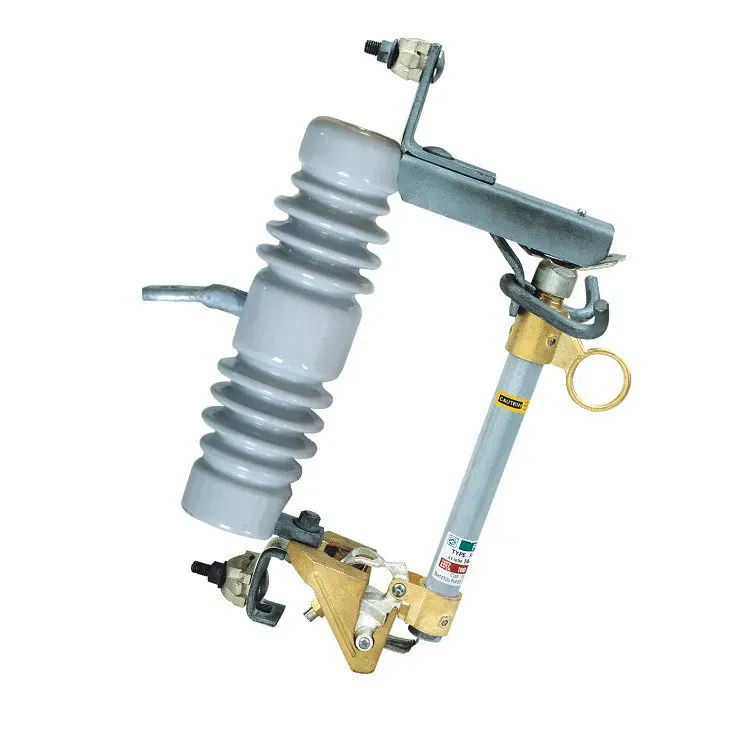
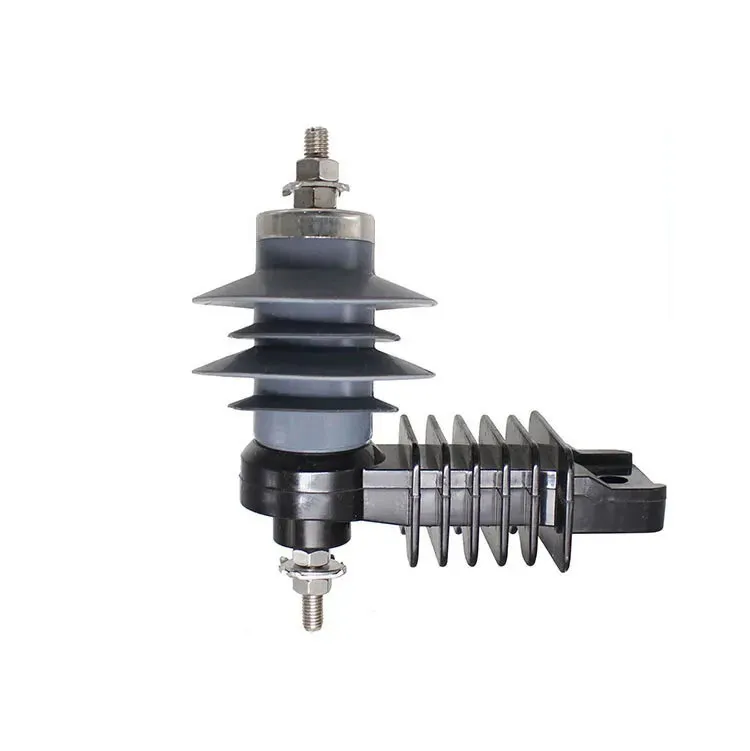
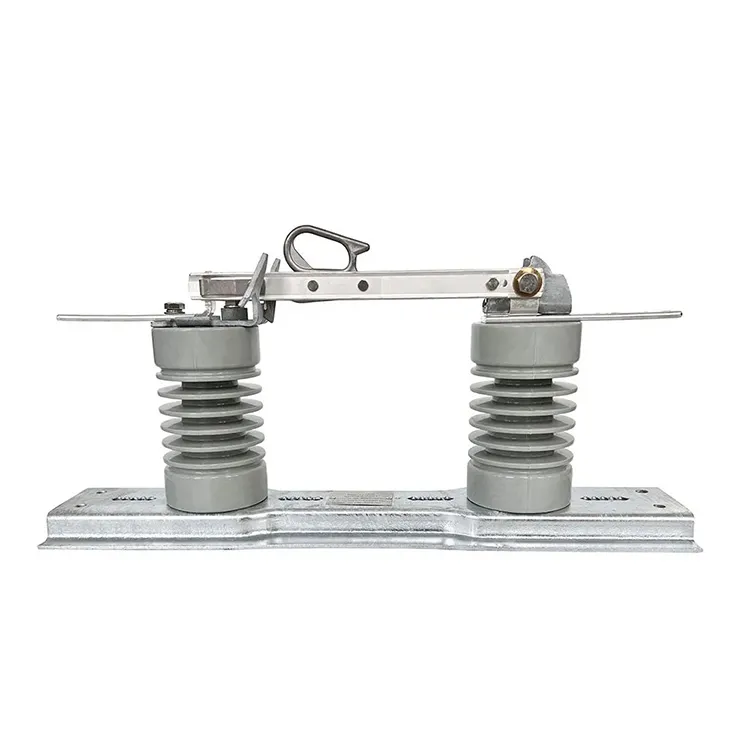
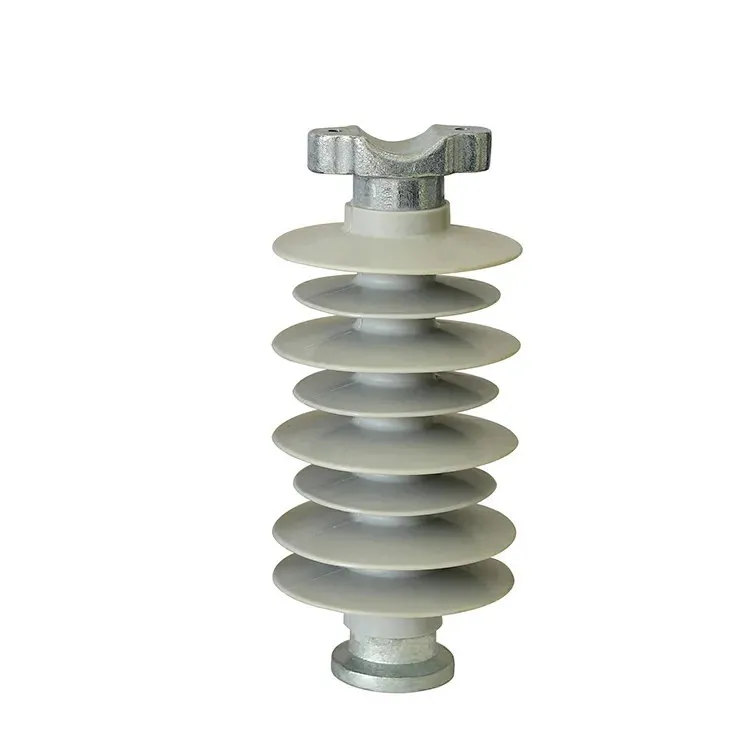


When Priya, a distribution-project engineer in Pune, compared quotations for a new 33 kV feeder, one supplier offered the lowest unit price. The first sample failed the project team’s interface check: the metal end fitting did not match the specified clevis, and the quote contained no creepage or mechanical-load schedule. The quick replacement still arrived without a traceable test report. This illustrative procurement scenario shows the real risk: the problem was selection and documentation, not simply whether the item was called a polymer insulator.
Summary: Buyers searching for polymer insulator manufacturers in India should compare documented product scope, IEC 61109/IEC 62217 test evidence, creepage and mechanical data, interfaces, traceability and delivery support—not a “top manufacturer” label. IEC 61109 covers composite suspension and tension insulators for overhead lines, while IEC 62217 sets general test and evaluation principles for polymeric high-voltage insulators. Start with an application data sheet and RFQ checklist, then ask every shortlisted supplier for model-specific drawings and reports before comparing landed cost.
For a related technical topic, see the electrical products catalogue when building a shortlist across insulation and protection equipment.
What should an Indian buyer define before contacting manufacturers?
“Polymer insulator” is a category, not a complete specification. Record the system voltage and highest system voltage, line arrangement, conductor and hardware, pollution or salt exposure, altitude, wind and ice assumptions, required creepage distance, rated mechanical load, and the exact connection interfaces. A pin, post, suspension or tension design can have a different dimensional and mechanical envelope even when the nominal voltage appears similar.
State whether the item is for a new line, replacement, railway or renewable project, and whether the owner has an approved-vendor list. Include destination port, packaging, inspection hold points and required language for drawings. This information lets a supplier quote a model that can actually be installed; it also prevents a low price from hiding adaptors, redesign, re-testing or field modifications.
How to compare polymer-insulator manufacturers in India
The companies below are names a buyer may encounter when researching the Indian market. They are not a ranking, and inclusion does not prove that a specific model is available, certified or suitable for a particular voltage. Confirm the current product line and request the same evidence from each bidder.
| Supplier or route | What to confirm first | Questions for project fit |
|---|---|---|
| Aditya Birla Insulators | Current polymer-insulator catalogue, manufacturing location and model-specific routine/type-test records. | Can the proposed housing, end fittings and creepage be supplied to the project drawing and Indian utility specification? |
| Bharat Heavy Electricals Limited (BHEL) | Whether the current tender scope includes the required polymer line or substation insulator, rather than another insulation product. | What is the approved-vendor process, inspection plan and lead time for the exact interface? |
| Modern Insulators Limited | Available pin, post, suspension or tension designs, declared ratings and test-laboratory documentation. | Which environmental assumptions and mechanical loads are covered by the offered design? |
| Raychem RPG | Product family, applicable standard edition and evidence that any claimed certification applies to the quoted model. | Can the supplier provide dimensional control, batch traceability and replacement support in the destination region? |
| Overseas supplier considered alongside Indian bidders | Export documents, Incoterms, packaging, third-party inspection option and a clear route for technical queries. | Will the supplier review Indian utility drawings and provide an interface sample before production? |
Use the same request-for-quotation (RFQ) template for every bidder. A transparent comparison normally reveals that two apparently similar products differ in test scope, end fittings, documentation or service—not just in price.
Which technical documents should a supplier provide?
IEC 61109 is a product standard for composite suspension and tension insulators for overhead AC lines. It addresses design and verification tests relevant to the complete insulator assembly. IEC 62217 provides common definitions and test principles for polymeric high-voltage insulators, including how a manufacturer demonstrates relevant electrical and environmental performance. Neither standard is a blanket “quality certificate” for every product a company sells. Ask for the report number, model, test configuration, laboratory, date and standard edition.
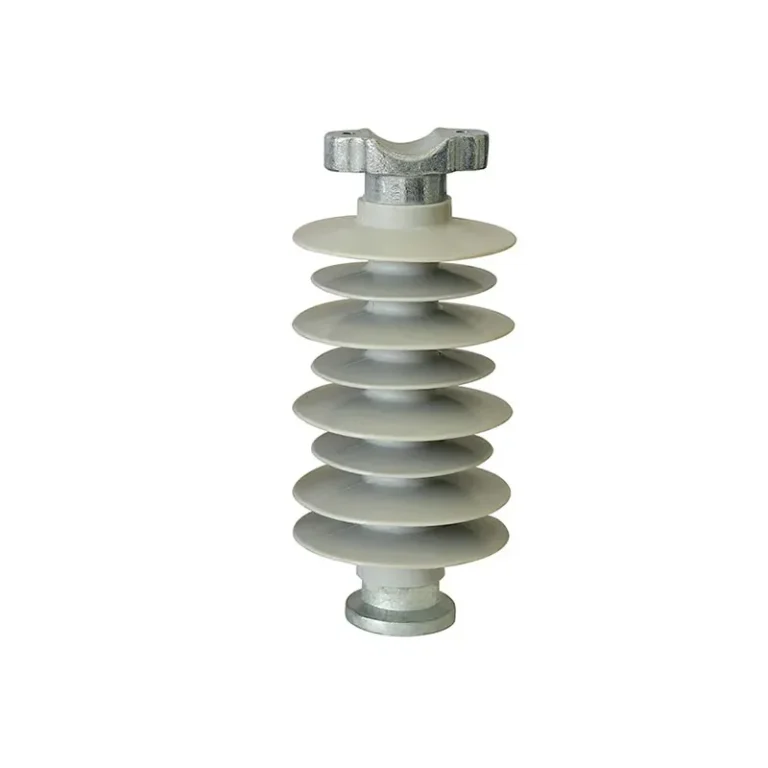
For the RFQ, request a drawing and schedule covering rated voltage, highest system voltage, specified creepage distance, arcing distance, dry and wet power-frequency withstand, lightning impulse withstand, and the specified mechanical failing load. Ask how the metal fittings are attached, which tolerances apply, and whether the quoted interface is a clevis, tongue, ball-and-socket, threaded stud or another arrangement. Do not infer these values from a catalogue photograph.
Where pollution or coastal exposure is material, ask the supplier to state the creepage basis and housing material in writing. Where the line experiences high wind, ask for the mechanical load case and safety factor used in the design calculation. If the project owner requires a national or utility specification in addition to IEC standards, list that requirement separately and obtain written acceptance before purchase.
How do factories control quality and traceability?
A good technical report is useful only when the delivered batch can be connected to it. Ask for the quality plan, incoming-material checks, moulding or bonding controls, dimensional inspection, routine-test records and non-conformance procedure. The supplier should explain how the serial number, batch number or date code links the finished insulator to raw-material and inspection records. A sample of the proposed nameplate and packing list is often more revealing than a generic brochure.
For imports, add commercial and logistics checks to the technical review: country of origin, HS-code proposal, commercial invoice, packing list, certificate of origin, inspection certificate if required, insurance responsibility, Incoterms, port of loading and preservation for storage. Confirm who pays for a replacement if an arrival inspection finds damaged sheds or a mismatched fitting. Ask for a realistic production and shipping window rather than an unqualified “ready stock” promise.
Can an overseas supplier fit an Indian project?
Zhejiang Fuerte Electrical Apparatus Co., Ltd. is an overseas supplier, not an Indian manufacturer. On its current polymer-insulator page, Fuerte identifies its address in Yueqing, Zhejiang Province, China, and lists pin, post and suspension products with stated ratings from 10 kV to 36 kV. Those published details make Fuerte a possible bidder when the project falls within that scope; they do not establish Indian certification, local stock, or suitability for every network.
For a disciplined review, ask Fuerte for the exact model drawing, creepage and mechanical schedule, applicable IEC test reports, fitting details, routine-test format, packing proposal and export terms. The Fuerte polymer insulator range can be used as a starting point for model identification, while the buyer should independently verify each claim against the project specification and inspection plan.
What to include in the first RFQ

- Product scope: identify pin, post, suspension or tension type; voltage class; quantity; accessories; and the drawing revision.
- Standards and tests: request model-specific IEC 61109 and/or IEC 62217 evidence, test configuration, laboratory and report date. Mark any item still pending.
- Electrical and mechanical data: record creepage, arcing distance, withstand levels, rated mechanical failing load, cantilever or tensile load as applicable, and tolerances.
- Interfaces: attach the mating-hardware drawing and require written confirmation of hole size, pin, clevis, tongue, ball, stud and locking details.
- Factory controls: request the inspection and test plan, routine-test records, non-conformance process and batch/serial traceability sample.
- Export and local support: confirm Incoterms, documents, packaging, inspection access, response time, spare or replacement route and an India-based service contact if required.
- Project fit: obtain owner or utility approval, review environmental assumptions, and approve a first article or sample before releasing the production order.
How should you compare price and total cost?
| Dimensi perbandingan | What a buyer can compare | Bukti yang diminta |
|---|---|---|
| Unit price | Quoted insulator, fittings, packing and inspection scope. | Line-item quotation with currency, validity and exclusions. |
| Installation effort | Weight, hardware compatibility and handling requirements. | Approved drawing, mass and interface schedule; do not assume a generic polymer unit is lighter enough to change the method. |
| Reliability risk | Fit, environmental design basis and test coverage. | IEC reports, routine tests, material and traceability records. |
| Delivery and support | Lead time, inspection, replacements and technical response. | Production plan, Incoterms, warranty terms and named escalation contact. |
| Total biaya kepemilikan | Freight, duties, adaptors, re-testing, outages and spares. | Delivered-cost model using project quantities and a documented risk allowance. |
The practical lesson is not that polymer always beats porcelain or glass. Selection depends on pollution, mechanical design, interface, workmanship, inspection and the owner’s maintenance philosophy. A buyer comparing those dimensions can make a defensible decision even when supplier brochures use different terminology.
Which related technical guides should you review?
Teams still defining an 11 kV feeder can use this 11 kV manufacturer selection guide to structure questions about drawings, tests and supplier support. If the design team is weighing material families, the composite versus polymer insulator comparison helps separate terminology from application requirements. These references supplement—rather than replace—the project owner’s approved specification.
FAQs
Who are the main polymer insulator manufacturers in India?
There is no neutral, permanent ranking. Buyers may encounter Aditya Birla Insulators, BHEL, Modern Insulators and Raychem RPG, but they should verify each company’s current polymer product scope, model ratings and reports for the project. Treat any list as a shortlist for evidence collection, not proof of compliance.
What tests should I ask a polymer insulator supplier to provide?
Ask which clauses of IEC 61109 and IEC 62217 apply, then request the relevant type, design and routine-test evidence for the quoted model. The report should identify the test configuration, laboratory, date and standard edition. Add utility or national tests when the owner specification requires them.
Is an ISO certificate enough to approve a manufacturer?
No. A management-system certificate, if valid and within scope, does not prove that a particular insulator passed its required electrical, environmental and mechanical tests. Approve the product using model-specific drawings, test reports, inspection records and traceability.
Can an overseas supplier such as Fuerte bid on an Indian project?
It can be considered when the tender permits imports and the supplier can meet the technical, documentary and logistics requirements. Fuerte’s site lists pin, post and suspension polymer insulators rated from 10 kV to 36 kV; the buyer must still verify the exact model, IEC evidence, fittings, export documents and any Indian utility approval.
What should be in a first RFQ email?
Attach the single-line diagram or application description, voltage and environmental data, interface drawing, quantity, delivery point, required standards, inspection plan and document schedule. Ask the supplier to mark deviations explicitly, including any pending test report or alternative fitting.
Kesimpulan
Finding polymer insulator manufacturers in India is only the first step; proving that a proposed model fits the line, the environment and the owner’s approval process is the real procurement task. Compare candidates on the same RFQ, require IEC 61109/62217 evidence where applicable, and record creepage, mechanical load, interfaces, traceability, export documents and support before discussing price. Indian suppliers may suit projects that need local coordination, while an overseas option such as Fuerte may be relevant when its published 10–36 kV product scope and documentation match the design. The durable decision is the one that can be audited after delivery, not the one with the strongest “top manufacturer” headline. For model drawings or a project-specific quotation, contact Fuerte’s sales team with your RFQ checklist.